
Before you splurge on a kitchen or bath, check which upgrades your local comps are paying for right now, and which ones are just pretty receipts.
Comps first, Pinterest second

I used to start with mood boards. Now, when I know a move might happen inside five years, I start with the MLS like a nosy neighbor. Pull up the last 90 days of sold listings within about a half-mile (or the closest match if you live rural). Filter to your same bed/bath count and similar square footage, then open the photos. You're not looking for design inspiration. You're hunting for patterns your local buyers are rewarding right now: Which homes went pending in a weekend? Which sat for 45 days and took a price cut? Did the fast sellers have older kitchens but spotless roofs and HVAC? Or did every quick sale have quartz counters, a big island, and the same white oak LVP?
In a lot of markets, the trend flips faster than homeowners expect. When rates jump, buyers get pickier about monthly payment, and suddenly turnkey becomes less optional. In other ZIP codes, low inventory means people will tolerate dated finishes as long as the inspection items look calm. You can see it in the agent remarks too. If multiple listings brag about "newer mechanicals" or "recent roof," that's a clue your area has had enough inspection surprises.
Then do one unglamorous thing: make a two-column list. Column A is what your closest comps had that yours doesn't. Column B is what they didn't bother with and still sold. If every comp has a dishwasher, a vented range hood, and a functioning garage door opener, those aren't luxuries in your neighborhood, they're table stakes. If half the comps have builder-grade laminate counters and nobody cared, that marble slab you want is probably for you, not your resale timeline.
When the neighborhood moved upscale without you
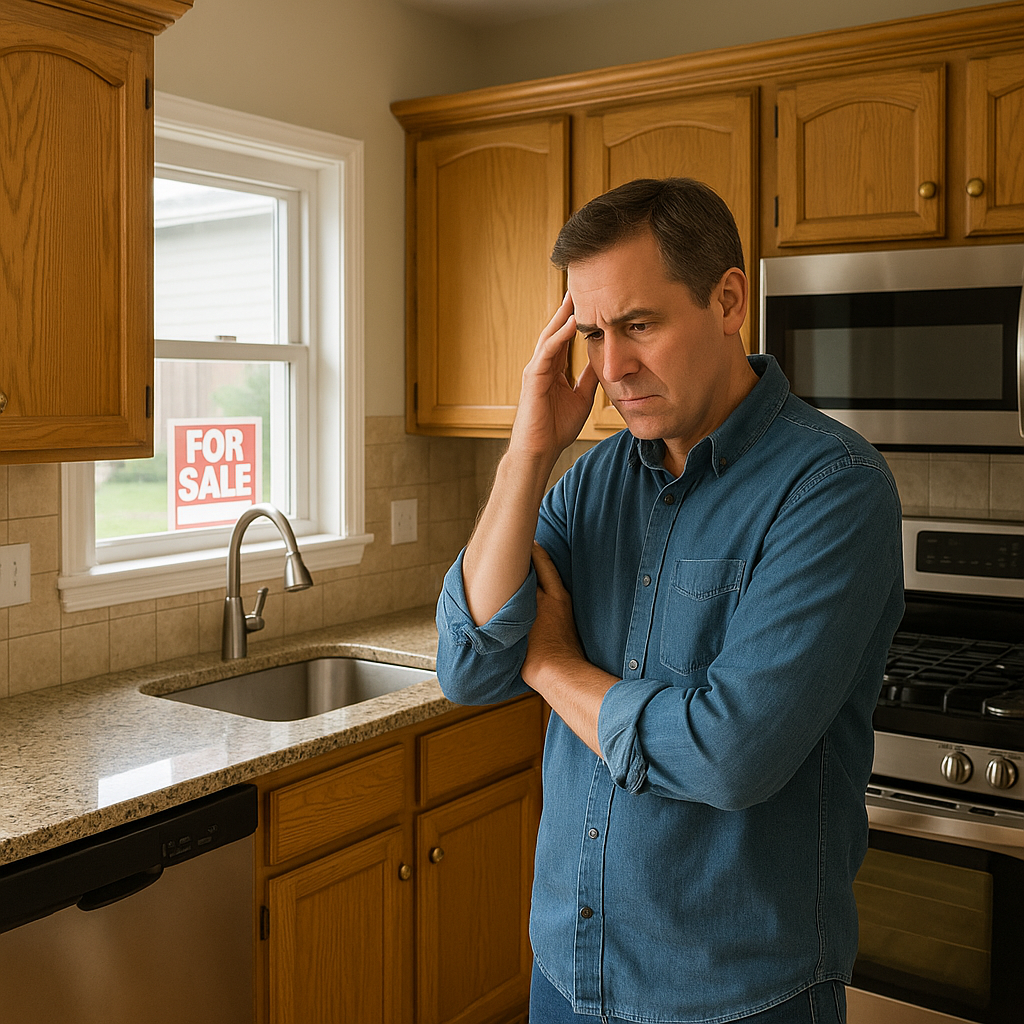
I've watched a street change in a way that messes with renovation math. One year, the neighborhood is full of 1998 honey oak cabinets and the occasional granite upgrade. Two years later, a couple of flippers land, a few high-earning families buy in, and suddenly your old finishes aren't dated, they're the outlier. That's the moment people panic-renovate, and it's also the moment they accidentally blow past what their buyers will pay.
Here's how I keep it grounded. First, I look at the spread between the best recent sale and the middle of the pack. If the top sale is only, say, 6 to 8 percent higher than the median comp, you don't have much headroom for a dream kitchen and a spa bath. If the spread is wide, that can mean the market is paying up for a certain level of finish, or it can mean one house simply had a better lot, layout, or school boundary. Read the details. Corner lot? Cul-de-sac? Finished basement? Those things eat up the upgrade premium you thought you were earning.
Second, I sanity-check with price per square foot in your micro-area, not your whole town. A new primary bath in a $350 per square foot pocket behaves differently than the same bath in a $220 pocket. That doesn't mean you can't improve your place. It means you pick the work that raises you to the neighborhood's current baseline, not a level buyers think belongs in a different subdivision.
If your ZIP code is trending upscale, the safest money is usually boring consistency. Match the dominant style cues you keep seeing in listing photos: similar flooring continuity, similar door hardware finish, similar light temperature (those too-blue LEDs scream landlord in a market where buyers expect warm 2700K). Skip the ultra-specific stuff that ages in three years, like a statement tile that looks incredible on Instagram and strangely personal in a buyer's second showing. People will remember the weird tile. They won't remember that you replaced every outlet cover so they all match.
Days on market tells you what not to do
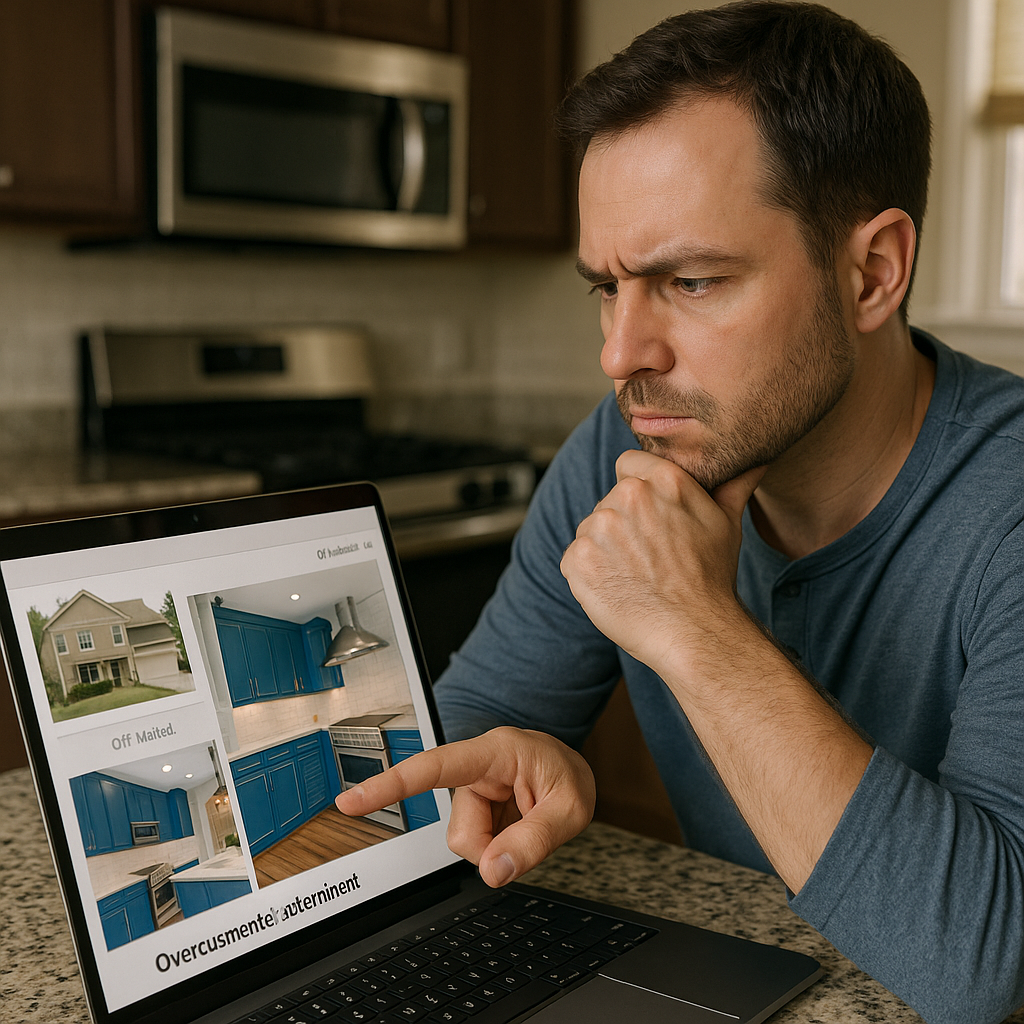
If you only study the pretty listings that sold fast, you miss the most useful data: the houses that lingered. I like to open the ones with high days on market, then read them like a postmortem. Price reductions, back on market, buyer got cold feet. That whole trail usually points to one of three things: the home was priced wrong, the condition didn't match the price, or the updates were the wrong kind for the neighborhood.
When you're renovating with a five-year horizon, you want to avoid the upgrades that make a place harder to price. The classic example is a major layout change that turns a normal three-bed into a quirky two-bed with an enormous bonus room. In some local markets, that's a win because buyers want a home office or gym. In others, it shrinks your buyer pool overnight because families filter by bedroom count before they ever see your gorgeous open concept.
Another red flag I see in stale listings is the over-customized statement kitchen. Think: a bold cabinet color paired with high-end appliances, but the rest of the house is still basic, or the kitchen is amazing but the bathrooms look tired. Buyers start doing mental math: If I have to touch two baths and the roof is 17 years old, why am I paying for your Wolf range? That's not a moral judgment. It's how people act when they feel stretched.
So steal this simple move from listing research: make a short do-not-copy list based on your local DOM losers. If the homes sitting longest all have converted garages, weird carpet choices, or pricey finishes without matching fundamentals, that's your warning. Bring your house up to the neighborhood's expectations in the places buyers inspect first (kitchen function, bath cleanliness, windows that open, grading that sheds water), then stop. The market trend in your area will tell you where enough is today, and it changes more often than your tile sample does.