
Before you sink money into efficiency, check duct leakage, attic air sealing, and the paperwork appraisers can use when you sell.
Duct sealing beats a fancy thermostat (most of the time)
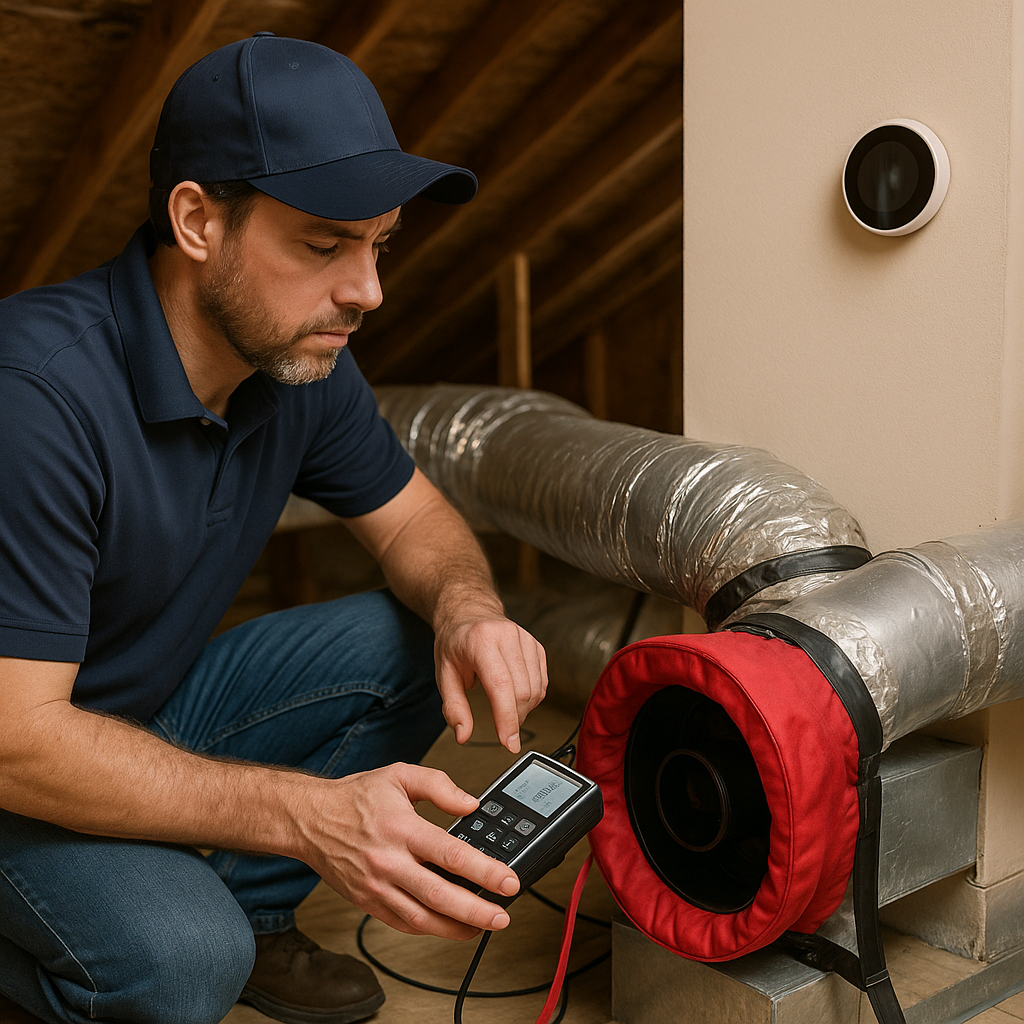
I used to treat ductwork like plumbing: out of sight, probably fine. Then I watched an HVAC tech run a duct-leakage test on a 1990s house and it was like finding a window left open in the attic all year. The homeowner had already installed a smart thermostat, swapped a couple windows, and still complained that the back bedrooms were either a sauna or a meat locker. The thermostat wasn't the problem. The air was never making it where it was supposed to go.
If you're renovating with a likely sale inside five years, this is the kind of upgrade that can pay you twice: it makes the house feel better now, and it gives you something concrete to point to later besides "we upgraded stuff." Ask for a duct leakage test (not just a visual inspection) before you start throwing equipment at the system. Then seal with mastic and proper foil tape on metal ducts, not cloth duct tape that dries out and peels. In a lot of older homes, the biggest wins are at the air handler connections, the trunk lines, and the returns. I also like having them check the return plenum and any panned joist returns, because those can be leaky and dusty in a way buyers notice as "this house smells like attic."
Here's the part sellers miss: a new high-efficiency furnace can look great on a listing, but if the ducts leak into an unconditioned crawlspace, you're paying to heat the spiders. When you're thinking ROI, comfort complaints matter. Buyers may not know what mastic is, but they do notice when one side of the house never matches the other and the utility bills feel suspicious. Keep the invoice that shows "duct sealing" and the test result after the work. It's one of the few energy upgrades that can be explained in one sentence at an open house without sounding like you're reading a brochure.
Attic air sealing: the unglamorous job with the loudest payoff
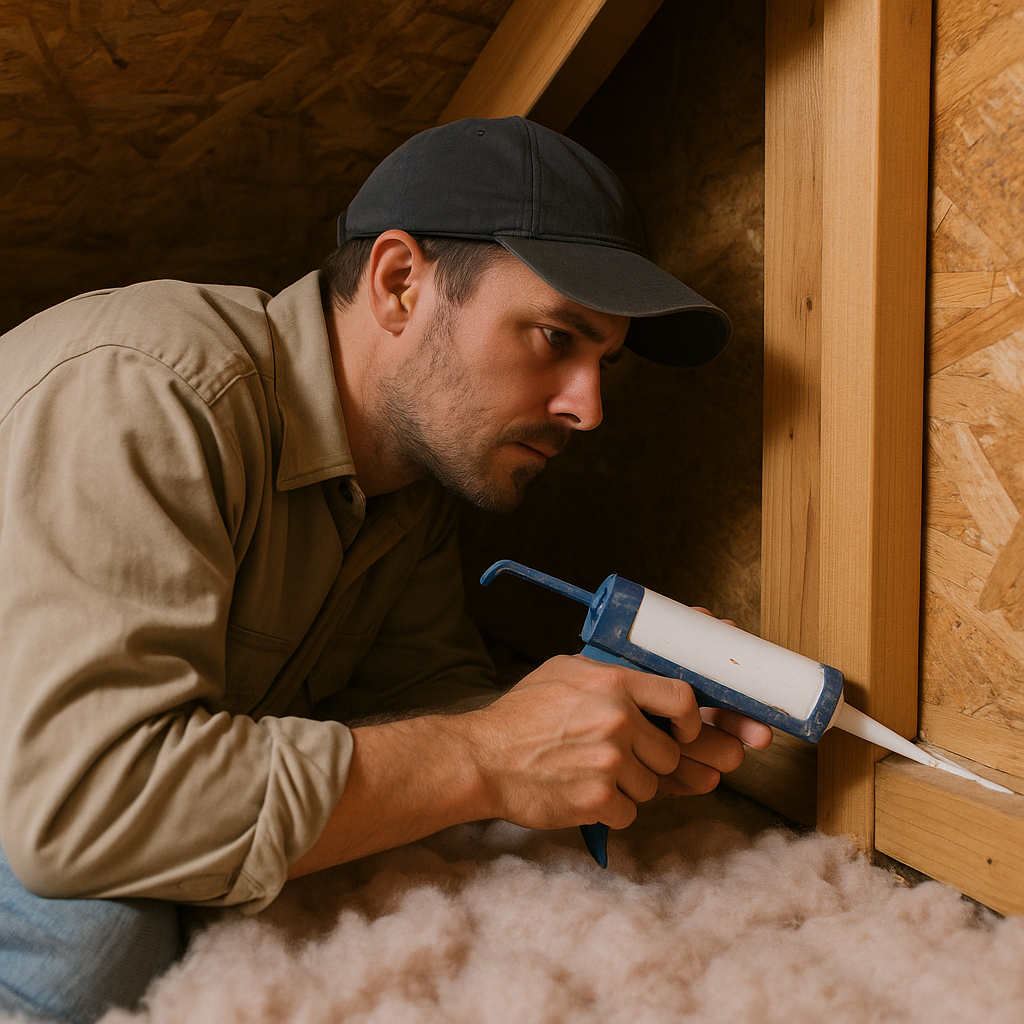
Every time someone tells me they need more insulation, I ask one annoying follow-up: did you seal the air leaks first? Because I've seen plenty of attics with a thick blanket of fiberglass that still let a winter draft whistle through recessed lights, plumbing chases, and the top plates. That's not just an energy thing, it's a comfort thing, and comfort is what buyers react to in the first ten seconds of walking into a house.
If you're planning to sell within five years, air sealing is also the rare renovation that doesn't set off taste wars. Nobody fights over whether you chose the right color caulk. But it does have a failure mode: people rush it, or they DIY it in a way that leaves a mess and doesn't move the needle. The simplest approach that holds up is hiring an auditor or insulation crew that will air seal the attic floor plane before topping up insulation. You're looking for careful work around penetrations (wiring holes, bath fan housings, the chimney chase, the attic hatch). The best crews will call out things you didn't know were holes, like a dropped soffit over kitchen cabinets that turns into a wind tunnel.
What makes this ROI-relevant is that the improvement shows up in everyday living, not in a spec sheet. The thermostat cycles less. The upstairs stops feeling like its own climate. And when you go to sell, you can describe it plainly: "attic air sealed and insulated" with a date and a receipt. That reads as responsible ownership to buyers who are already nervous about hidden costs. If you want to get more concrete, pair it with a blower door test before and after. Even if the buyer doesn't know the jargon, an inspector will, and appraisers sometimes take note when the documentation is unusually thorough.
One practical note from doing this in my own place: seal first, then insulate. If you bury the leaks under new material, fixing them later is miserable. Also, if you have knob-and-tube wiring or signs of moisture, don't treat air sealing like an arts-and-crafts weekend. Get the electrical and ventilation issues sorted, or you'll spend money twice and still end up explaining weird stains in the attic during the inspection period.
Paperwork that makes efficiency feel real to a future buyer

I've watched buyers nod politely at a list of upgrades and then get hung up on the one thing they can verify quickly: monthly carrying costs. Energy-efficient renovations are tricky because the best work is invisible, and invisible work is easy to discount as marketing. If you're within a five-year sell window, don't just do the upgrades. Package the evidence so it survives the handoff to your agent and, eventually, a skeptical home inspector.
Start with the stuff a listing can support without turning into a novel. If you did a home energy audit, keep the report and any recommended measures that were completed. If you had a blower door test or duct leakage numbers, keep the before-and-after sheets. If you upgraded to a heat pump water heater, keep the model number, the install date, and the warranty info in one PDF. Buyers love a clean paper trail because it implies you didn't cut corners elsewhere.
Then make the utility-bill story easy to tell without overpromising. I don't advise waving one low month around like it's destiny. What I do is pull twelve months of electric and gas usage (kWh and therms) and put it in a simple table. Usage is better than dollars because rates change and buyers know it. If the renovation made a dent, it shows up there. If it didn't, you're better off knowing before you hang your hopes on it in negotiations.
One more thing that helps when you're selling: label the panel and the mechanicals like you want the next owner to like you. A neat breaker directory, a filter size written on the return grille, and a clear note about where the shutoffs are isn't glamorous, but it signals competence. In my experience, that changes the tone of the inspection conversation. Instead of "what else did they ignore," it becomes "these folks maintained the house." And for efficiency work, trust is half the value.