
A simple 10-year comparison, one rent-raise rule, and a framework for comparing property with other big-ticket purchases.
The 10-Year Test

I have a Notes app folder called “Nice Things I Don’t Own.” It started as a joke after I almost bought a watch I absolutely did not need, and now it’s the cleanest filter I’ve found for long-term value. Before I drop serious money on something flashy, I take one screenshot: a plain, boring 10-year comparison with two columns. Column A is the shiny thing (watch, car upgrade, a new set of clubs). Column B is a real estate use for the same cash, such as a down payment or a property improvement. Then I force myself to live inside real estate math for 10 minutes.
Here’s how I do it without pretending I can predict the market. I listed the cash out the door today. Then I list what that cash can control in a property: a down payment that lowers the loan-to-value ratio, a repair that improves rentability, or a principal curtailment that reduces interest. I don’t use a heroic appreciation rate. I use three lines I can defend: (1) the mortgage amortization schedule tells me how much principal gets paid down over 10 years, (2) rents can change over time, depending on the local market, lease terms, and applicable laws, and (3) expenses exist whether I like them or not. It’s a gut check that keeps me from confusing dopamine with wealth.
The thing that makes the test work is what I screen-capture. I capture the year-10 snapshot: remaining loan balance, estimated equity (even if it’s conservative), and monthly cash flow after a realistic reserve. Then I put the shiny thing next to it with its year-10 value, based on the resale value you can reasonably expect after 10 years. When you see those two pictures side by side, the urge to flex gets quieter. And if the shiny thing still wins, I buy it with a clean conscience because it beat property on a long timeline.
The CPI Guardrail
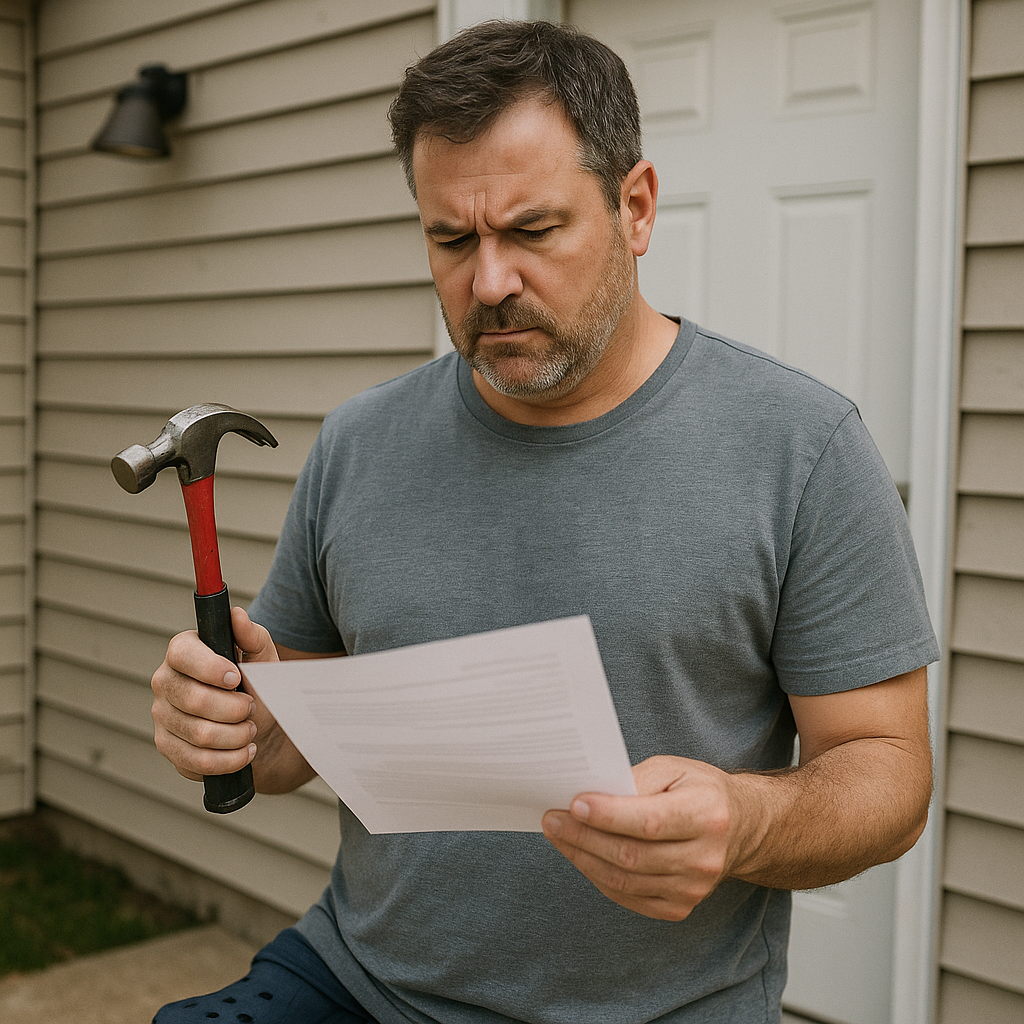
High achievers love the idea of property because it sounds inevitable: buy, hold, watch it climb. Then reality shows up wearing Crocs and holding a maintenance request. The long-term value isn’t automatic. A big part of it is whether you can reprice income over time without turning every renewal into a moral debate.
I’ve watched smart, conflict-avoidant owners leave thousands on the table because raising rent feels like picking a fight. Here’s the move that made it easier for me: I stopped inventing numbers and started using a guardrail tied to the CPI (Consumer Price Index) as a default reference point to keep me from freezing.
My process looks like this. About 90 days before renewal, I pull the current lease, my trailing 12 months of property expenses, recent local rental market data, and changes in the property's operating costs. Then I ask one practical question: if I keep the rent flat, what am I implicitly choosing to absorb? Insurance, trash, water, labor, materials, and property taxes. If the tenant’s been solid, I’ll often do a smaller increase than market, but I still use the property's costs and local market as reference points so the decision isn't arbitrary.
The language matters. I keep it short and un-dramatic: “Renewal offer attached. Rent will be adjusted from X to Y starting on [date]. This aligns with the change in operating costs over the last year; happy to discuss if you have questions.” No lecture. No long email. If you’re using a property manager, you can still set this as your policy so it doesn’t become a personality contest.
The point is long-term value. A property whose income doesn't keep pace with its costs can become less profitable over time. And a place that reprices in a consistent, defensible way is the opposite of flashy. It’s calm. It’s repeatable. It’s why the property column on my screenshot test can look stronger over a long timeline.
The Maintenance Fund
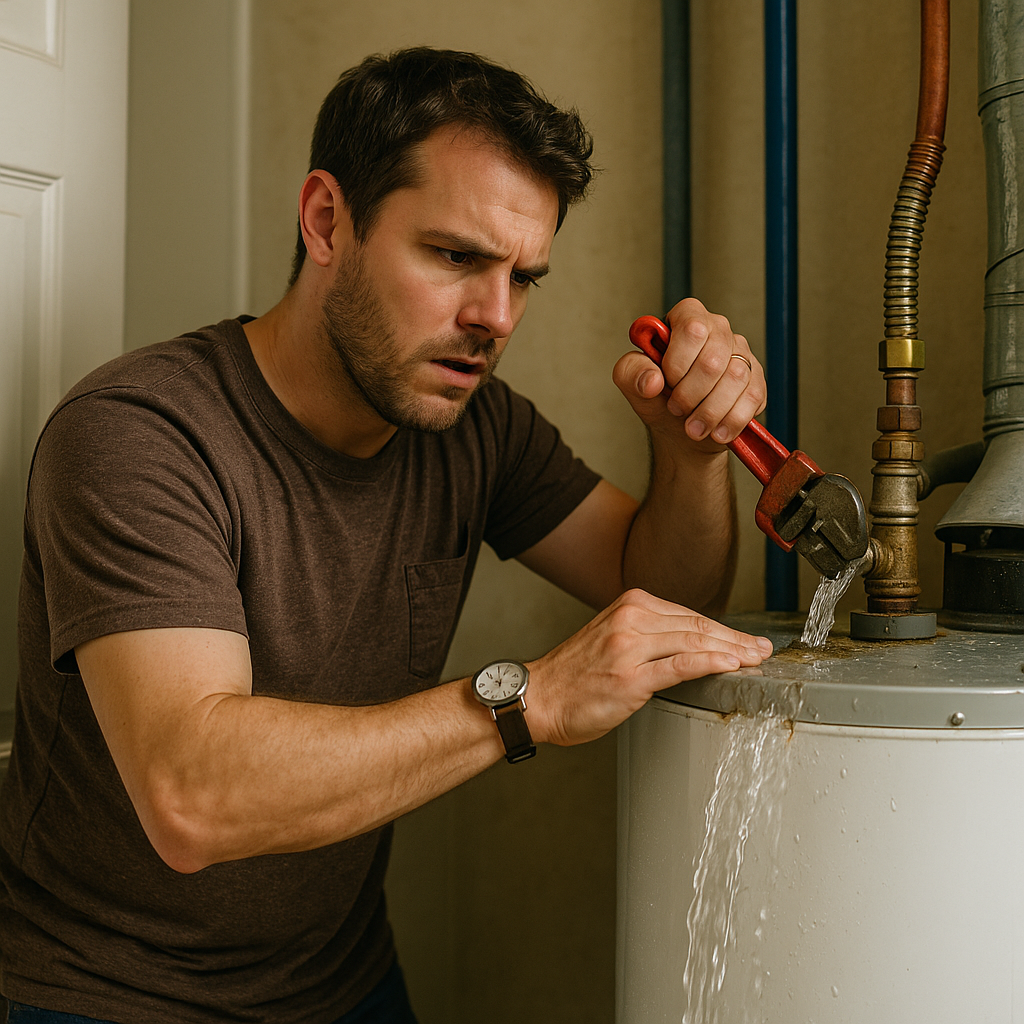
There’s a version of property investing that’s basically a highlight reel: closing day, a cute before-and-after, then “passive income” forever. The version I’ve lived is more like: the water heater dies on a Tuesday, the HVAC makes a noise that only happens when you’re out of town, and the roof somehow waits until you’ve mentally spent your bonus.
If you want long-term value, you need a reserve that is boring enough to be ignored and strict enough to exist when you need it. I keep mine in a separate high-yield savings account labeled by address. It’s a maintenance and capex fund for the building. That separation is the whole trick. Otherwise, you start negotiating with yourself: “Maybe I can push the gutter repair another year.” Meanwhile, water is doing what water does.
How much? I don’t pretend there’s one magic percentage for every property type, but I do insist on two line items in underwriting and ongoing tracking: a monthly maintenance allowance (the small stuff you can’t predict) and a capex allowance (the big-ticket items you know are coming). When I’m evaluating a deal, I’ll sanity-check the ages of the roof, HVAC, water heater, exterior paint, and appliances. If the seller can’t tell you approximate ages, that’s information, too. If you’re already holding the property, walk it once a year with your phone camera and take five minutes to document the serial-number sticker on the water heater, the HVAC data plate, and any roof notes from the last inspection. You don’t need to be a contractor. You just need a baseline so you’re not making four-figure decisions off vibes.
This is where property ownership becomes less predictable. A watch doesn't come with the same property-specific maintenance obligations. The property might. But if you’re funding the not-fun account all along, that surprise becomes a scheduled withdrawal instead of a panic. And the value you keep is not abstract. Regular maintenance can help preserve a property's condition and reduce the risk of costly deferred repairs.