
Three checks I run before I wire funds: chain-of-custody gaps, archive-friendly verification, and a quiet call to the last honest witness.
Rebuild the chain of custody, then circle the quiet gaps
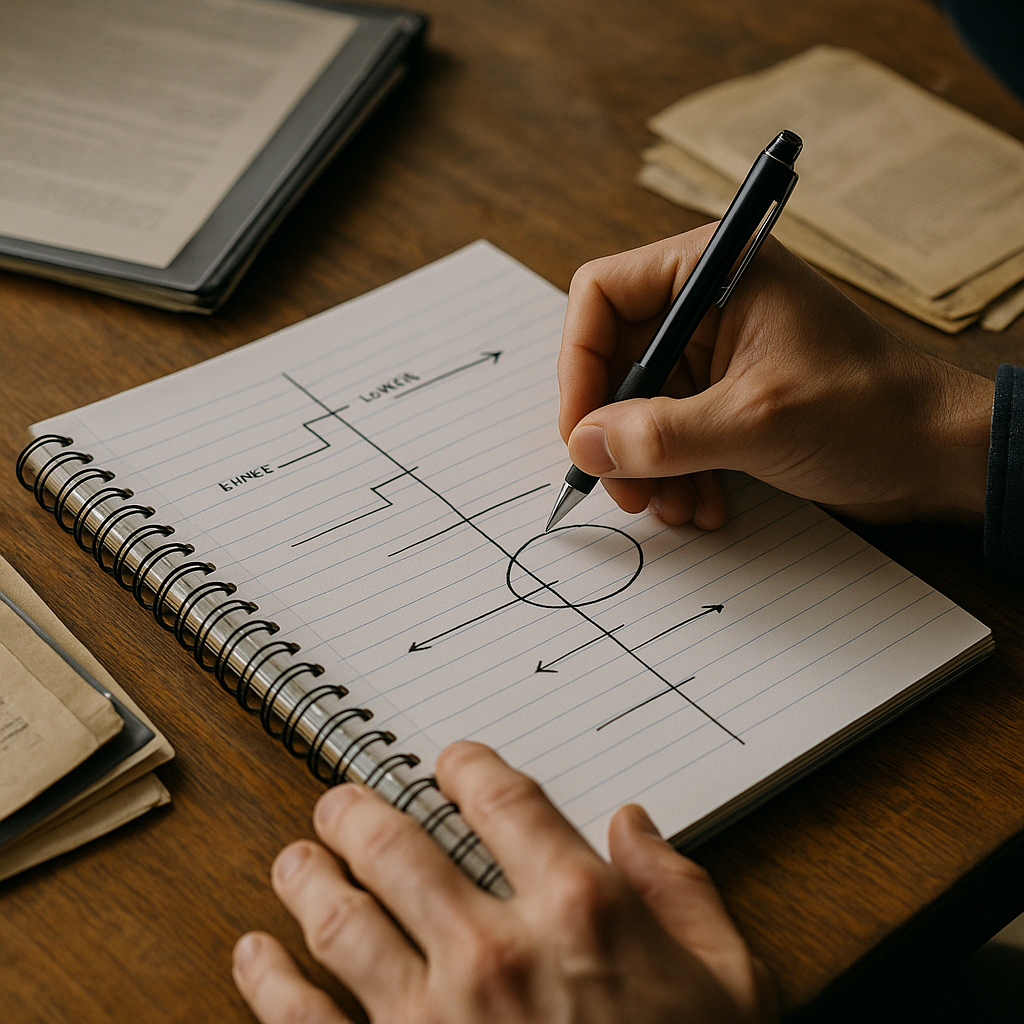
I don’t care how glossy the dealer packet looks, I start with a blank sheet and rebuild ownership like I’m doing a title search. Not a vibe check, not a story check. A chain. For a high-dollar object (manuscript, photo, medal group, art, signed baseball, whatever), I want dates, locations, and the reason it changed hands. In my notes, each transfer gets a line: who had it, when they had it, and what document proves it. Then I mark the gaps that are quiet, the years where nothing is documented but the price quietly balloons.
Here’s the part that saves me from my own excitement: I’m not looking for perfection, I’m looking for the moment where the object turns from traceable to narrative. The phrase that makes my pen stop is something like “from a private East Coast collection” or “acquired overseas in the 1970s.” That’s not provenance, that’s a fog machine. If the seller can name the collection, they should also be able to name how the collection got it. If they can’t, I don’t argue. I just lower the number in my head and keep digging.
Practical move: I build two timelines side by side. One is the ownership chain. The other is the object’s public footprint: exhibition history, auction listings, magazine photos, even a museum label if it was ever loaned. When those two timelines overlap cleanly, confidence goes up. When the public footprint starts after the ownership story begins, I treat everything before that as unpriced risk. And I write the risk down in plain English so I don’t talk myself out of it later: “No documentation for 1964-1989, story relies on family lore.” That sentence has stopped me from wiring money more than once.
Verify the paper like you’re preparing for an insurance claim
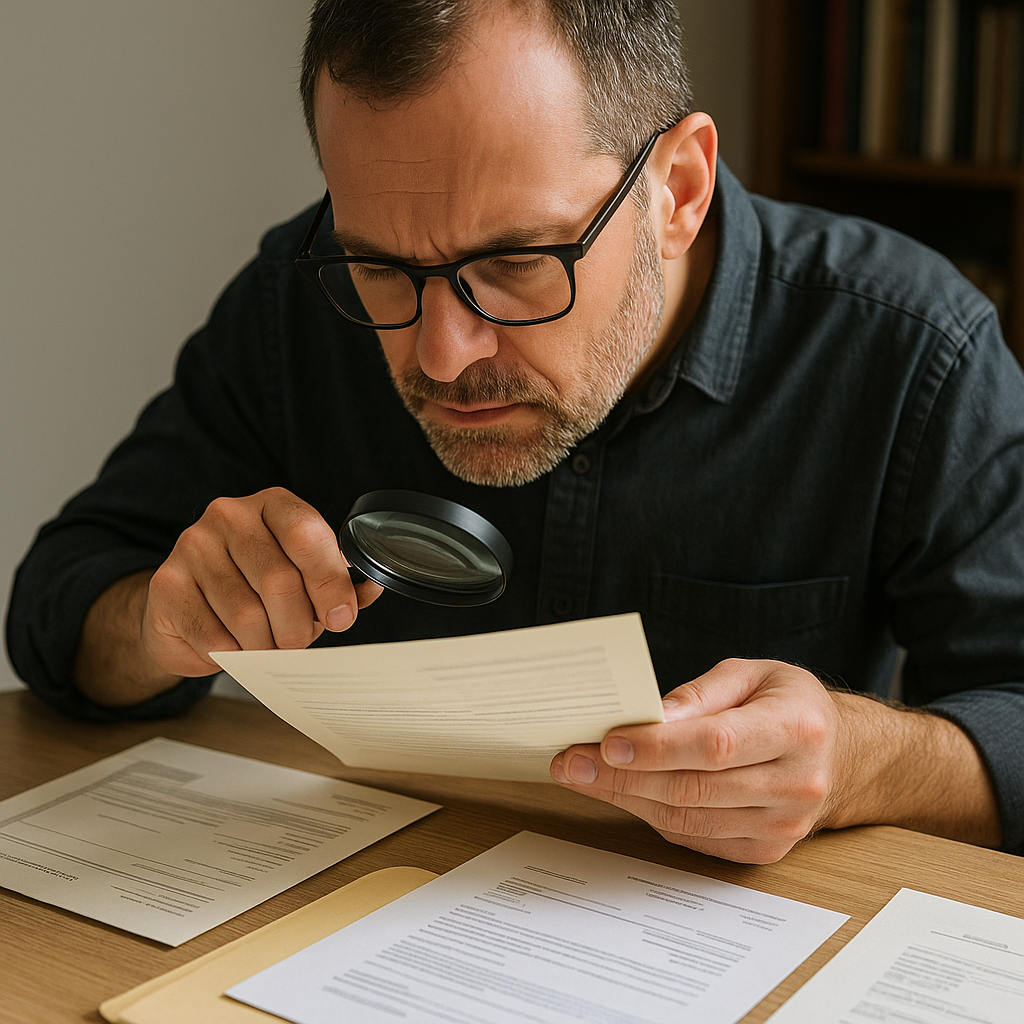
Collectors love to say, “It comes with paperwork,” as if the mere existence of a folder is the point. For me, paperwork is only useful if it behaves like evidence under pressure. I treat every letter, invoice, appraisal, and certificate like I’m going to hand it to an insurer, a museum registrar, or an opposing attorney. That mindset changes what I ask for, and it changes how I look at what I get back.
I want clean scans, front and back, not photos shot at a slant on a kitchen counter. If the seller balks, that tells me something. Then I check for boring consistency: do the addresses match the era, do phone numbers show the right format, do dates align with known auction seasons, do letterheads match what the company used then. I’m not pretending I can authenticate ink chemistry from a JPEG, and I don’t do the fake-forensics thing where people claim a blacklight can prove authenticity. What I can do is catch sloppy fabrication and lazy copy-paste jobs.
My favorite tell is mismatch between the document’s purpose and its language. A legitimate auction invoice reads like an invoice. A legit loan receipt reads like something written by a person who issues loan receipts all day. When a supposed 1980s bill of sale reads like modern marketing copy, my shoulders go up. Same with COAs that are heavy on adjectives and light on specifics. If the object is a signed photo, I want the signer, the medium, the dimensions, and a reference to a known signing context. If it’s a militaria grouping, I want service number tie-outs and unit details that can be checked, not just “WWII veteran estate.”
One tactic I use that feels unglamorous but works: I take every document and ask, “What future event is this meant to survive?” An estate settlement. A customs inquiry. A theft claim. A resale five years from now when the dealer is retired. If the document wouldn’t help me in any of those moments, it doesn’t justify the premium today. And if the seller insists it should, I ask for one additional piece of supporting evidence that can be independently verified, like an archived auction listing, a published exhibition checklist, or a third-party shipping record with dates and names.
Call the last independent human in the chain

When I’m about to pay a serious number, I stop emailing for a minute and pick one person in the object’s orbit who has no incentive to hype it. Usually that’s the prior auction specialist, a registrar at a venue that hosted a loan, a publisher who handled an image license, or a curator who answered a reference request years ago. Not the current dealer, not the consignor’s cousin, not the expert whose quote appears in the sales copy. The last independent human in the chain.
It’s a simple call, and I keep it short because nobody owes me an afternoon. I introduce the object with one identifying detail that proves I’ve done homework (lot number, sale date, exhibition title, catalog citation). Then I ask two questions and listen for the texture in the answers.
- “Do you remember this specific piece, or are you looking it up?” Either answer is fine. What I’m listening for is whether their recollection matches the seller’s story without me feeding it to them.
- “Was there anything odd about it at the time?” Odd can mean a title dispute, a weird last-minute withdrawal, a condition disagreement, or a consignor who wouldn’t put something in writing.
This isn’t about catching someone in a lie on speakerphone. It’s about locating where certainty ends. If the specialist says, “Yes, I handled it, it came in with a documented family line, and we verified the inscription against a known example,” that’s useful. If they say, “I remember a similar one, but I can’t confirm it’s the same item,” that’s also useful. The dangerous answer is the one that sounds confident but stays nonspecific.
Two ground rules I stick to. First, I don’t ask anyone to violate confidentiality, and I don’t fish for names they can’t give. Second, I write down exactly what was said right after the call, including the uncertainties, because my brain loves to smooth rough edges once I start picturing the piece on my wall. If that call introduces a new gap, I don’t negotiate harder. I renegotiate my belief, which is where the money usually gets saved.