
From a laptop to a leased car, your remote-work address can raise (or crush) the value you get out of what you already own.
Your laptop may sell for more in one market than another

I learned this the hard way: I tried to sell a perfectly fine M1 MacBook Air right after relocating for a remote role, and the market I moved into just didn't value it the same way. In my old city, Facebook Marketplace was basically a fast auction. In the new one, people wanted deep discounts, and half the messages were "Will you take $300 today?" for a machine that was fairly priced and came with the charger and the original box.
Remote work makes that kind of mismatch show up everywhere because your gear needs don't change as fast as your address does. In areas with a larger pool of remote and tech workers, used docks, monitors, and webcams may attract more local buyers. You can list a Dell UltraSharp, a Logitech Brio, or a CalDigit TS4 and get interest from folks who know what they're looking at. In other areas, the same listing reads like nerd tax. In a thinner local market, specialized equipment may take longer to sell or require a lower asking price.
If you're trying to protect the value of what you own, match your selling strategy to where you are now, not where you used to live. I take clear, close-up photos of the battery cycle count (for Mac), the serial number page (with the number obscured), and the ports because remote workers care about those details. I also list it in the right places: local pickup for big items like a 34-inch ultrawide, but eBay (or a trade-in) for small, shippable gear when the local pool is thin. Location can affect the size of the buyer pool, local demand, and how quickly specialized gear attracts serious offers.
The commuter car becomes a liability when you stop commuting
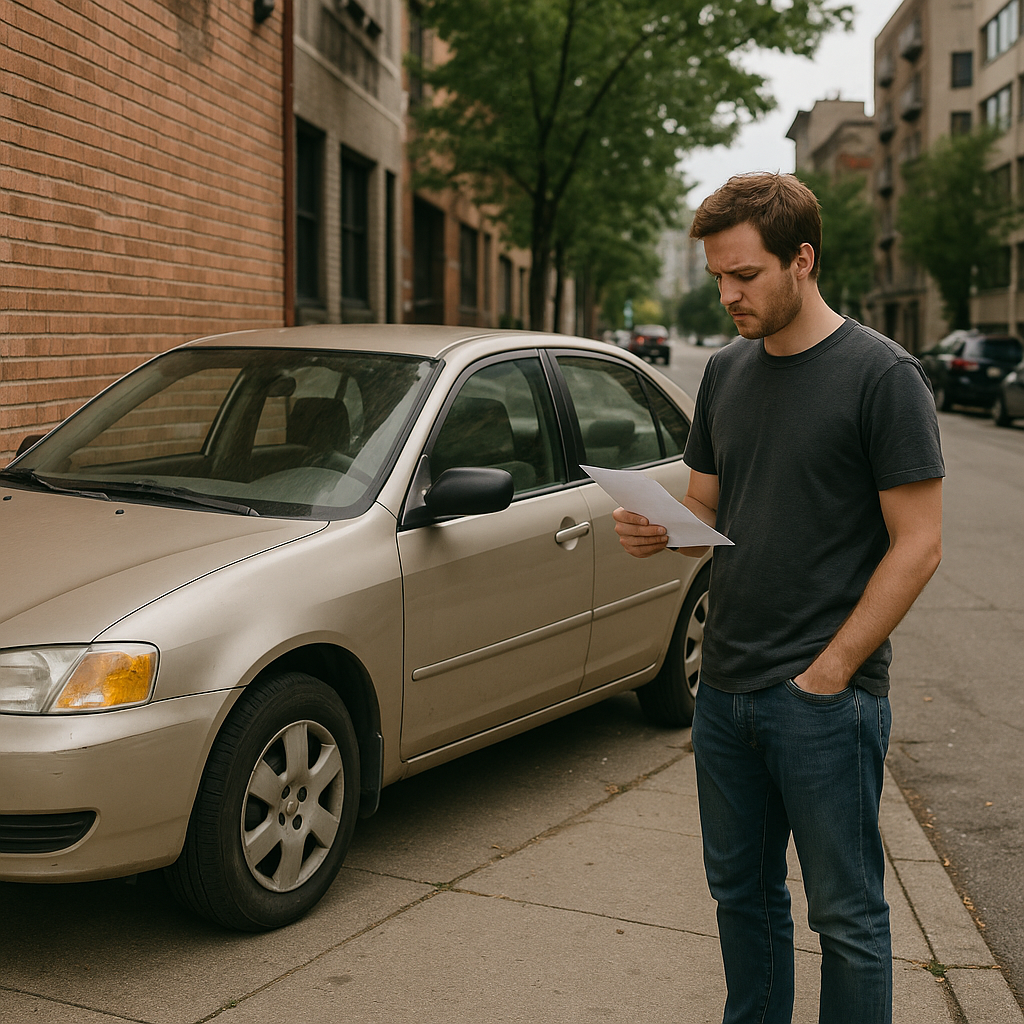
When I went fully remote, I didn't immediately sell my car. I told myself it was optionality: weekends, errands, the random dentist appointment across town. But the car wasn't just sitting there patiently waiting to be useful. It was quietly costing me money in a way I used to tolerate because I was "getting value" from a daily commute.
Here's where location changes everything you own: in a transit-heavy city, a car you drive twice a week can be a straight-up burden. Street parking dings add up. Insurance may cost more or less after a move, depending on factors such as local accident rates, theft rates, traffic conditions, coverage requirements, and other risks. The risk of theft and vandalism can also affect the cost of keeping a car in some neighborhoods. Vehicle depreciation continues even when mileage falls, although age, condition, mileage, market demand, and location all influence resale value. Meanwhile, if you move to a place where everyone drives, and distances are bigger, that same car becomes more valuable even if you still don't commute. Suddenly, it's not a luxury; it's how you function. The market for used cars can be wildly different, too. In one area, buyers want an all-wheel-drive Subaru because winter is serious. Somewhere else, people are hunting for a small hybrid because parking is tight and gas prices sting. The usefulness and resale appeal of the same vehicle can change substantially by region.
I now do a remote-work check every time my lease is up or I'm tempted by a new-to-me car: what does my week look like in this place, specifically? Am I doing daycare runs, grocery hauls, or quick coffee meetups with coworkers who are also remote? Or am I paying for the ability to drive, while I mostly walk and take Ubers? If you're relocating for work, run this before you sign anything: look up the average parking cost near your new home, the insurance quote at that address, and how easy it is to live car-light. The car itself didn't change. Your location rewrites the math. And once you see it, it's hard to unsee it every time you glance at a monthly payment.
A move can change how far your paycheck goes

Remote work makes it tempting to think your life is the same, just elsewhere. It's not. The same paycheck lands differently depending on where you log in, and that changes the value of things you already own because it changes what you can afford to replace, repair, and upgrade.
I'll make it concrete. When I moved from a high-cost city to a smaller market, my old furniture went from starter-apartment stuff to perfectly acceptable because the space got bigger and the pressure to have a curated look dropped fast. I stopped impulse-upgrading chairs and lighting because I wasn't trying to make 600 square feet feel intentional. That meant my existing items lasted longer, which is a kind of value people don't talk about. On the flip side, I had to spend on things I never needed before: a real desk (not a kitchen table), a decent router and mesh system, and a backup power plan because the local grid had more outages. A $40 surge protector suddenly mattered more than a new throw pillow.
This is also where the remote-work administrative stuff gets real. Moving can change your state and local tax situation, while some employers also adjust compensation according to an employee's work location. Employers take different approaches: some use an employee's location or geographic pay zones, while others use national or company-based salary structures. A relocation can therefore change both household expenses and compensation, so it belongs in the financial calculation. If your pay stays the same and your costs drop, you can finally replace the dying phone battery, refresh the tires before they're bald, or buy the ergonomic chair you kept putting off. If pay drops with the move, you might need to squeeze more life out of what you have: repairing instead of replacing, buying used gear locally, or picking an internet plan that's stable rather than just fast on paper.
The trick I use is simple: I list the five things I rely on every workday (laptop, chair, desk, internet, phone) and the three things that quietly drain me (car, rent, utilities). Then I compare those costs and risks at the new location. For remote workers who relocate, geography can change household costs, transportation needs, local resale demand, and the value of their existing possessions.