
For serious art collectors, storage, lighting, and usable wall space can matter more in a home search than most listings acknowledge.
The flat file test: can you store paper like a pro?
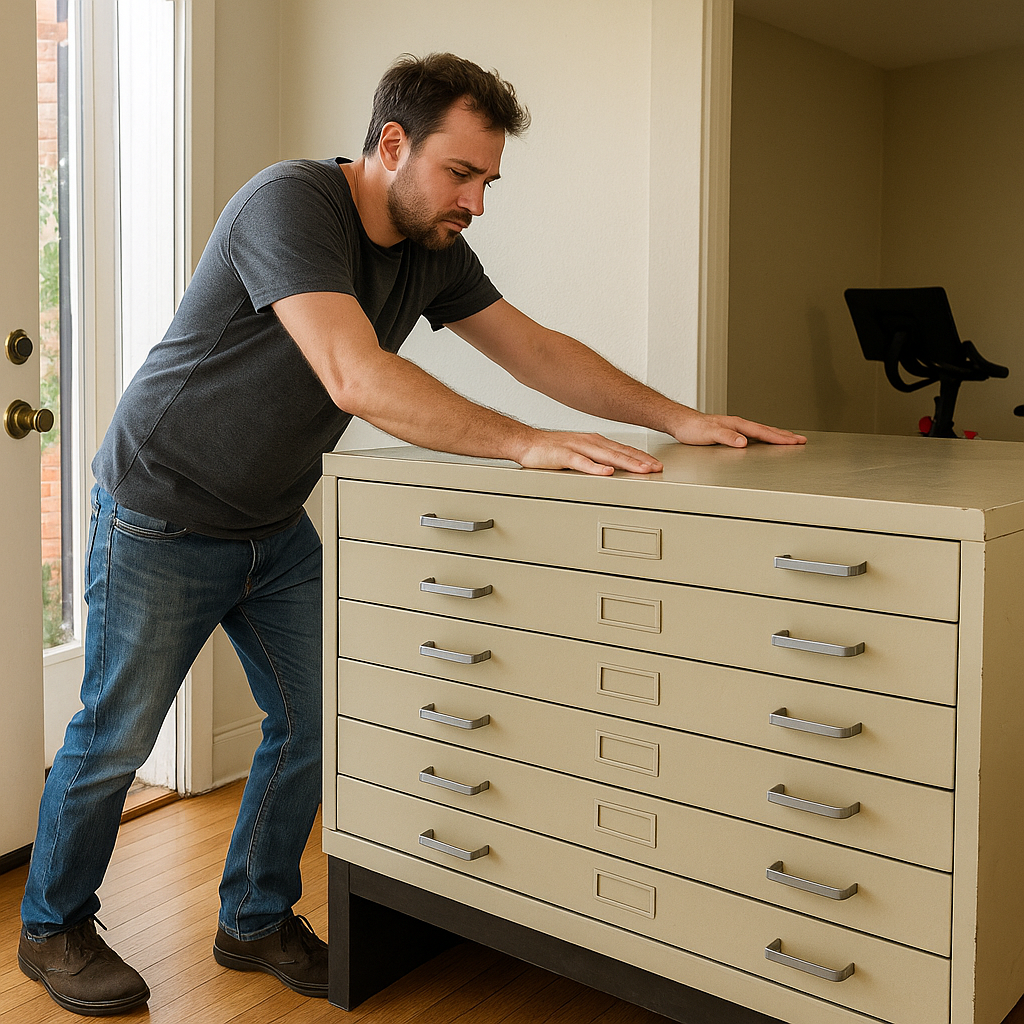
If you collect works on paper (prints, drawings, posters you swear you're going to frame, that one ridiculous-but-perfect zine you grabbed at a show), the piece of furniture that ends up running your housing search isn't the dining table. It's the flat file. Mine is a used five-drawer behemoth that takes 45 minutes to move and exactly zero seconds to ruin your mood when you realize it doesn't fit anywhere sensible.
Here's the practical test I wish I'd run before I bought my last place: pick the largest work on paper you own and figure out how much flat or otherwise appropriate archival storage it actually requires. Not leaning unprotected in a corner or stuffed behind the coats. Properly supported, protected from light, and kept in a stable environment. A typical flat file is deep and heavy, and it wants a wall that's square and uninterrupted. If your only option is the guest room that doubles as the Peloton parking spot, you're going to resent every overnight visitor.
When you tour a home, look for one stretch that can handle: (1) the cabinet footprint, (2) a clear path to slide drawers fully open, and (3) a climate that doesn't swing wildly. I'm not trying to be precious, but paper hates damp basements and that sunny nook that hits 85 degrees by noon. And don't forget the boring part: can you get the cabinet in? Measure the stairwell width, the landing turns, and the front door. If you've ever watched movers pivot a 200-plus-pound metal box while you hover, holding your breath like it helps, you know why this matters.
For artists, dealers, curators, or collectors whose work overlaps with their collection, organized storage can also make professional tasks easier. The same drawer that protects a print also keeps your inventory, provenance notes, and exhibition ephemera in one place, so you can respond to an opportunity email without tearing the house apart.
Lighting that flatters art and keeps you camera-ready
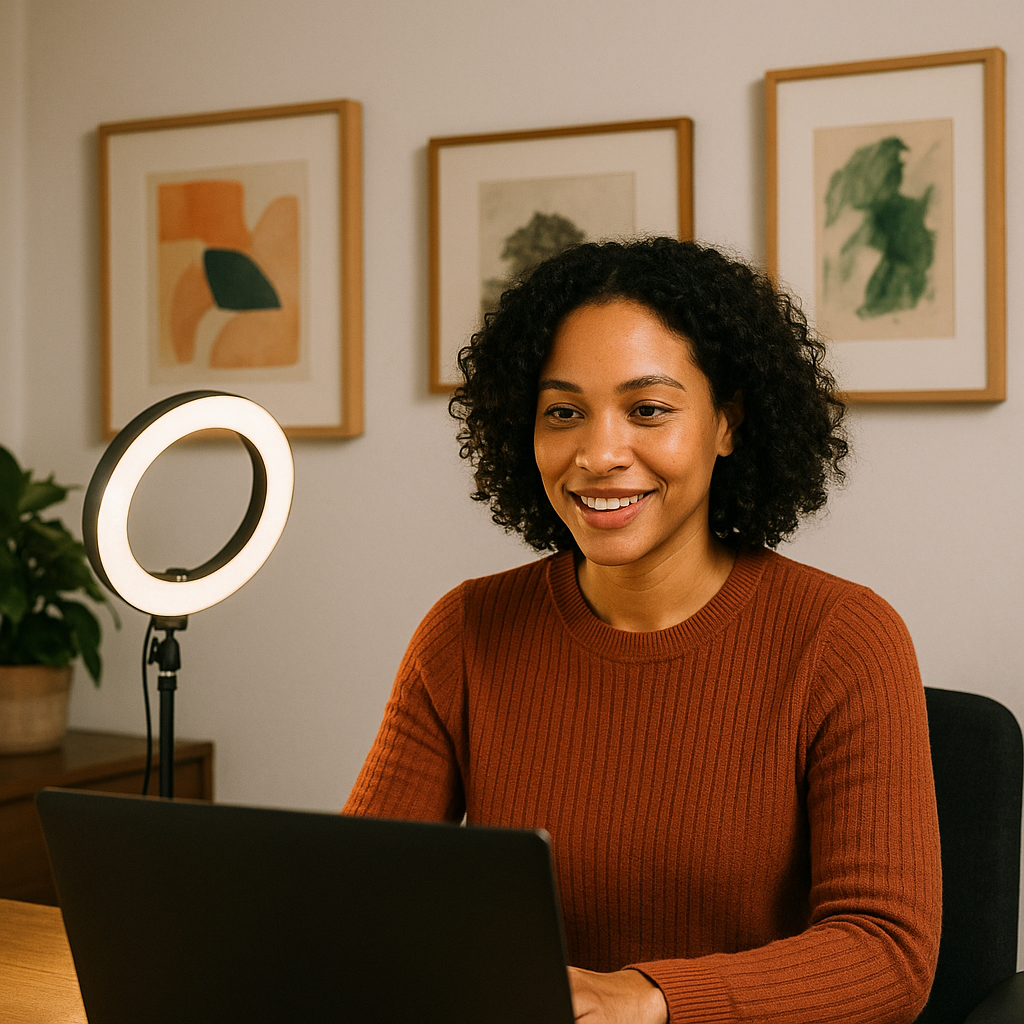
I didn't realize how much my collection was doing career work for me until I started taking more video calls from home. A clean background isn't just a ring light and a plant. It's also whether the art behind you reads as crisp and intentional, or gets lost in glare and reflections. The home you buy can either make that easy or make you fight it every single day.
Walk through a listing and pay attention to where the natural light falls at 9 a.m. and again in the late afternoon. Big windows are great until they hit your framed pieces like a spotlight. Light exposure is also a conservation issue (I'm not claiming you can solve conservation with vibes), while glare and reflections can make the same wall frustrating for calls, studio shots, or quick documentation photos. I sometimes use a phone light-meter app to compare brighter and darker spots, but I treat it as a rough guide rather than a conservation tool. For valuable works on paper, direct or intense light and cumulative exposure matter far more than a quick phone reading.
For artificial light, I look for ceilings that can take track lighting or at least a couple of solid fixtures. I've had better luck with adjustable tracks than with a single overhead dome that makes everything look like a hospital hallway. If you're shopping for bulbs, the boring spec that matters is color rendering. High-CRI LEDs can reproduce colors more faithfully, which is useful for viewing artwork and appearing natural on camera. The Department of Energy describes CRI 90 or higher as excellent color fidelity. That helps the art, but it also helps you when you hop on a call without thinking. I've used LED panels from brands like Aputure for filming, and the same logic applies at a smaller scale in a home office: consistent light beats dramatic light.
One more thing people skip: outlet placement. If the only plug is behind the sofa, you end up with cords snaking across the room, or you stop using the good lights you bought. A house that's friendly to lighting is a house that's friendly to showing up professionally, whether you're pitching, interviewing, or quietly building a personal brand that doesn't feel forced.
A wall you can patch, repaint, and rotate on a Friday
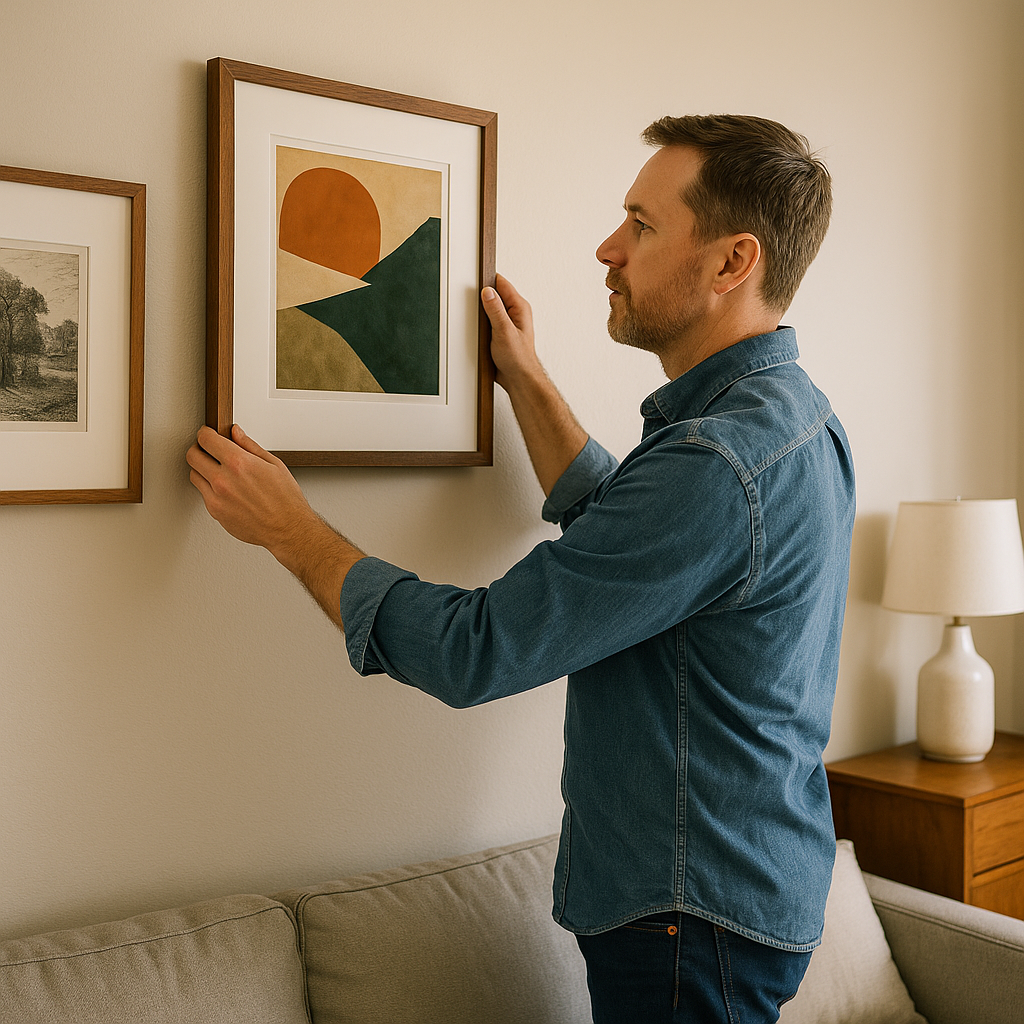
Collectors talk about acquisitions, but the day-to-day reality is rotation. If your walls are precious, you stop rotating. For someone whose professional life involves art or design, rotating pieces can also refresh a home workspace and make more of the collection visible.
When I'm touring a place, I'm not only looking at wall space. I'm looking at wall psychology. Are the walls the kind you'll happily patch and repaint, or are they covered in fussy textures and dark matte finishes that show every scuff and spackle halo? Smooth drywall you can touch up is underrated. So is a simple eggshell paint in a neutral tone, because it works easily with a range of frames without competing visually with the art.
I also check what's behind the paint. Plaster can be beautiful, but it changes the game of hanging. If it's older lath-and-plaster, you'll want to use the right anchors or find studs, and you might not feel like doing that on a weeknight. Drywall is forgiving. If you want a low-drama setup, plan a picture rail or a track system in one room so you can swap pieces without turning the floor into a hardware store. In my current place, I keep a tiny kit in a drawer: a stud finder, a tape measure, a handful of hooks, and a small tub of spackle. I can change a wall in an hour, clean up, and be on a call Monday with a different vibe behind me.
Yes, there are no-hole options. I use 3M Command strips for small frames when I'm testing a layout, but I don't pretend adhesive is a miracle for heavier pieces or humid rooms. The point isn't to avoid holes forever. It's to buy a home where hanging art feels normal, not like you're committing a crime against the property. That flexibility can make it easier to rotate and enjoy the collection rather than leave the same pieces on the wall indefinitely.