
The best way to prepare a future leader is to pass on the judgment behind difficult decisions: how you assess risk, handle sensitive deals, prepare for high-stakes meetings, and decide what deserves attention. These three mentorship practices can help you transfer that knowledge before you step aside.
Use Decision Notes to Pass On Executive Judgment

After a tough decision, I send a note of no more than five lines to the person I'm preparing to take on the role, usually a VP or director who already has the room's trust.
My format includes: (1) what I decided, (2) what I almost decided and why I didn't, (3) the constraint that mattered most (covenant headroom, a customer concentration risk, a key-person dependency, a regulator's concern), (4) what I would watch for in the next two weeks, and (5) one sentence on how I'd explain it to our board chair in plain English.
The note preserves the reasoning behind the decision, including how I weighed competing risks. I save each note in a folder so I can review them with the mentee later. After a few months, we can look back at several decisions and discuss how their judgment has developed: what risks they noticed, what they prioritized, and where their thinking has changed. Over time, they begin to recognize the same constraints and tradeoffs on their own. Ultimately, I want them to develop the judgment they need to make difficult decisions without relying on me.
Use Live Deals to Teach the Next Leader How to Make Decisions
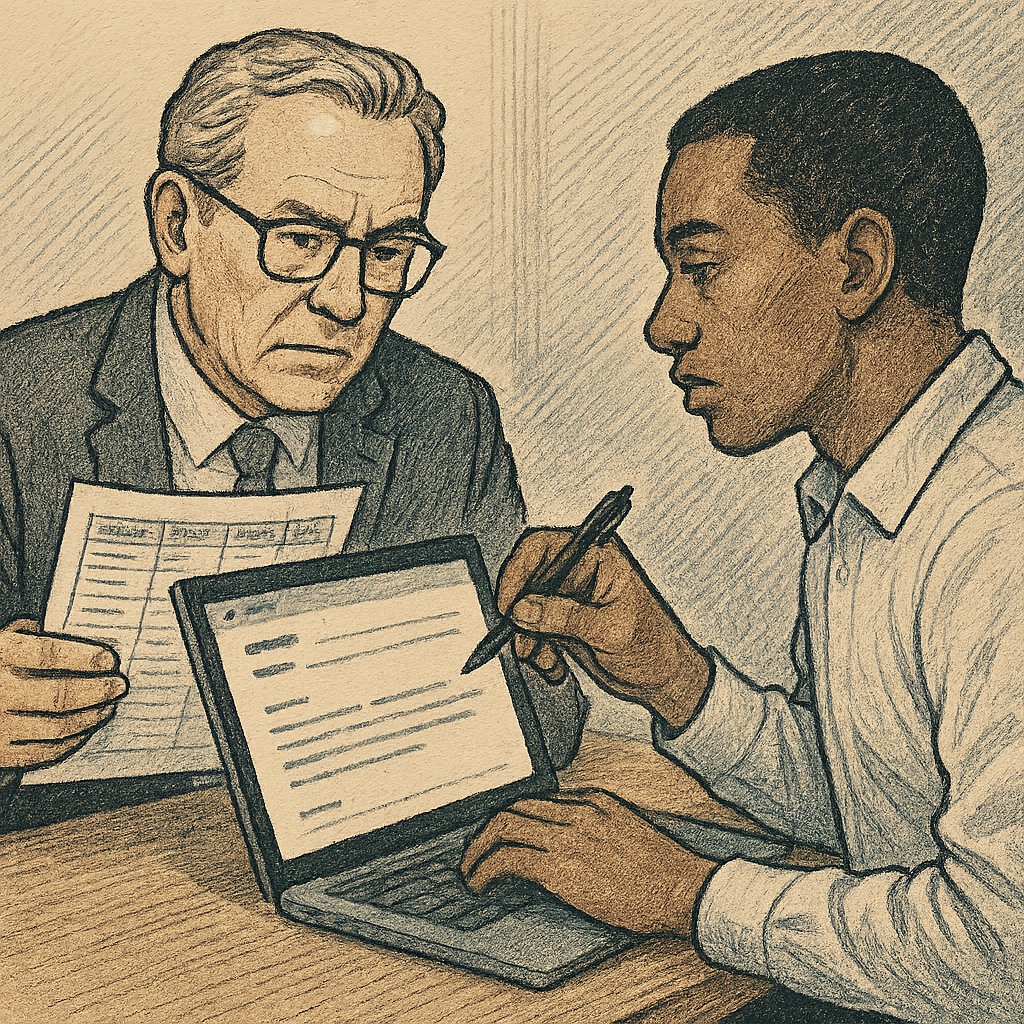
Well-intended mentoring meetings can easily become conversations about career goals, visibility, or the latest business book. Those conversations have value, but they don't necessarily teach someone how to handle the decisions they will face in the role. A better approach is to use active deals and current problems as the basis for mentoring, so the next leader can learn how you assess risks, solve problems, and make decisions.
That's why I use a deal log for mentoring sessions. It's a simple spreadsheet that tracks the counterparty, the deal stage, the biggest risk, who is responsible for the decision, and the key question that still needs an answer. The mentee brings the log to the meeting. If everything looks positive, I ask to see their latest internal update or CRM notes. This helps us identify risks or unanswered questions that may not appear in the summary.
Then we work on one important piece of communication. It might be an email to a lender explaining why we need to amend a loan covenant, a call script for a founder discussing a partnership with control terms, or a short briefing for the audit committee that clearly explains a sensitive issue. We read it aloud because a message that sounds neutral to the writer can come across very differently to the person receiving it. The exercise teaches the mentee how to communicate clearly and handle sensitive situations without escalating them.
Let Future Leaders Run Meetings While You Coach Behind the Scenes
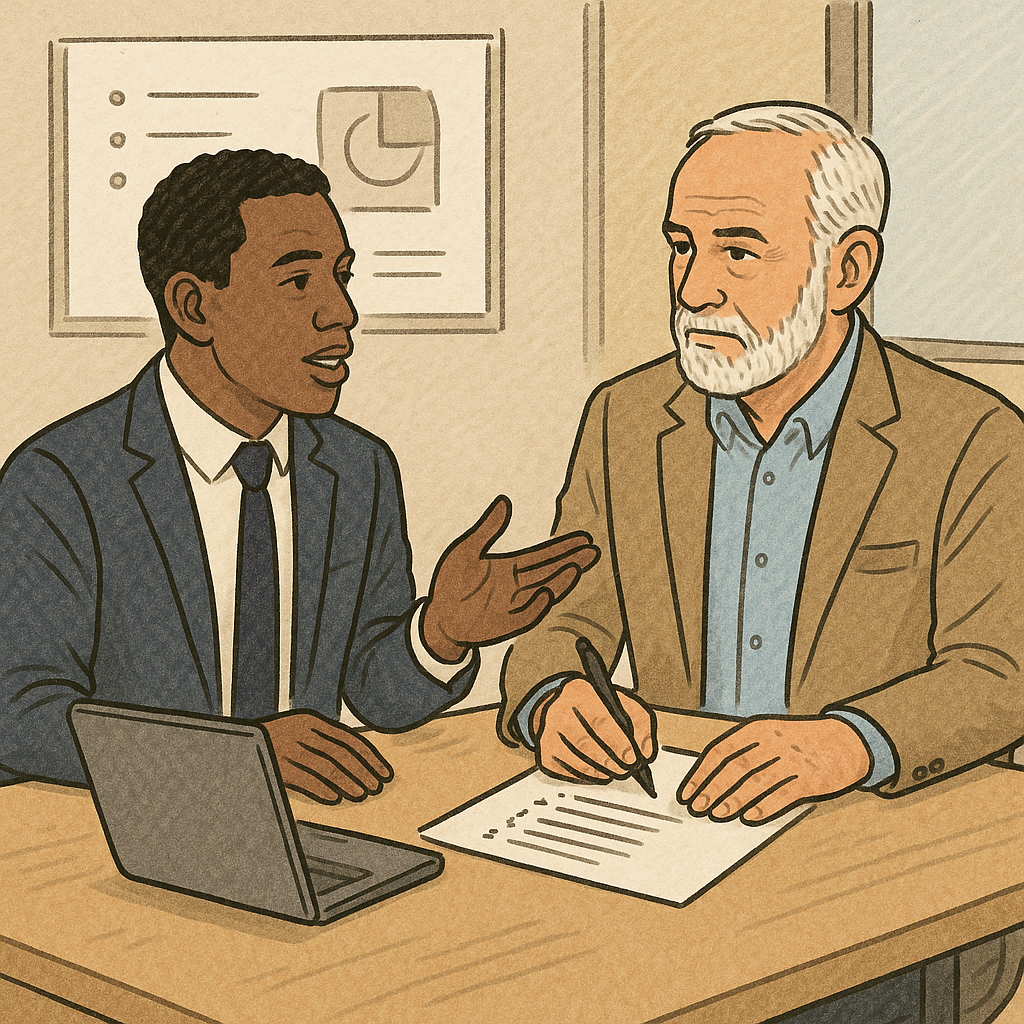
Most executives are willing to let a rising leader run a meeting. What they often keep to themselves, however, is the preparation that happens beforehand. That preparation includes knowing who needs to be consulted, which concerns are likely to cause problems, how to structure the discussion, and which questions from Legal need a clear answer. Sharing this preparation helps the next leader understand how to manage the people, competing interests, and decisions surrounding the meeting.
When I'm mentoring for continuity, I divide the handoff into two parts. First, the mentee takes responsibility for the meeting: they send the calendar invite, prepare the agenda, lead the discussion, and handle questions and difficult moments. I stay in the background and step in only if the discussion starts to go off track.
Second, 24 hours before, we hold a 15-minute pre-brief that's non-negotiable. It's a quick run through of: (1) the meeting's true decision (not the stated purpose), (2) who's likely to resist and what concerns are driving their position, (3) what we are not deciding today, (4) what data point we trust most, and (5) what I'll do if someone tries to pull us into a side fight.
After the meeting, I ask the mentee for two things while it's still fresh: a one-paragraph recap email they would send, and a list of the three moments where they felt the room shift. Over time, they stop needing me for the pre-brief because they start doing it themselves, instinctively, before any high-stakes meeting. That's when I know they can apply the same judgment without me.