Earth Is Mostly Liquid But These Specific Fluids Are The Most Expensive On The Planet
We all rely on water for almost everything, yet it rarely comes up when the conversation shifts to the world’s most expensive liquids. Some liquids cost unbelievable amounts because they are extremely hard to collect or play an important role in medicine, science, or industry. Some come from animals, while others are created in labs or industrial facilities. In most cases, the price is determined by their purpose, specialized use, or the difficulty of producing them.
Deathstalker Scorpion Venom

Credit: Wikimedia Commons
A gallon of Deathstalker scorpion venom can be valued in the millions, placing it near the top of almost any list of expensive liquids. The challenge starts with the collection. A single scorpion produces only tiny amounts at a time. They help scientists study diseases and develop medical technologies. Every drop represents hours of specialized work.
Horseshoe Crab Blood

Credit: Wikimedia Commons
Horseshoe crab blood is famous for its bright blue color, but its real value lies in its ability to detect harmful bacterial toxins. Medical companies use it to test vaccines and medical devices for contamination. Hospitals and pharmaceutical manufacturers rely on this process to help ensure product safety.
Horse Semen

Credit: pexels
The market for champion horse genetics creates a surprising entry on this list. Semen collected from elite racehorses and Olympic-level competition horses can fetch extraordinary prices. Breeders invest heavily in bloodlines that have already produced winners. A single successful stallion may influence breeding programs around the world.
King Cobra Venom

Credit: Wikimedia Commons
Researchers study king cobra venom for its complex proteins and possible medical uses, including pain management research. Collecting the venom requires trained specialists and strict safety procedures because of how dangerous the snakes are. That difficulty is part of what makes the liquid so valuable.
Insulin
Credit: Wikimedia Commons
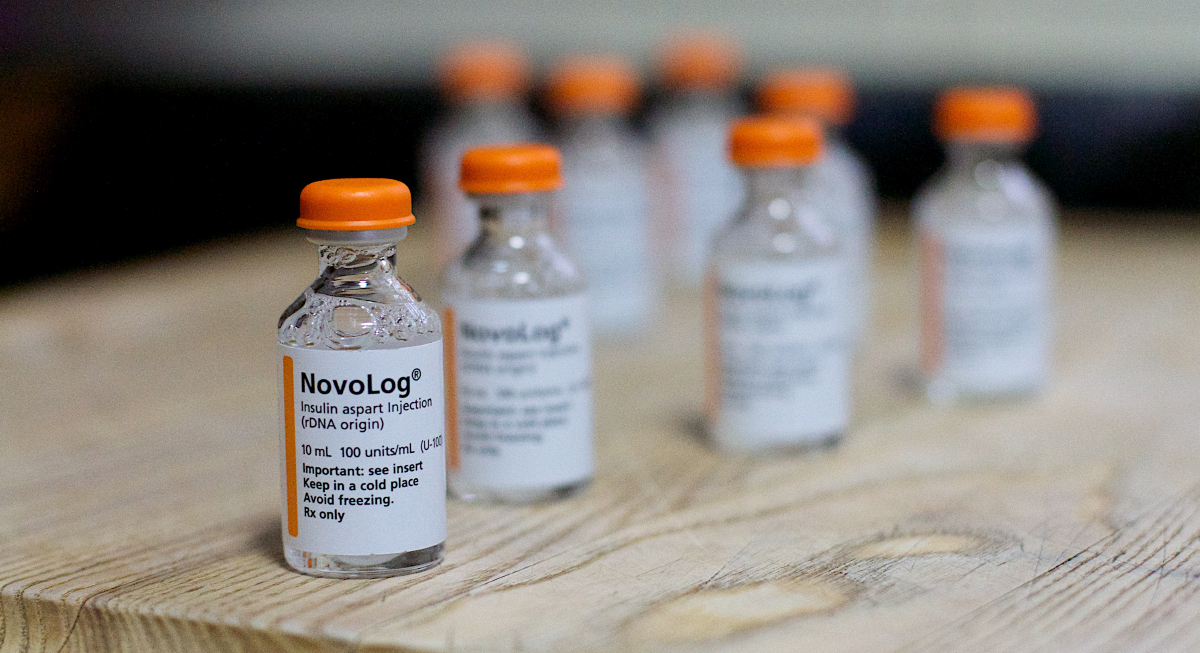
Millions of people rely on insulin every day to regulate blood sugar levels. Producing modern insulin involves advanced biotechnology, precise manufacturing standards, and extensive quality testing. The liquid itself appears ordinary in a vial, yet the process behind it is anything but simple. Demand remains constant worldwide because it is a life-sustaining medication.
Chanel No. 5
Credit: Wikimedia Commons
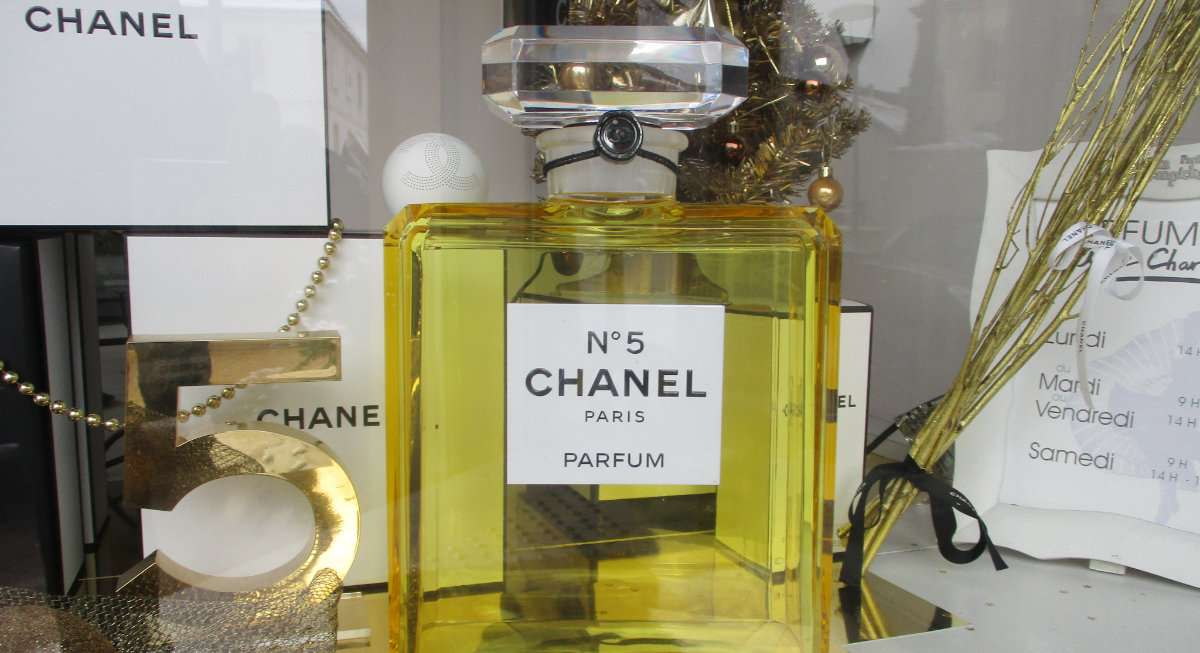
Luxury fragrances occupy a unique corner of the expensive liquids market, and Chanel No. 5 remains one of the most famous examples. Introduced more than a century ago, the perfume built its reputation through carefully selected ingredients and masterful branding. The fragrance became associated with elegance long before modern influencer culture existed.
Black Printer Ink
Credit: Ebay
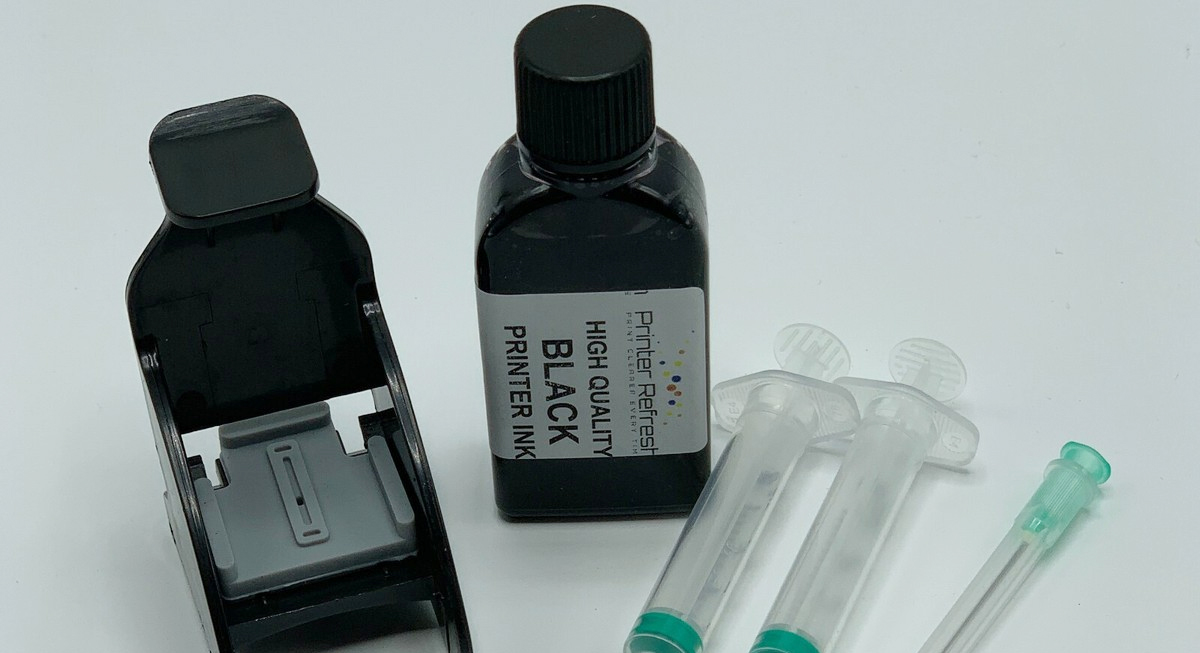
Many people discover the price of printer ink only after replacing a cartridge. By volume, premium black printer ink can rival or exceed the cost of far more glamorous substances. Manufacturers invest heavily in chemical research to develop inks that dry properly, produce sharp text, and function reliably in complex machines.
Mercury
Credit: Wikimedia Commons
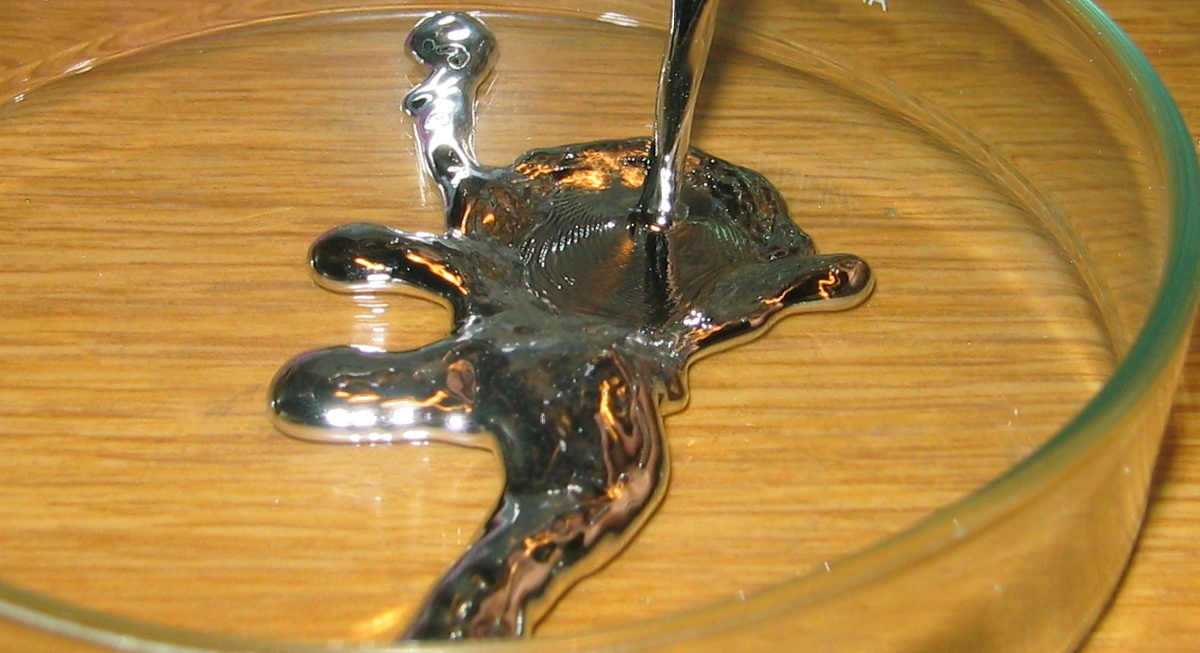
Mercury remains the only metal that exists as a liquid under normal room-temperature conditions. Its silvery appearance has fascinated people for centuries. Obtaining and refining mercury requires specialized extraction methods, often involving cinnabar ore. Industrial uses and scientific applications contribute to its value. Safety regulations have reduced many traditional uses over time.
Human Blood
Credit: Wikimedia Commons
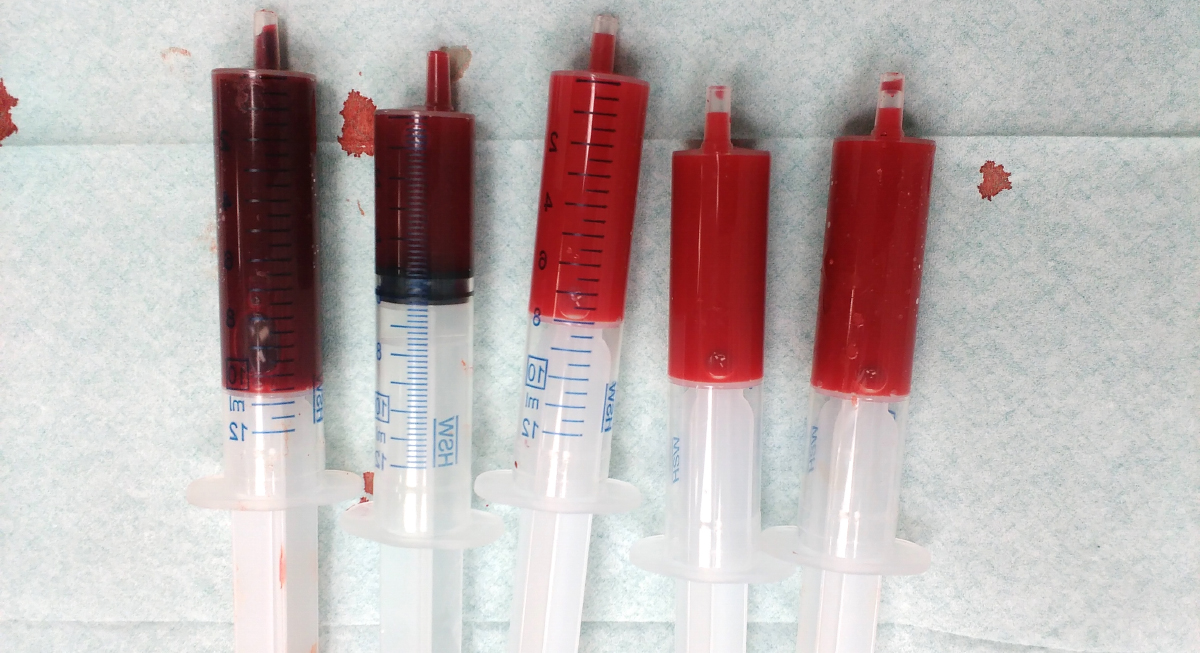
Medical facilities test every unit, separate its components, transport it under controlled conditions, and store it in accordance with strict standards. Red blood cells, plasma, and platelets all serve different purposes in patient care. The extensive infrastructure supporting these services adds high cost, making human blood a surprisingly expensive liquid despite its constant need.
Gamma-Hydroxybutyrate
Credit: Wikimedia Commons
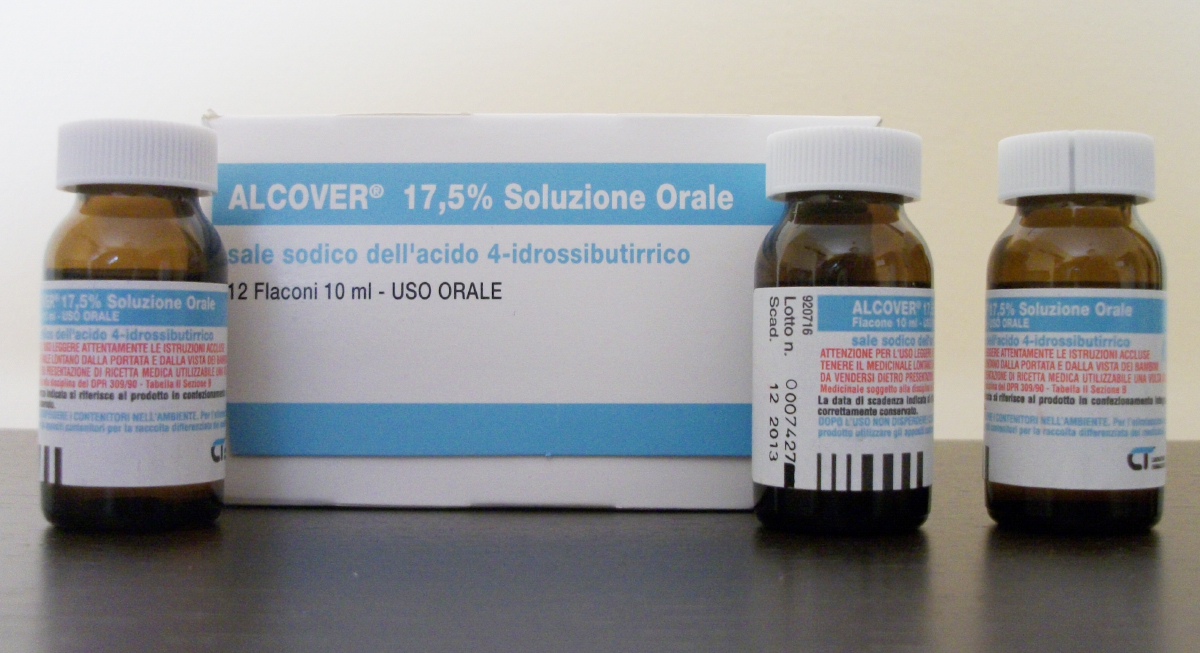
Gamma-hydroxybutyrate, often called GHB, has legitimate medical uses despite its controversial public reputation. Physicians have used it in treatments related to sleep disorders and other health conditions. Producing pharmaceutical-grade GHB requires careful manufacturing and regulation. The liquid also appears naturally in tiny amounts through certain biological and fermentation processes.