10 Things People Forget to Put in Their Wills That Change Family History Forever
Most people create a will with good intentions, then tuck it away and assume everything is taken care of. The problem is that even a well-written will can leave out details that matter most to the people left behind. A family home, a piece of jewelry, a beloved pet, or even access to online accounts can become the source of confusion and conflict. Taking the time to spell out these details now can save loved ones from difficult decisions and disagreements later.
Guardianship For Minor Children

Credit: Getty Images
Courts always focus on what is in the child’s best interests. That means naming a guardian in a will is viewed as a strong recommendation. Even so, your choice gives judges and family members clear guidance. You can also name someone else to manage the child’s inheritance. This can be helpful when the right caregiver is not the right person to handle complicated financial matters.
Care For The Pets

Credit: Canva
Your dog may feel like part of the family, but pets cannot legally inherit property. Long-lived parrots or cats that need regular medication can also place unexpected demands on relatives. A better approach is to name a trusted caretaker and set up a pet trust to fund the pet’s care. It also helps to leave clear notes about veterinary care, food preferences, medications, and daily routines.
Beneficiaries Outside The Will

Credit: Canva
Many people do not realize that some assets pass outside a will. Life insurance policies and retirement accounts usually go directly to the person listed on the beneficiary form. If those forms are outdated, the money may not end up where you intended after a divorce, remarriage, or the arrival of a child. Reviewing beneficiary designations regularly can help ensure your assets go to the right people.
Digital Assets And Online Accounts

Credit: pexels
Most people remember to leave instructions for their house, money, and belongings, but digital assets are easy to overlook. That can create real problems later. Family members may know you had online accounts, stored photos in the cloud, owned a website, or held cryptocurrency, yet have no way to access them. A better approach is to name someone you trust to handle your digital affairs and to store your account information securely, rather than including it in a will.
Family Heirlooms And Collections

Credit: Getty Images
Lawyers can easily divide bank accounts, but sentimental items are much harder to split. Things like jewelry, medals, tools, and holiday dishes carry personal stories that a price tag misses. They deserve clear instructions. Many states allow a separate signed list if your will mentions it. Giving clear directions should prevent relatives from arguing and fighting about your belongings after the funeral.
Instructions For A Family Business

Credit: Getty Images
Many business owners assume their will is enough to handle what happens to the company after they are gone. In reality, keeping a business running is often more complicated than deciding who inherits it. Someone needs the authority to pay bills, manage bank accounts, talk to clients, and support employees. That is why business agreements and succession plans often matter just as much as the will itself.
Special Needs Planning For A Loved One

Credit: Canva
A large inheritance can backfire for loved ones who rely on government benefits like Medicaid or SSI. The main problem involves strict eligibility rules. Realizing this risk, estate lawyers may recommend special needs trusts or ABLE accounts to protect those benefits. The best choice depends heavily on age, assets, and local state laws.
Burial, Cremation, And Funeral Wishes

Credit: Canva
Placing funeral wishes inside a will may cause problems. A better strategy would be to tell a trusted person or leave separate written instructions. Relatives need quick access to burial, cremation, music, and budget details. This clear plan helps lower the chance that grieving family members argue over final choices. The will can then handle the actual costs.
Real Estate Shared By Multiple Relatives

Credit: Canva
Owning family land sounds wonderful until tax bills arrive. An inherited house requires clear plans for maintenance, usage rights, and potential buyouts. Family dynamics may complicate things. One heir might want weekend visits, another wants immediate cash, and a third lives too far away to care. Using trusts, special deeds, or written sale instructions could simplify things.
Personal History And Family Records
Credit: Canva
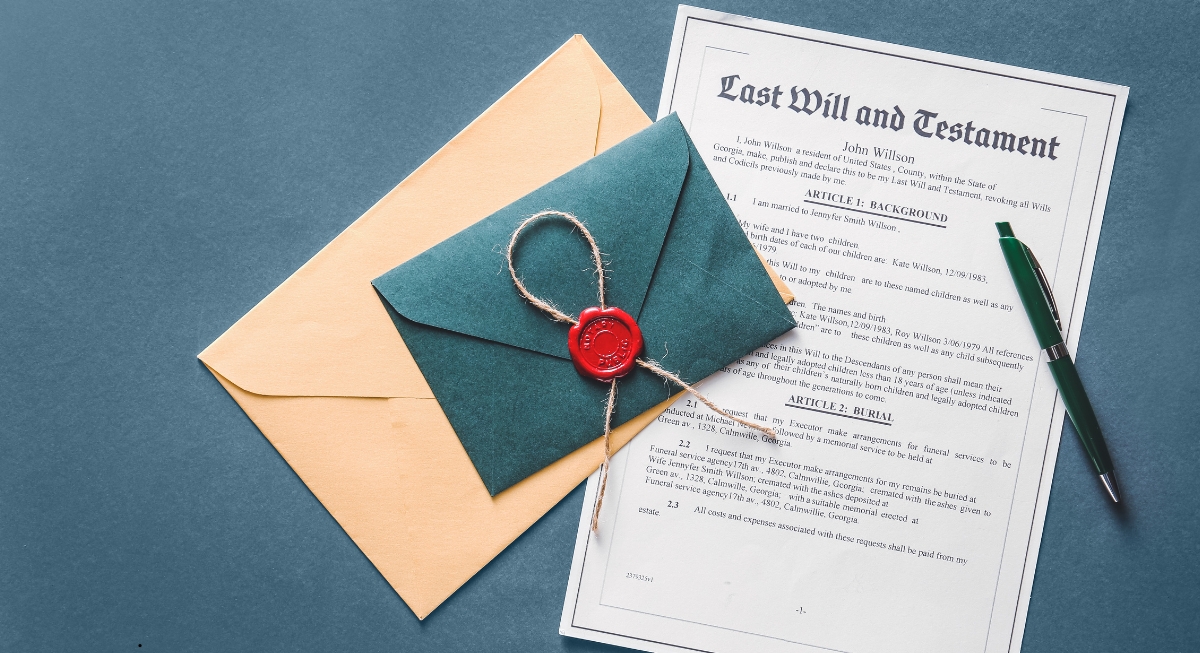
Old recipe cards tell future relatives more than spreadsheets ever will. Important family items like letters, journals, photo albums, and military papers need a designated owner. You can name this keeper in the will or write a separate letter about sharing copies. Without a plan, the loudest person might take everything. Lost records may permanently erase history that could benefit future generations.