10 Items You Should Remove from Your Wallet Immediately
Most people carry more in their wallets than they actually need. A few extra cards, an old receipt, maybe a backup key—it all adds up. But some of these items do more than take up space. They increase your risk for identity theft, financial loss, or home break-ins.
If your wallet ever goes missing, what’s inside can cause real problems fast. Security specialists suggest regular cleanouts for a reason. These ten items are easy to overlook, but removing them can spare you serious trouble later.
Social Security Card
Credit: Getty Images
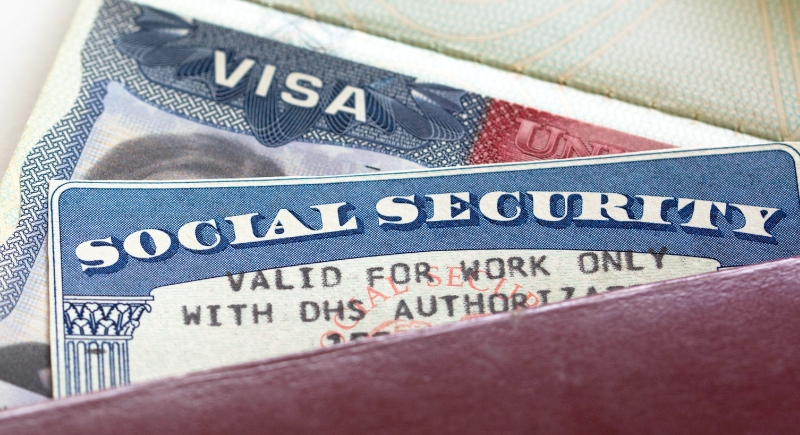
Your social security card is an open door to identity theft. It contains the one number that unlocks financial, tax, and medical records. And unlike a credit card, you can’t freeze or cancel it. Unless you’re filling out official paperwork, it should stay locked away at home.
Medicare Card
Credit: Getty Images
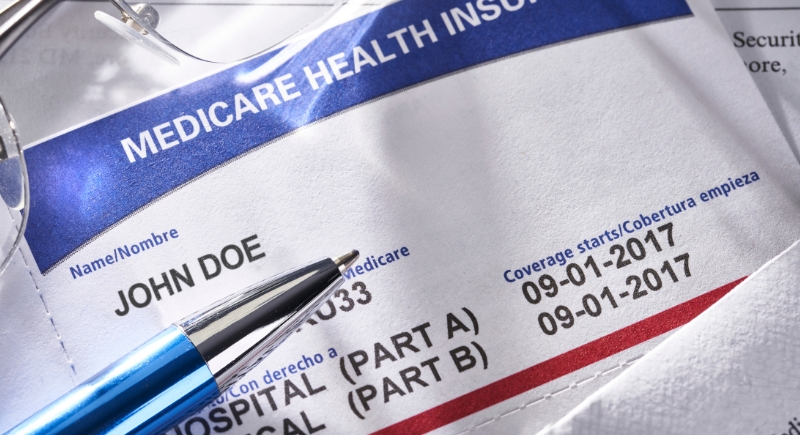
The old-style Medicare cards included your full Social Security number, and though updated versions are better, they’re still a goldmine for healthcare fraud. It’s safer to bring the card only when you have an appointment and return it to secure storage afterward.
Spare House Key
Credit: Canva
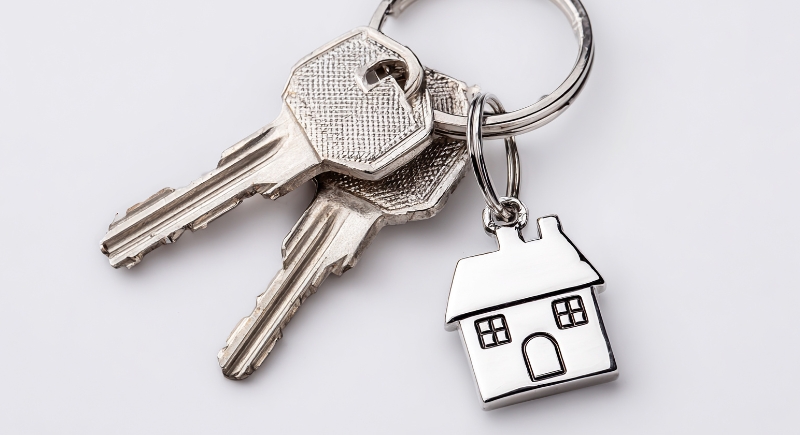
A wallet often includes a driver’s license with your address. Pairing that with a house key gives thieves immediate physical access. Burglaries linked to lost wallets occur because criminals seek simple opportunities. Store spare keys with someone you trust instead of carrying them daily.
Written Passwords Or PINs
Credit: Canva
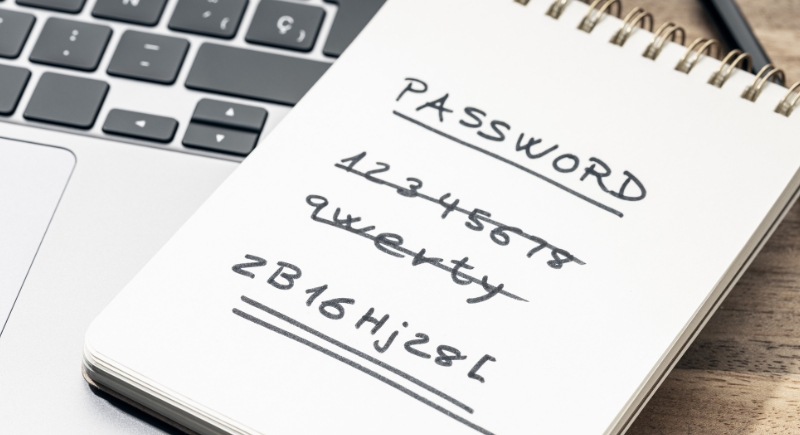
Jotting down passwords or PINs on a slip of paper sounds helpful until that paper ends up in the wrong hands. A thief doesn’t need much to start draining accounts. Use a password manager, or memorize the details if possible, instead of carrying a shortcut to your security.
Passport Or Passport Card
Credit: Prime Stock
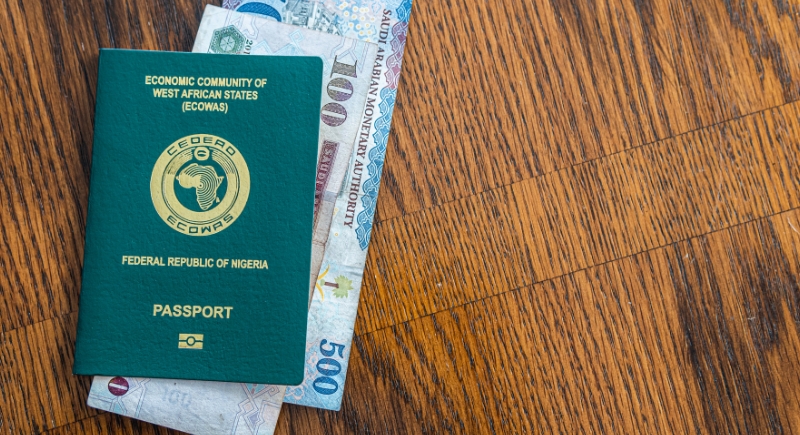
Passports are among the most sought-after forms of ID on the black market. Once stolen, they’re used to create fake identities, open accounts, or worse. Unless you’re traveling across borders, leave this document in a secure place at home where no one can swipe it.
Excess Credit Cards
Credit: Canva
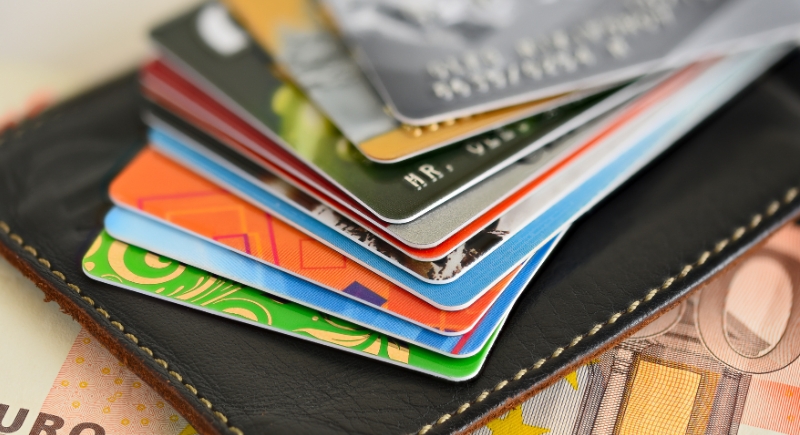
Each additional card expands how much damage a thief can cause before detection. Fraud alerts may trigger quickly on one account, but multiple cards allow wider losses. Carrying one primary card limits exposure and simplifies response if something goes wrong.
Blank Checks
Credit: Getty Images
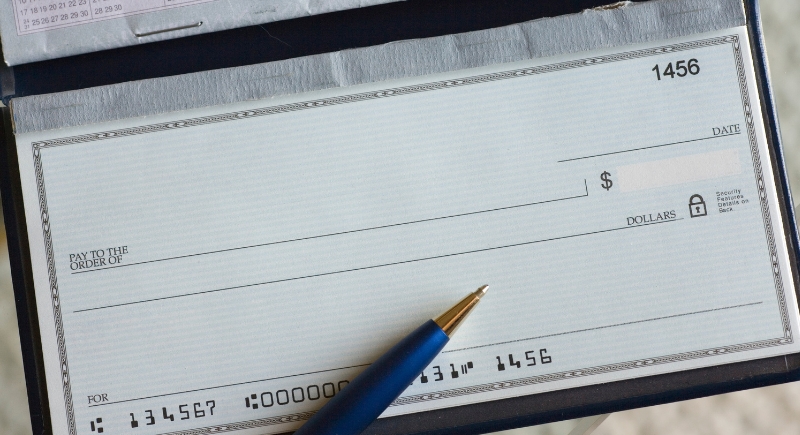
A check contains your bank’s routing number and your account number, which is everything someone needs to transfer funds. It doesn’t matter that it’s unsigned. Checks are easier to exploit than most people think, especially in an age where handwritten signatures matter less than digital data.
Gift Cards With Balances
Credit: Getty Images
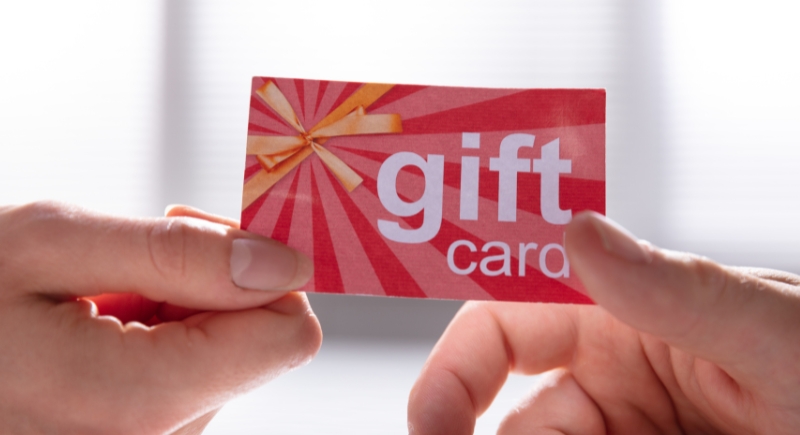
Unlike credit cards, gift cards offer zero protection if stolen. Anyone who picks it up can use it immediately, no questions asked. If you have a card with a remaining balance, store it safely at home until you’re actually ready to spend it.
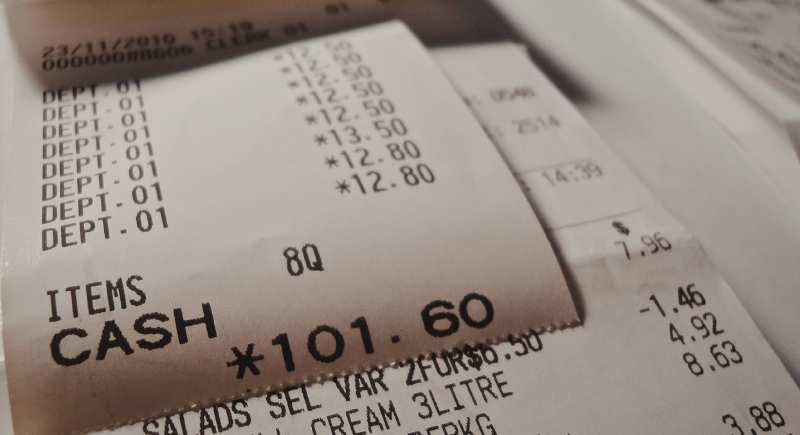
Old Receipts
Credit: Canva
Receipts reveal spending patterns, store locations, and partial card numbers. Fraudsters combine these details to build convincing scams or bypass transaction monitoring. Shredding receipts or storing them digitally removes information that criminals frequently exploit.
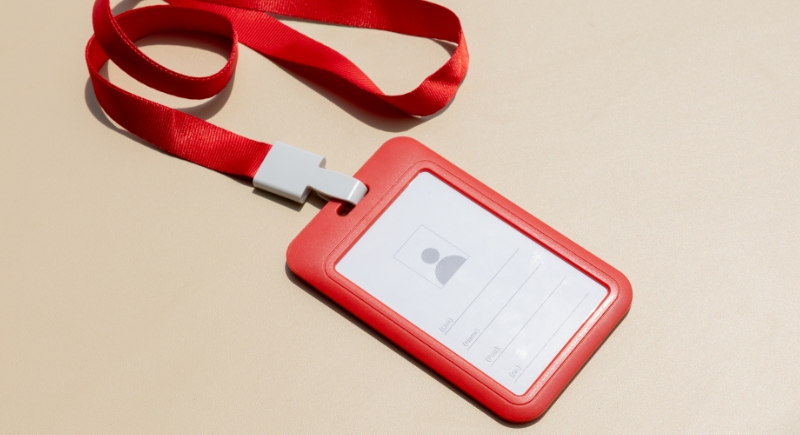
Work ID Or Access Badge
Credit: Canva
Losing a company badge isn’t just awkward. It could also be a security issue. Many IDs include barcodes or chips that allow building access or connect to internal networks. Keep your badge somewhere separate from your wallet to avoid accidental exposure or theft.