What $1,000 Could Actually Buy You in the ’50s
During the ‘50s, $1,000 carried the kind of weight that now sounds unreal. Inflation calculators estimate that the amount equals roughly $10,000 to over $12,000 today. That 10x to 12x shift shows how decades of inflation reshaped purchasing power. Back then, four figures could change your life, but today, it covers a few bills.
A Degree

Credit: Canva
Can you see yourself ever paying $1,000 and covering an entire academic year? In the mid-1950s, tuition at many colleges cost only a few hundred dollars annually. That amount could fund a full year and sometimes stretch further depending on the school. Higher education consumed a smaller share of household income than it does now, as tuition inflation has since far outpaced overall inflation.
3,073 Gallons of Gas

Credit: Canva
In the mid-1950s, gas averaged about 23 cents per gallon. With a new car costing around $1,900 in 1955, that same amount of money could buy roughly 3,073 gallons of fuel. Most cars got about 15 miles per gallon, and the 1956 Interstate Highway Act expanded driving nationwide. Today, fuel and commuting costs claim a far larger share of household budgets.
116 Nights in a Hotel

Credit: Getty Images
Extended stays were somehow surprisingly attainable for middle-class travelers, with average hotel rooms often costing between $7 and $9 per night. Commercial air travel was expanding after World War II, yet many families still relied on road trips and affordable roadside motels. Today, average U.S. hotel rates often exceed $150 per night in major cities, so even $10,000 disappears far faster than it once did.
1,538 Movie Tickets

Credit: pexels
In the 1950s, a night at the movies cost about 65 cents, so $1,000 could buy roughly 1,538 tickets. Going to the theater was a weekly habit for many families, and annual attendance reached into the billions. Drive-ins thrived too, with more than 4,000 operating nationwide. Today, with tickets often topping $10, that same money covers far fewer trips.
1,120 Gallons of Milk

Credit: Canva
Staple groceries placed far less strain on household budgets in the 1950s. Milk averaged about $0.89 per gallon in the mid-decade, and the typical American drank close to 30 gallons of milk per year. That amount could supply one person for decades! Food spending accounted for a larger share of income overall than it does today, yet individual staple prices rose more gradually than in later decades.
5,263 McDonald’s Cheeseburgers
Credit: Canva
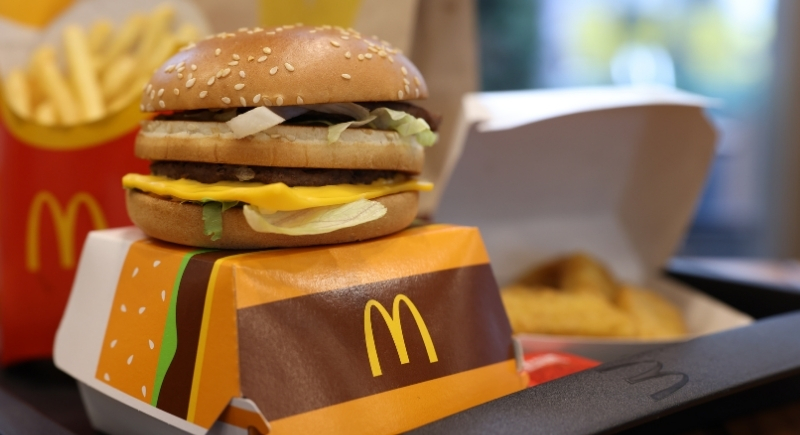
Since today’s average fast-food burger prices often exceed $2, it can be hard to believe that the McDonald’s cheeseburgers sold for only about $0.19. Their original menu was famously simple, featuring burgers, fries, and shakes, all designed for speed and low cost. Ray Kroc began franchising the chain in 1955, and by 1959, more than 100 locations were operating across the United States. The streamlined “Speedee Service System” kept prices low and orders moving fast.
182 Date Nights

Credit: Getty Images
Romance in the 1950s did not require careful budgeting. A typical dinner for two cost around $5, and with movie tickets averaging about 65 cents, a full evening often stayed under $6 in many cities. At that rate, $1,000 could pay for roughly 182 date nights. Today, dinner and a movie can easily run over $75 in many places.
50 Days in Hospital

Credit: Getty Images
Employer-sponsored health insurance expanded rapidly after World War II, and programs like Blue Cross helped standardize coverage. Total U.S. healthcare spending accounted for roughly 5% of GDP in 1960. A decade earlier, the average cost of a hospital room was around $20 per day, so $1,000 could cover about 50 days of care. As opposed to present-day America, hospital stays came with far less financial shock back then.
13 Months of Rent

Credit: Canva
Even housing had felt within reach on a modest budget, as median monthly rent in many U.S. cities ranged from $70 to $80. Moreover, the median home price in 1955 was around $18,000, and a 20% down payment often required less than $4,000. Mortgage terms were shorter, yet wages enabled many single-income households to own. Since then, home prices have risen far faster than incomes in numerous markets.