10 Ways Walmart and Amazon Are Competing to Speed Up Deliveries to Rural America
Fast delivery used to be a perk mostly associated with big cities. Rural communities often had to wait longer because homes were located farther apart and delivery routes cost more to operate. However, that gap is now shrinking. Walmart and Amazon have turned small towns into one of retail’s biggest battlegrounds. New technology and changing population trends are helping both companies bring orders to customers faster than many people thought possible just a few years ago.
Rural America Became A Major Prize
Credit: Wikimedia Commons
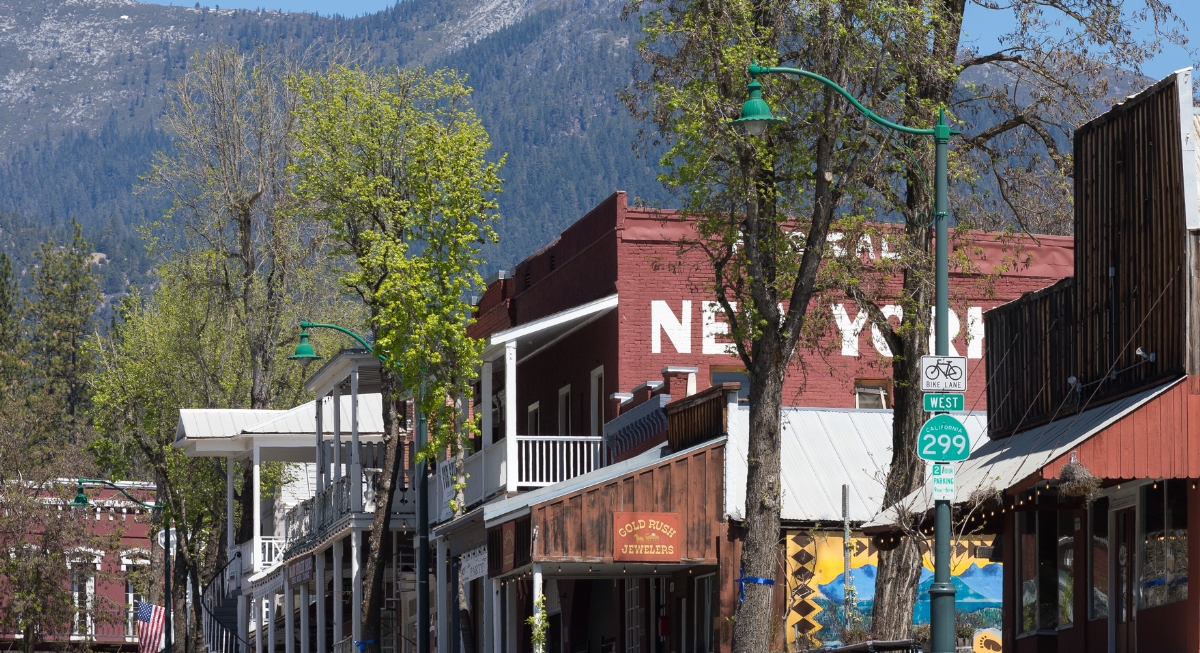
For years, large retailers focused heavily on dense urban markets. Rural areas were harder to serve and less financially attractive. That picture changed as incomes increased in many rural counties and more remote workers moved beyond major cities. Morgan Stanley estimates rural shoppers spend about $1 trillion annually on merchandise.
Walmart Starts With A Huge Geographic Advantage
Credit: Wikimedia Commons
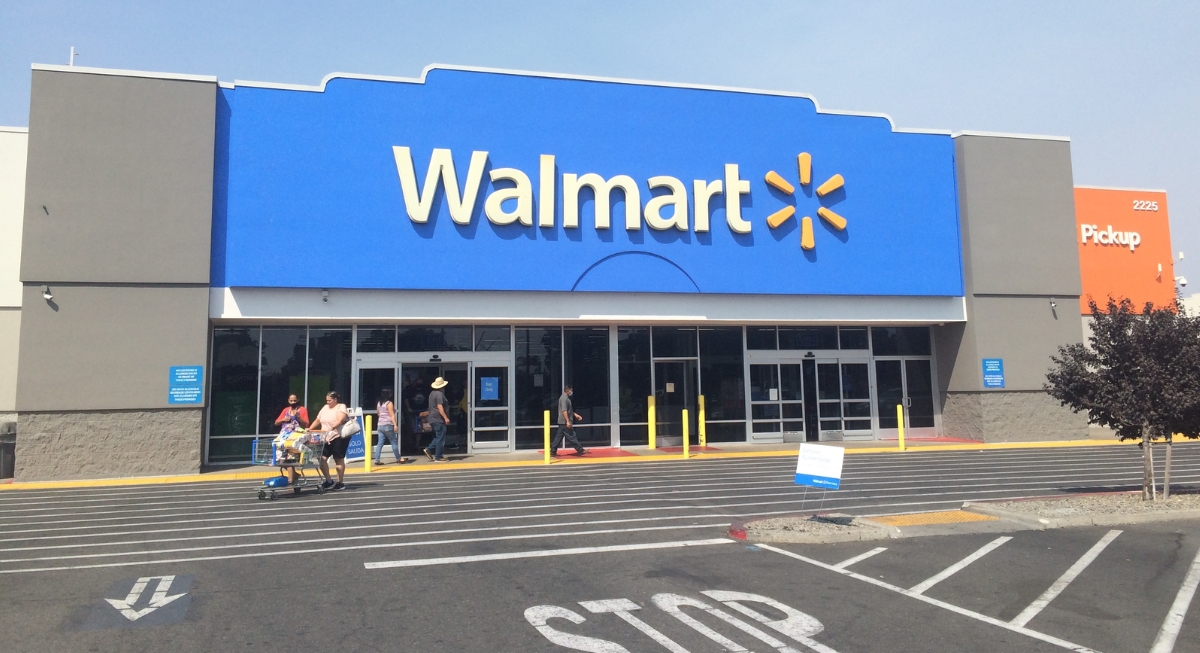
Walmart starts with a major geographic advantage. It built its store network across the US long before online shopping took off, and that now supports its delivery and pickup system. About 90 percent of Americans live within ten miles of a Walmart store. Nearly half of its Supercenters are in communities with fewer than 20,000 people.
Amazon Is Building Smaller Delivery Hubs
Credit: Wikimedia Commons
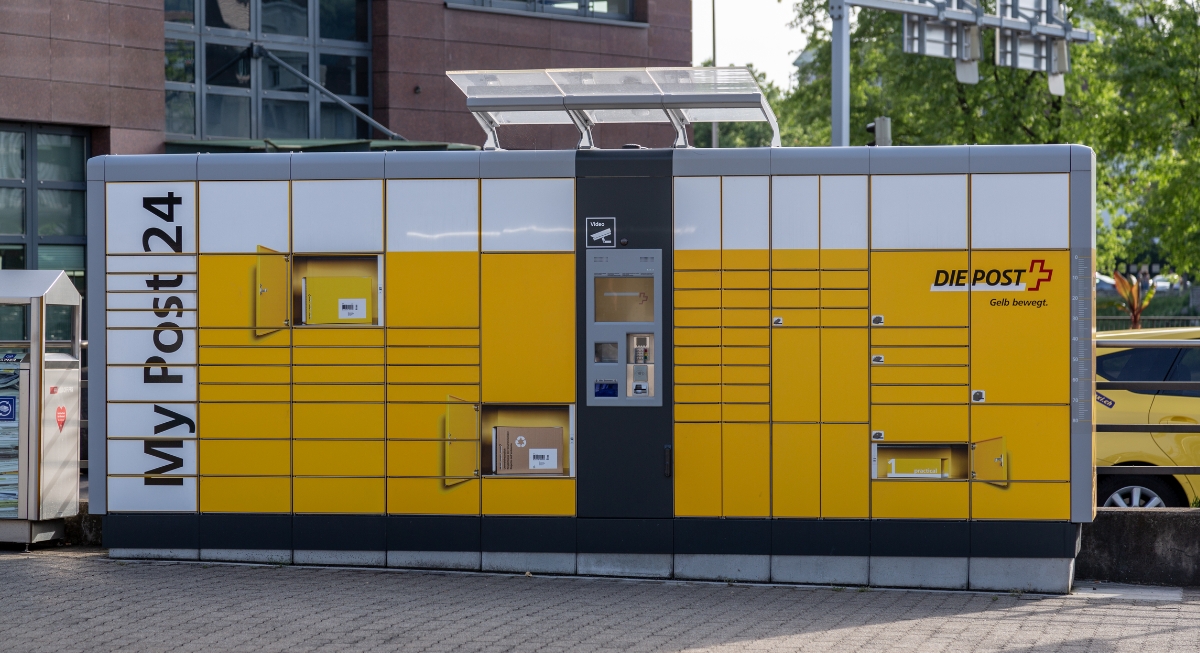
Amazon has invested billions of dollars to improve service outside major metropolitan areas. Instead of relying solely on massive fulfillment centers, the company is opening smaller delivery stations closer to rural customers. Packages arrive at these facilities for sorting before heading out with local drivers.
Drones Are Moving Beyond Test Projects
Credit: Wikimedia Commons
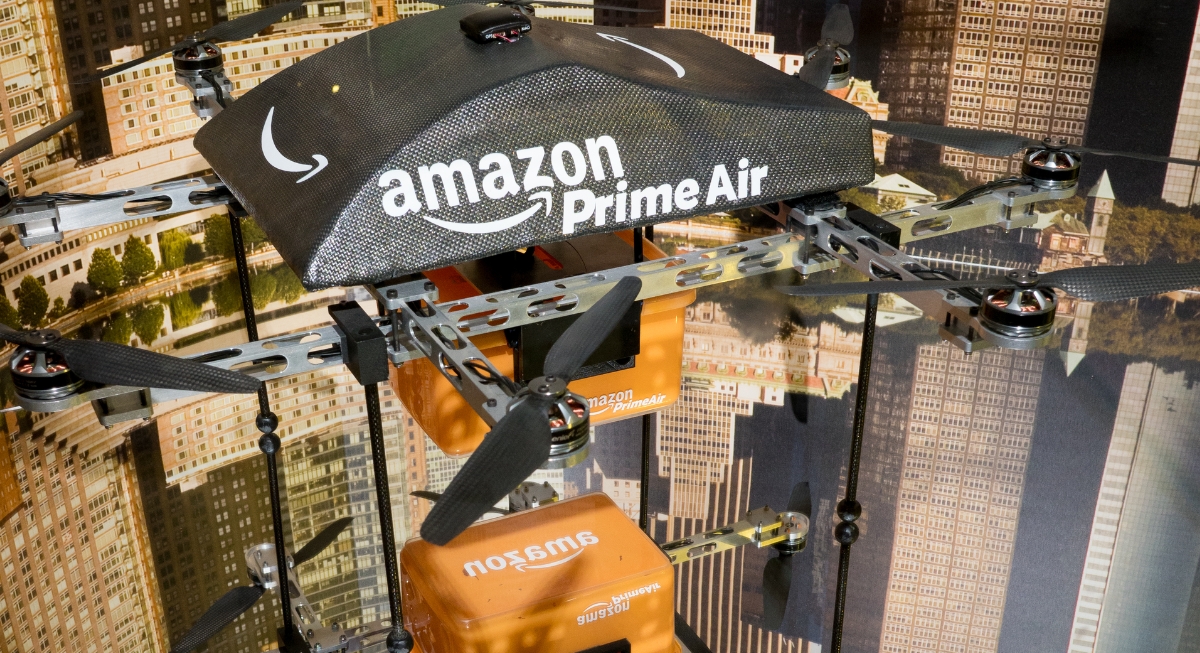
The image of packages arriving by drone is becoming more realistic in select communities. Walmart and Amazon continue expanding drone delivery programs as they seek faster ways to reach customers. Drones can avoid road traffic and travel directly to homes.
Walmart Uses Robots Inside Stores
Credit: Wikimedia Commons
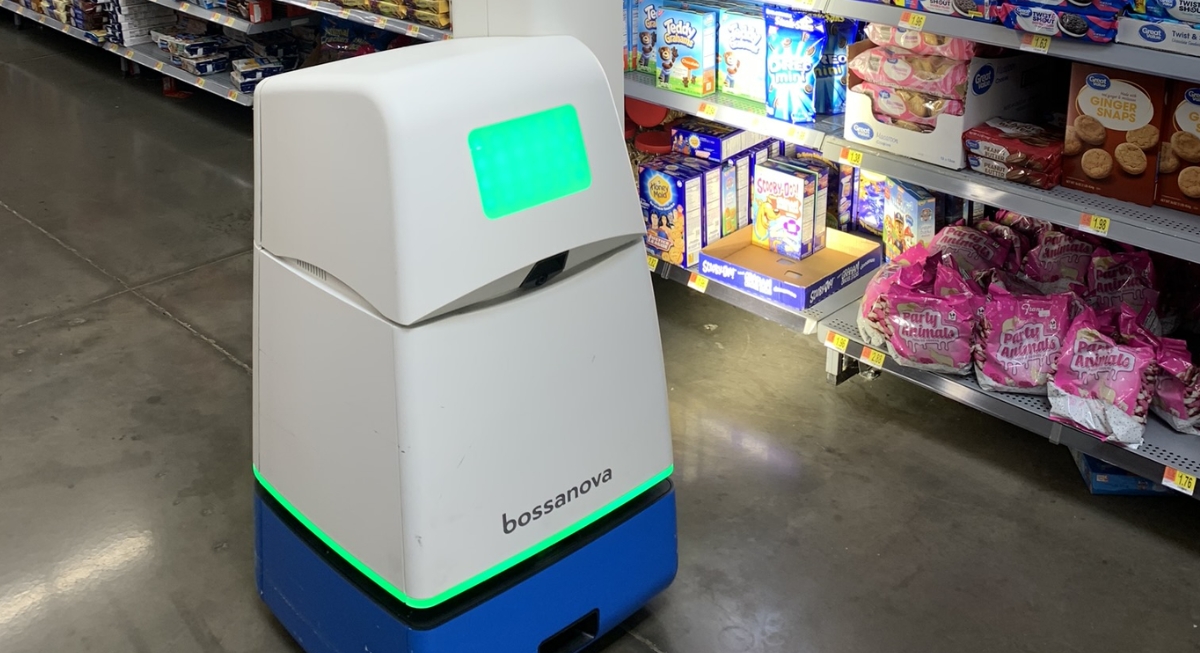
A growing number of Walmart locations rely on automated systems that help employees prepare online orders. Robots retrieve frequently purchased products from storage areas designed for quick access. This process reduces the time needed to collect groceries and household items. Faster order preparation means deliveries can leave the store sooner.
Amazon Leans On Artificial Intelligence
Credit: Wikimedia Commons
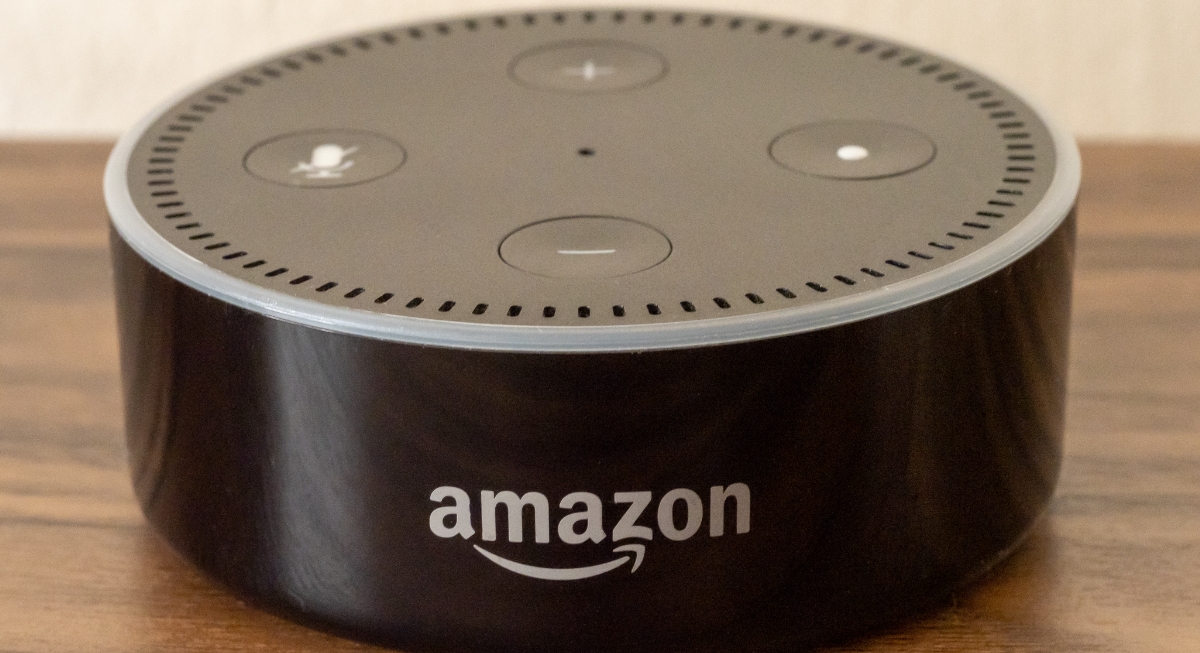
Predicting what shoppers will order has become nearly as important as delivering the package itself. Amazon uses artificial intelligence tools to forecast demand across different regions. Better predictions allow inventory to be positioned closer to customers before purchases happen. That reduces delays caused by moving products long distances.
Delivery Speed Is Changing Shopping Habits
Credit: Wikimedia Commons
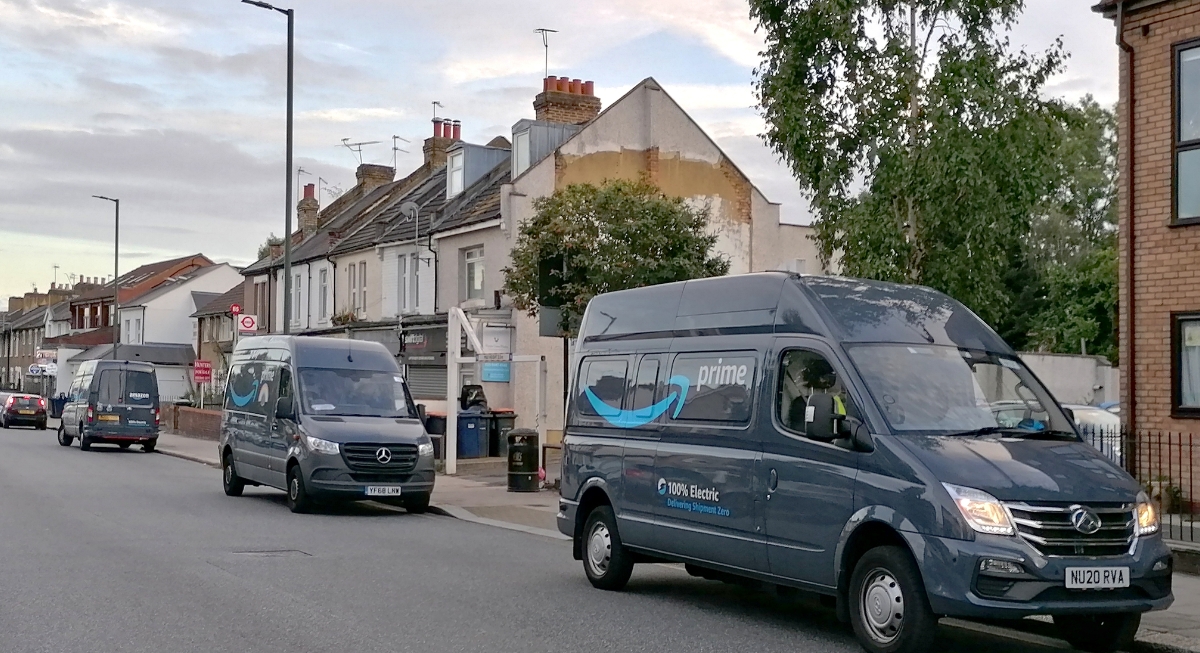
Retailers have noticed that faster service influences what people buy and when they buy it. Walmart reports that many customers now use rapid delivery for everyday necessities rather than planning purchases days in advance. Amazon has also linked faster shipping to increased order frequency. Shoppers who know products can arrive quickly and often place smaller orders.
New Mapping Systems Expand Coverage
Credit: Wikimedia Commons
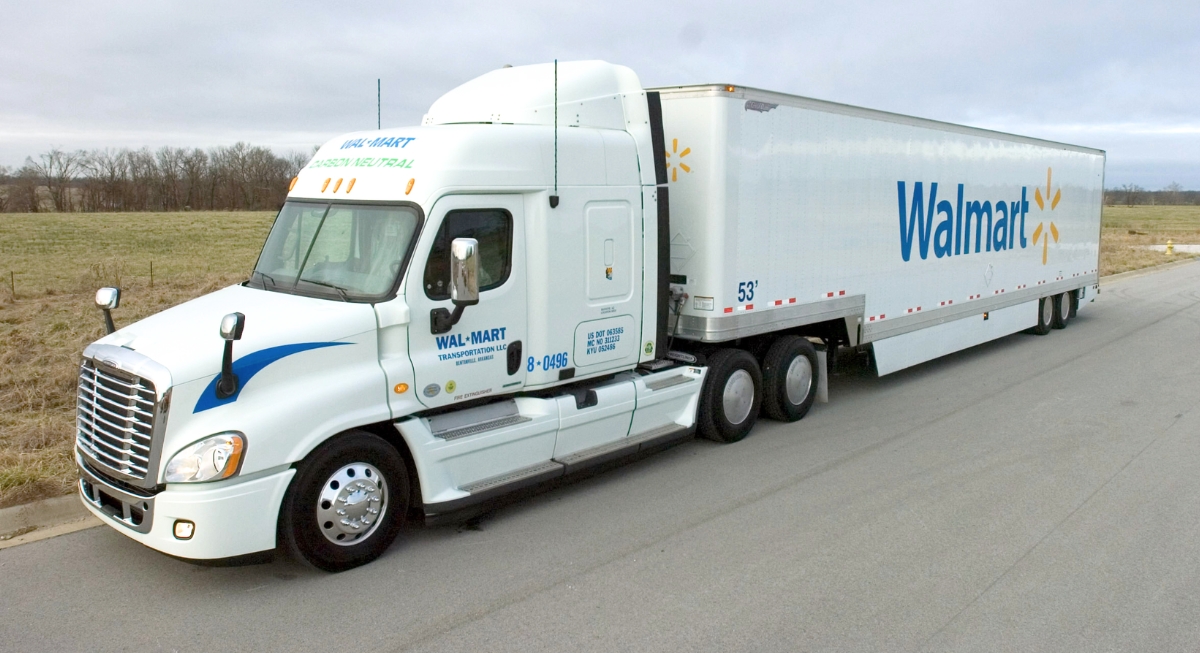
One of Walmart’s lesser-known upgrades involves replacing traditional delivery boundaries with a hexagonal mapping system. Older ZIP code-based service areas sometimes left nearby households outside delivery zones. The updated approach creates more flexibility and expands coverage. Walmart says the change opened same-day delivery access to millions of additional households.
Small-Town Competition Is Growing
Credit: Wikimedia Commons
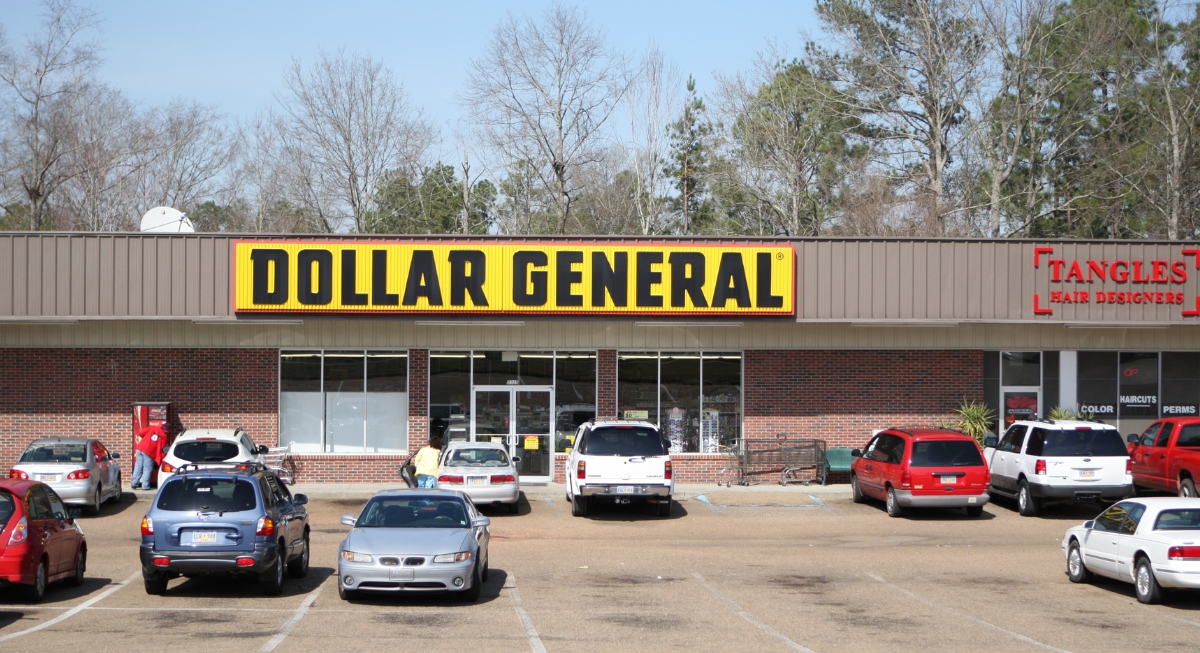
The race is no longer limited to Walmart and Amazon. Dollar General expanded same-day delivery to thousands of locations across the country. Tractor Supply is adding delivery hubs to improve service for rural shoppers purchasing large items. Retailers increasingly view rural customers as valuable long-term shoppers who expect convenience similar to that enjoyed by city residents for years.
Faster Service Helps Offset Industry Pullbacks

Credit: Getty Images
Faster service helps offset industry pullbacks. As some traditional carriers cut back in certain areas or focus on higher-margin routes, Walmart and Amazon are expanding in the opposite direction. They are investing in places that are harder and less profitable to serve. That creates room to build steady customer loyalty, especially since people outside major cities still expect fast delivery.