10 Signs the Volatile Stock Market and Recession Fears Are Impacting Global Business
Financial markets have become unusually sensitive to global developments during the past few years. Investors now react to military issues, trade restrictions, inflation data, climate disasters, and political speeches within minutes. And the impact of those reactions puts businesses under pressure because market swings influence borrowing costs, expansion plans, hiring decisions, and consumer confidence.
That is why corporate leaders have taken steps to change their long-term strategies. After all, uncertainty keeps returning through different channels, and they want to be better prepared to handle what the market may have in store.
Companies Are Waiting Longer Before Expanding

Credit: pexels
Business expansion is usually indicative that a company is banking on future demand. Unfortunately, that trust has weakened across several industries. Corporate leaders tend to hesitate before approving factory construction, technology upgrades, or large hiring plans. Executives also worry about inflation, tariffs, and uncertain trade relationships.
Supply Chain Planning Has Become More Defensive

Credit: Getty Images
As a rule of thumb, companies usually try to reduce production costs and improve operational efficiency whenever possible. That strategy improved profits during stable economic periods, yet recent trade disputes and geopolitical problems exposed major weaknesses. Businesses currently spread suppliers across several countries to reduce dependence on one manufacturing hub.
Technology Stocks Respond Sharply to Political Decisions

Credit: pexels
You may have noticed technology stocks swinging wildly after political announcements involving trade restrictions, semiconductor exports, or artificial intelligence regulations. All of this is due to people becoming far more sensitive to government actions in the technology sector, as these companies depend heavily on international manufacturing and global partnerships.
Energy Price Swings Continue Hurting Business Confidence
Credit: Getty Images
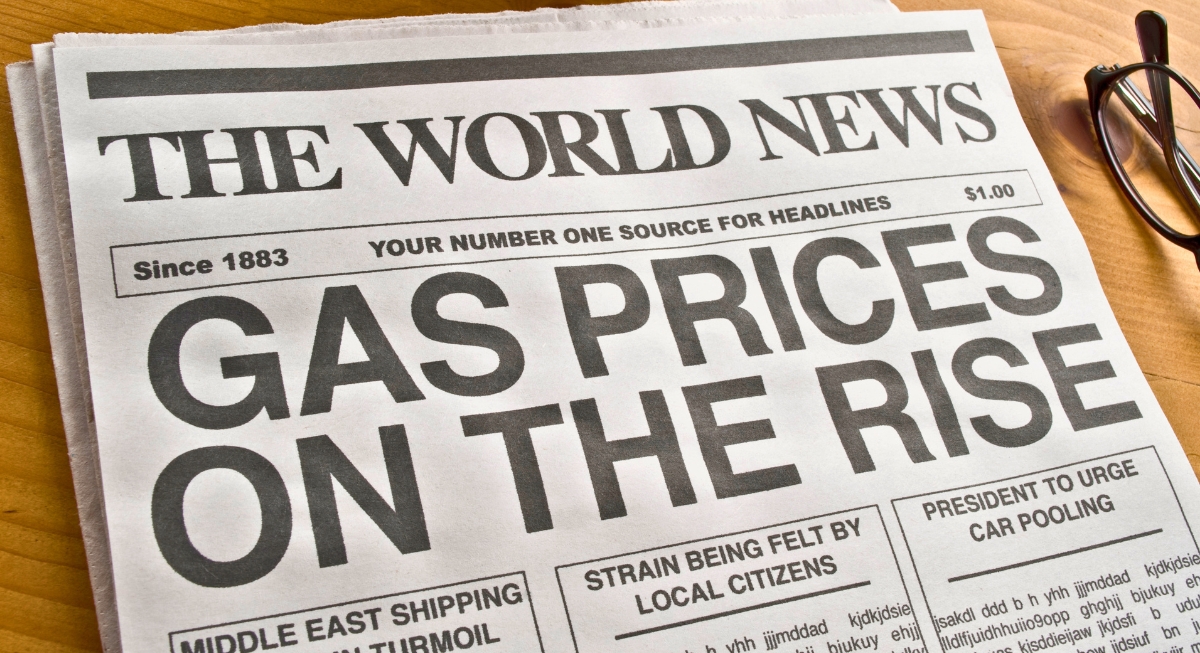
Russia’s entry into Ukraine was a clear example of how swiftly energy markets can become unstable amidst tensions. Oil and natural gas prices climbed rapidly after concerns grew around supply disruptions and transportation routes. Corporations felt the consequences almost immediately through higher shipping, manufacturing, and operating expenses.
Climate Disasters Have Started Changing Investment Decisions

Credit: pexels
If you know about the wildfires in Canada, the flooding across parts of Asia, or the long droughts affecting major farming regions, then you have already seen how climate change can disrupt operations. Industries that once treated extreme weather as an occasional problem build financial plans around those risks.
Consumers Have Become More Careful with Spending

Credit: pexels
It is natural for households to become more careful with money after months of negative economic headlines about inflation, layoffs, market instability, and recession concerns. Many people are delaying vacations, luxury purchases, and large financial commitments because they are unsure about future economic conditions.
Trade Policies Are Reshaping Global Markets

Credit: pexels
In recent years, China strengthened trade partnerships with developing economies across Africa, Latin America, and Asia as governments placed greater focus on economic security and domestic industries. Similar policy changes from other countries have forced international businesses to rethink sourcing plans, manufacturing locations, and pricing strategies.
Debt Pressure Creates Financial Strain
Credit: pexels
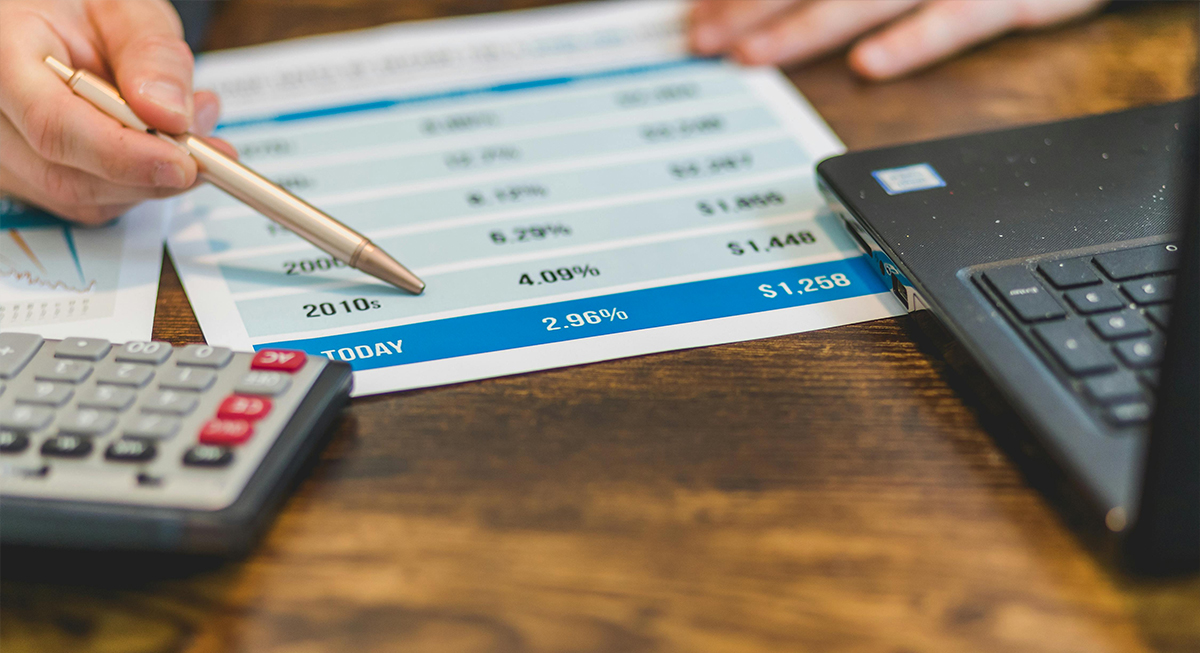
Higher interest rates have made life much harder for businesses already carrying large amounts of debt. Central banks raised rates rapidly to slow inflation, and companies immediately felt the fallout in higher loan costs and financing expenses. For this reason, organizations choose to spend a larger share of revenue on interest payments rather than funding expansion projects.
Political Polarization Is Complicating Corporate Planning

Credit: pexels
Everyone sees political debates on social media, and that constant stream of arguments about trade, taxes, immigration, and regulation has led to greater uncertainty. This explains why corporations operating in heavily regulated sectors usually hesitate before making large investments. They are aware that policies can change rapidly after political transitions.
Investors Pay Closer Attention To Corporate Cash Reserves

Credit: pexels
When stock markets become volatile and recession fears dominate financial headlines, investors usually start paying much closer attention to corporate cash reserves. Businesses with strong cash positions typically have more flexibility at this time since they can continue operating without relying heavily on expensive borrowing.