The Best and Worst Viral Savings Trends of 2025
We saw countless saving tips and tricks in 2025. Social feeds became the new classroom for saving tips, and millions joined in, sometimes with solid wins, other times with a little regret. While not every idea was built to last, a few ignited real change in how people think about budgeting, shopping, and planning. Here’s a rundown of the trends that stuck and those that fizzled.
Loud Budgeting Made It Normal to Say No
Credit: pexels
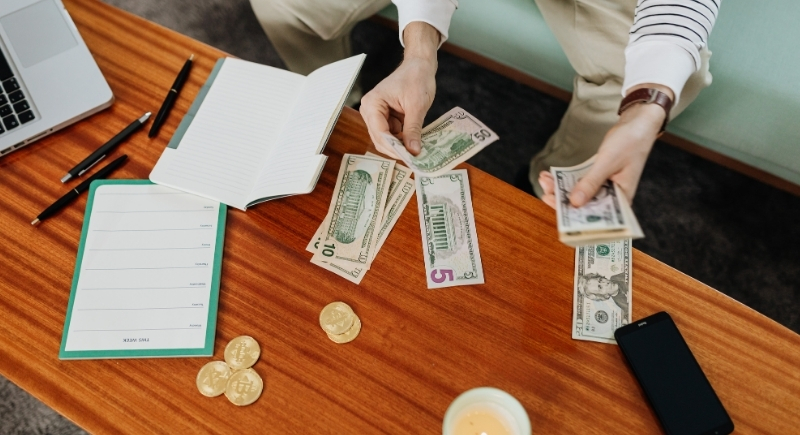
Loud budgeting encouraged clear conversations about financial boundaries and ditched vague excuses. Instead of dodging plans, trend followers learned to say “That’s not in my budget.” This approach helped normalize money limits in social settings.
Cash Stuffing Looked Pretty, But Didn’t Grow Savings
Credit: Canva
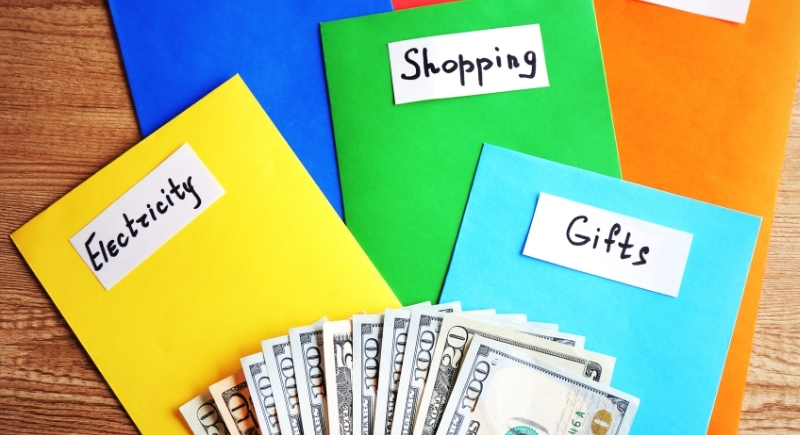
Cash stuffing looked appealing online. Creators neatly split bills into labeled envelopes, sometimes adding stickers for flair. It felt organized and satisfying to watch. But keeping cash at home did not protect money from inflation or help it grow through interest. While the method built short-term awareness around spending, it skipped the real advantages of savings accounts and digital tools that actually help money grow.
“Girl Math” Tried to Justify Spending With Humor

Credit: Canva
“Girl Math” turned spending into a joke that felt harmless at first. The humor landed, but it also blurred reality. The logic was simple and slippery. Spend $100, return $50, and call it a $50 purchase. Buy in bulk and label it “free” because it saves a future trip. Funny online, but misleading when it comes to real money decisions.
Group Buying Turned Big Expenses Into Shared Wins
Credit: Canva
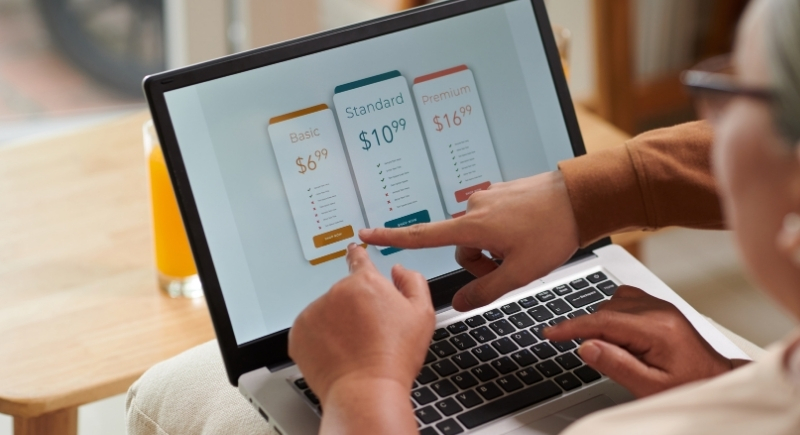
Group buying made expensive things easier to handle. Families and roommates shared costs on things like subscriptions and ride passes, rather than paying individually. This lowered monthly bills and kept spending more balanced. Apps and simple spreadsheets helped track payments, so everyone knew what they owed. For many people, sharing costs saved money without adding stress or extra work.
Digital Round-Up Tools Made Saving Automatic
Credit: Canva
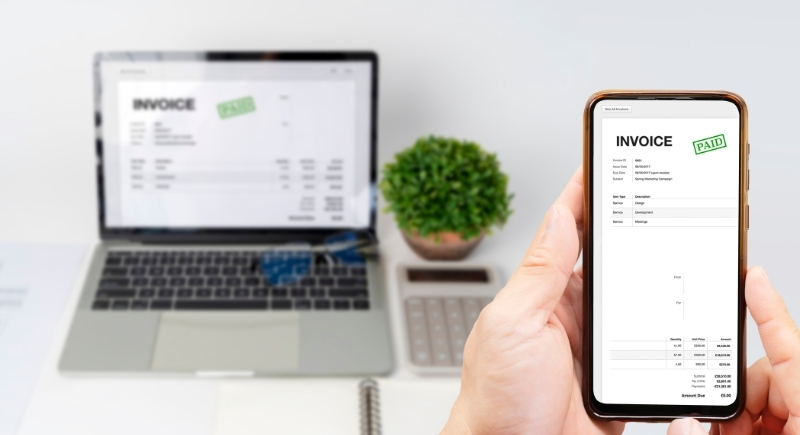
Some savings apps rounded up everyday purchases by sliding the spare change into savings. Spend $4.60 on coffee, and 40 cents went straight into savings. That trickled into surprising results for users who didn’t think they could afford to save. These digital round-ups were an easy entry point for people intimidated by traditional money management.
No-Spend Challenges Became Mini Resets
Credit: Getty Images
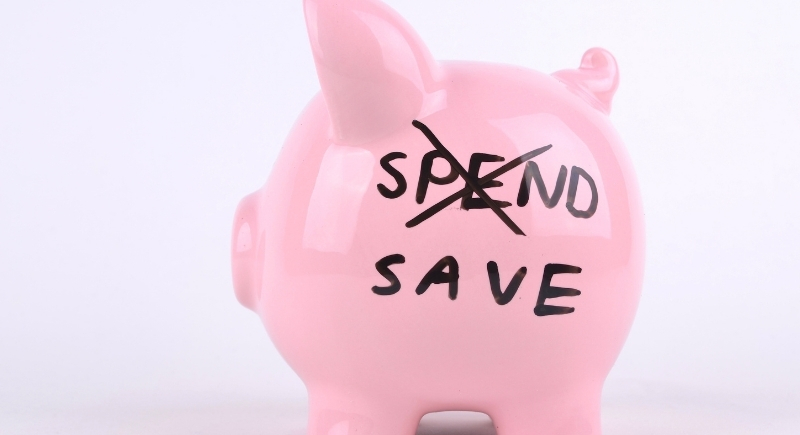
No-spend challenges worked like small financial resets. People picked short timeframes and cut out non-essential spending for that period. The clear start and end made it easier to stick with and rethink habits. Social media helped by turning it into a shared challenge, with people swapping ideas for low-cost alternatives instead of feeling restricted.
Underconsumption-Core Rejected Buying for the Sake of It

Credit: Canva
Underconsumption-core pushed back against shopping culture, spotlighting reusable containers, secondhand finds, and doing more with less. While it didn’t appeal to everyone, the trend reminded people that skipping purchases didn’t have to feel like punishment. Videos showed how minimalist living created room for other priorities.
“Poor People Habits” Reframed Frugality as Smart

Credit: Getty Images
Despite its rough name, this Reddit-born trend delivered helpful tips without judgment. People celebrated low-cost habits that had long been overlooked, such as saving condiment packets or repairing clothes.
Vibe-Based Budgeting Didn’t Always Add Up

Credit: Canva
This one relied more on intuition than math. People decided how much to spend based on their feelings, not their actual income or expenses. It sounded freeing at first, but quickly led to overspending or money anxiety. When emotions replaced numbers, budgets became a matter of guesswork.
Subscription Cleanouts Saved Surprising Amounts
Credit: Canva
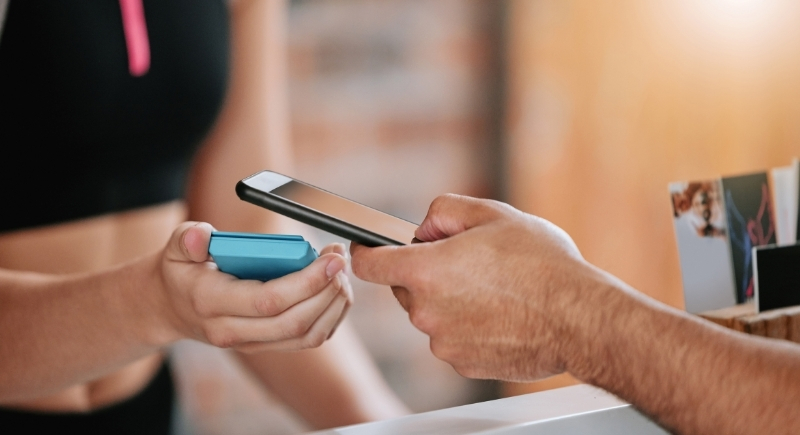
Automatic charges often went unnoticed until users reviewed their accounts and canceled the unused services. Streaming services, gym memberships, apps—they added up fast. Paired with apps that track recurring payments, subscription audits became one of the year’s easiest, most satisfying wins.