Things Schools Taught Us That Are Considered Useless Today
School taught many lessons as if they were permanent fixtures of adult life. Years later, a surprising number of them no longer line up with how work, technology, or everyday tasks actually function. Looking back, these topics aren’t embarrassing so much as revealing. They reflect how quickly the world moved on while classrooms stayed the same.
Writing in Cursive

Credit: Getty Images
Most people don’t realize they’ve stopped using cursive until they’re asked to write something by hand at work. Forms arrive digitally. Notes live in shared documents, and even signing your name happens on a screen.
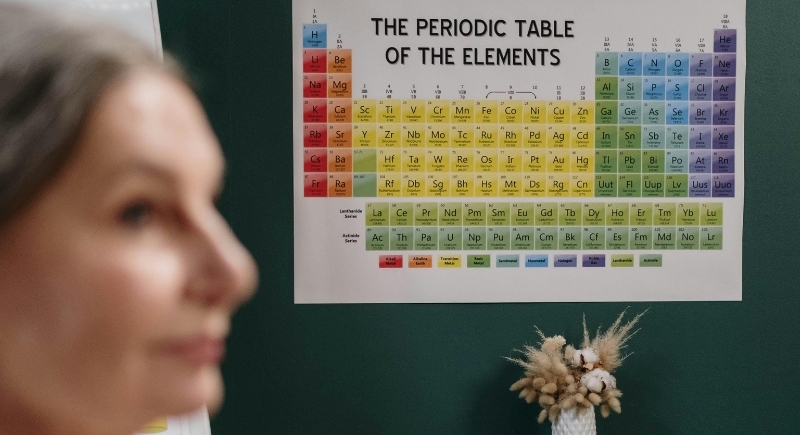
Memorizing the Periodic Table
Credit: pexels
In chemistry class, recall was treated as proof of understanding. Outside school, professionals rarely work that way. Chemists rely on reference charts and software, focusing instead on how elements behave and interact with one another. Real-world practice rewards interpretation and pattern recognition far more than the ability to list symbols from memory.
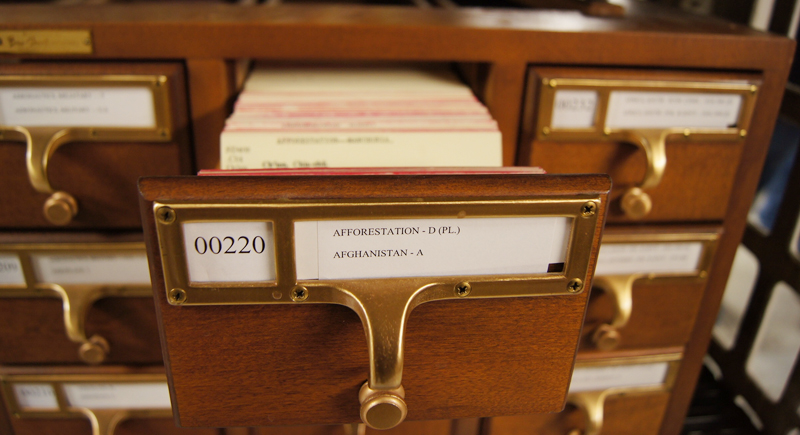
Using a Card Catalog
Credit: Wikimedia Commons
For a long time, knowing how to use a card catalog was considered a fundamental skill in research literacy. Students learned about the organization of libraries and the physical storage of information. Then digital search arrived and bypassed the entire system. The drawers disappeared, and with them went the need to understand how the old structure worked.
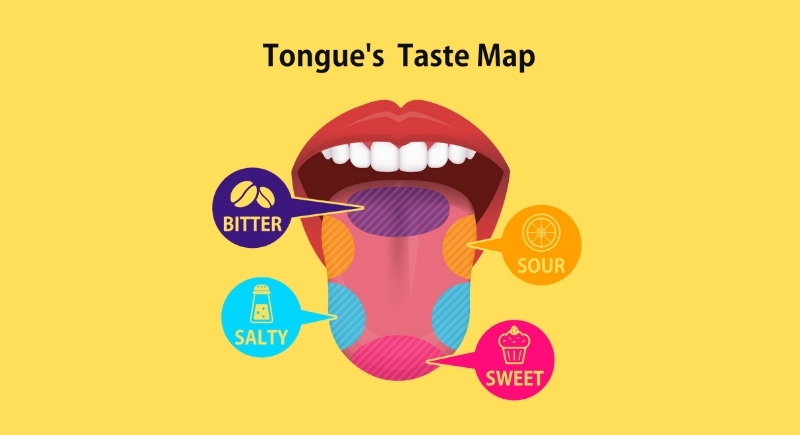
The Taste Map of the Tongue
Credit: iStockphoto
The diagram looked scientific enough that few people questioned it, as textbooks divided the tongue into zones, each assigned a specific taste. The claim came from a misinterpreted early study and was later debunked. Research has shown that taste receptors are spread across the tongue, but the simplified map stayed in classrooms long after it was corrected.
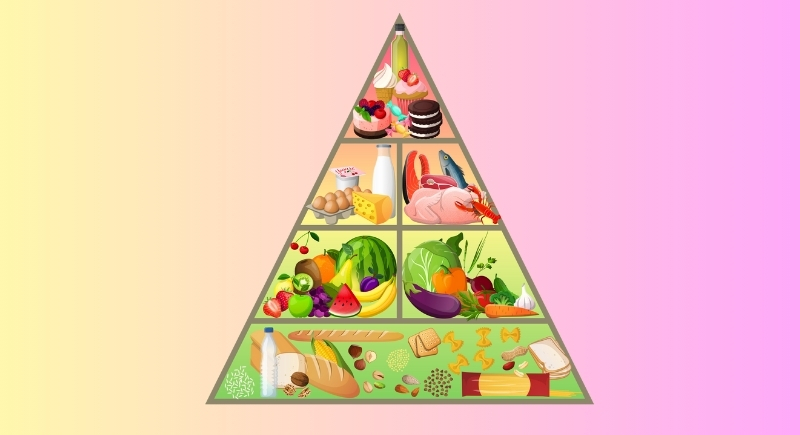
The Food Pyramid
Credit: Canva
For years, this diagram sat on classroom walls as unquestioned guidance. Students were taught to build meals around bread and grains because that’s what the pyramid emphasized. Later research complicated that picture. Nutrition advice shifted toward balance and quality rather than rigid categories.
Long Division by Hand
Credit: Wikimedia Commons
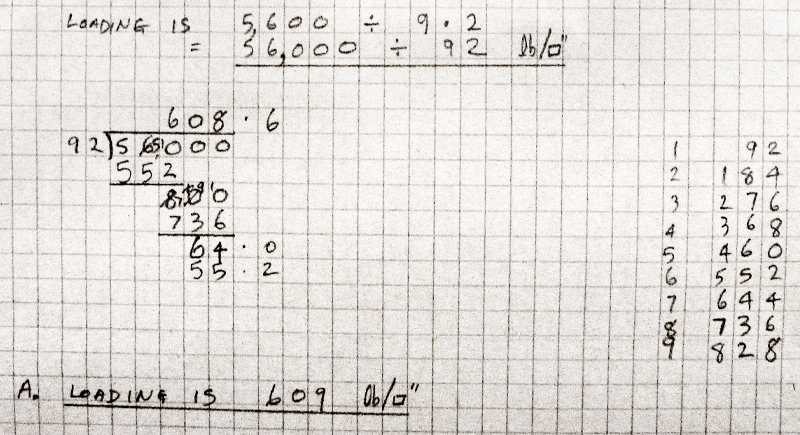
Long division persisted essentially because schools needed a visible way to measure mathematical competence. The process was demonstrated step by step. In everyday life, the calculation itself matters far less. Tools handle the math instantly, which leaves the method as something practiced mainly for academic proof rather than practical use.
Learning the Recorder
Credit: Canva
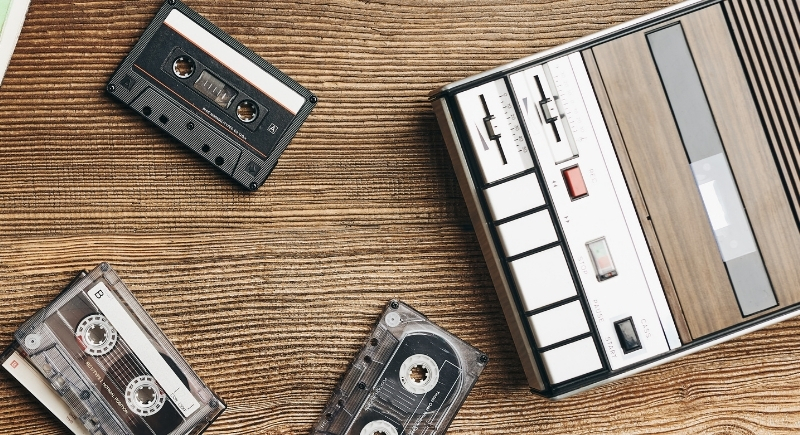
Most students encountered the recorder because schools needed a cost-effective way to introduce it. The instrument filled classrooms briefly, then disappeared. Very few students continued playing. Over time, music education evolved to incorporate tools that enabled choice, collaboration, and digital learning.
Roman Numerals

Credit: pexels
Roman numerals remained visible long after they ceased to be practical. Students learned them because they appeared on clocks, monuments, and movie credits. Arithmetic, however, never benefited from them. Their continued presence became decorative.
Climbing a Rope in Gym Class
Credit: Getty Images
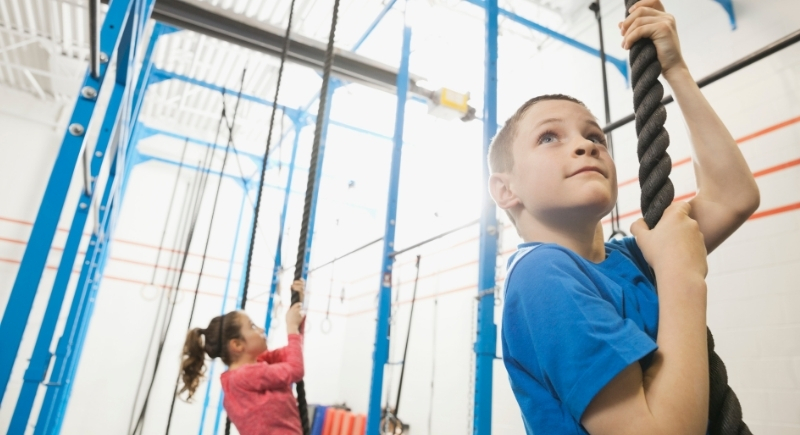
Rope climbing favored upper-body power and fearlessness more than everyday fitness. Injuries and liability concerns eventually forced schools to reconsider. Physical education began to emphasize sustainable movement and safety.
Reciting the Preamble to the U.S. Constitution

Credit: iStockphoto
In many classrooms, the Preamble was taught as something to perform rather than explore. Students focused on memorizing cadence and order, often at a young age, with little context. The exercise prioritized accuracy and confidence aloud, even though those skills rarely translated into how people later learn about laws, rights, or civic responsibility.