US Industries That Have Suffered the Worst Job Losses Recently
Mass layoffs are often blamed on a weak economy, but that explanation rarely tells the whole story. Job losses usually signal deeper shifts in how people live, spend, and earn. Over the past several years, those changes have quietly reshaped entire industries, forcing some to shrink even though they once felt secure.
Many of these cuts did not dominate headlines at the time. Viewed together, though, they reveal a pattern. Certain parts of the U.S. economy are under sustained pressure as technology advances and consumer habits change. What seems like scattered layoffs is actually a clear sign of where stability is slipping.
Government Cuts Surpass 300,000 in One Year

Credit: pexels
By late 2025, more than 300,000 public-sector roles had been lost, mostly due to dramatic federal-level downsizing. Several agencies tied to the Department of Government Efficiency (DOGE) saw entire programs reduced or eliminated. It wasn’t just Washington. Municipal and state agencies also cut deeply, which disrupted essential services across the country.
Restaurants Shed the Most Workers Overall

Credit: Photo Images
From 2017 to 2022, restaurants lost nearly 310,000 jobs. The change happened bit by bit. Delivery apps took hold, takeout became the default, and remote work erased many daily lunch stops. For many people, dining out stopped being regular and became something they did only now and then.
Tech Sector Layoffs Continue to Climb

Credit: Wikimedia Commons
After over-hiring during the pandemic boom, tech firms spent 2025 cutting more than 141,000 jobs. Companies reorganized into smaller teams, leaned more on automation, and offloaded entire product divisions. Middle-tier engineers and support staff were often the first to feel the squeeze.
Electronics Retail Drops Over 40 Percent

Credit: Wikimedia Commons
By 2022, employment at electronics retailers had fallen by 40.8%, a drop of over 110,000 jobs. Big-box chains struggled to compete with e-commerce, and consumer demand for gadgets softened. Supply chain issues and a crowded streaming market also cut into interest in TVs, stereos, and home theater systems.
Warehousing Layoffs Increase Nearly Fivefold

Credit: Wikimedia Commons
For years, warehousing was seen as the safe bet during retail’s shift online. That ended in 2025, when job cuts jumped from under 19,000 to over 90,000. Companies like Amazon adjusted to overbuilt networks, shedding workers amid gains from automation and lower demand after pandemic-era highs.
Women’s Clothing Stores Lose Nearly 134,000 Jobs

Credit: Wikimedia Commons
From 2017 to 2022, women’s apparel retailers experienced a 38.7 percent decline in employment. That’s 133,500 workers let go during a period marked by falling mall foot traffic and consumer shifts toward fast fashion e-commerce, subscription models, and resale platforms gaining dominance in the clothing market.
Retail Layoffs More Than Double Year Over Year
Credit: Wikimedia Commons
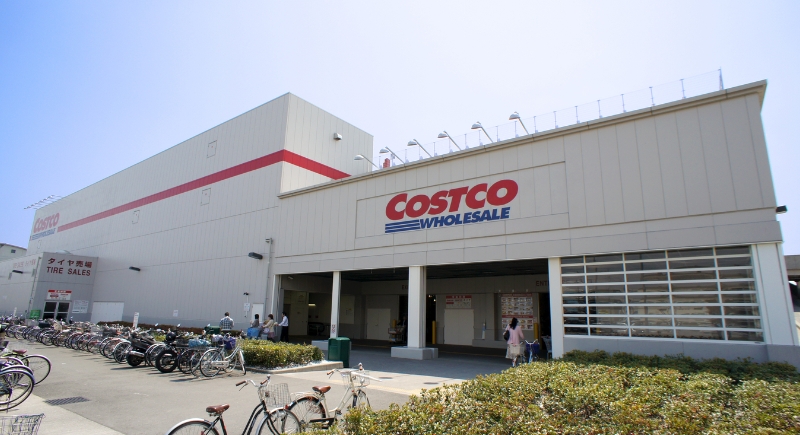
The broader retail sector reported 88,000 job cuts through October 2025, more than doubling its 2024 total. These losses affected large department stores, regional chains, and specialty shops, as high operating costs and thinning profit margins continued to push employers toward leaner staffing.
Hotels and Motels Cut 188,000 Positions

Credit: Wikimedia Commons
Traditional lodging businesses cut over 188,000 jobs between 2017 and 2022. Some of this stemmed from the travel halt in 2020, but the recovery never fully arrived. Business travel remained down, and travelers often opted for home rentals instead of booking chains or budget motels.
Non-Profit Organizations Face Fivefold Spike in Layoffs

Credit: Wikimedia Commons
Nonprofit organizations laid off nearly 28,000 workers in 2025, five times the number laid off in 2024. While funding uncertainty played a part, digital transformation was another factor. Roles in outreach, fundraising, and in-person programming were cut as many services moved online or went remote-only.
Children’s Apparel Retailers Shrink by Over Half

Credit: Wikimedia Commons
Jobs at children’s and infant clothing retailers dropped by a staggering 58.6% from 2017 to 2022. Rising resale culture, subscription baby boxes, and declining birth rates all contributed. Many independent shops shut down, unable to compete with the convenience and lower prices of online-only competitors.