10 States Winning the U.S. Housing Affordability Game
Buying a home in America is getting harder every year as prices keep climbing. Coastal cities have become almost unaffordable for many buyers, and even mid-sized metros are stretching budgets for working families. Still, a few states are managing to keep housing more affordable, offering better value and a more realistic path to homeownership than most people expect.
West Virginia
Credit: Wikimedia Commons
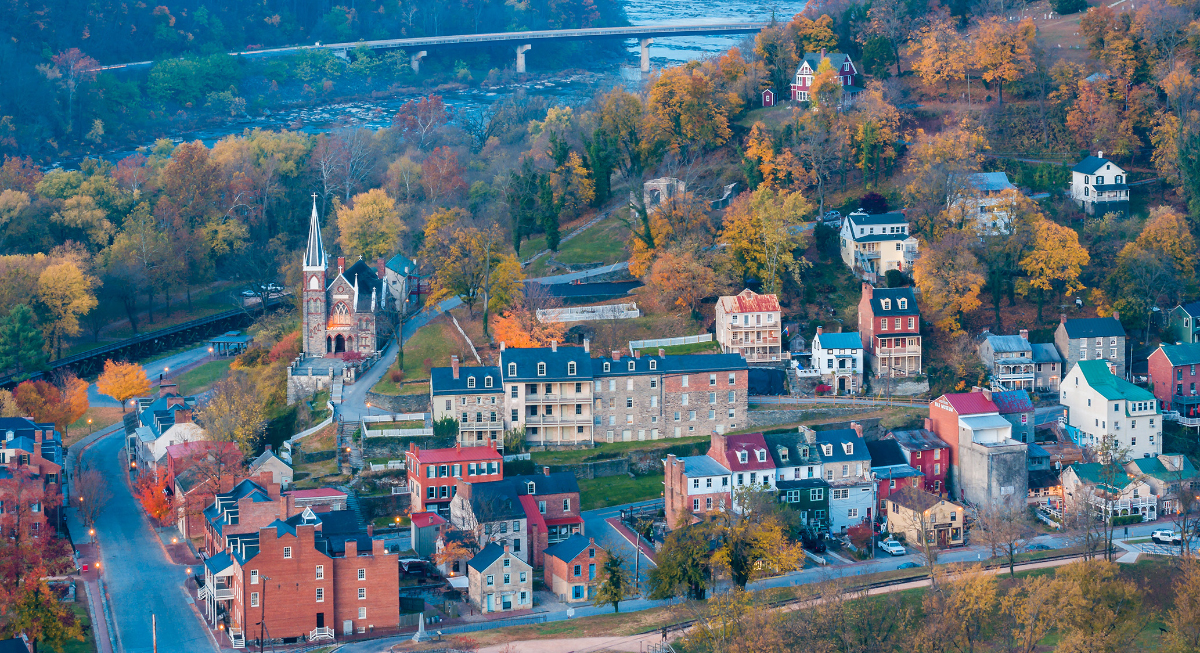
According to Redfin, the median home price is $253,300 as of early 2026, and it is one of the lowest in the country. That alone would be enough to get attention, but the cost of living sweetens the deal further by running up to 15.9 percent below the national average. Morgantown has the college-town energy of West Virginia University, Charleston covers the urban bases, and the Appalachian setting does the rest.
Alabama
Credit: Wikimedia Commons
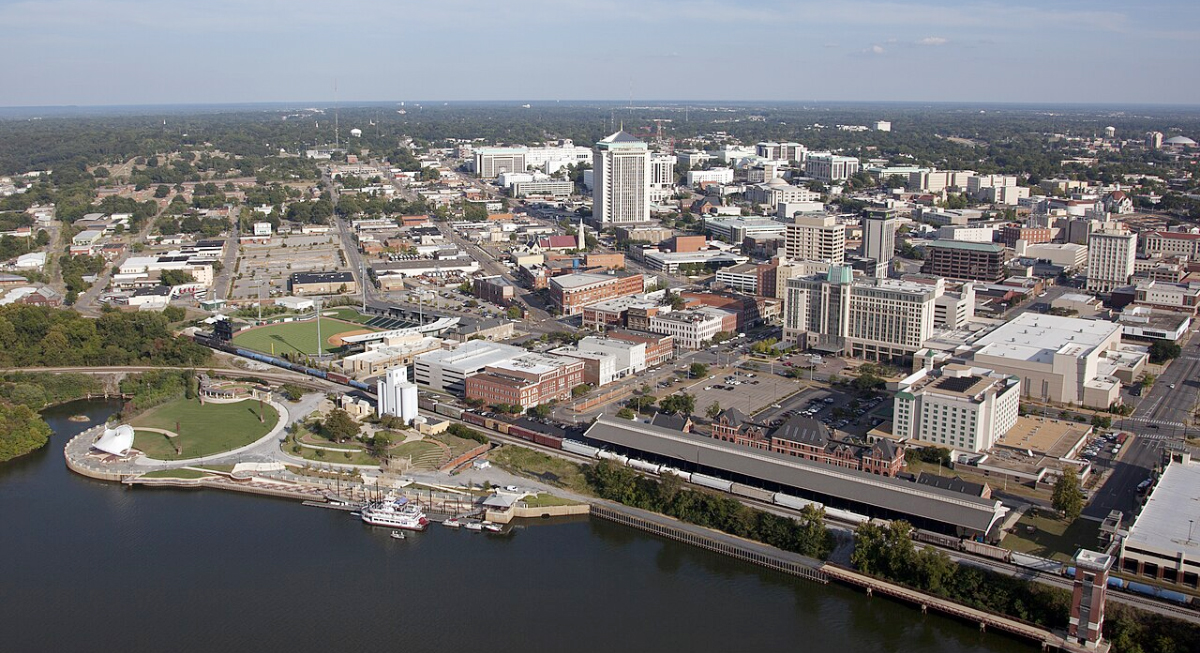
In Alabama, property taxes are among the lowest in the country, averaging about $62 a month on a typical home. The state’s effective property tax rate is around 0.36%, according to Tax Foundation analysis of Census Bureau data, with a median annual bill of roughly $742. That level of tax relief adds up over time, especially in a state where Huntsville, anchored by NASA’s Marshall Space Flight Center, has grown into a major aerospace and tech hub.
Ohio
Credit: Wikimedia Commons
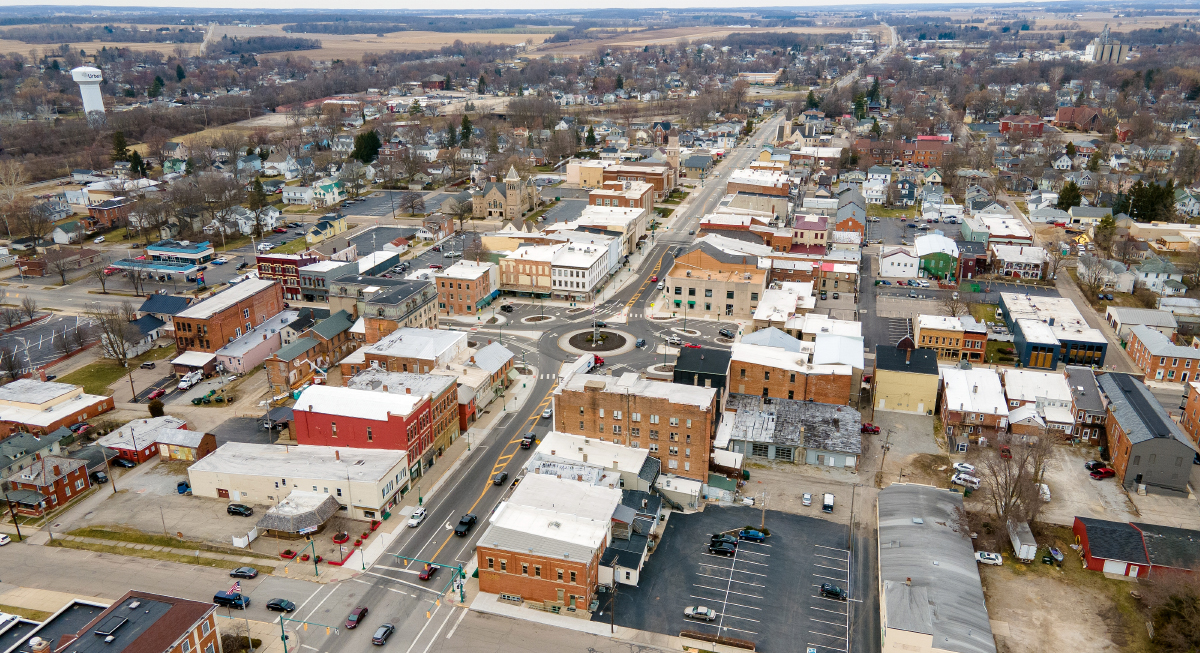
Ohio has a mix of affordability and economic diversity, with cities like Cleveland, Columbus, and Cincinnati supported by healthcare, tech, and financial services. The median home price is about $231,798 statewide, while homeowners’ insurance averages roughly $2,160 per year, according to insurance.com. The state also has a strong corporate base, with Fortune 500 companies such as Progressive, Sherwin-Williams, and Goodyear, which adds stability to the economy.
Mississippi

Credit: iStockphoto
The cost of living in Mississippi is up to 14 percent below the national average, while the median home price sat around $268,000 as of late 2025. Those two facts create a financial picture that is hard to replicate in some other states. The city of Oxford, for instance, has built a reputation well beyond Ole Miss, known for its food, arts, and livability.
Indiana

Credit: Wikimedia Commons
Indiana stands out not just for its median home price of about $255,311, but also for its median household income of $70,051, which helps show how accessible homeownership can be in the state. Indianapolis has changed over the past decade, with healthcare and tech driving much of its job growth. The wider economy includes the automotive, pharmaceutical, and agricultural sectors, giving Indiana greater stability than states that depend heavily on a single industry.
Arkansas

Credit: Wikimedia Commons
Arkansas benefits from having Walmart headquartered in Bentonville, which has helped drive investment, suppliers, and new residents into northwest Arkansas. The state’s median home price is around $270,300, which continues to attract buyers priced out of larger markets. Fayetteville adds to the appeal with the University of Arkansas, bringing steady college-town energy and demand.
Michigan
Credit: Wikimedia Commons
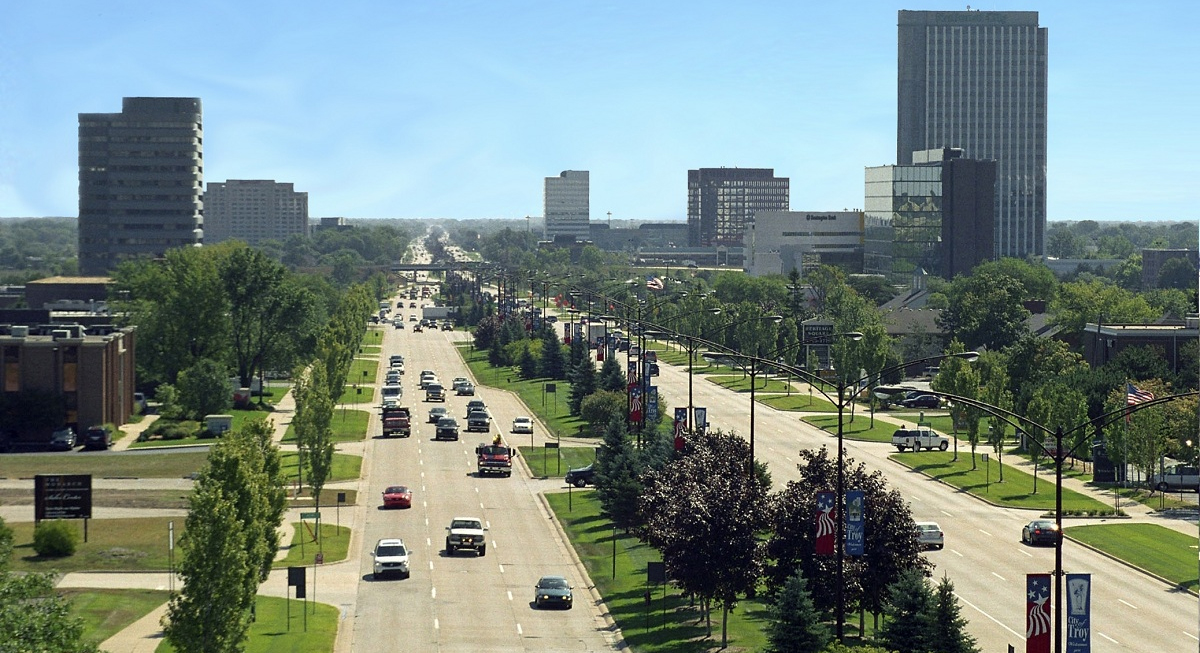
Michigan holds 3,288 miles of freshwater coastline, the longest in the nation outside Alaska. That geographical fact means the state has resort towns, beach access, and water recreation built into its landscape. Yet, the median home price sits around $267,300 in early 2026. The 2024 Census puts the state’s median household income at $72,389, though that figure still runs about 11 percent below the national median, so the context matters.
Missouri

Credit: Wikimedia Commons
The median home price statewide is around $281,400 in March 2026, with a cost of living about 11 percent below the national average. That’s interesting since it’s home to two major metros. Kansas City and St. Louis are different cities in more ways than one, yet both sit within the same affordable state. Columbia anchors the middle, built around the University of Missouri, and Springfield adds another mid-sized option for other buyers.
Louisiana
Credit: Wikimedia Commons
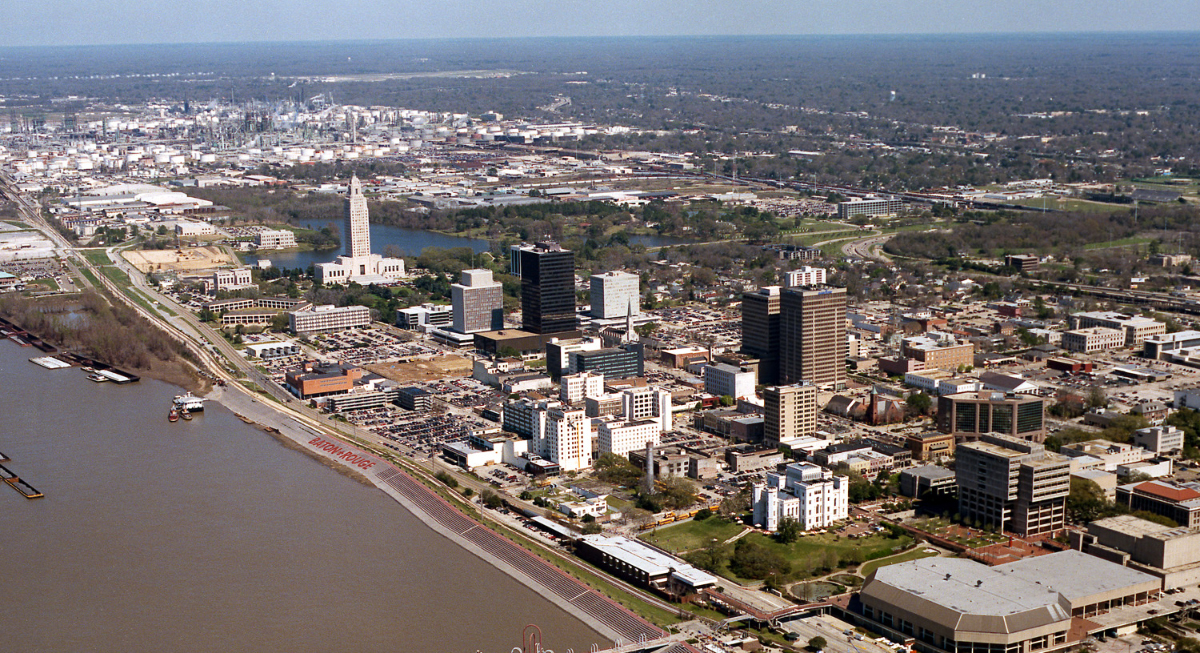
With a median home price of around $260,300 in March 2026 and a cost of living that’s about 8 percent below the national average, Louisiana will appeal to some Americans. The state hosts over 400 festivals annually, according to its official tourism website, from Mardi Gras and Jazz Fest down to small parish celebrations. Flood insurance is a real line item in low-lying areas, and buyers should price it in before committing.
Kentucky
Credit: iStockphoto
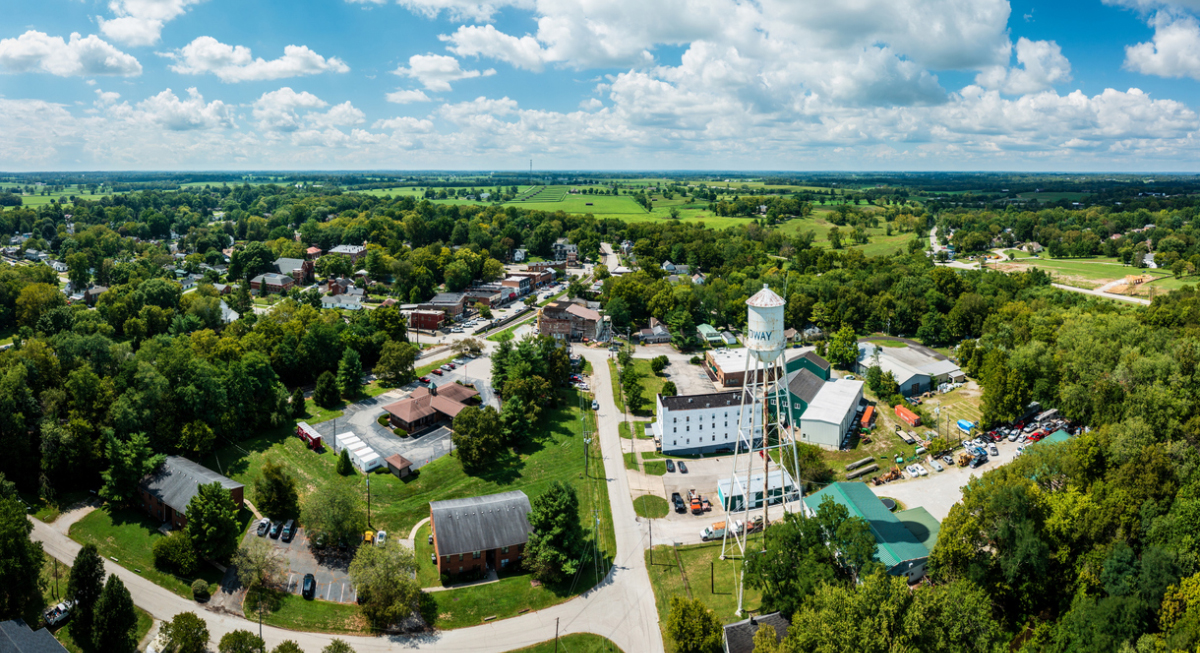
Kentucky benefits from UPS Worldport in Louisville, which serves as the company’s global air hub and employs around 20,000 people. That level of employment can shape housing demand in a major way. Still, the median home price is about $270,000, while the cost of living sits roughly 7% below the national average. The state also offers strong natural appeal, including Mammoth Cave National Park, which contains more than 426 mapped miles of underground passages.