Email Sign-Offs Are So Unhinged They Are Actually Inspiring
Most people wrap up emails with the usual suspects such as “Best,” “Thanks,” or “Sincerely.” But there’s a growing group that has turned the final line of their emails into an art form. These sign-offs range from confusing to oddly poetic, and they’re doing something unexpected: making people look forward to reading emails. Here are ten that deserve a permanent spot in the workplace hall of fame.
“Warmly (But Not Kindly)”

Credit: Canva
This sign-off appeared in a job application email and has since lived rent-free in the recipient’s mind. It flips the tone so suddenly that it’s hard to know how to respond. Even if someone wanted to reply, the energy is so off-balance that the safest move might be to close the laptop and walk away.
“May the Lord Forgive Your Sins”

Credit: pixelshot
Reportedly used by an HR lead in a professional setting, this one barely clears the line of workplace appropriateness. While intended as humorous or quirky, it’s hard not to read it as vaguely threatening. Most recipients probably double-check their email drafts afterward, just in case they’d accidentally committed something worth confessing.
“Living the Dream, One Nightmare at a Time”

Credit: Getty Images
This line works because it doesn’t pretend everything is fine. It meets the workday exactly where it is. Instead of forcing optimism, it acknowledges the stress, the deadlines, and the general chaos. That honesty is what makes it land. You’ll often see it slipped into internal emails during crunch periods, when everyone is stretched thin.
“Have a Monday”

Credit: Getty Images
Short, flat, and impossible to misread. It sounds neutral, but it carries a sharp edge. One employee received it after passing along bad news to a manager, and it lingered. There is no warmth and no encouragement. It simply marks the day for what it is and leaves it there.
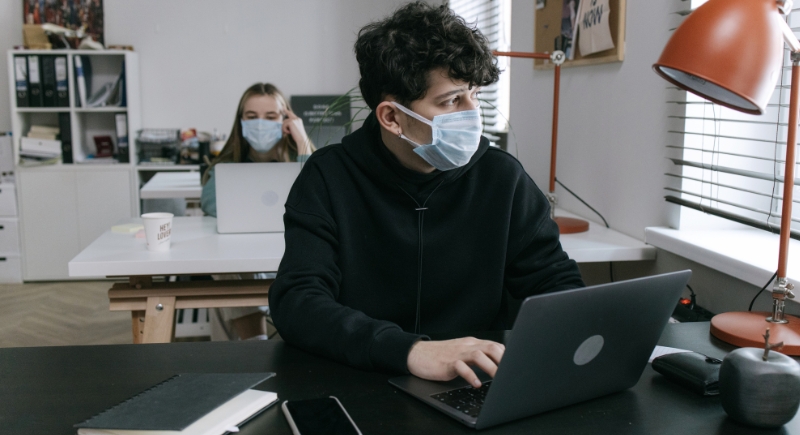
“Pandemically Yours”
Credit: pexels
This sign-off happened during the early work-from-home era. Some managers used it with the kind of dry cheer only 2020 could generate. It rode the line between grim humor and workplace optimism, somehow not tipping over either way. It might be outdated now, but it marked a moment when humor kept inboxes human.
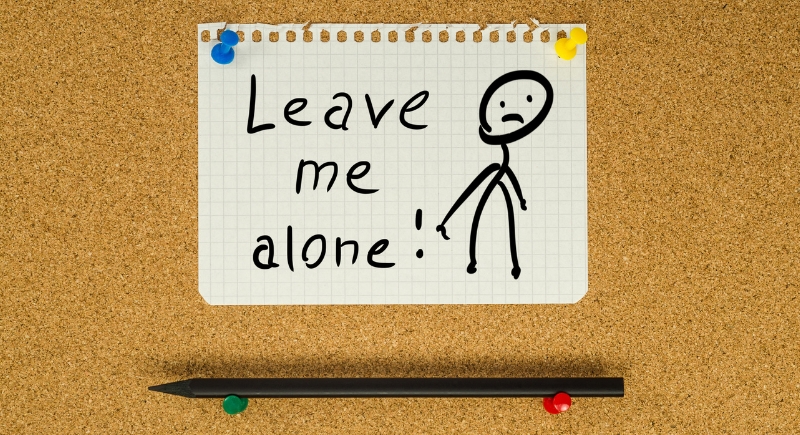
“Live, Laugh, Leave Me Alone”
Credit: Getty Images
A twisted remix of the well-worn “Live, Laugh, Love” mantra, this one became a cult favorite in office circles. It’s been used in group emails where boundaries needed reinforcement, often after someone sent “one quick thing” after 6 p.m. It delivers the message with humor, but the point lands: please don’t reply unless it’s urgent.
“At Your Cervix”

Credit: Getty Images
It’s been spotted mostly in medical or birth work settings, which at least makes it contextually appropriate. Still, it walks a line most would be terrified to approach. Its staying power comes from the sheer boldness. Not many people can say they’ve received an email that’s both professional and includes a pelvic pun.
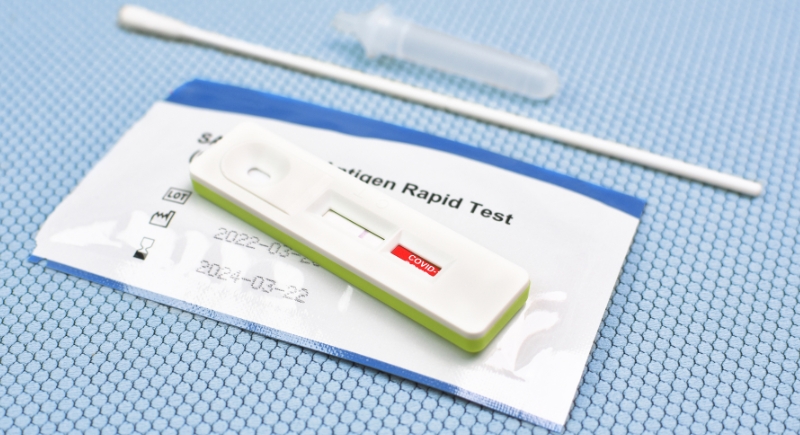
“Hope You’re Staying Positive and Testing Negative”
Credit: Canva
A pandemic-era classic, this one combines sincerity with timing. It came from a place of genuine care during a difficult period, but carried just enough cleverness to avoid sounding bleak. It also doubled as a friendly reminder to mask up and be cautious. Few sign-offs can claim to be both funny and medically responsible.
“With Palpable Vibes”

Credit: Canva
No one ever quite figured out what it was supposed to mean. One staffer used it as a regular sign-off, and it quietly became a topic of office gossip. It sounds serious and expressive, but never lands on anything concrete. People would finish the email, pause, then scroll back up to read it again, unsure whether they missed a joke or a meaning that was never really there.
“Have the Day You Deserve”

Credit: Canva
This sign-off changes the mood the moment it appears. Read one way, it sounds polite and even kind. Read another, it carries a quiet edge. That uncertainty is the point. It often shows up after tense exchanges, when staying professional matters more than being warm. Nothing overt is said, yet the message still lands.