10 Ultra Rare Facts About the Wikigacha Card Game That Every Digital Collector Needs to Know
Most of us have opened Wikipedia to look up one thing and somehow ended up reading about three completely different topics. Wikigacha takes that familiar experience and turns it into a collectible card game. Instead of chasing fictional characters or sports stars, players collect cards based on real Wikipedia articles. The idea sounds unusual at first, but there’s more going on behind it than you might expect. Here are ten facts that explain why Wikigacha has caught the attention of digital collectors.
The Game’s Background
Credit: Wikimedia Commons
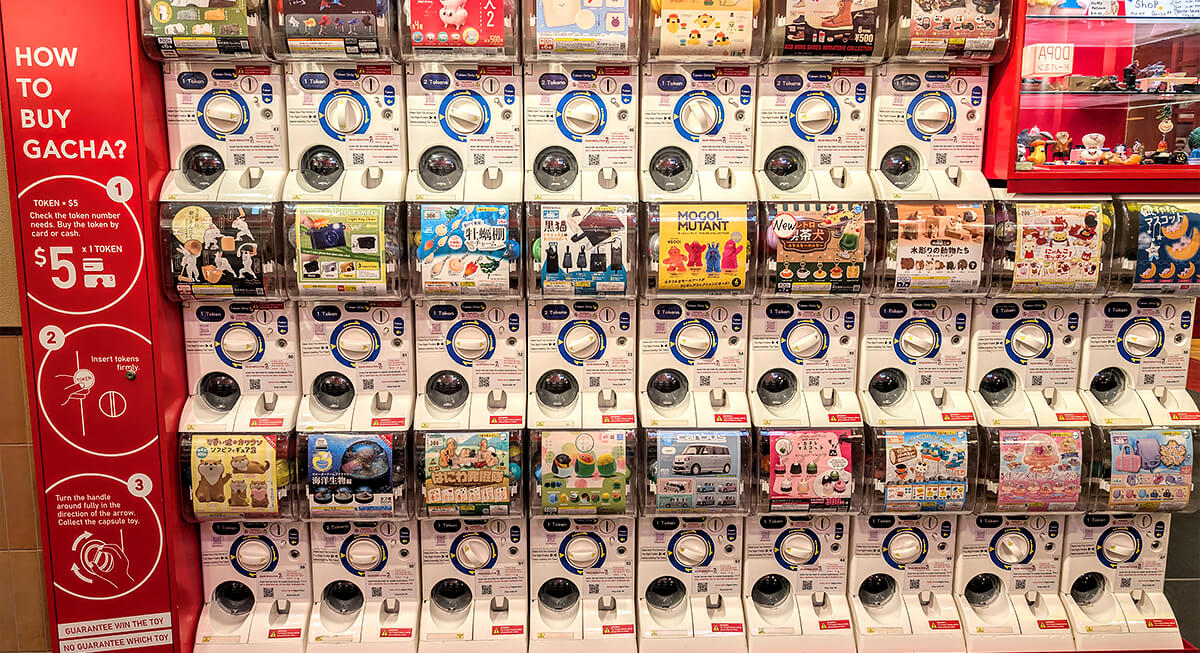
The word “gacha” traces back to Japanese onomatopoeia describing the sound of a toy vending machine getting cranked. Those machines trace back to the 1960s, when entrepreneur Ryuzo Shigeta modified an American vending machine to dispense toys sealed inside plastic capsules. The concept took off across Japan and migrated into mobile gaming. Wikigacha borrows a similar structure, replacing paid loot with free booster packs and swapping fictional characters for Wikipedia.
Over 6.7 Million Cards Exist in the Game
Credit: Reddit
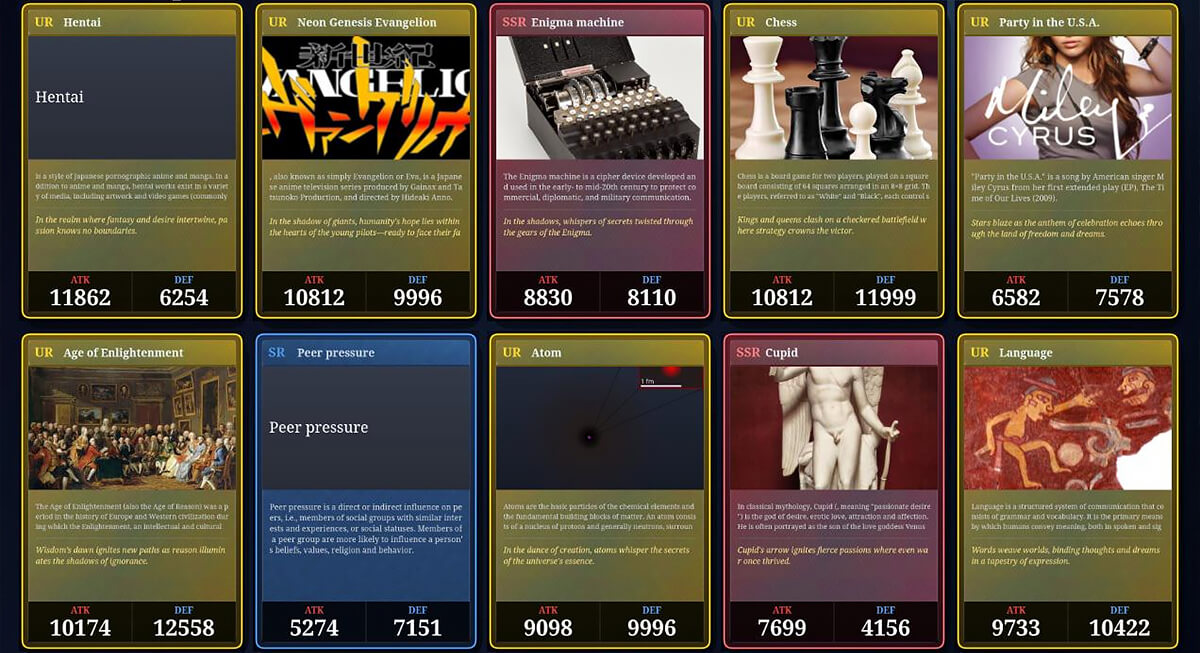
With exactly 6,746,498 unique cards pulled directly from Wikipedia’s database, the odds of two players owning the same collection are low. The Common rarity tier alone accounts for 2,795,159 of those cards. The sheer scale is genuinely difficult to contextualize. Media outlets covering the game’s launch described it as almost certainly the largest card game ever created, physical or digital.
Card Trading
Credit: Reddit
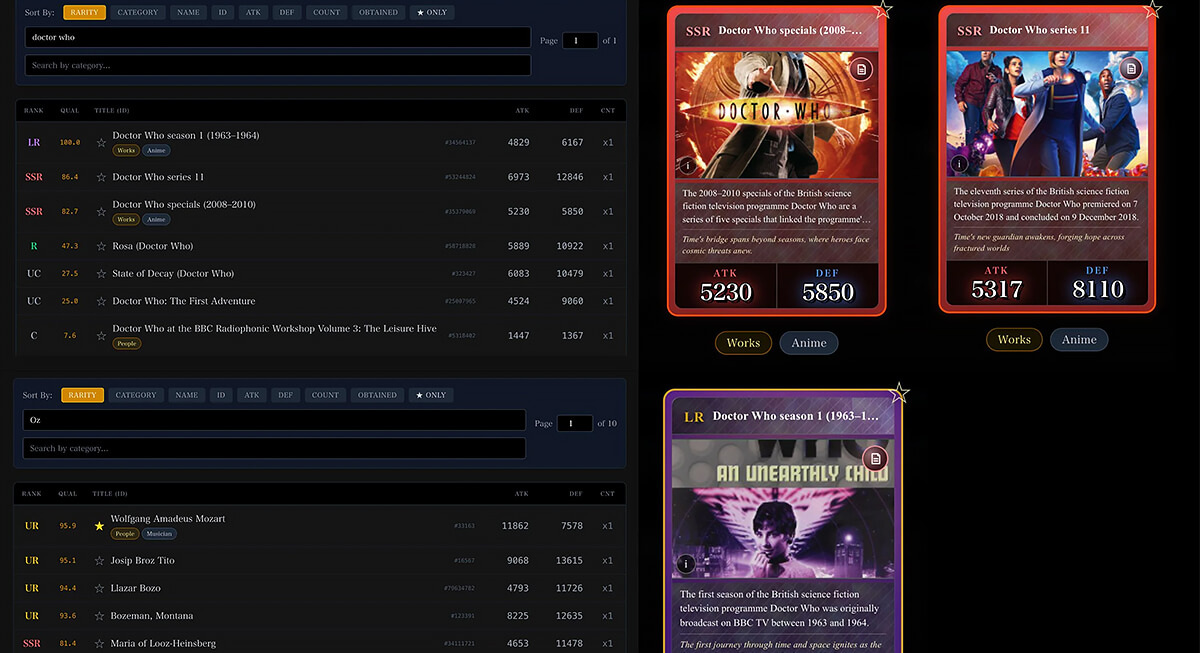
Wikigacha.net includes a trading system through a dedicated tab, though Harusugi’s version doesn’t support it yet. When you list a card, it leaves your collection and appears in a public feed where other players can offer trades. You can review each offer, see the player’s name along with the card’s rarity, ATK, and DEF stats, then decide whether to accept or pass.
A Scoring System Decides Card Rarity
Credit: Reddit
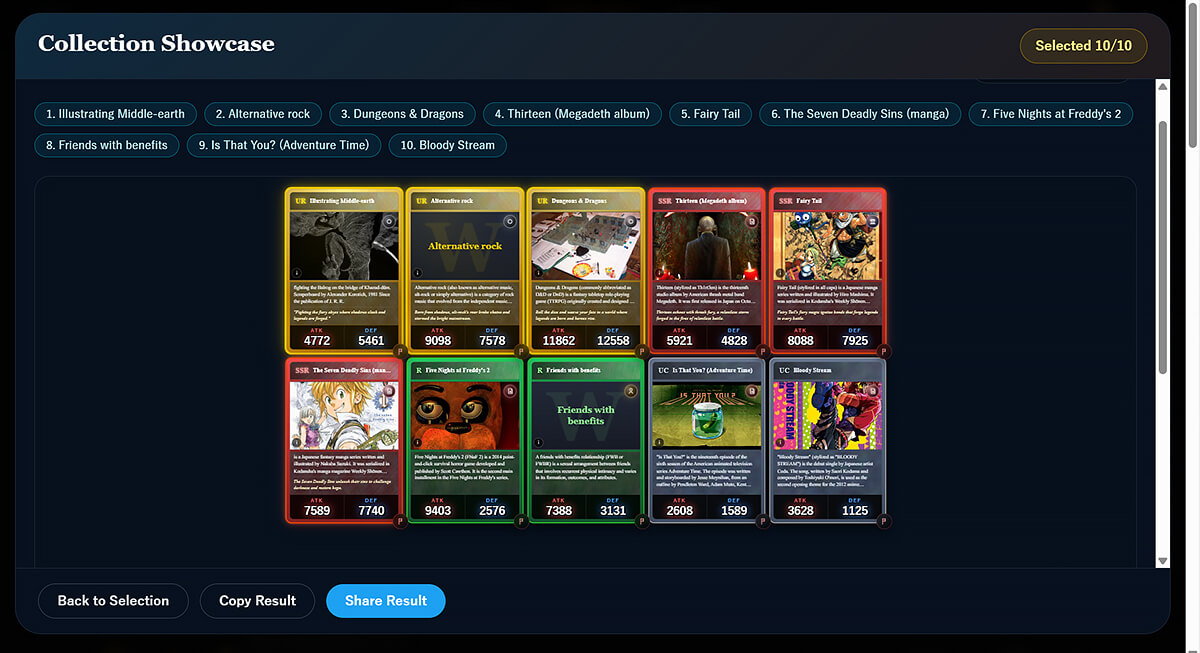
Wikigacha doesn’t assign rarity purely by chance. Instead, each Wikipedia article receives a quality score based on factors such as article length, references, images, popularity, and editor activity. That score determines the card’s rarity tier, which can range from Common and Uncommon all the way to Rare, Super Rare, Super Special Rare, Ultra Rare, and Legend Rare.
Attack and Defense Power Calculation
Credit: Reddit
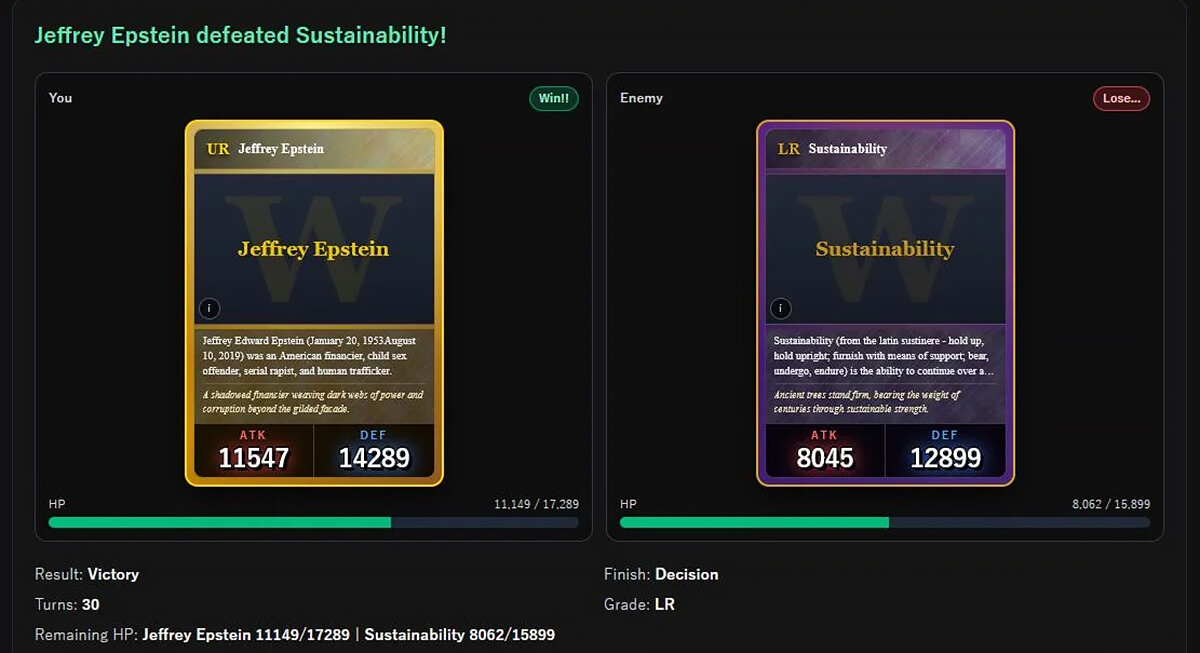
Wikigacha pulls its card stats directly from Wikipedia data. ATK is based on an article’s page views, while DEF comes from the article’s length. Both values are then adjusted by rarity-specific multipliers and capped at 15,000. That means a long, detailed article can earn strong DEF stats, but the highest numbers usually require a higher rarity tier as well.
All Progress Saves Locally
Credit: Reddit
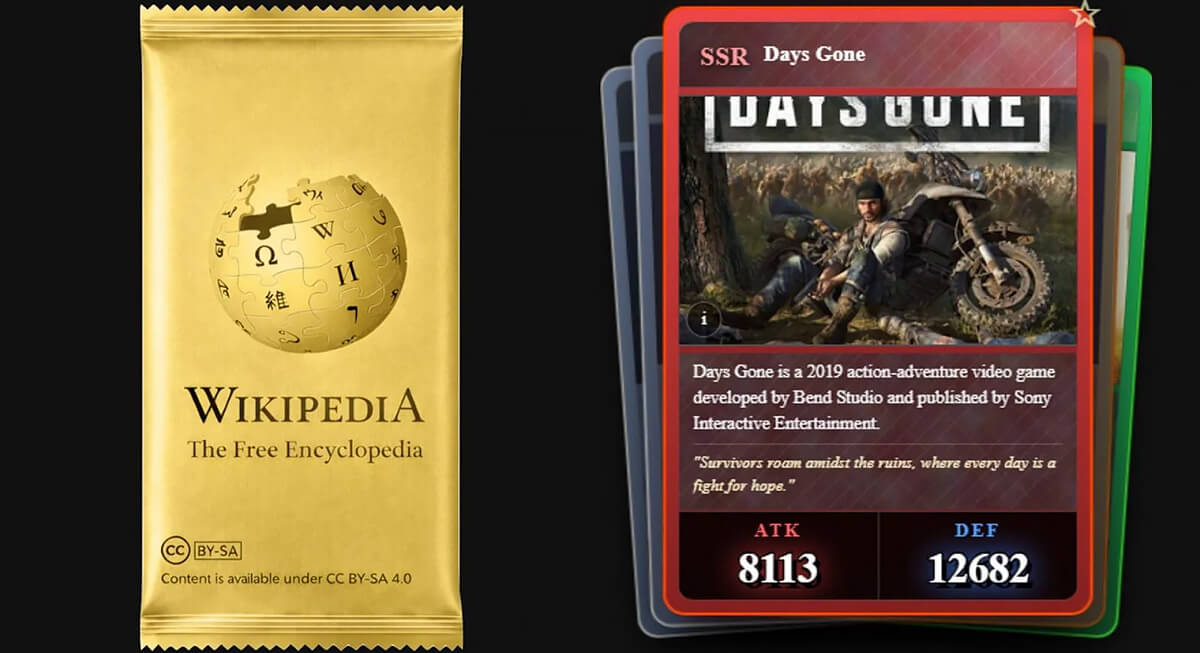
Wikigacha stores every card collected, every achievement earned, and all progression data in the player’s browser rather than on a remote server. Players don’t need to create an account or log in to play. For players who want to safeguard their collection or move it to another device, the game includes built-in data export and import features.
The Daily Raid Boss Attack
Credit: Reddit
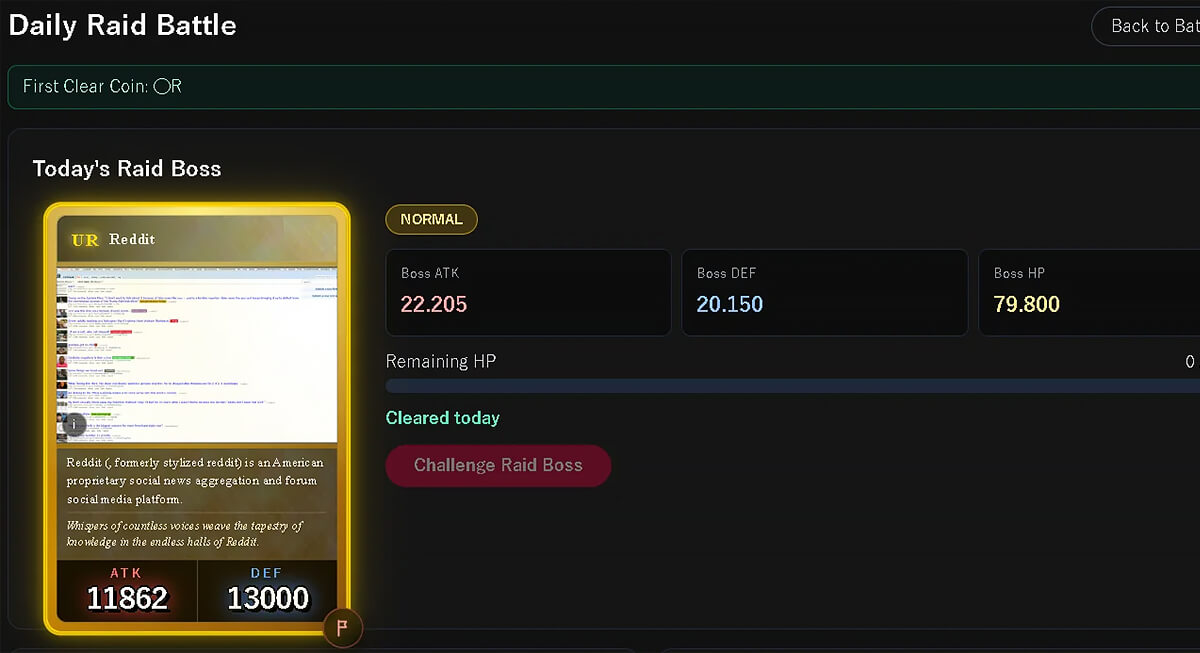
The daily raid battle in Wikigacha presents a single powerful card as the boss, and players manually select up to ten cards from their collection to deploy against it. The battle then resolves automatically based on the ATK and DEF stats of the cards involved. Completing the raid earns a raid coin marked with the first letter of the defeated Wikipedia article. That system incentivizes daily participation in the event.
Wikigacha’s Monetization Approach
Credit: Reddit
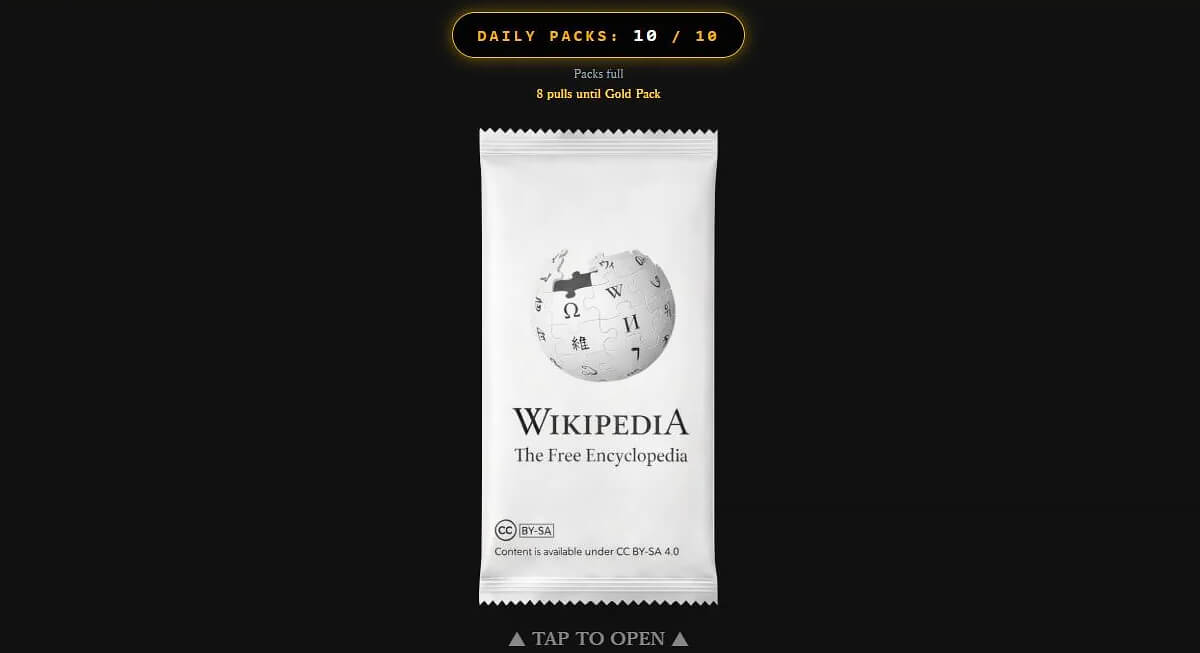
Many games eventually find a way to charge for something, but Wikigacha has no microtransactions, no paid loot boxes, and no premium currency so far. Every pack is earned through daily allocations, ads, and missions. One subtle financial element attached to the game is an optional Buy Me A Coffee donation link that appeared after the servers buckled under viral demand, purely to help cover scaling costs.
The Game Runs in Different Languages
Credit: Reddit
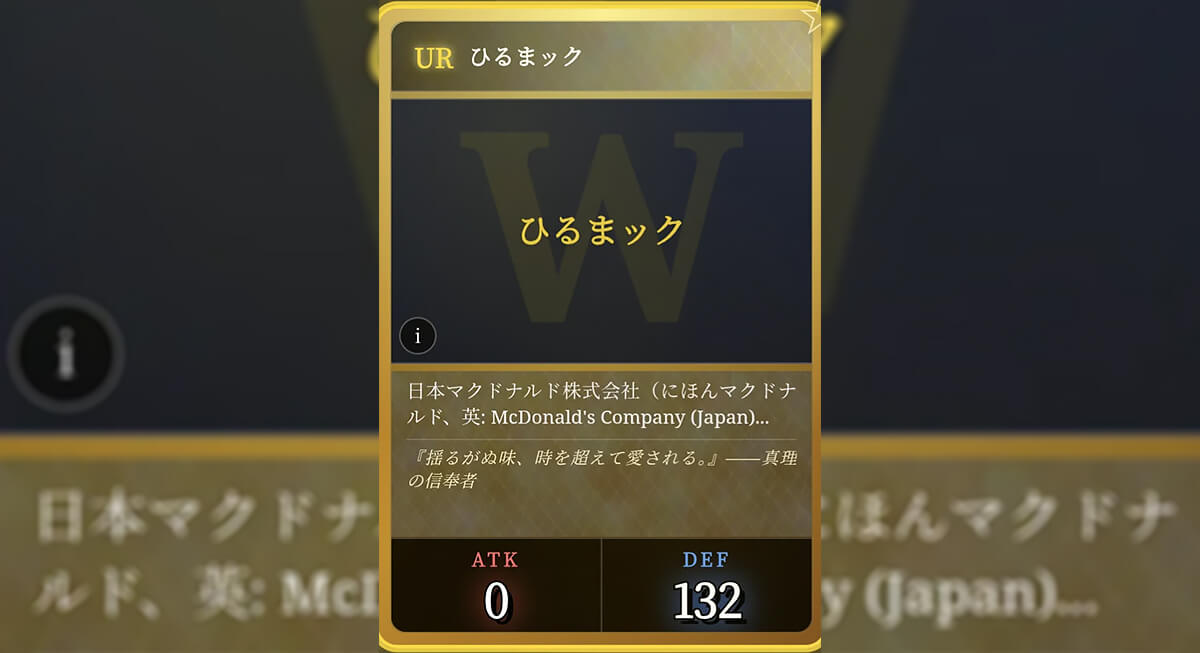
Wikigacha has language-specific versions, including English and Japanese, with additional language versions reported. Interestingly, each language version draws from its own Wikipedia edition rather than a shared global pool. Since article quality scores vary across editions, the same subject could carry a different rarity tier depending on which language a player chooses.
Team Battle Lets Players Field Five Cards at Once
Credit: Kotaku
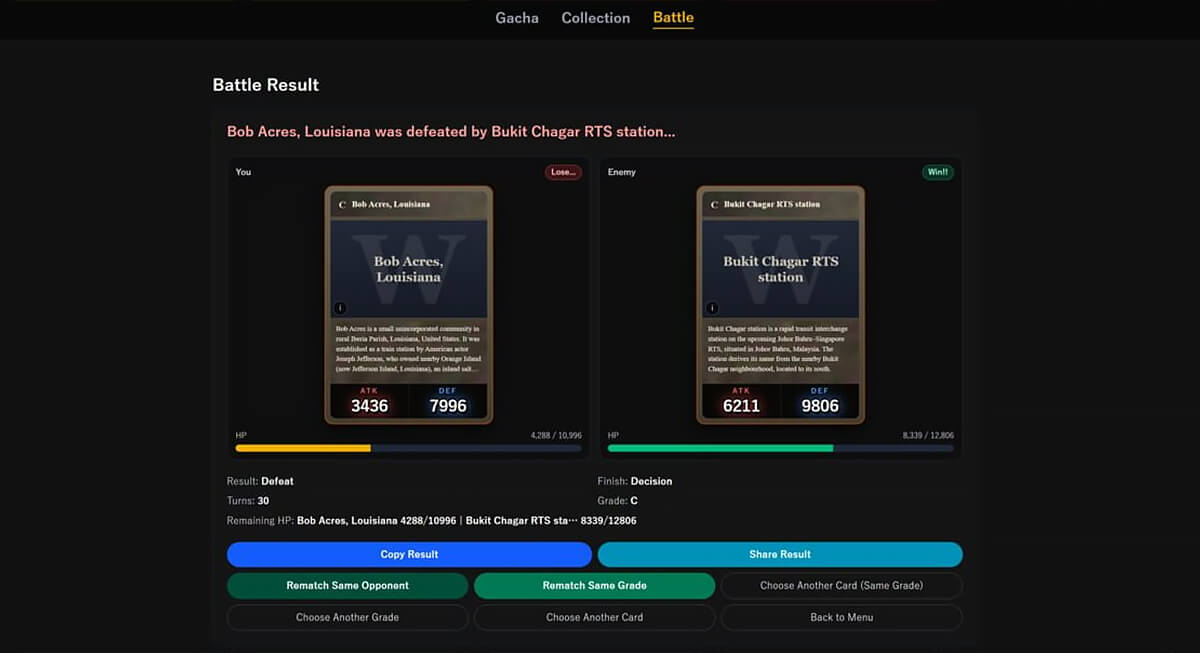
Beyond the daily raid and single-card matchups, Wikigacha includes a Team Battle mode where players select five cards and go head-to-head against another player’s team of five. Battles are resolved based on each card’s ATK and DEF stats. A Story Mode is also in development, which will connect individual fights into a series of consecutive battles.