Horrifying Facts About the Lies Told by the Tobacco Industry
Cigarettes have killed more Americans than all U.S. wars combined. That fact alone is hard to sit with. For decades, tobacco companies worked behind the scenes to soften, question, or distract from the truth about what their products were doing to people’s bodies. What follows is a closer look at some of the most disturbing deceptions in Big Tobacco, from private boardroom decisions to the real-life damage suffered by smokers who trusted what they were told.
Doctors Used to Prescribe Specific Brands
Credit: Reddit
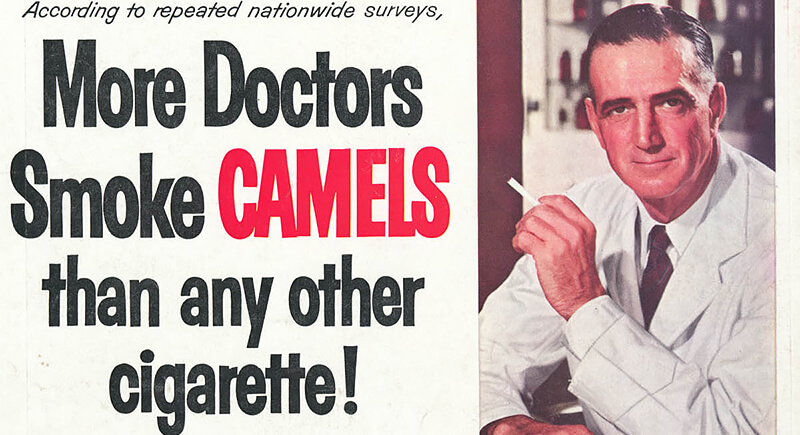
It sounds unbelievable now, but cigarette ads once featured doctors in white coats endorsing specific brands. Slogans like “More doctors smoke Camels than any other cigarette” reassured the public that smoking was safe, even healthy. Stanford’s tobacco advertising archives show the American Medical Association carried cigarette ads into the 1950s, giving the industry medical credibility it had not earned.
Nicotine Manipulation

Credit: Wikimedia Commons
Internal industry documents later revealed that addiction was part of the design. Records from the Legacy Tobacco Documents Library at UCSF show that Brown and Williamson and other companies adjusted nicotine levels to make cigarettes more addictive. One memo even described the product as a “nicotine delivery device.” Higher nicotine doses were not accidental. They were central to the business model.
Countering Health Risk With Media Campaigns
Credit: Wikipedia
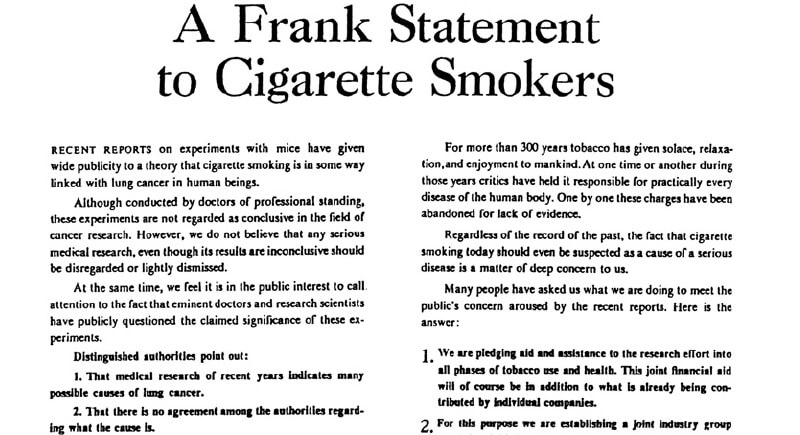
By the 1950s, tobacco executives had internal research linking cigarettes to cancer. Instead of warning the public, they launched media campaigns to cast doubt. The 1954 “Frank Statement to Cigarette Smokers,” published in more than 400 newspapers, promised concern and transparency while sidestepping the evidence. NCI’s Monograph 19 later detailed how these efforts used media to protect profits rather than public health.
Joe Camel Was Not an Accident
Credit: ebay
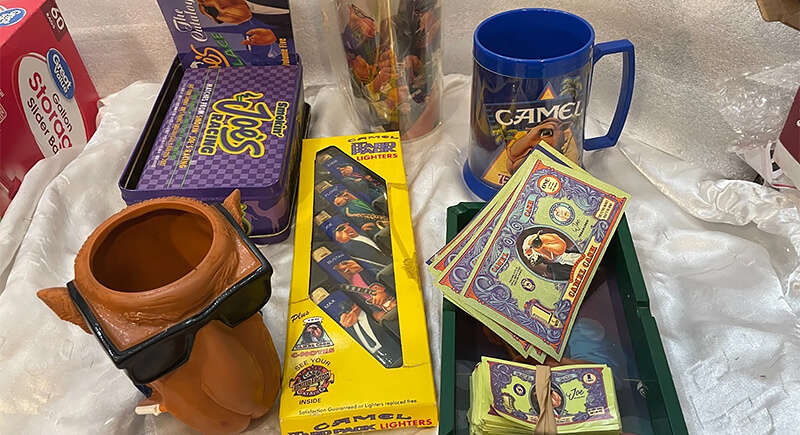
Joe Camel was designed to attract attention, and it worked. A study in JAMA found that children ages 3 to 6 recognized Joe Camel as easily as Mickey Mouse, showing how strongly the campaign reached young audiences. In 1997, the FTC charged RJ Reynolds with violating federal law, and the company ended the campaign. Internal documents later showed detailed tracking of youth attitudes and brand appeal.
Menthol’s Role Was Anything But Accidental
Credit: ebay
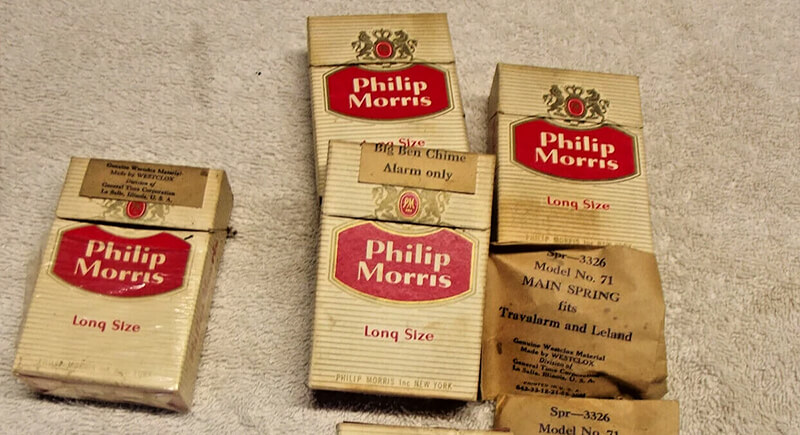
Menthol was added for a reason. Its cooling effect can reduce the harsh feel of smoke and make deeper inhalation easier for some users. Internal Philip Morris documents show targeted marketing campaigns in Black neighborhoods. In 2022, the FDA noted that nearly 85 percent of non-Hispanic Black smokers use menthol cigarettes, a disparity tied directly to decades of focused industry strategy.
The Tobacco Industry Funded Its Own Science

Credit: Canva
In 1954, alongside the Frank Statement campaign, tobacco companies created the Tobacco Industry Research Committee and presented it as an independent scientific body. It was funded and directed by the industry itself. The American Journal of Public Health later documented how the group was used to question clear links between smoking and cancer and label damaging findings as inconclusive, delaying public understanding for years.
Burying Regulations With Lobbying
Credit: Wikimedia Commons
The 1998 Master Settlement Agreement cost U.S. tobacco companies $206 billion, yet it did not end their political maneuvering. Documents reported by The Guardian in 2017 showed that Philip Morris International worked to weaken World Health Organization tobacco control treaties in several countries. Publicly, the company spoke about change. Behind the scenes, it supported efforts to soften or block health protections.
Secondhand Smoke Denial

Credit: iStockphoto
A 1978 Roper Organization report for the Tobacco Institute warned that secondhand smoke posed a serious threat to the industry’s future. Instead of addressing the danger, companies funded research and lobbied against smoke-free laws. In 1992, the EPA classified secondhand smoke as a Class A carcinogen. The industry then worked for years to challenge and discredit that finding.
Light Cigarettes Were a Marketing Myth
Credit: flickr
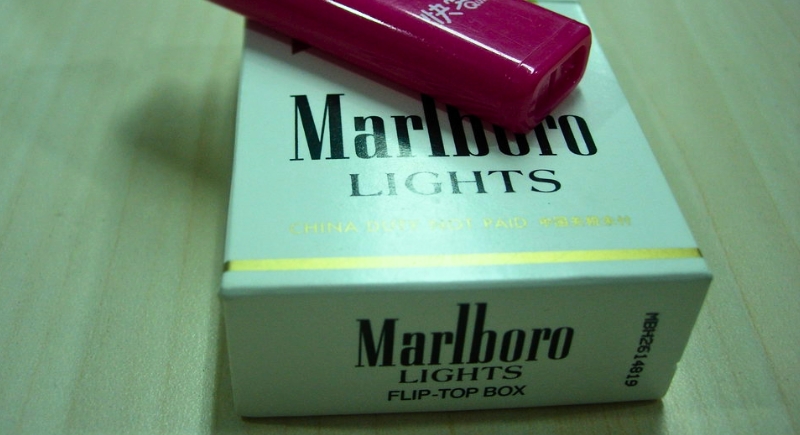
The National Cancer Institute’s Monograph 13 found that smokers of “light” cigarettes often took longer or deeper puffs, leading to nearly the same tar and nicotine exposure as regular brands. Internal documents showed companies understood how real-world smoking habits could cancel out lower machine-measured yields. The labels stayed in use until 2008, when the FTC withdrew its guidance and warned they were misleading.
The Court Actually Called It Fraud

Credit: Canva
In 2006, Judge Gladys Kessler issued a 1,683 page ruling in U.S. v. Philip Morris USA. The court found that Philip Morris, RJ Reynolds, Lorillard, and others had violated federal racketeering law through a long running campaign to deceive the public about addiction and health risks. The companies were ordered to publish corrective statements, some of which began appearing in 2017.