The Most Expensive Items From the Titanic Are Still Lost at Sea
When the Titanic sank in April 1912, it killed 1,500 people and dragged millions of dollars’ worth of treasures down with it. The ship was carrying some of the wealthiest passengers of the era, so when insurance claims rolled in a year later, they totaled more than half a billion dollars in today’s dollar equivalent. Most of those valuables are still down there, miles below the surface, and likely lost forever.
La Circassienne Au Bain

Credit: Wikimedia Commons
A massive neoclassical painting by French artist Merry-Joseph Blondel went down with the ship, valued at roughly $3.3 million today. The artwork depicted a Circassian woman awkwardly climbing into a bath. Swedish businessman Mauritz Håkan Björnström-Steffansson brought it aboard, intending to take it to America. He survived by jumping onto Collapsible D, one of the last lifeboats launched, just 25 minutes before the Titanic disappeared beneath the waves.
Charlotte Cardeza’s Trunks and Crates

Credit: pexels
One first-class passenger traveled with 14 trunks, four suitcases, and three crates. Charlotte Cardeza, an American heiress, had packed an absurd amount of belongings for the voyage. Her insurance claim totalled $177,352.75, which translates to about $5.8 million. Charlotte survived the sinking and filed what became one of the largest personal property claims against the “White Star Line.”
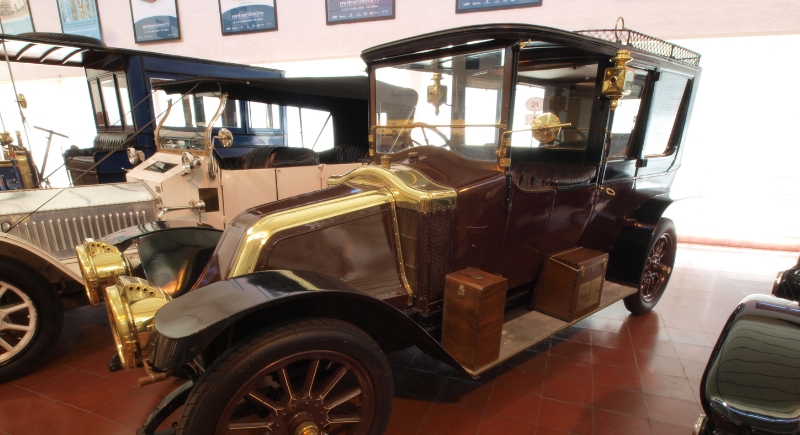
The Renault Type CB Coupé de Ville
Credit: Wikimedia Commons
William Carter, an American millionaire and polo enthusiast, had purchased a brand-new 1912 Renault in Europe. The car was valued at $5,000, about $162,000 in today’s money. It was likely stored in a crate, though the 1997 James Cameron film featured Jack and Rose steaming up the windows of a similar vehicle. Carter survived by boarding Collapsible C when the forecastle deck was nearly underwater. The Renault remains somewhere in the debris field.
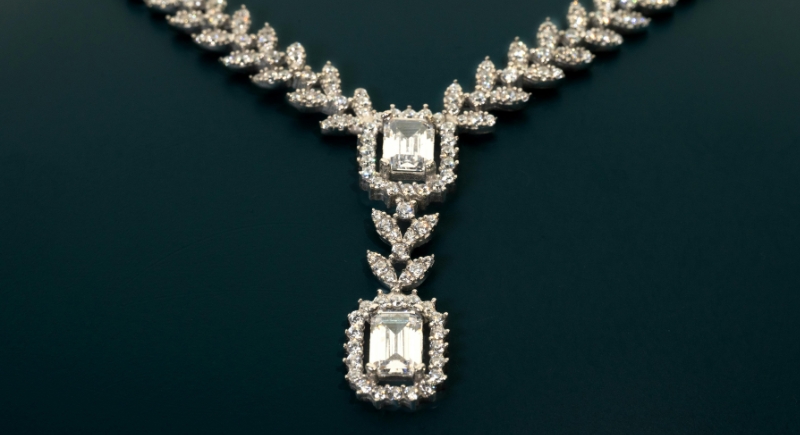
Margaret Brown’s Diamond Necklace
Credit: pexels
Margaret Brown lost several valuables when the RMS Titanic sank, including a diamond necklace valued at $7,000 in 1912, roughly $230,000 today. She had been returning from Egypt, where she collected artifacts for a Denver museum. Before stepping into a lifeboat, she slipped a small Egyptian statue into her pocket. She later presented that keepsake to Arthur Rostron, whose ship rescued survivors.
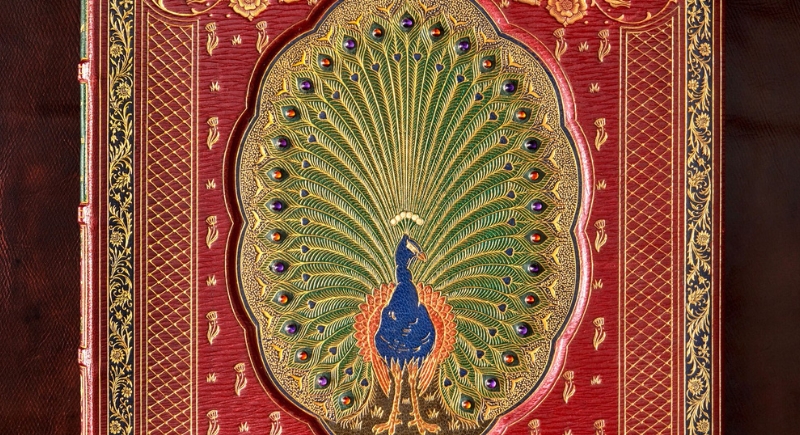
The Jeweled Rubáiyát of Omar Khayyám
Credit: Instagram
Bookbinder Francis Sangorski spent two years creating what the “Daily Mirror” called a remarkable specimen of binding. The book featured around a thousand jewels, plus several square feet of gold leaf. At auction, Gabriel Wells’s agent bought it for £405. The book missed its original sailing to New York and was instead placed aboard the Titanic. That decision cost Gabriel his extravagant books, now worth an estimated $1.3 million.
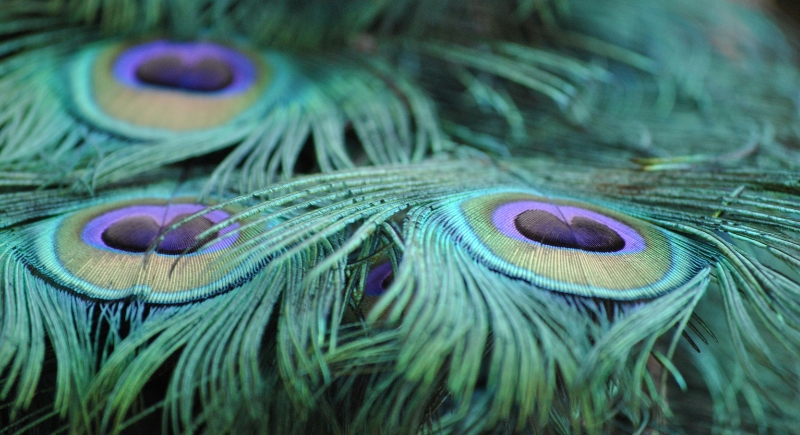
Exotic Feathers
Credit: pexels
A shipment of rare feathers valued at roughly $2.3 million today sank with the Titanic. During the early 1900s, exotic plumage was extremely fashionable for women’s hats. The millinery trade drove demand so high that some hunters in New Guinea and surrounding regions would kill birds specifically for their elaborate tail feathers. These shipments represented significant financial investments for importers and fashion houses, but the iceberg had other plans.
A 110,000-Foot Film Reel Collection

Credit: Wikimedia Commons
Motion picture pioneer William Harbeck was transporting film footage when the Titanic went down. His collection included promotional reels and personal projects, which he planned to screen in America. Early cinema was gaining popularity, and original film reels held artistic and commercial value. Neither William nor the reels survived the disaster. Whatever he’d captured in 1912 Europe disappeared from history, robbing future generations of a window into the past.
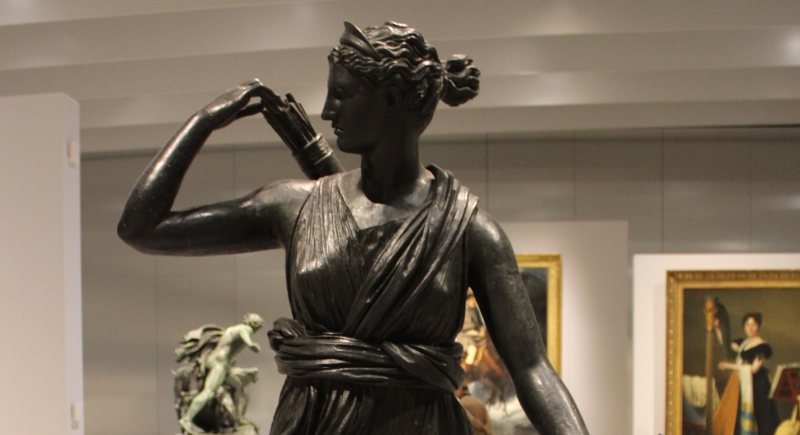
The Diana of Versailles Bronze Statuette
Credit: Wikimedia Commons
A two-foot-tall bronze replica of the Roman hunting goddess once graced the mantelpiece in Titanic’s first-class lounge. The statuette was a copy of a larger marble sculpture currently in the Louvre. For decades, the statue was presumed lost or illegally salvaged. Then, in 2024, oceanographers from RMS Titanic Inc. captured her during a three-week dive. She was half-buried in sediment, but she remains unsaved.
Edith Rosenbaum’s Fashion Samples
Credit: Wikimedia Commons
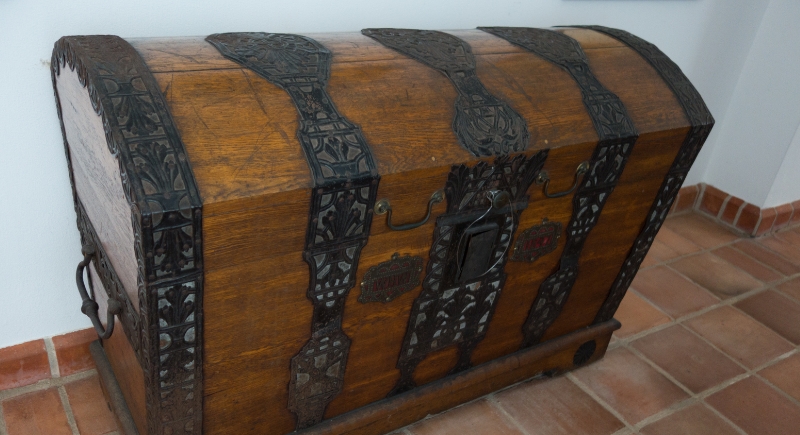
Edith Rosenbaum, a fashion journalist, carried a musical toy pig that played the “Maxixe” when anyone wound its tail aboard the Titanic. She survived the disaster, and the pig became famous when she displayed it in interviews and lectures for decades afterward. Sadly, Edith lost trunks full of Paris fashion samples. Those samples represented the latest haute couture designs at the time and could have commanded a premium today.
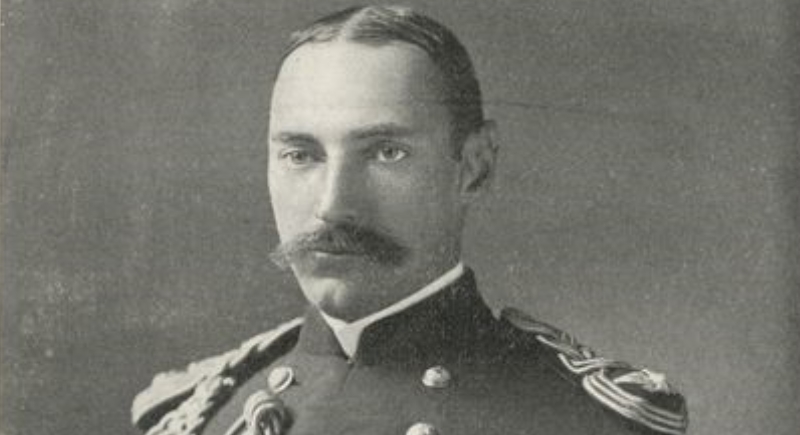
John Jacob Astor IV’s Personal Effects
Credit: Wikimedia Commons
The richest man aboard the Titanic went down with the ship. John Jacob Astor IV would have had a net worth of over $2.8 billion today. When crew members recovered his body days later, it held a gold pocket watch, cufflinks, a diamond ring, and some cash. John had been traveling through Europe and Egypt with his new wife, Madeline, purchasing items along the way. Whatever treasures they’d collected remain lost.