Things About Albert Einstein That Most History Books Leave Out
Most people know Albert Einstein as the mind behind E = mc². You might also have heard the story that he struggled in school or failed math. That image of a lone genius has stuck for years. But when you look beyond the headlines and into his letters and personal life, a different picture appears. Einstein’s life included complicated relationships, strong opinions, and moments that rarely make it into textbooks.
Helped Design a Refrigerator
Credit: Wikimedia Commons
After a tragic household accident took a family’s life due to leaking refrigerator gases, Einstein became concerned about the safety of cooling appliances used in homes. So, he partnered with Hungarian physicist Leo Szilard to design a safer alternative. Their refrigerator used ammonia, butane, water, and heat instead of mechanical compressors. The design contained no moving parts that could easily fail.
Spoke Later Than Most Children

Credit: Getty Images
Unlike numerous children who start speaking at age 2 or 3, the famous scientist did not talk properly until around age 7. Adults often worry about this delayed speech development. Later observers suggested possible links to autism spectrum traits. Economist Thomas Sowell later introduced the term “Einstein Syndrome” to describe gifted individuals who speak later than expected.
The Story About Failing Math is Not True
Credit: pexels
Many people repeat the claim that Einstein failed mathematics in school, but historical records show the opposite. In fact, he performed strongly in mathematics during his early education and had already studied calculus independently by the time he turned 12. Confusion arose after a change to the grading system at one of his schools. Later writers misunderstood the grading numbers and assumed they represented failing marks.
Had a Daughter Few People Knew About

Credit: Photo Images
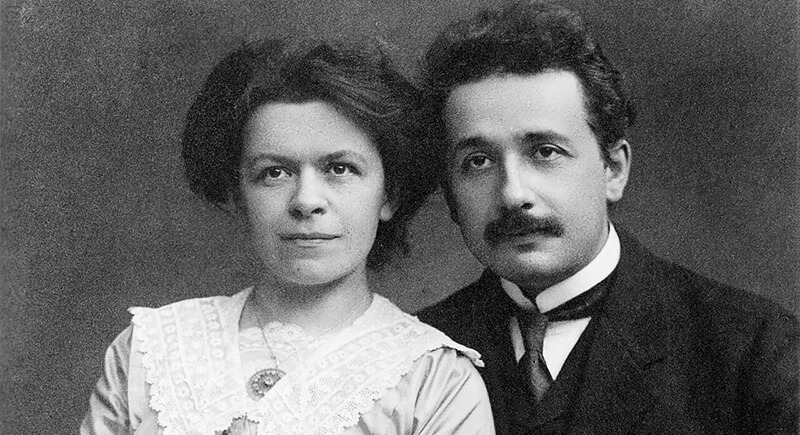
In 1902, Albert Einstein and Mileva Marić had a daughter, Lieserl, before their marriage. The child remained unknown to the public for decades, and researchers only learned of her existence after examining personal letters released in the late 1980s. Very little information describes her life, and no one is sure whether she passed away in infancy or was adopted.
His Marriage Included Conflict and Cheating
Credit: Wikipedia
Like many marriages that experience ups and downs over time, the renowned physicist’s relationship with Mileva Marić faced growing strain. They married after studying together in Zurich, yet their bond changed as his reputation expanded. Letters written over the course of their marriage reveal emotional distance and tension. He also maintained several romantic relationships outside the marriage.
Worked At a Patent Office Before Fame
Credit: Institute for Advanced Study
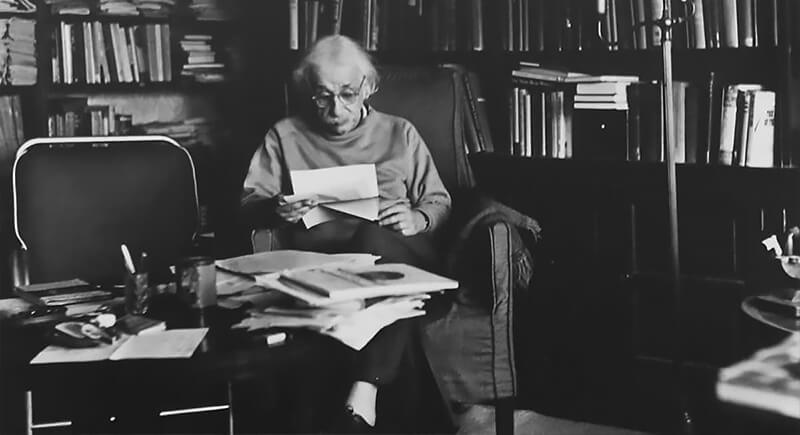
You would think companies would rush to hire a genius, but the future Nobel laureate struggled to find academic work after graduating from university. His professors offered limited support because he frequently skipped lectures. Eventually, Einstein accepted a position as a technical examiner at the Swiss Patent Office in Bern.
His Miracle Year Produced Four Breakthrough Papers
Credit: Wikimedia Commons
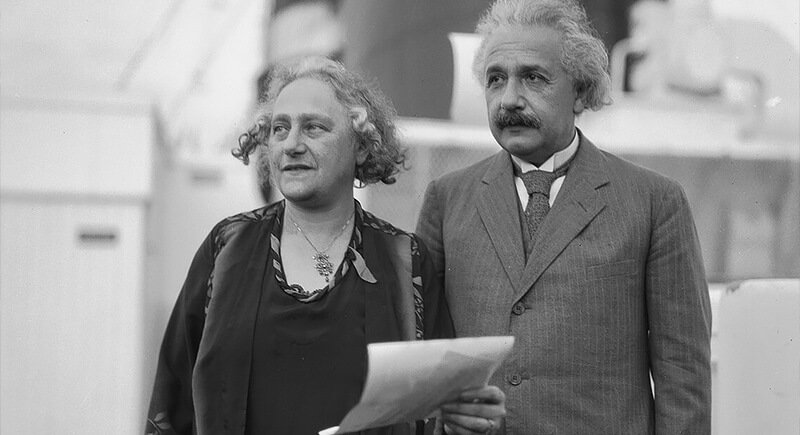
While working at the patent office in 1905, the German-born physicist published four papers that reshaped physics. Each paper addressed a different scientific question and proposed new ways of thinking about physical laws. Subsequently, scientists referred to this period as his miracle year because of the impact these papers had on the field.
A Solar Eclipse Confirmed His Theory

Credit: Wikimedia Commons
If you studied science in school, you likely learned that the Nobel laureate developed the theory of general relativity in 1915. The theory predicted that gravity bends light near massive objects, but you may not know that this idea remained unproven for several years. Astronomers finally tested it during a total solar eclipse in 1919 and confirmed the predicted shift.
The Nobel Prize Recognized a Different Discovery
Credit: Wikipedia
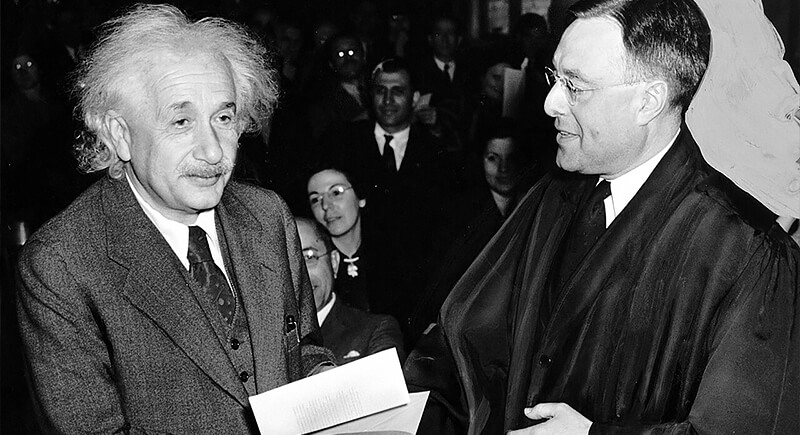
We all know that Albert Einstein received the Nobel Prize in Physics, but the award was not given for relativity as many assume. The Nobel committee selected his work on the photoelectric effect instead. He demonstrated that light can behave like particles when interacting with matter. This explanation allowed experts to better understand early quantum physics.
His Brain and Eyes Were Removed After His Passing
Credit: Wikipedia
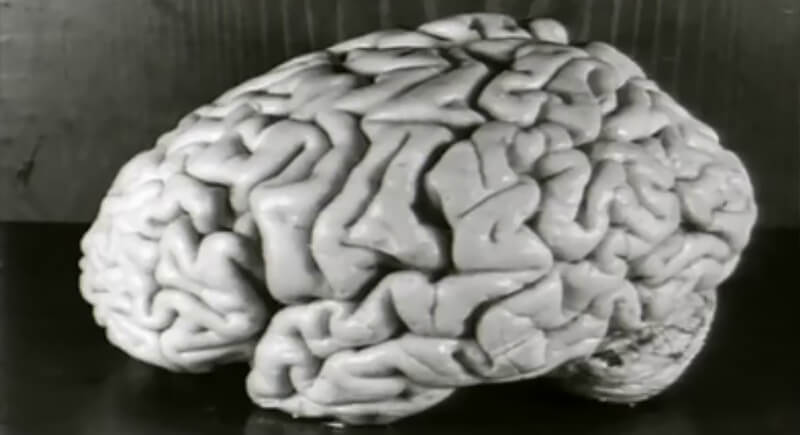
Soon after the physicist left this world in April 1955, an unusual chain of events unfolded at Princeton Hospital. At the time of the autopsy, pathologist Thomas Harvey removed his brain without permission because he hoped it could be studied. He also stored pieces in jars and transported them across the country. He also removed Einstein’s eyes and gave them to the deceased’s ophthalmologist.