17 Tax Benefits Every 50+ Individual Should Know About
Turning 50 doesn’t just mean better wine preferences and a deeper appreciation for naps; it also unlocks a suite of tax perks designed to ease the financial path toward retirement. These benefits can help you save more, reduce taxable income, and stretch your dollars further.
Based on current IRS guidelines and financial planning resources, here’s our rundown of the top tax benefits every American over 50 should be aware of.
Increased Standard Deduction

Credit: Alexander’s Images
The standard deduction is typically higher for those age 65 and older than for younger taxpayers. For the 2025 tax year, the additional standard deduction for those age 65 or older and/or blind is $1,950 for single, head of household, or qualifying surviving spouse filers and $1,600 each for married filing jointly, married filing separately. If you are 65 or older and blind, the additional amount is doubled. This can reduce your taxable income if you don’t itemize deductions.
Catch-Up Contributions to Retirement Accounts
Credit: Getty Images
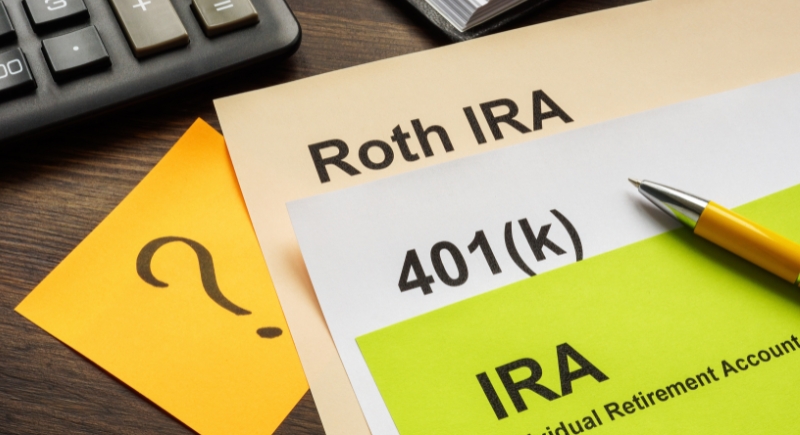
Individuals age 50 and over can make “catch-up” contributions to boost retirement savings. For 2026, the IRA catch-up remains $1,000, while the 401(k) limit is $7,500. Notably, those aged 60–63 now qualify for even higher “super” catch-up limits on employer plans, allowing for significantly more tax-deferred growth as retirement approaches.
Penalty-Free Withdrawals from Retirement Accounts at 59½

Credit: studioroman
Generally, withdrawals from traditional IRAs and 401(k)s before age 59½ are subject to a 10% early withdrawal penalty. Once you reach 59½, you can typically withdraw funds without this penalty. Qualified distributions from Roth accounts (those made at least five years after your first contribution and after age 59½) are also tax-free.
Tax Counseling for the Elderly (TCE)

Credit: Canva
The IRS’s TCE program provides free, reliable assistance to taxpayers 60 and up. Often staffed by AARP Foundation volunteers, this service focuses on retirement-specific issues like pensions and withdrawals. It’s a helpful resource during tax season, especially for those navigating changes in income or benefits.
Credit for the Elderly or the Disabled

Credit: Canva
If you are age 65 or older or are permanently and totally disabled, and meet certain income requirements, you may be eligible for this tax credit. The credit amount ranges from $3,750 to $7,500.
Medical Expense Deduction

Credit: Canva
Taxpayers can deduct qualified medical expenses exceeding 7.5% of their adjusted gross income (AGI). As healthcare costs often increase with age, this deduction can be particularly beneficial for those over 50. Keep detailed records of all medical expenses, including doctor visits, hospital stays, medications, and insurance premiums.
Health Savings Account (HSA) Contributions

Credit: zimmytws’s Images
If you have a high-deductible health plan, you can contribute to an HSA. Contributions are tax-deductible, earnings grow tax-free, and withdrawals for qualified medical expenses are also tax-free. Individuals age 55 and over can also make additional “catch-up” contributions to their HSA. For 2025, the catch-up contribution amount is $1,000.
Qualified Charitable Distributions (QCDs) from IRAs

Credit: studioroman
Individuals age 70½ and older can make direct transfers of up to $100K per year from their traditional IRAs to qualified charities. These QCDs are excluded from your taxable income and can satisfy your required minimum distributions (RMDs).
Social Security Benefits Taxation

Credit: Getty Images
While Social Security benefits may be taxable, up to 85% of your benefits could be tax-free depending on your other income. Careful planning of withdrawals and other income can help minimize the tax on your Social Security benefits.
Retirement Plan Contributions After Retirement

Credit: Getty Images
You don’t have to stop saving once you retire; just keep earning. If you have income from part-time work or consulting, you can still contribute to a traditional or Roth IRA. The deductions and growth potential continue as long as that income keeps rolling in.
Saver’s Credit

Credit: Getty Images
Low-to-moderate-income taxpayers who contribute to an IRA or employer-sponsored retirement plan may be eligible for the Saver’s Credit. If you are 50 or older and meet the income requirements, this credit can help offset the cost of saving for retirement. The maximum contribution that qualifies for the credit is $2,000 if single, and the credit can be worth up to 50% of your contribution, depending on your AGI.
Estate Planning Benefits (Though not income tax)

Credit: DragonImages
While not an income tax benefit, estate planning minimizes future taxes for beneficiaries. For 2026, the annual gift exclusion has increased to $19,000 per recipient. Additionally, with the current high lifetime exemption set to “sunset” or drastically reduce after 2025, individuals should consult professionals to lock in current protections before laws potentially shift.
Potential Long-Term Care Insurance Deductions

Credit: Getty Images
Premiums for qualified long-term care insurance may be partially deductible, depending on your age and policy terms. As you get older, the deductible limit increases, making this a potentially valuable write-off, especially if you itemize and have significant medical expenses tied to aging care needs.
Home Sale Exclusion

Credit: Andy Dean Photography
If you sell your primary residence that you have owned and lived in for at least two of the past five years, you can exclude up to $250K of the gain from your income if you are single or $500K if you are married filing jointly. This can be particularly relevant for those downsizing in retirement.
State and Local Tax (SALT) Deduction

Credit: Getty Images
Although capped at $10K, the SALT deduction still helps offset some of the bite for older homeowners or retirees in high-tax states. It includes state and local income taxes, property taxes, and sales tax. Every dollar helps, especially for those still itemizing after retirement.
Higher Catch‑Up Limits for Ages 60‑63

Credit: Getty Images
Once you hit 60 but are not yet 64, the IRS gives you an extra chance to beef up retirement savings. Those in employer plans like 401(k)s can contribute more on top of standard catch‑up amounts, helping you shove additional dollars into tax‑deferred accounts while you’re still earning.
Rule of 55 for Employer Plans

Credit: Canva
If you leave your job in the year you turn 55 or later, you can take money from your current employer’s 401(k) or 403(b) without the usual 10% penalty that applies before age 59½. This Rule of 55 exception gives you more flexibility for early retirement income if needed.