The Secret Meaning Behind the Price Codes at Target
Most Target runs are fast-paced and full of distractions. But if you slow down and look closely at the price tags, you’ll notice patterns that can tell you a lot about how much you’re actually saving. Those little numbers aren’t random. They follow a system that helps you time your purchases more effectively and avoid overspending.
Prices Ending in .04 Mean That’s as Low as It Goes

Credit: Getty Images
If the price ends in .04, there’s no more waiting. That item has reached its final markdown, and it won’t go any lower, regardless of how long it remains on the shelf. This is Target’s way of clearing space fast. Shoppers looking for the steepest discount should keep an eye out for these oddball price endings.
A .06 or .08 Ending Suggests One More Drop Might Be Coming
Credit: pexels
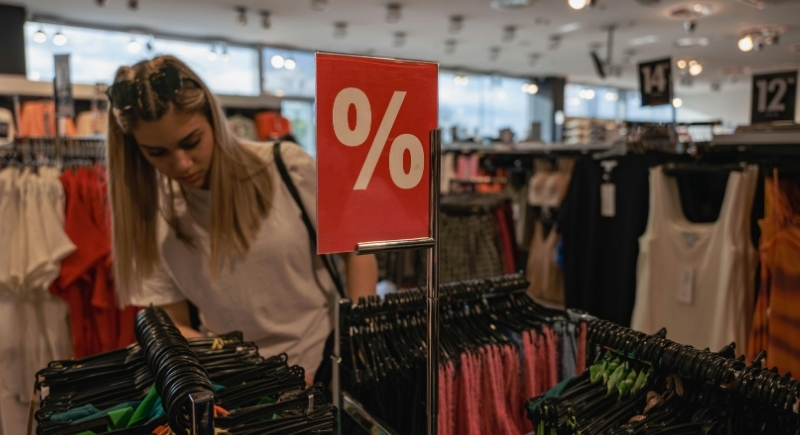
Items ending in .06 or .08 are usually in the middle of the markdown cycle. They’re discounted, but not finalized. Target typically marks down items every two weeks, so if stock is still plentiful and you’re feeling patient, holding off another week or two could reward you with a better deal.
The .09 Price? That’s Full Price, No Discount Yet
Credit: Getty Images
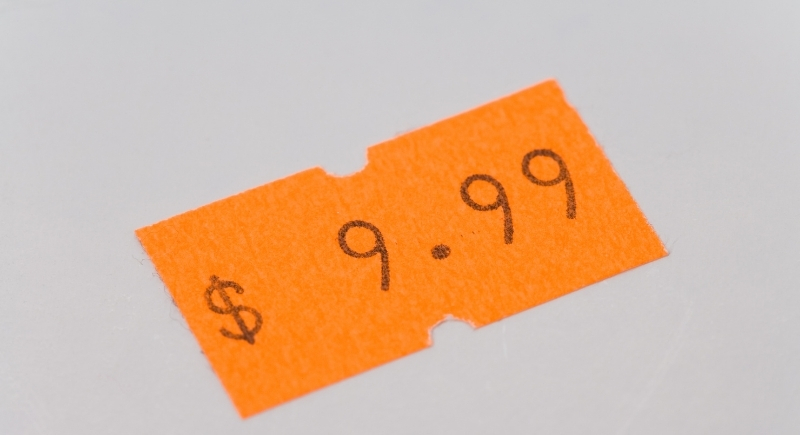
A price ending in .09 reflects standard retail pricing. No markdown has begun, and the tag represents the baseline value before any clearance activity. Items at this stage may stay unchanged for weeks, though overstocked or seasonal products often enter the markdown cycle later. Spotting .09 helps separate full‑price merchandise from items already on the discount track.
The Discount Percentage Is Right on the Tag
Credit: Reddit
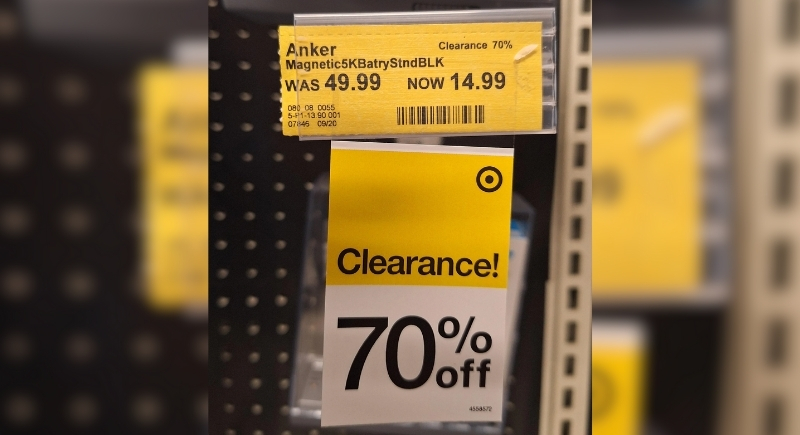
In the upper-right corner of a red clearance tag, you’ll often spot a tiny number like 15, 30, 50, or 70. That’s the percent off the original price. It’s a handy visual cue for gauging where the item sits in Target’s markdown cycle. The higher the number, the closer you are to the final clearance price.
Clearance Happens in Two-Week Cycles
Credit: Facebook
Target usually works on a two-week markdown cycle. Once an item gets its first discount, it’ll be reviewed again after two weeks. If it hasn’t sold out, the price gets slashed further. That’s why it can pay off to track an item and return at just the right time, unless it vanishes before then.
Seasonal Items Drop Fast And Hard
Credit: Facebook
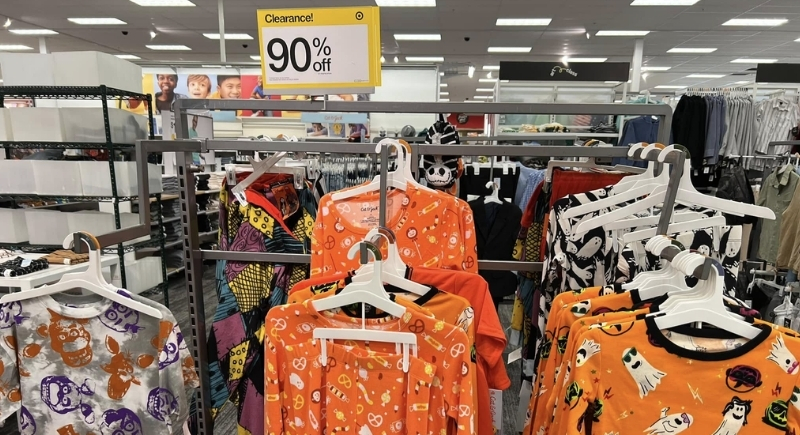
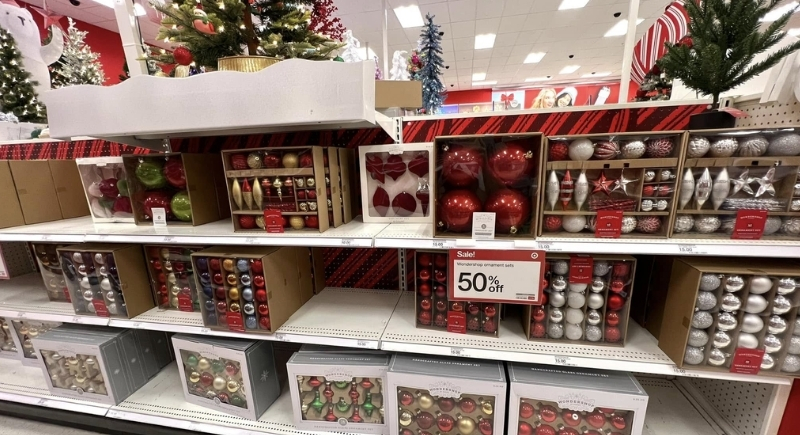
Target doesn’t waste shelf space on holiday leftovers for long. After Christmas, Halloween, or Valentine’s Day, markdowns start aggressively, often beginning at 50% and then reaching 70% or even 90% within days. Unlike regular merchandise, these move quickly through markdown stages, so the window for getting a deal is short but worth watching.
Missed a Sale? Bring Your Receipt Back
Credit: Instagram
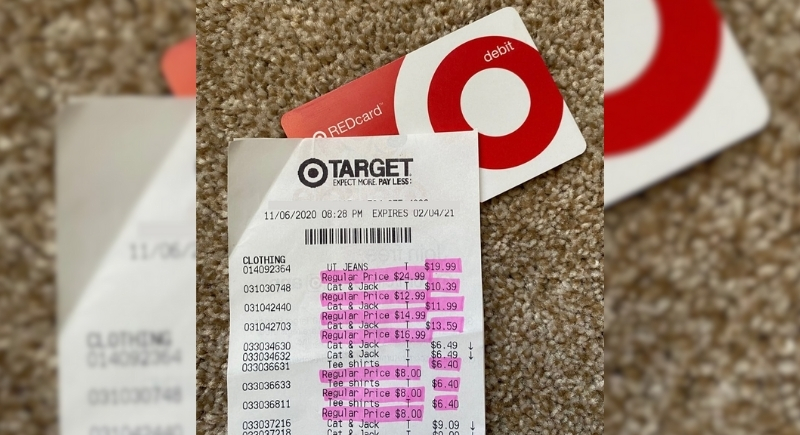
Bought something only to see it go on clearance a few days later? If you’re still within 14 days of the original purchase, please return your receipt. Target will honor the new, lower price. It’s part of their price adjustment policy and can make a last-minute sale feel a little less painful.
Price Tags Include the Original Price—In Small Print
Credit: Reddit
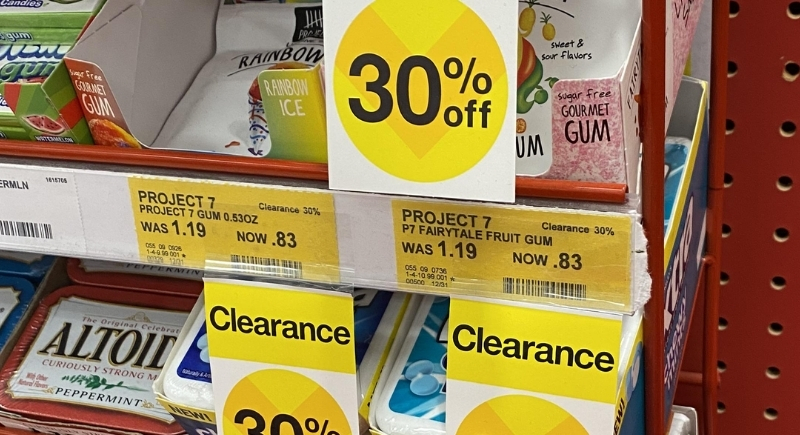
That tiny number in the bottom-left corner of a clearance tag is actually the original retail price. Comparing it with the current price and the discount percentage above helps you confirm whether you’re getting a solid deal or if it might be worth holding out for a bigger drop.
Markdowns Vary by Department, Day by Day
Credit Aflo Images
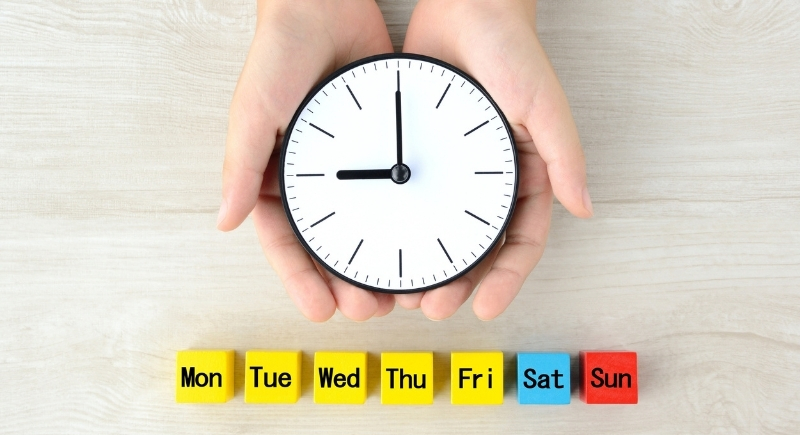
Each weekday, different departments get updated. Mondays are for baby gear and electronics, Tuesdays shift focus to home décor, and so on. If you’re looking for something specific, showing up on its markdown day gives you the best chance of seeing new price changes as they happen.
Inventory Levels Can Predict Future Discounts

Credit: pexels
If a shelf is packed with the same product, and it’s already marked down once, odds are it’ll drop again. Target doesn’t like sitting on excess stock. On the other hand, if there are only a few left, it may sell out before reaching the next discount phase. It’s a judgment call.