10 Strategic Antique Market Shifts and Why Your Collection Gains Serious Value in 2026
The antique market has become one of the most exciting spaces to watch right now. Prices are climbing in some categories, new collectors are flooding in, and pieces that sat ignored a decade ago are drawing attention. If you have been sitting on a collection and wondering whether now is the right time to pay attention to the antique industry, the answer is yes. We analyze the market shifts happening and why they matter.
Auctions Have Become the Pulse of the Industry

Credit: Canva
Auctions feel a lot more active now, mainly because anyone can join in from anywhere. What used to be a local event is now open to buyers across cities and even countries. Someone sitting at home in Portland can place a bid just as easily as someone standing in a room in Philadelphia. With more people in the mix, good pieces don’t stay cheap for long.
Younger Collectors Are Actively Reshaping Demand
Credit: pexels
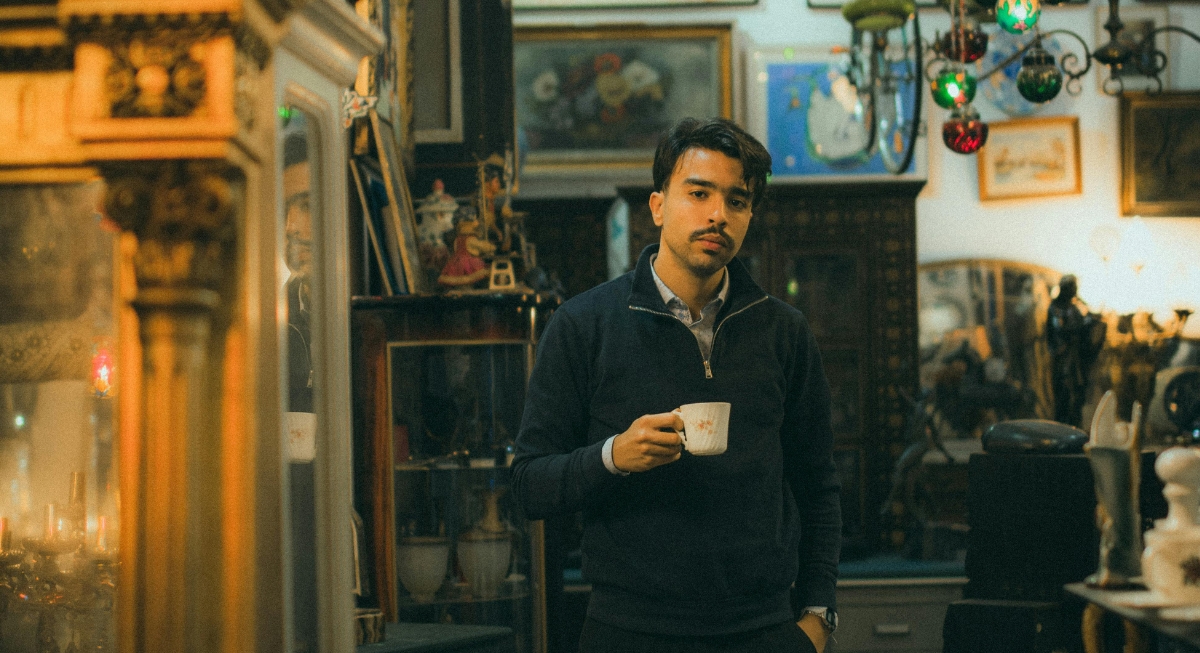
The crowd at antique shows looks different now. There are more younger buyers, and they’re showing up ready to buy, not just browse. Many care about how things are made and where they come from, so older pieces start to make more sense to them. When a new group enters the market like this, demand builds, and prices usually rise with it.
Porcelain and Tin Advertising Signs Keep Climbing
Credit: pexels
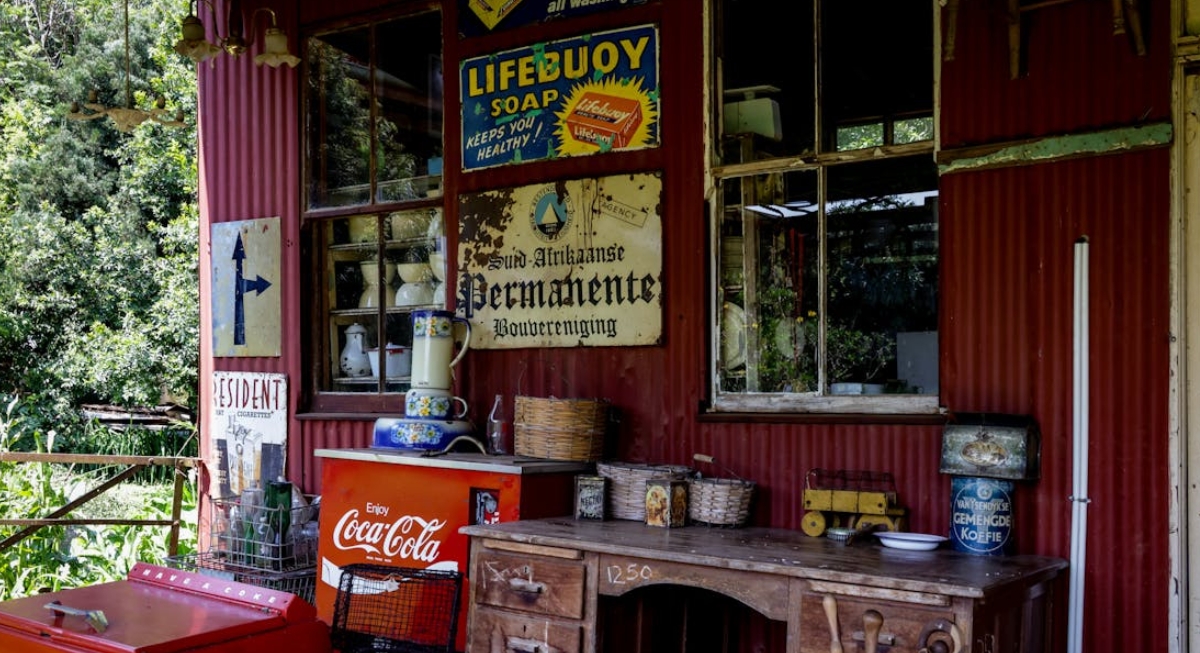
A clear shift is taking place in the advertising sign market. Regional and small-town porcelain pieces are gaining traction at auction. A rare sign from a defunct local business or a regional oil company can sometimes draw more competitive bidding. Completed auction records on Heritage Auctions show examples of these items selling for as little as a few dollars to as much as thousands.
Economic Pressure Is Steering Buyers Toward the Resale Market

Credit: Getty Images
Higher retail prices are pushing more people to consider resale rather than buying new. Antique shops and secondhand markets are seeing that shift up close. The Asheford Institute of Antiques pointed to this trend in its 2025 survey, noting that buyers are paying closer attention to value. As costs rise, more people are choosing pieces that offer more for the price, even if they come with some history.
Boxed and Complete Vintage Toys Command a Real Premium
Credit: Wikimedia Commons
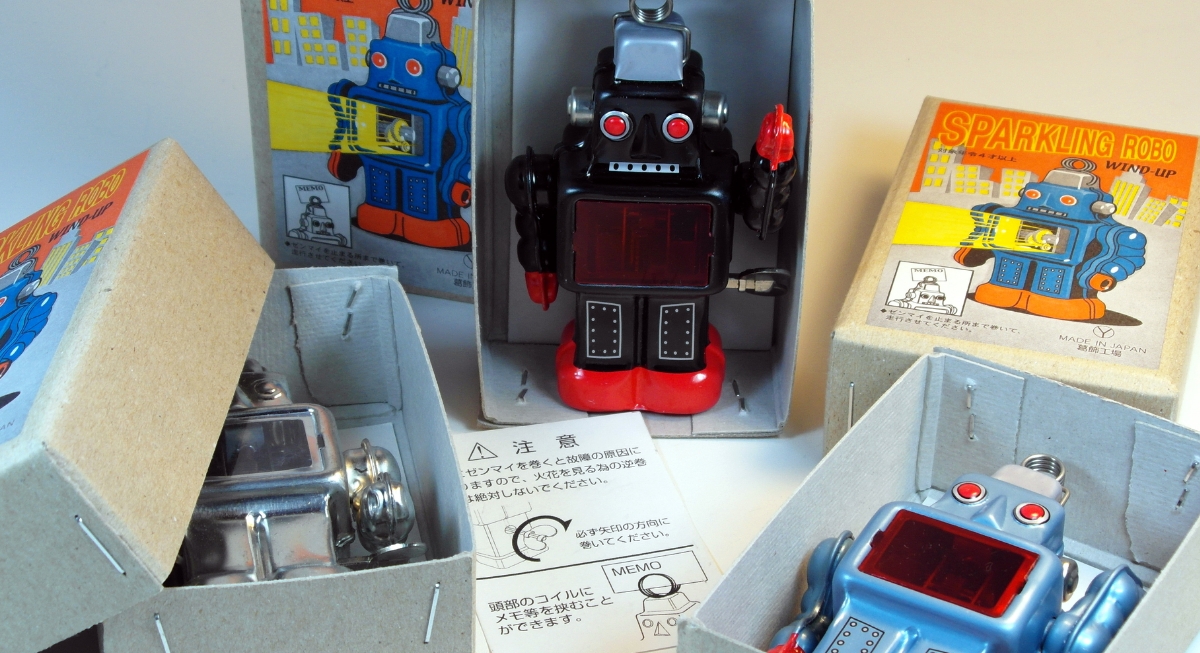
Ask any serious toy collector, and they will tell you the box changes everything. A pressed-steel truck, loose in a bin, is interesting. That same truck, in its original box with all original parts, is a different transaction. Heritage Auctions’ completed sales confirm that boxed examples of vintage tin and pressed steel toys routinely sell at significant premiums. Collectors who grew up with these toys now have the income to chase them seriously.
Certain Niche Items Have Found a New Audience
Credit: Wikimedia Commons
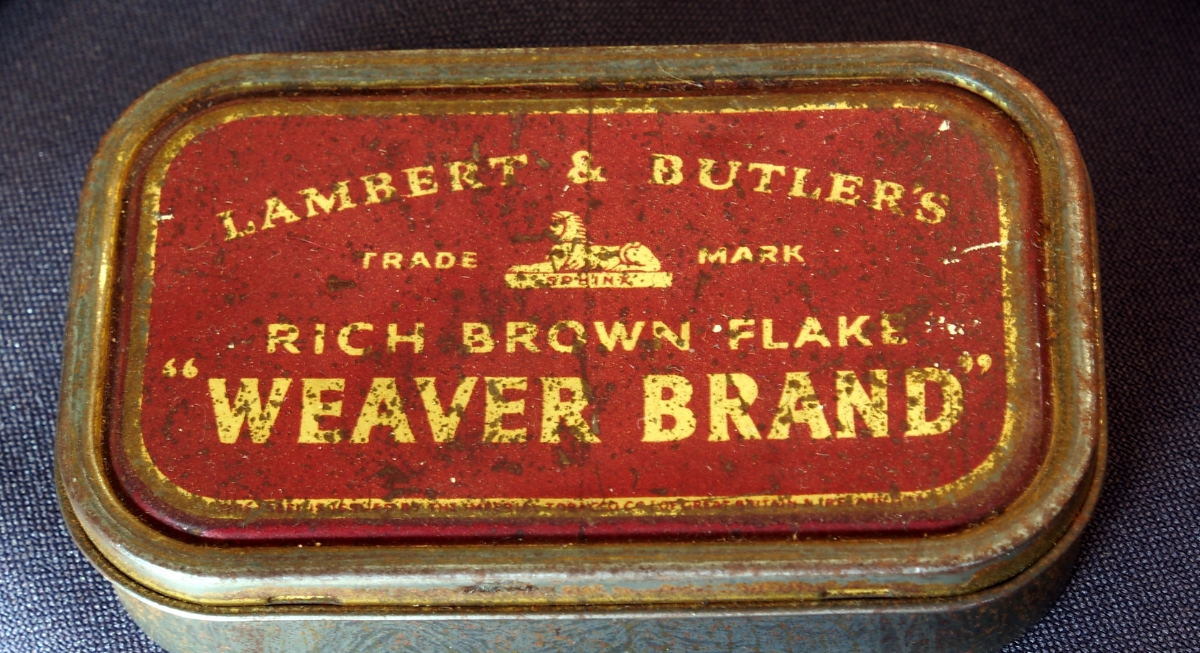
Tobacco tins, countertop displays, and general store cabinets were primarily moved through dealer networks and dedicated collectors. That is no longer the only pipeline. For instance, restaurants and boutique hotels have been folding vintage store pieces into their spaces for different reasons. This crossover has introduced demand from buyers who can sometimes pay the right prices for pieces that catch their eye.
Mid-Century Modern Remains Strong but Selectively
Credit: Wikimedia Commons
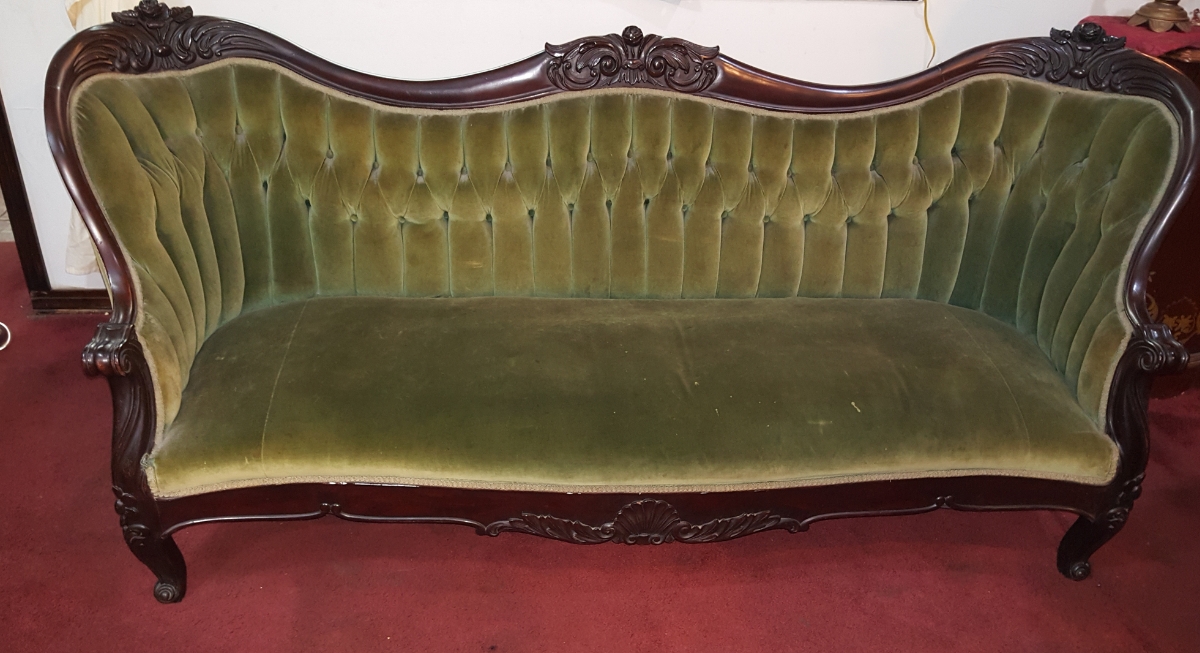
Not every mid-century piece is having a great moment right now. Auction-house data from some sources showed price softening across broader subcategories. Authentic pieces by recognized designers with solid provenance still perform well. The market has matured to the point where maker, condition, and documentation matter far more than aesthetics alone.
Folk Art and Singular Pieces Are Gaining Visibility
Credit: Wikimedia Commons
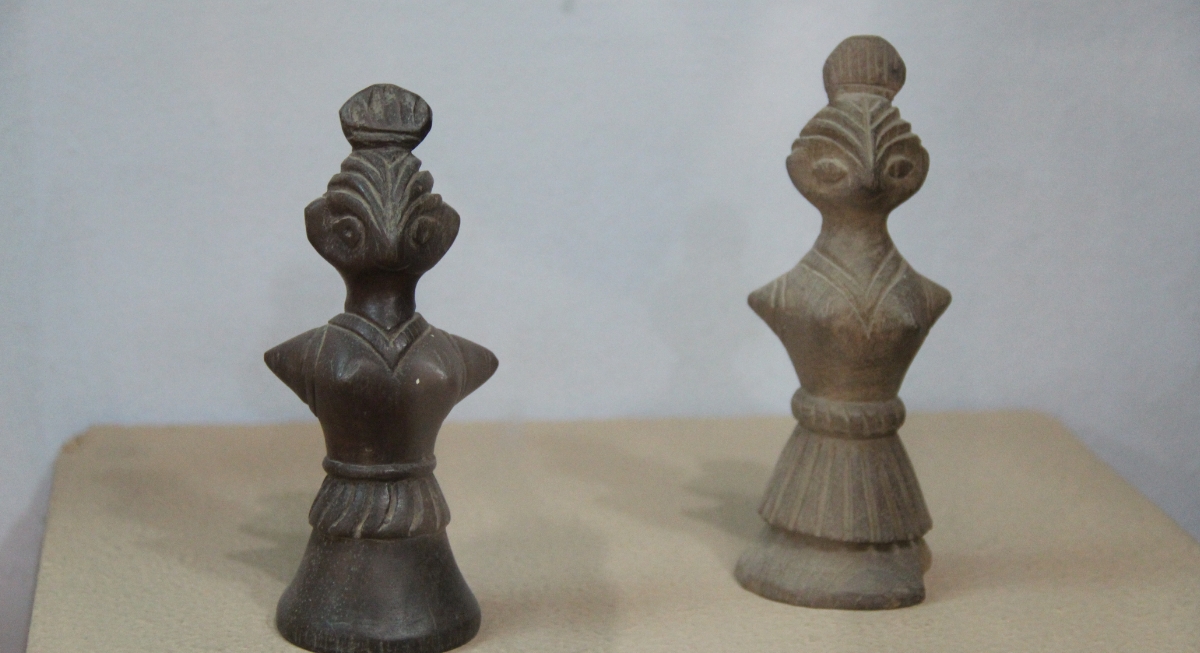
An unusual handmade sign or a piece of early self-taught art now has an audience it never had before, and social media is part of the reason. As social media becomes integral to our lives, it’s not uncommon for strange or beautiful antique items to be shared and seen by thousands who would never have encountered them. Even people with antique items that regular artists made will be pleased to know that the “American Folk Art Museum” has documented an interest in self-taught art.
Regional History Items Are Finding Motivated Buyers
Credit: pexels
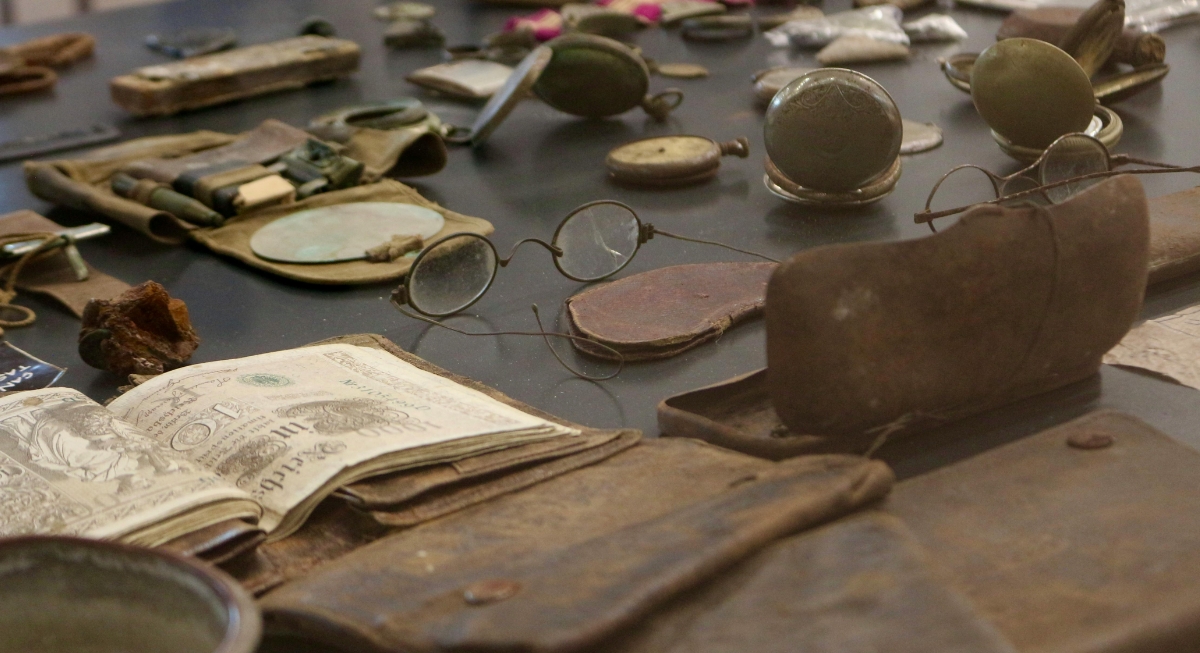
A sign from a shuttered neighborhood brewery or a pennant from a defunct minor-league team carries meaning for dedicated collectors. Rust Belt cities like Pittsburgh, Cleveland, and Detroit went through decades of industrial decline, leaving behind businesses, teams, and institutions that no longer exist. These communities are reinvesting in their identities, and these niche antique items sometimes have competing buyers, which can play to your advantage.
Supply Is Shrinking While Interest Keeps Growing
Credit: Wikimedia Commons
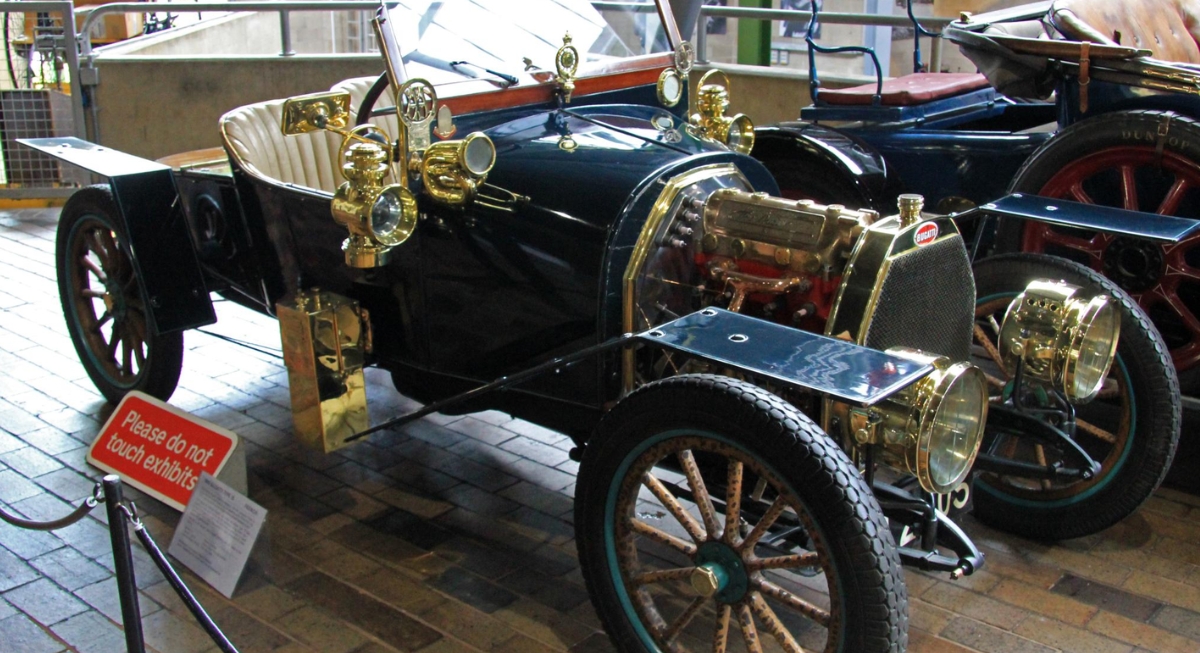
Every year, the pool of genuine surviving antiques naturally shrinks due to institutional acquisition and other factors. Meanwhile, collector interest has been expanding, with younger users remaining active in the global antique market. That dynamic creates opportunity, though antique markets can be illiquid, and category values shift based on several factors. Paying attention to one’s collection is a smart move, but it is different from treating it as a guaranteed appreciating asset.