A New Map Reveals The US States With The Worst Gambling Problems
A bet is no longer something people place at a casino. Today, it can happen while waiting for coffee, watching a game, or scrolling through a phone. A recent WalletHub analysis looked at gambling access, betting activity, addiction rates, and treatment resources nationwide. The findings suggest that gambling problems are not spread evenly across the map.
In several states, easy access to wagering has grown faster than the systems designed to help people who struggle with it, creating some of the country’s most significant gambling challenges.
Nevada

Credit: Canva
No state has a closer connection to gambling than Nevada. The state leads the nation in casinos and gaming machines per capita. Around 2.7% of adults are estimated to have a gambling disorder. Nevada also records the highest number of Gamblers Anonymous meetings per resident, a sign that many people actively seek help for betting-related challenges.
Mississippi
Credit: iStockphoto
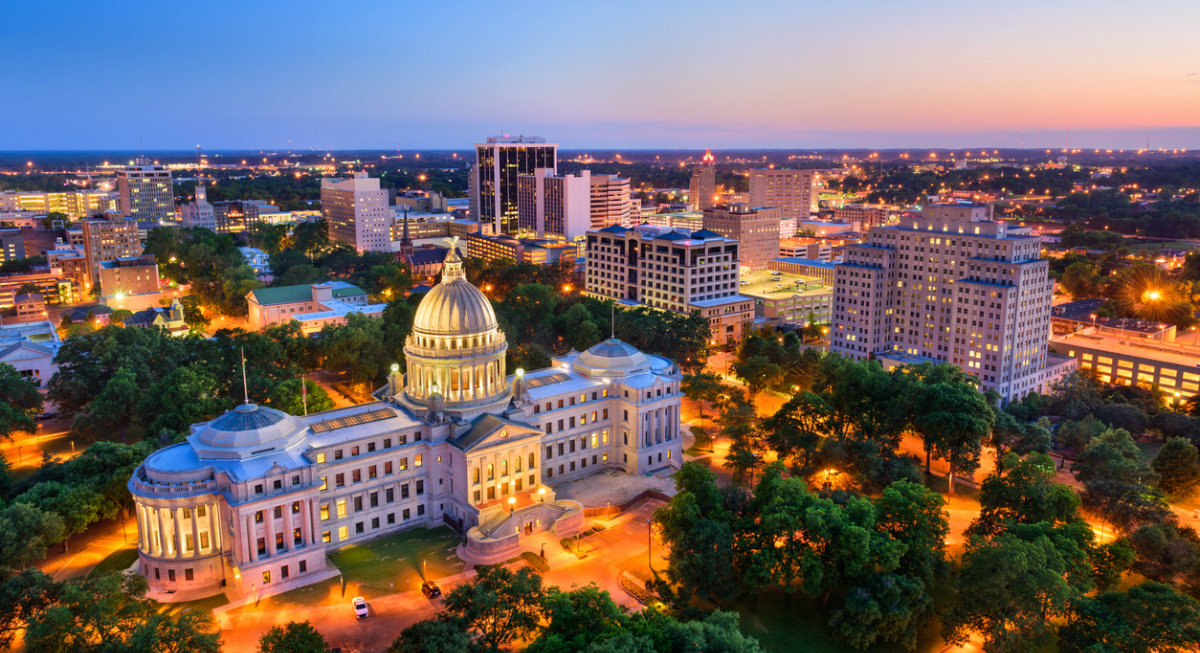
WalletHub found that the state has one of the highest rates of gambling disorder in the country despite ranking much lower for overall gambling access. The issue is not simply the number of gambling venues. Researchers point to treatment limitations and persistent addiction rates that continue to affect communities long after the bets have been placed.
South Dakota
Credit: Getty Images
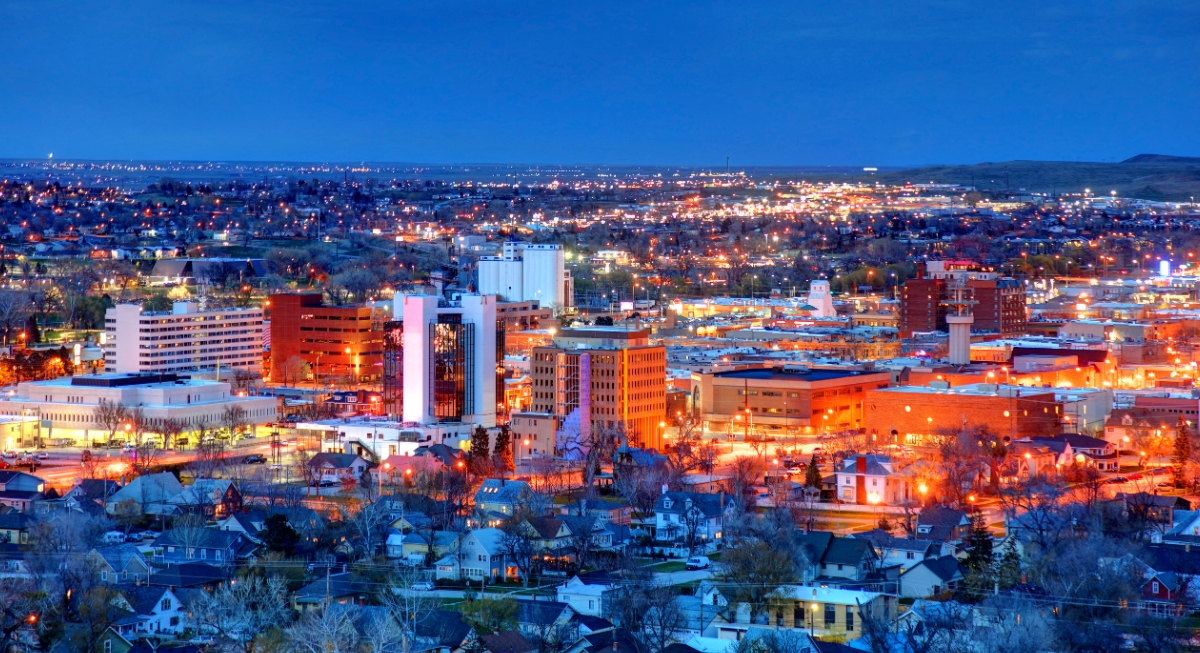
The state ranks near the top in casinos and gaming machines per capita. Residents can legally participate in sports betting, fantasy sports, horse-race wagering, and lottery games. Add gambling devices in retail locations, and the result is a surprising amount of access packed into a state with fewer than one million people.
Montana
Credit: Getty Images
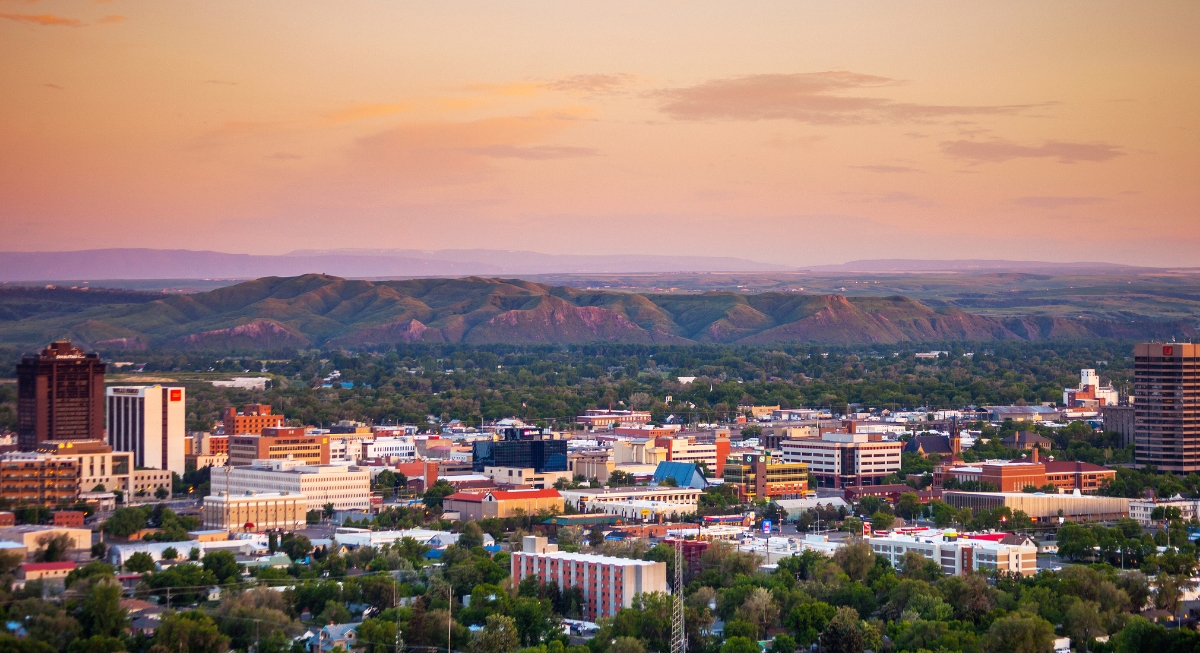
Montana combines high gambling participation with a shortage of professional support. Roughly 2.5% of residents are estimated to have a gambling disorder. One detail frequently highlighted in studies is the lack of gambling counselors across the state. For residents looking for specialized treatment, finding qualified help can be much harder than placing a bet.
Louisiana

Credit: Getty Images
Louisiana’s appearance near the top of the rankings largely stems from weaknesses in its treatment infrastructure. The state sits close to the national average for gambling access, yet its support systems score far worse. Experts often view Louisiana as an example of how addiction issues can grow even without extraordinary numbers of casinos or betting venues.
West Virginia

Credit: Getty Images
West Virginia narrowly trails the top five and remains one of the states researchers watch closely. Legal gambling options cover a broad range of activities, including casinos, sports betting, and online wagering. The state’s small population means those opportunities reach a large share of residents.
Oklahoma

Credit: Getty Images
Rows of gaming machines help explain why Oklahoma ranks so highly. Tribal casinos are a major part of the state’s gambling industry and draw visitors from across the region. The sheer number of legal gaming opportunities has pushed Oklahoma toward the upper end of national gambling-risk rankings.
Minnesota
Credit: Getty Images
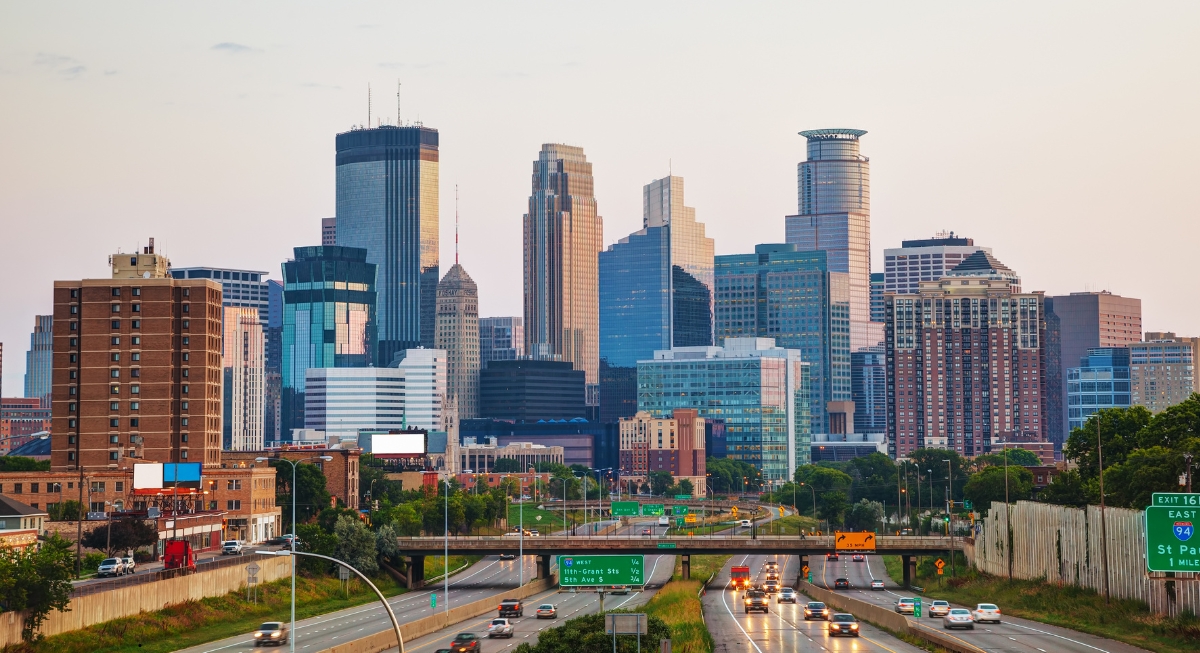
National gambling reports do not often focus on Minnesota, but addiction researchers have for years. Studies cited by WalletHub found gambling disorder rates that rival some of the highest recorded in the country. The state’s position reflects not the volume of gambling, but the number of residents experiencing serious gambling-related problems.
Oregon

Credit: Getty Images
Sports betting has expanded rapidly across Oregon in recent years. State officials have invested in treatment programs and public awareness campaigns, though concerns remain about long-term impacts. Researchers continue to monitor how mobile betting changes gambling habits. Unlike traditional casinos, a smartphone creates constant access, which has become one of the most discussed issues in modern gambling policy debates.
New Jersey
Credit: Getty Images
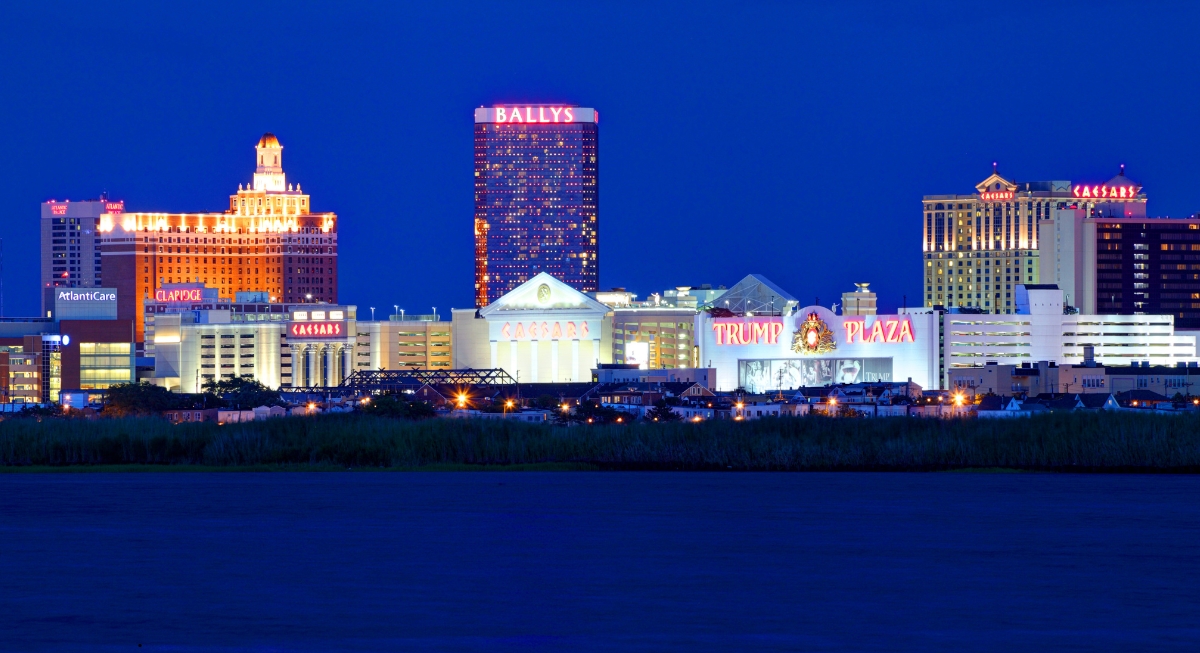
Since sports betting expanded in 2018, New Jersey has grown into one of the country’s largest wagering markets. Betting totals regularly make headlines, and other states often look to New Jersey as a regulatory model. The scale of participation also keeps addiction specialists attentive, since more betting activity creates more opportunities for problem gambling.