8 States Still Taxing Your Social Security in 2026
Many people assume Social Security will be a steady, predictable source of income in retirement. Then taxes come into play, and the numbers don’t always look the same. While most states no longer tax these benefits, a few still do, and the rules can vary more than you’d expect. Where you live makes a real difference in how much of that money you actually keep.
Colorado

Credit: pexels
In Colorado, Social Security taxes ease up once you turn 65. At that point, the state allows you to deduct your Social Security income, which can significantly reduce or even eliminate what you owe. If you retire earlier or have a higher income, those benefits may still be taxed, so the timing matters. For many retirees, that milestone birthday brings a noticeable break on their state taxes.
Connecticut

Credit: Getty Images
High earners in Connecticut do not lose a large share of their Social Security benefits to state taxes because the system caps the amount of Social Security that can be taxed. This clever rule protects your checks even if your income grows. Many local seniors fall below the cutoff and pay nothing. That balance makes the rules feel less punishing in a state known for relatively high income tax rates.
Minnesota

Credit: Getty Images
In Minnesota, the state uses a worksheet to figure out how much of your benefits are taxable, and the amount can change as your income rises or falls. The phaseout happens gradually, so even small income changes can affect what you owe. It’s worth reviewing your return carefully, because the final number depends on those details.
Montana
Credit: Getty Images
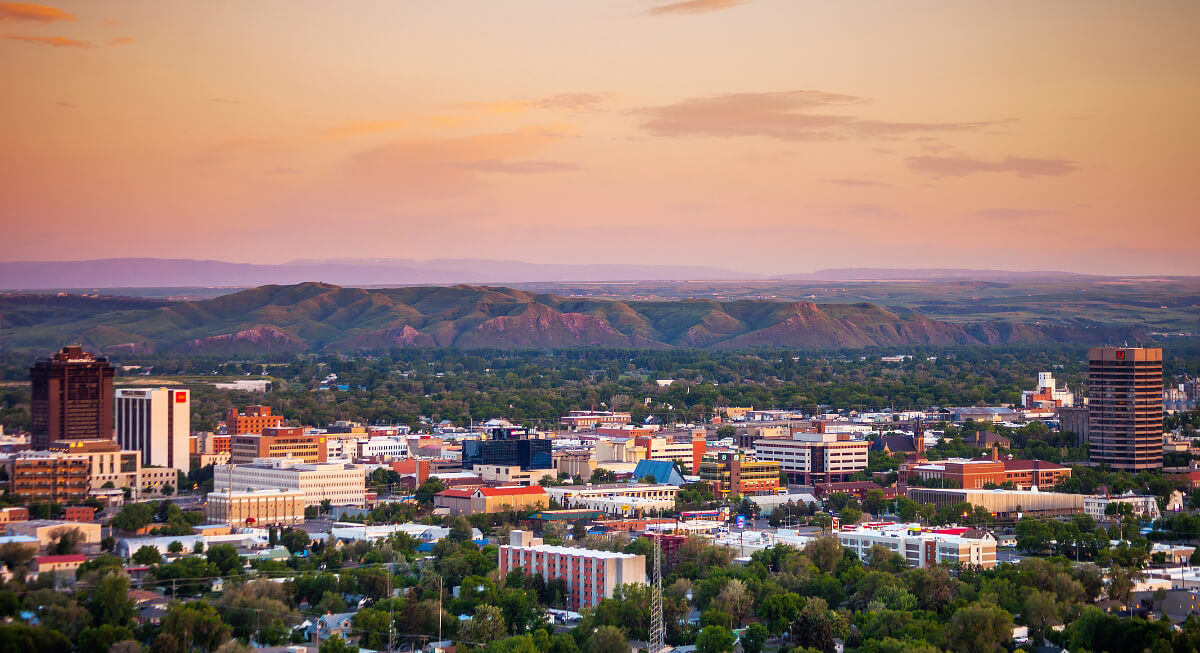
Here, taxes can kick in even if your income stays modest. There is a helpful deduction for older residents, but it only reduces the bill rather than wiping it out. This system keeps things simple for the state to manage. However, it means fewer retirees can avoid state taxes entirely.
New Mexico
Credit: Getty Images
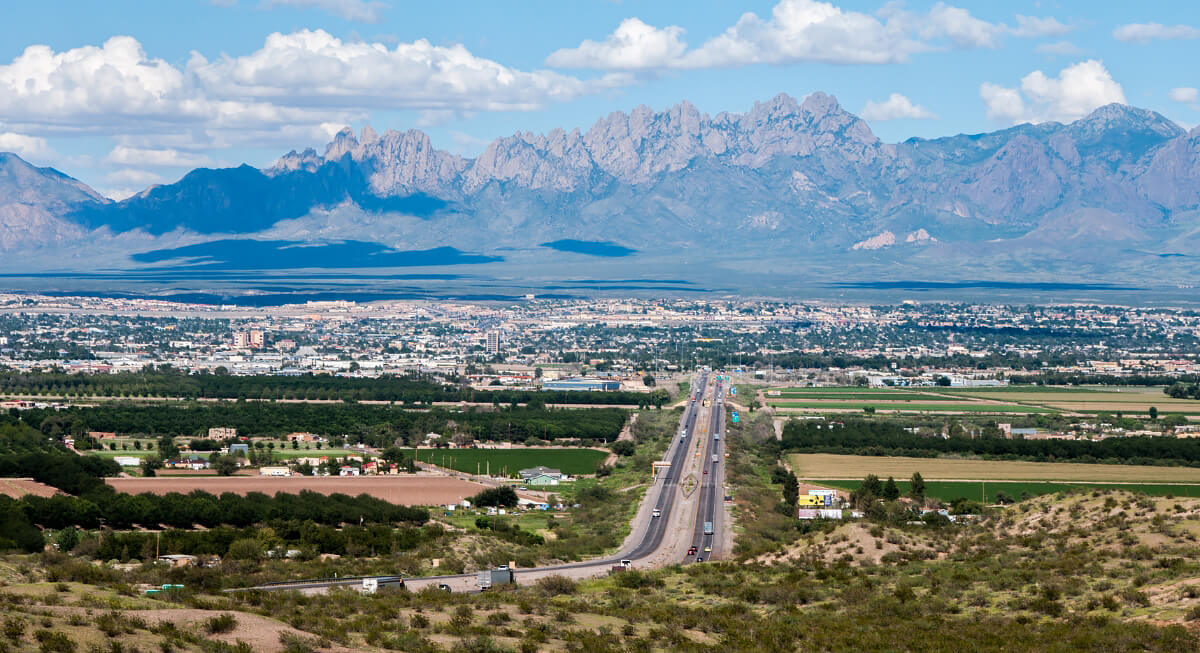
In New Mexico, most retirees don’t end up paying state tax on their Social Security benefits. The income limits are set high enough that many individuals and couples stay below the threshold, even with additional savings or retirement income. The rules are also fairly direct, so there’s less guesswork when you’re filing. That makes it easier to plan ahead and know what to expect from your benefits.
Rhode Island

Credit: Getty Images
Timing is the key to securing your retirement cash in Rhode Island. Social Security benefits are exempt from state taxes once full retirement age is reached, provided income remains within the allowed range. Choosing to file early often means receiving a smaller check because of state rules. This little detail often goes unnoticed at first, yet it plays a direct role in how much of the benefit remains untouched.
Utah

Credit: Getty Images
Utah gives retirees a bit of flexibility at tax time. The state offers a retirement tax credit and a separate credit tied specifically to Social Security, but you can only claim one. Which option works better depends on your income and filing status. Taking a moment to compare the two can make a noticeable difference in how much you end up paying.
Vermont
Credit: Getty Images
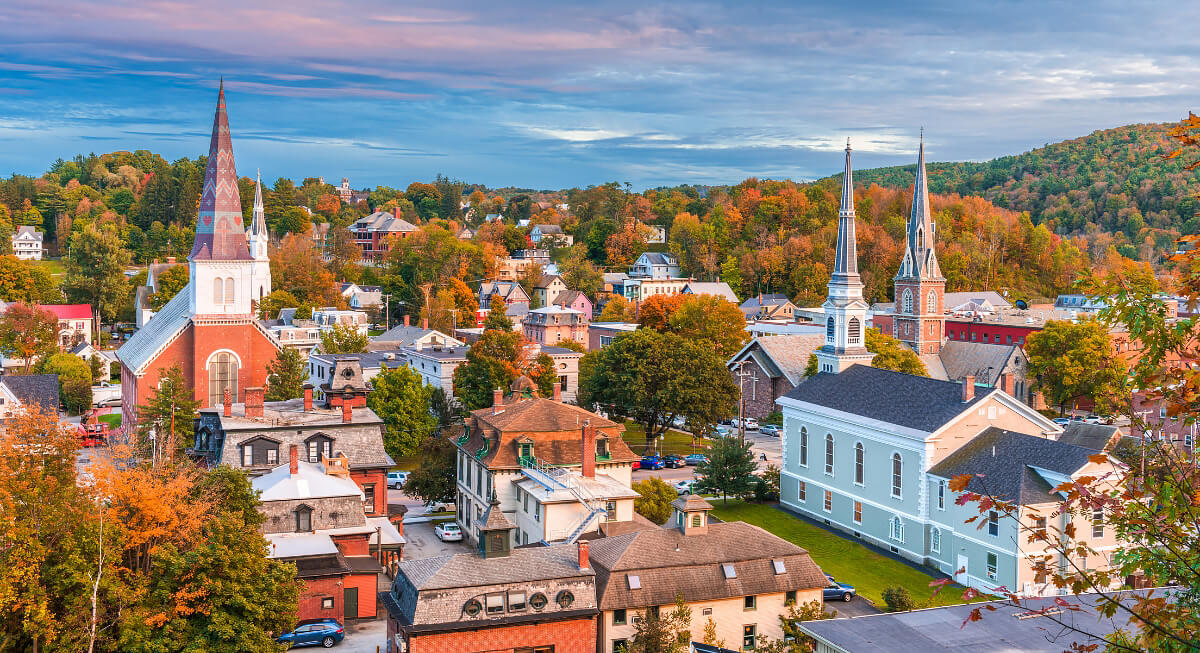
This is a great place to retire, but the tax rules are a bit picky. Seniors get a full break on Social Security only if their income stays below a certain line. For 2026, single filers stay tax-free under $55,000, while couples get $70,000. Earn more, and that helpful shield slowly disappears. Outside it, the state’s regular income tax rates apply without any special treatment.