Financial Experts Are Finally Admitting That Social Capital Is Your Biggest Asset
Money and skills usually get all the attention when people talk about success, but they’re not the whole picture. The people you know, and how you’re connected to them, often shape what opportunities come your way. More economists and business leaders are openly saying that social capital matters more than most people realize. It’s not something you can see in your bank account, but it plays a real role in who gets hired, who gets recommended, and who gets ahead.
It Speeds Up Decision-Making In High-Stakes Situations

Credit: pexels
Decisions often stall when people lack reliable context. A trusted connection can remove that hesitation. When someone familiar vouches for an idea or person, it reduces the need for lengthy evaluation. In fast-moving industries, this speed matters. Hires happen sooner, and partnerships move forward without drawn-out uncertainty slowing everything down.
It Creates A Buffer Against Market Shifts

Credit: iStockphoto
Work can change quickly. Roles shift, companies restructure, and sometimes jobs disappear with little warning. In those moments, your network often matters more than your resume. Strong relationships can open doors when things feel uncertain. A quick message can lead to a new role, a freelance project, or the right introduction at the right time. It doesn’t remove the risk, but it makes the landing easier and often faster.
It Helps Ideas Gain Early Momentum

Credit: pexels
often struggle to gain attention at the beginning. Social capital can give them an initial push. A well-placed introduction or endorsement can bring early users and collaborators into the picture. That early traction can shape how the idea is perceived later. Momentum often starts within networks before reaching a wider audience.
It Helps You Read The Room Before You Even Enter

Credit: pexels
Social capital often comes with insider awareness. People within a network share subtle cues about personalities, expectations, and current dynamics. That insight allows someone to approach situations with better timing and tone. Walking into a meeting with that context can shape how conversations unfold and improve how ideas are received.
It Encourages Accountability Without Formal Oversight

Credit: pexels
People tend to follow through more consistently when relationships are involved. Social expectations create a sense of accountability that doesn’t rely on rules or supervision. When commitments affect real connections, individuals are more likely to deliver on promises. This informal pressure can improve reliability in both professional and personal settings.
It Expands Visibility Across Different Circles

Credit: pexels
Social capital connects people across industries, roles, and communities. This reach increases visibility beyond a single environment. A person may become known in multiple circles without actively promoting themselves. That broader presence often leads to unexpected opportunities that wouldn’t appear within a limited network.
It Supports Long-Term Career Satisfaction

Credit: pexels
Career success isn’t only about income or titles. Relationships play a role in how fulfilling work feels over time. People with strong social connections often report higher engagement and satisfaction. Supportive networks can make work more collaborative and less isolating. That sense of connection contributes to long-term motivation and stability.
It Turns Individual Success Into Shared Growth

Credit: Getty Images
When one person advances, their network often benefits as well. Opportunities, knowledge, and resources tend to circulate within connected groups. This creates a ripple effect, with growth spreading beyond a single individual. Over time, these shared gains strengthen entire communities and professional ecosystems.
It Helps Align Opportunities With Personal Values

Credit: Getty Images
Not every opportunity fits personal goals or values. Social capital provides insight into what different roles or organizations are really like. Conversations with trusted contacts can reveal whether an opportunity aligns with someone’s priorities, helping them choose paths that feel more meaningful and sustainable.
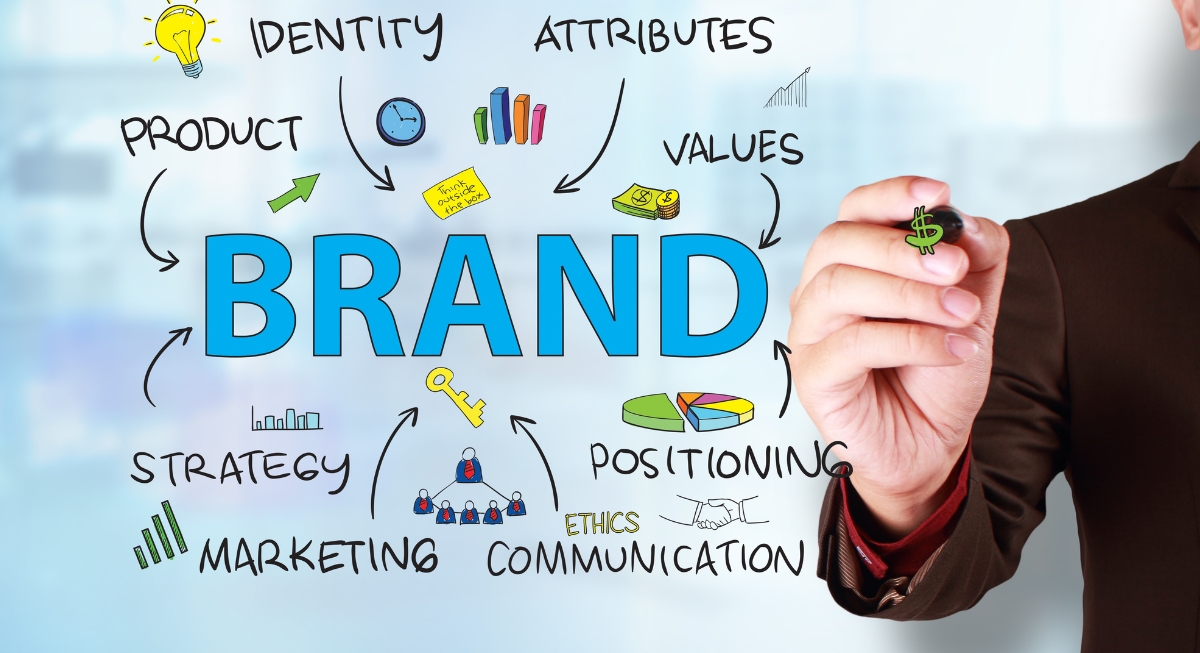
It Helps Build A Personal Brand Without Strategy Sessions
Credit: Getty Images
You don’t always need a strategy session to build a personal brand. It often takes shape through everyday interactions, how you show up, how you follow through, and how people experience working with you. As those interactions add up, people start describing you in consistent ways. That reputation, built through trust and reliability, often carries more weight than anything carefully crafted online.