10 Savings Hacks at Marshalls, T.J. Maxx, and Ross
Shopping at off-price stores works best once you understand how their messiness actually helps you. These shops do not follow tidy restock schedules or neat merchandising rules. Items arrive in waves, prices shift, and racks change constantly. That unpredictability is where the deals live.
When you stop expecting a traditional retail experience and start thinking of these stores as fast-moving warehouses, shopping gets easier and more rewarding. A little patience, curiosity, and timing can turn a quick browse into real savings that feel intentional instead of lucky.
Shop Early on Weekday Mornings

Credit: Getty Images
Walk in right after opening, and the store feels like a different place. Racks are fuller, shoe walls still have pairs together, and nothing looks rummaged through yet. Most deliveries get processed overnight, so mornings are when new stock quietly lands. By lunchtime, the best sizes and recognizable brands have usually been pulled.
Learn the Color Tag System
Credit: Reddit
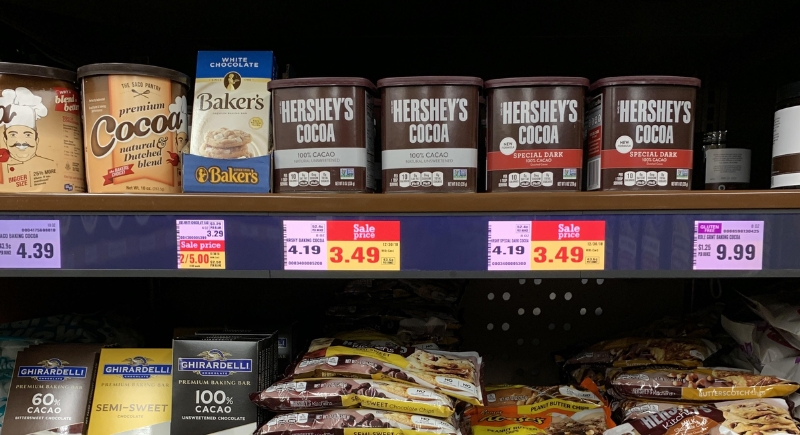
If you’ve ever stood in the aisle debating whether to wait, the tag already has the answer. Red stickers usually mean clearance, yellow often signals the final stop, and purple tags at T.J. Maxx flag designer pieces that never went through full-price retail. Ross hides the clues in date codes instead. Once you can read them, decisions get easier and faster.
Check Items for Minor Damage
Credit: pexels
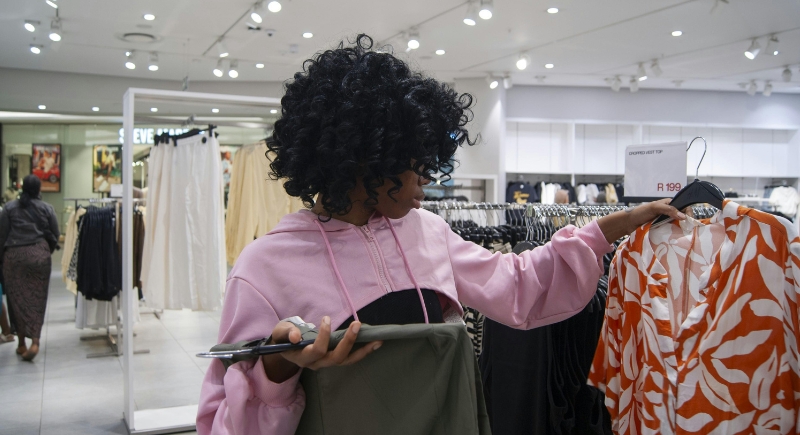
A loose button, a chipped mug rim, or a dented box can work in your favor. Associates often have the flexibility to mark down items with minor flaws, especially when the issue doesn’t affect how it’s used. A quick, polite ask at checkout can quietly turn a good deal into a better one.
Compare Prices Before Buying

Credit: Getty Images
That bold “compare at” number is designed to push you into a quick yes. It reflects what an item might sell for somewhere else, not what people are paying right now. Taking a moment to check the brand’s site or a major retailer gives you real context. A quick search turns the decision into an informed choice instead of a reaction to a flashy discount.
Buy It When You See It

Credit: Getty Images
Finding the right size, color, and price at these stores is usually a one-time alignment. Inventory moves fast, and restocks don’t follow patterns shoppers can rely on. Shoes get separated, coats vanish overnight, and accessories rarely reappear. If something fits well and looks solid, walking away often means deciding you didn’t want it after all.
Shop in January and July
Credit: pexels
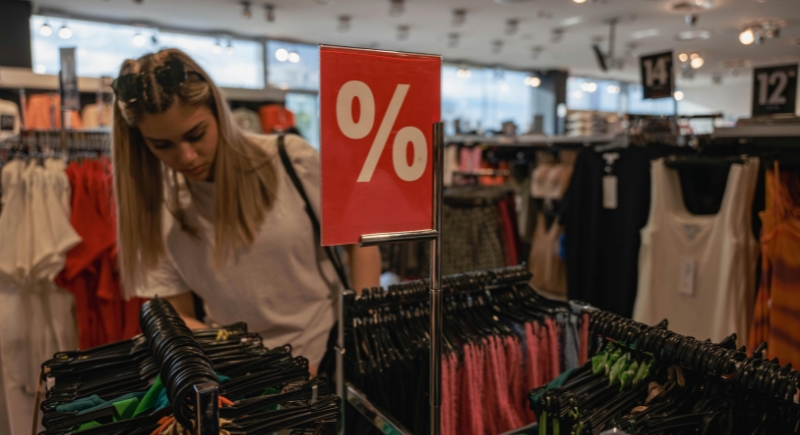
The racks look messy during seasonal resets, but that’s when prices loosen up. January clears holiday leftovers and cold-weather gear, while July pushes out summer stock to make room for fall. Digging during these transitions often turns up steep markdowns on things that were full price weeks earlier.
Visit Multiple Locations
Credit: Wikimedia Commons
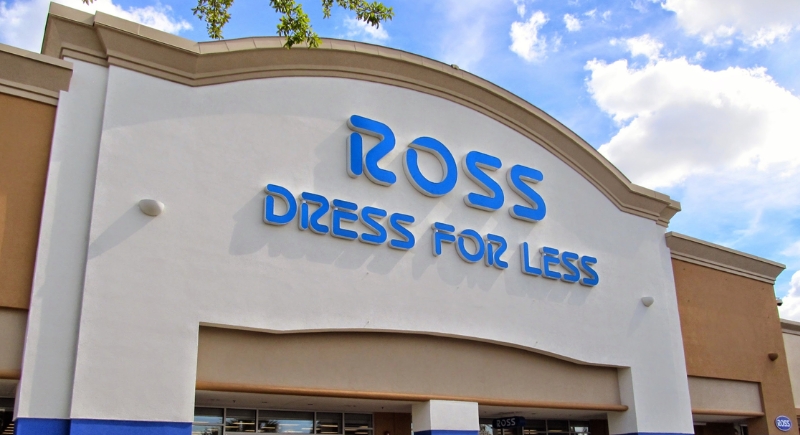
Two stores with the same logo can feel completely different. Stock depends on neighborhood demand and what nearby shoppers leave behind. One location may overflow with designer clothing, while another may lean heavily on home goods. Hitting a second store, especially in a different part of town, often solves the “almost” problem from the first stop.
Use Discounted Gift Cards First
Credit: Facebook
Buying discounted gift cards online quietly knocks money off everything you buy afterward. Marketplaces like CardCash and Raise regularly sell TJX cards below face value. Because the same card works at Marshalls, T.J. Maxx, and HomeGoods, the discount follows you across stores and trips without changing how you shop.
Know the Best Departments
Credit: yelp
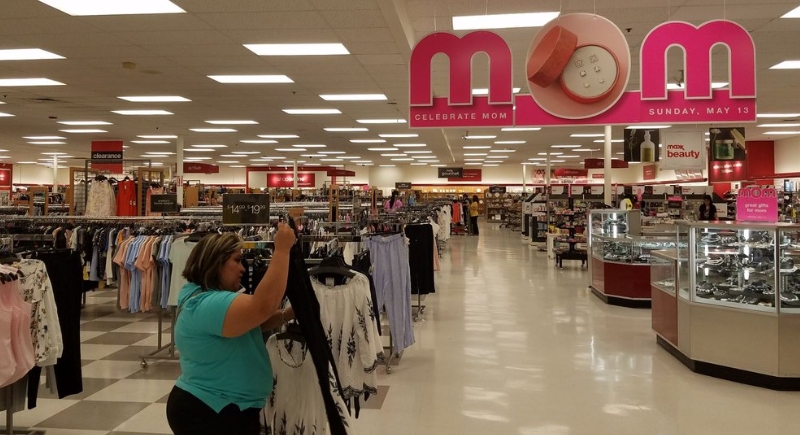
Footwear, cookware, bedding, and handbags tend to arrive with deeper, steadier discounts because sizes and styles don’t linger as long. Trend-driven clothing is more unpredictable. Spending more time in these reliable sections makes trips feel focused instead of like a gamble, especially when you want items that hold up beyond one season.
Track New Shipment Patterns

Credit: Getty Images
Regular shoppers start noticing patterns after a while, like which days racks suddenly look fuller, or the shoe shelves feel untouched. That’s usually tied to delivery schedules. Most locations get trucks several times a week, and associates are often open about timing if asked casually. Short visits on delivery days beat long weekend trips through leftovers every time.