10 Dollar Store Do’s and Don’ts for Smart Shoppers
Even if prices at dollar stores aren’t always stuck at a buck, the appeal of a good deal hasn’t faded. For quick pickups, last-minute party supplies, or simple home basics, they’re hard to beat—if you know what’s worth it. These stores can be a mix of solid bargains and forgettable finds, so a little strategy goes a long way.
Check Expiration Dates Like a Hawk
Credit: Canva
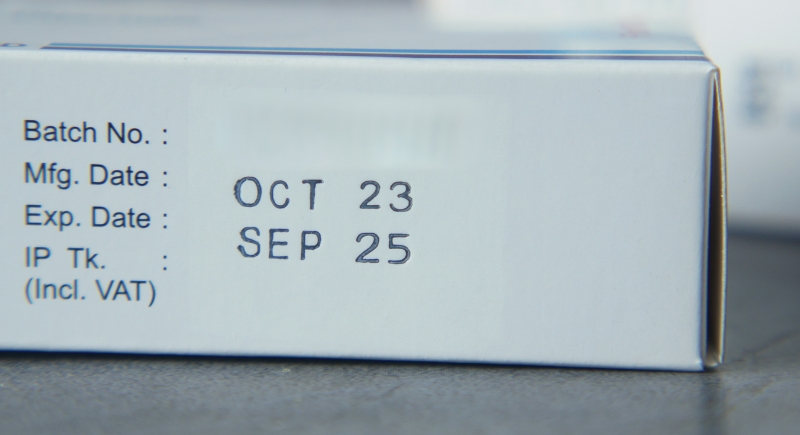
Shelf-stable doesn’t mean everlasting. Many dollar stores stock products that have gone past their expiration dates. Look for “best by” and “sell by” dates on everything from canned soup to boxed snacks. Perishables like milk or eggs can be fine, but only if they’re adequately dated. Dented cans or faded packaging should be a pass.
Skip the Bargain Batteries
Credit: Facebook
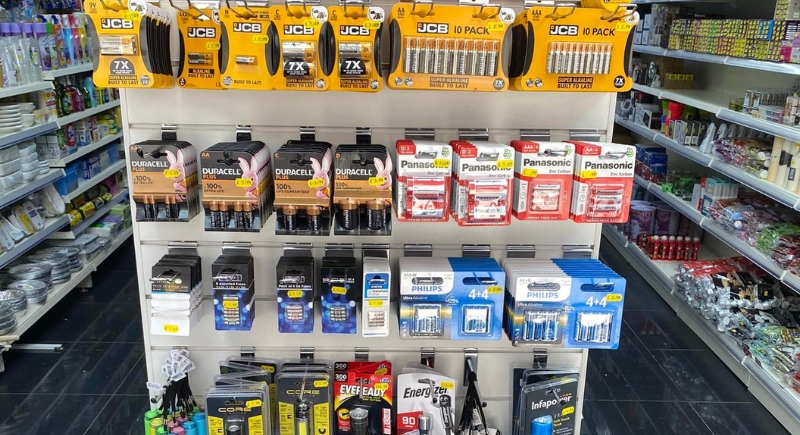
Low-cost batteries seem like a smart buy, but leaks and short lifespans can damage your devices. Consumer experts say cheap batteries from discount chains often lack the quality control of trusted brands. They’re okay in emergency flashlights, but for remotes, toys, or electronics, consider investing in name-brand packs elsewhere.
Buy Cards and Gift Wrap in Bulk
Credit: Facebook
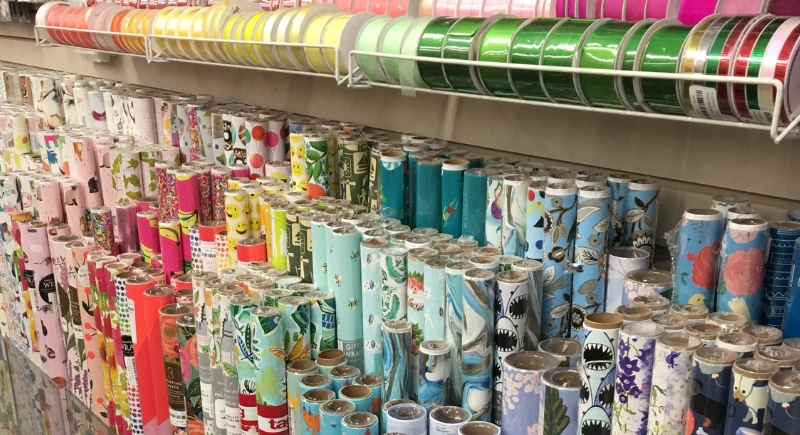
Greeting cards can be surprisingly pricey elsewhere, which makes dollar stores a sweet spot for birthday or congratulations cards, especially if you’re buying several at once. The selection might not include high-end options, but the basics are covered. Stock up when you see something good, since inventory can change fast.
Avoid Overprocessed Packaged Meals
Credit: Reddit
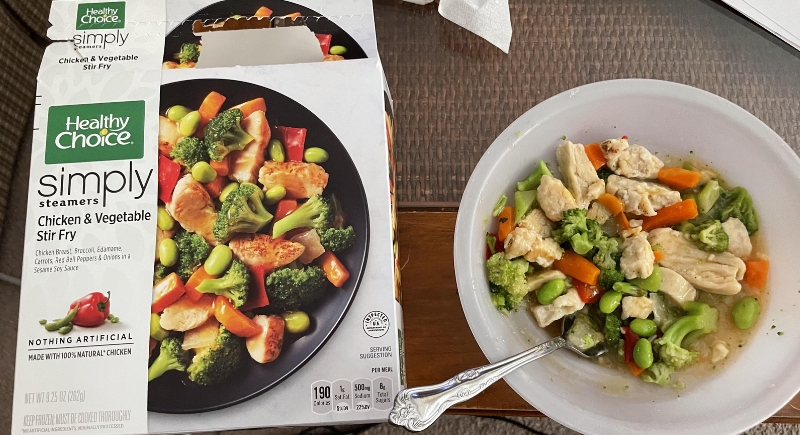
Freezers and shelves may offer ready-to-eat options, but many are heavy on salt and sugar. Canned pasta and microwavable dinners are often cheap because they’re low in nutritional value. Instead, look for pantry staples—dried beans, pasta, rice—that give you more control over what you’re eating.
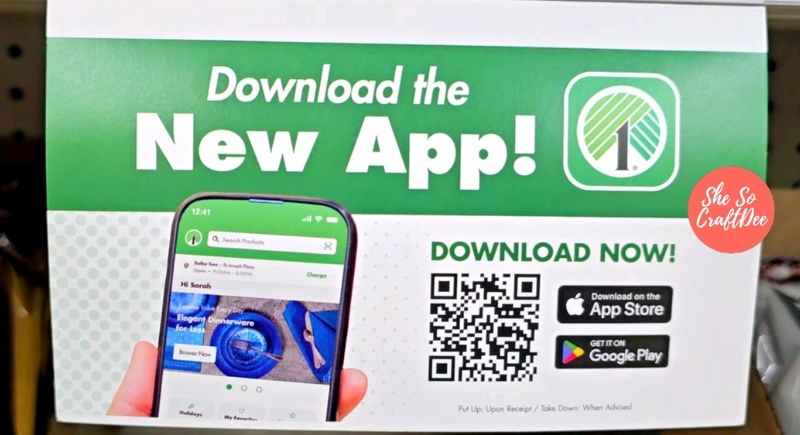
Use the Store App for Extra Deals
Credit: Facebook
Dollar Tree, Family Dollar, and Dollar General all have their own apps, and they’re not just for show. You’ll find digital coupons and loyalty rewards that can stack savings. Checking the app before checkout could shave a few extra dollars off your total with very little effort.
Don’t Assume It’s Always Cheaper
Credit: Reddit
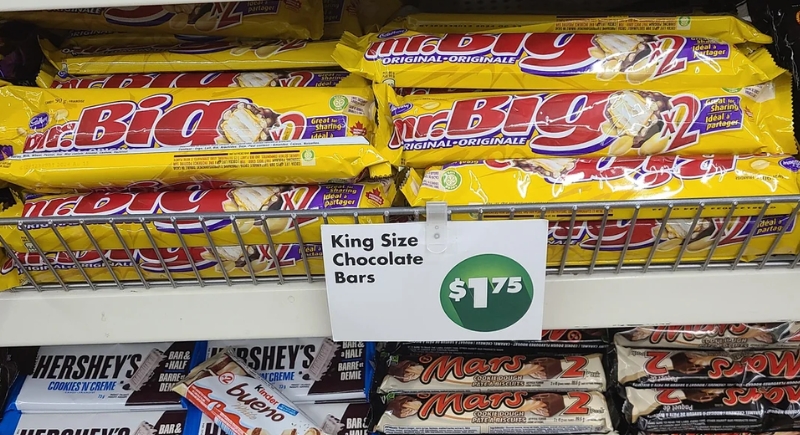
A dollar store label doesn’t automatically mean it’s the lowest price in town. Unit pricing matters—some items cost less per ounce or sheet at warehouse clubs or grocery chains. Compare prices when it makes sense, especially for things like paper towels or cleaning supplies.
Try Store Brands for Household Basics
Credit: Facebook
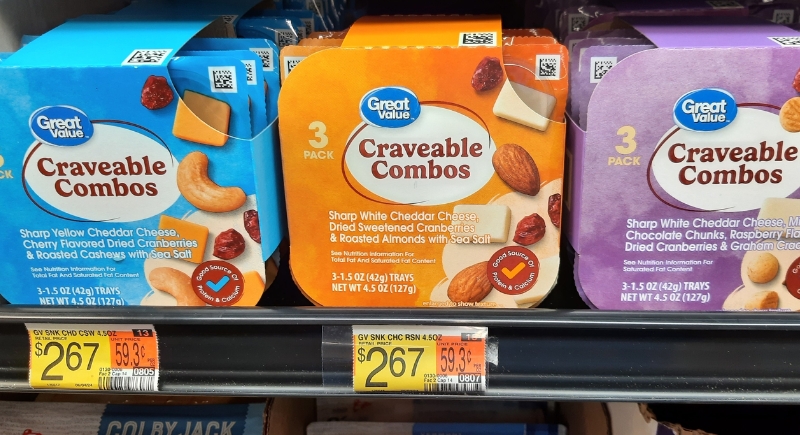
Private-label products at dollar stores can be worth trying, especially for dish soap, trash bags, and paper products. Many are made by the same factories that supply bigger-name brands, just with simpler formulas or packaging. Quality might not be luxurious, but for quick cleanups or one-time use, they usually get the job done.
Don’t Rely on Consistent Inventory
Credit: Getty Images
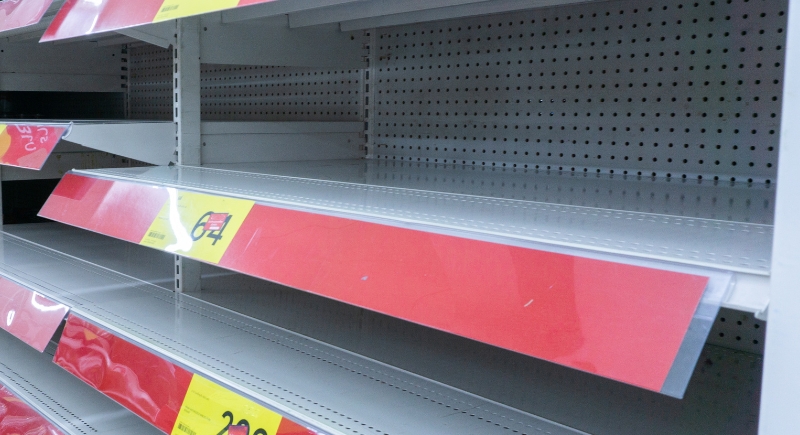
These stores run on quick-turn stock and closeout deals. That means the shampoo you liked last week might vanish tomorrow. If you see something useful, grab a few—restocks aren’t guaranteed. Flexibility helps here: it’s more of a “see what they have” kind of shopping trip than a “get what you need” mission.
Shop Early for Better Stock and Shorter Lines
Credit: Wikimedia Commons
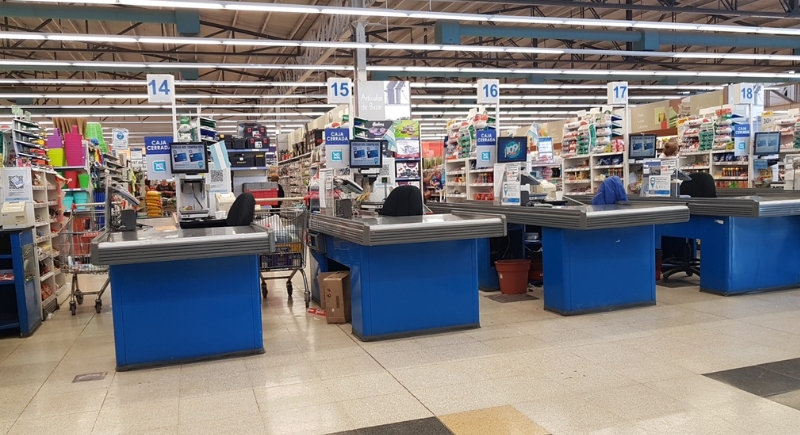
Most dollar stores restock overnight, so mornings offer the best chance of finding full shelves. Crowds are also smaller, which can speed up checkout. Later in the day, popular items might already be gone, and the lines are not always worth it.
Steer Clear of Supplements Without a Seal
Credit: Wikimedia Commons
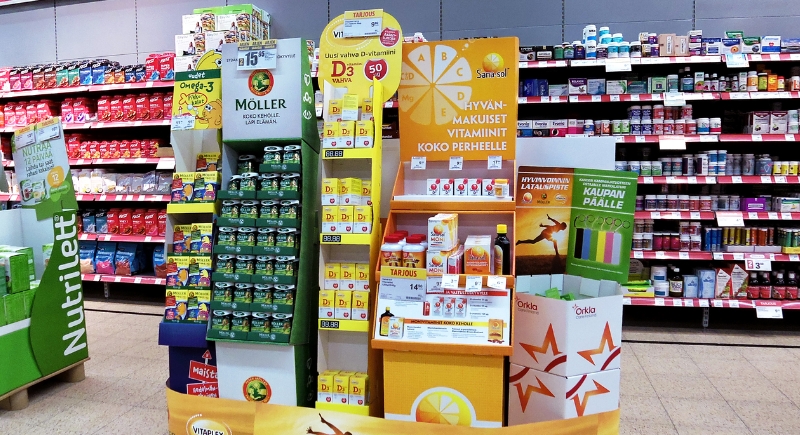
Dietary supplements sold at discount stores often skip the third-party certifications found on better-known brands. That means it’s tough to tell if what’s on the label matches what’s inside. If you’re browsing for vitamins, look for seals from groups like USP or NSF International.