10 Scary Truths About Why Your Skills Might Go Extinct By 2036
Work doesn’t stay still for long, and right now the pace of change feels faster than most people expected. Skills that once felt reliable can lose value without much notice, especially as new tools and ways of working take their place. It’s easy to assume you’ll have time to adjust, but that window can close quickly. These 10 points break down where things are heading and what could put your current skill set at risk.
Automation Isn’t Waiting For Permission
Credit: Canva
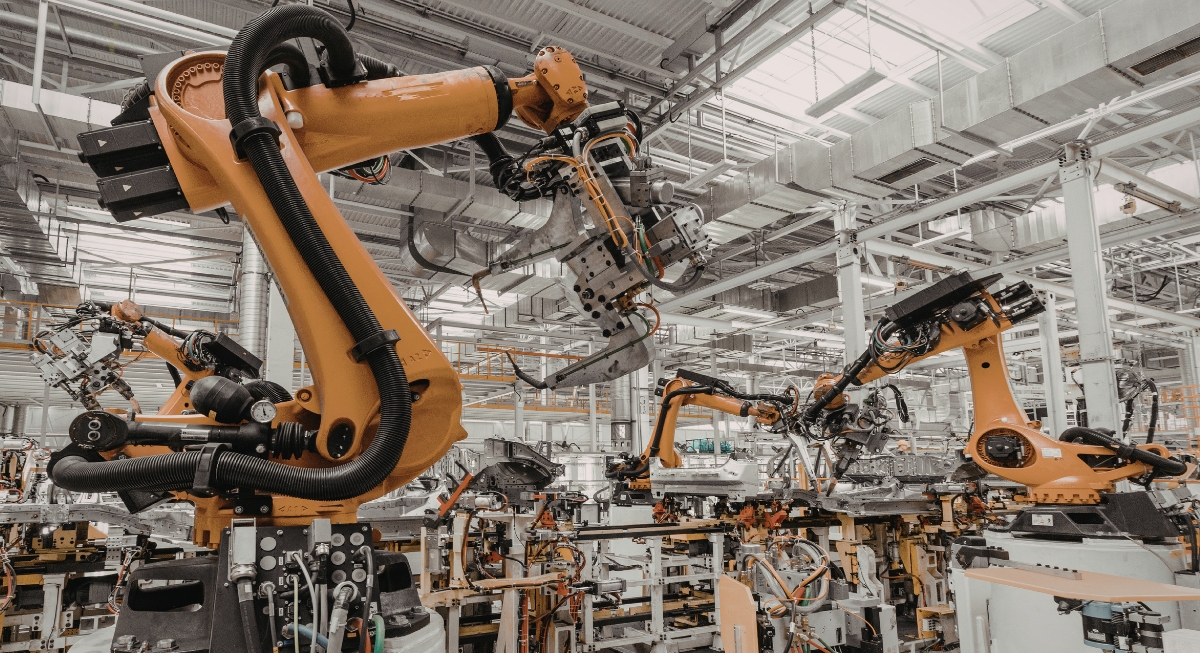
Machines rarely replace entire roles in one sweep. They chip away at tasks piece by piece. Data entry, scheduling, and parts of legal research already rely on automation tools in many workplaces. A role may still exist, yet the human share of certain tasks continues to shrink. That slow erosion makes it easy to ignore.
Experience Doesn’t Guarantee Relevance

Credit: Canva
Experience counts, but it doesn’t always guarantee you can keep pace with the shifting digital landscape. Systems often change much faster than personal habits. A veteran professional might still deliver results with old tools, but modern workflows require an entirely different mindset. Many recruiters now prioritize quick learning as much as a deep resume.
AI Learns Faster Than Training Cycles

Credit: Canva
Training takes time, but Artificial Intelligence improves much faster. While people work through courses or certifications, AI tools keep updating in the background. Tasks like drafting reports or spotting patterns already rely on automation in many cases. When that pace keeps increasing, parts of a skill set can become outdated sooner than expected.
Entry-Level Roles Are Changing Shape

Credit: pexels
Entry-level roles are facing a massive transformation as software takes over the heavy lifting of repetitive tasks. Internships and junior positions traditionally acted as training grounds for these responsibilities. Today, automation handles a significant chunk of the workload. Many firms now choose to redesign these starting points entirely.
Remote Work Is Raising The Bar

Credit: pexels
Remote work changed who you’re competing with. Roles that once drew local applicants now pull in strong candidates from across the world. That wider pool raises expectations without anyone saying it out loud. Solid performance often blends in, and standing out takes more focus and clearer strengths than it used to.
Tools Are Replacing Process Knowledge

Credit: iStockphoto
Tools now handle much of the step-by-step work that people used to learn in detail. Knowing the full process still helps, but it no longer sets you apart the way it once did. The real value comes from knowing how to direct these tools, adjust their output, and use them with purpose. Without that shift, process-heavy skills lose their impact quickly.
Industries Are Blending Together

Credit: pexels
Roles don’t stay in neat categories anymore. Marketing now overlaps with data, finance leans on tech, and healthcare runs on digital systems. Sticking to one narrow skill set makes it harder to keep up. People who can move across areas and connect different types of work tend to stay more useful as jobs continue to overlap.
Certifications Don’t Last Forever

Credit: Canva
In fast-moving fields like technology, certifications may need to be updated more often to remain relevant. In other professions, they hold value for much longer. Relying only on past achievements can create a gap over time. Continuous learning helps keep those credentials aligned with current expectations and ensures they still reflect practical, up-to-date knowledge.
Soft Skills Are Becoming Technical Assets

Credit: Canva
Technical skills no longer live in a vacuum. The old wall between coding ability and communication is crumbling as modern workplaces demand more than just expertise. Teams now navigate a maze of digital tools and global time zones where clarity is the ultimate asset. Turning a complex concept into a simple explanation saves hours of wasted effort.
Comfort Is The Quietest Risk

Credit: pexels
The most dangerous signal isn’t failure, but comfort. When your daily routine feels effortless, your professional growth has likely stalled. This quiet plateau often goes unnoticed until the surrounding landscape shifts, familiar industries advance, and once-sharp skills lose their edge in the background. Staying curious and seeking new challenges keeps you ahead of the curve before the comfort trap sets in.