10 Scams You Are Probably Falling for Right Now
Most of us don’t see ourselves as easy targets. I get it. No one wants to admit they could be fooled. But today’s scams are designed to work on smart, everyday people. They play on simple human habits like loving a good deal, acting fast, and trusting what looks official.
That is why they keep working. According to the FTC, Americans lost about $12.5 billion to fraud. These schemes succeed because they feel believable in the moment. And chances are, at least one of them has crossed your path recently.
The Price That Was Never Real
Credit: pexels
Retailers know the first number you see shapes what feels like a deal. A crossed-out $120 next to $60 triggers that rush of saving money. But often, the $120 price never truly existed. Consumers’ Checkbook tracked 25 major retailers and found that at eight, over half of the items were on “sale” nearly every week.
Free Trials That Cost a Fortune
Credit: Getty Images
That credit card box in a “free” trial is not just for verification. It is there for what happens next. Companies count on you forgetting. Nearly half of Americans have signed up for a free trial and missed the cancellation window. Among millennials, that number rises to 65%. The result is simple. You get billed for something you are no longer using, and the company keeps the revenue.
Same Price, Less Everything
Credit: Reddit
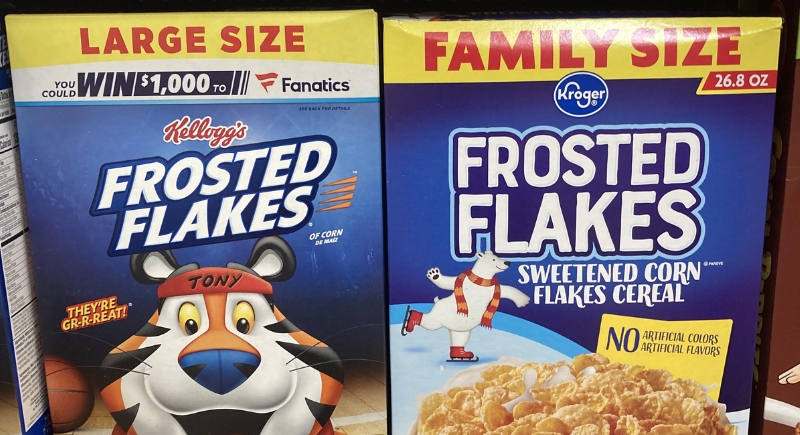
Between 2019 and 2024, family-sized Frosted Flakes shrank from 24 ounces to 21.7 ounces, raising the per-ounce cost about 40%. Angel Soft reduced its sheet count by 25.4% in the same period. Studies show roughly one-third of common household products got smaller while prices stayed the same, increasing what you pay per unit without changing the sticker price.
The Price That Grows at Checkout

Credit: Getty Images
A hotel can list a room for $89, and by the time resort fees, service charges, and processing fees are added, the total reads $140. This is drip pricing, and it has become a standard business model across airlines, hotels, and ticketing platforms. Over 76% of websites reviewed by the International Consumer Protection and Enforcement Network in 2024 used at least one version of it.
The Countdown Timer That Never Runs Out

Credit: Getty Images
You have probably seen it. A timer counts down, warning that the deal is about to disappear. Princeton researchers documented cases where those clocks hit zero, and the offer continued anyway. The urgency was manufactured. The goal is simple: push you to decide before you pause to think. India’s Central Consumer Protection Authority has labeled the creation of false urgency a deceptive practice, and European regulators have taken similar steps.
Made Up Five Stars
Credit: Canva
Approximately 30% of all online reviews are estimated to be fake, and a Fakespot analysis revealed that 43% of reviews on Amazon’s bestselling products were unreliable. One extra star on a product rating can increase demand by 38%, which is why companies continue to pay for them. The FTC now classifies them as a federal violation, with fines of up to $53,088 per offense in 2026.
What Got Added to Your Cart
Credit: Canva
Some websites slip items into your order without asking. Some common offenders include travel insurance and charitable donation sites. The European Commission found that nearly 40% of the reviewed online shopping sites used manipulative practices designed to exploit gaps in customer attention. This particular trick works well on mobile, where it’s easy to miss an extra line.
Expensive Plans and Bureaucratic Exit Routes
Credit: Dragon Images
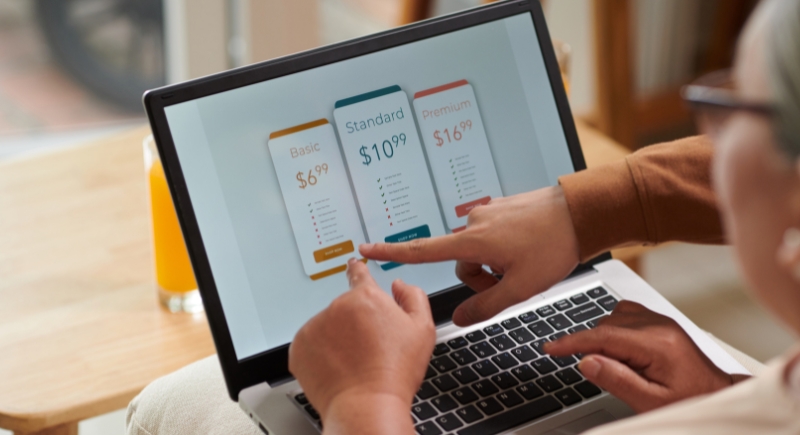
Americans spend about $91 a month on subscriptions, according to CNET, and a lot of that goes unnoticed. Prices start low, then increase, with notice emails buried under updates about new features. Canceling often takes more effort than signing up. Some platforms add extra steps and friction, knowing that if the process feels complicated enough, many people will stop trying and keep paying.
The Button Designed to Make You Feel Dumb
Credit: Getty Images
You have probably seen the pop-up. One button says, “I want to save money.” The other says, “No thanks, I prefer to pay full price.” The second option is written to make you hesitate. This tactic is called confirmshaming. It frames one choice as smart and the other as foolish, pushing you toward the option the company wants. That subtle pressure influences millions of people.
The “Healthy” Label That Means Almost Nothing
Credit: Getty Images
The word “healthy” on food packaging sounds regulated, but oversight is limited. The FDA does not pre-approve most claims before products reach shelves. Companies can use phrases like “supports immunity” without prior review. Although the FDA updated its definition in late 2024, full compliance with the revised standard is not required until 2028.