The Reality of RV Living: 10 Lessons for a Lifetime of Adventure
At some point, staying in one place stops working for certain people. The repetitive view and the fixed routine of a traditional home can start to feel more like a constraint than a comfort. However, trading a backyard for the open road is more than just a change of scenery; it is a fundamental shift in how you manage everyday life. Moving into an RV requires a new set of rules and a willingness to adapt.
Redefine What “Home” Means
Credit: Canva
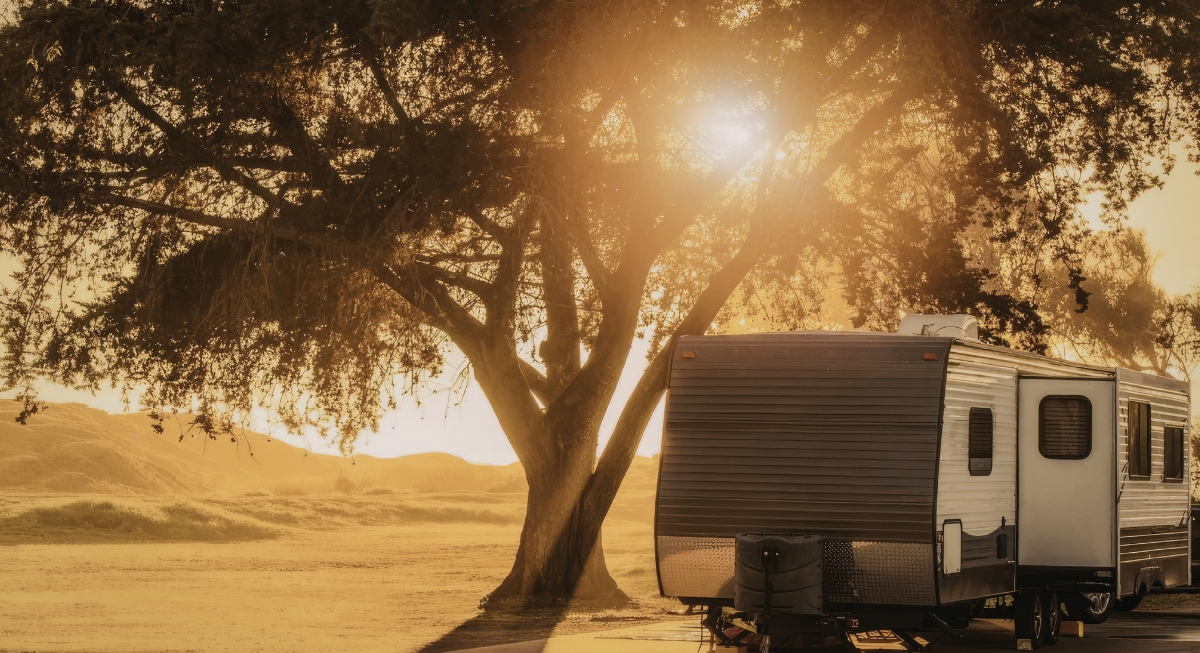
Home stops being a fixed location and becomes a consistent living space that moves with you. RV ownership has increased steadily over the past two decades, reflecting how more people are choosing setups that allow them to relocate without disrupting daily routines. Once your habits, schedule, and environment are organized around a mobile setup, staying in one place becomes a choice rather than a default.
Let Go of Excess to Make Life on the Road Work
Credit: pexels
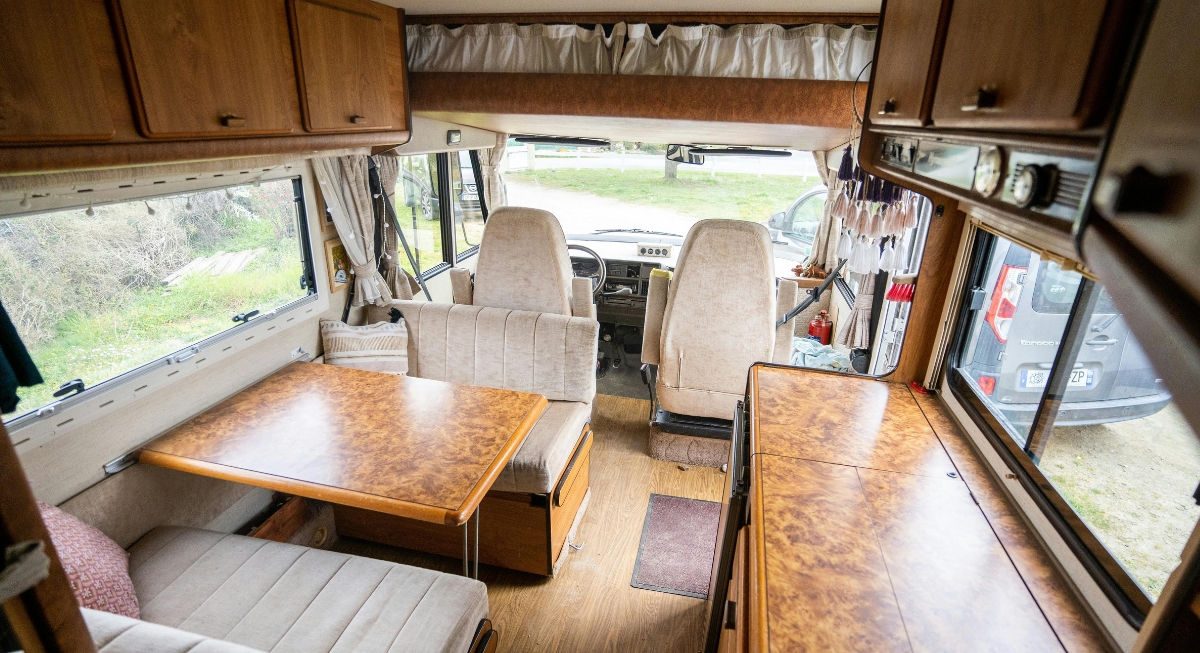
You can’t bring everything, so you have to decide what you actually use. Most people start this process months in advance, sorting their belongings into what stays and what goes. The goal is not just to save space, but to reduce what needs attention. Fewer items mean fewer decisions, less maintenance, and fewer practical reasons to stay in one place longer than planned.
Stop Treating Travel Like a Special Occasion
Credit: Canva
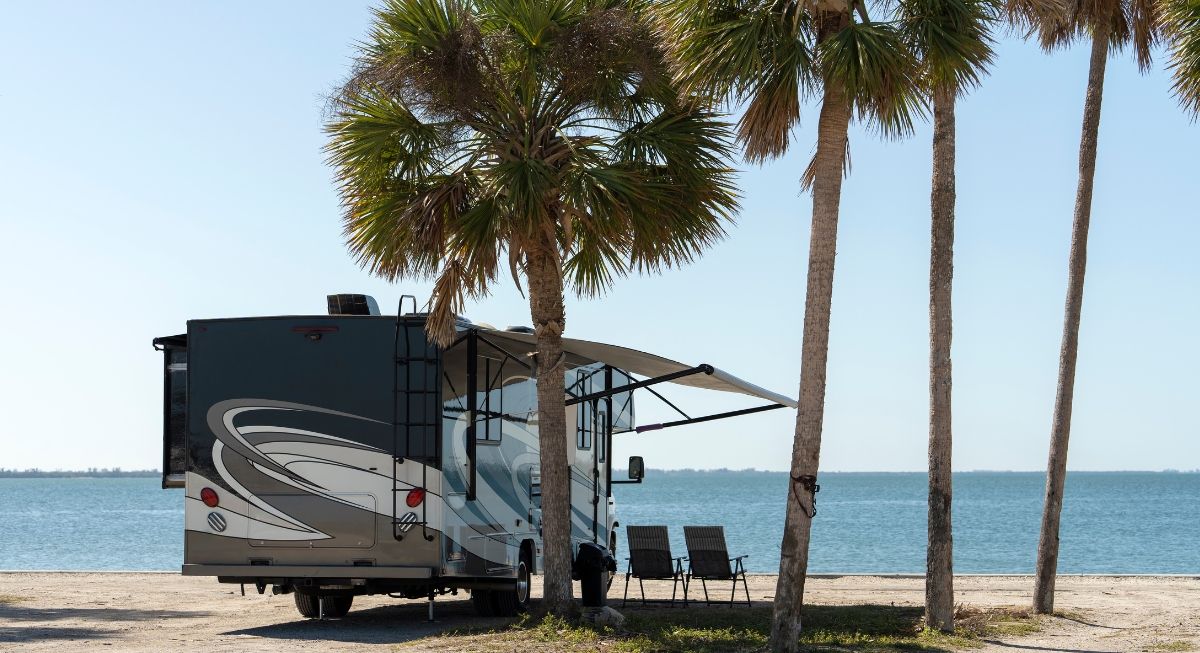
When changing locations becomes part of daily life, travel stops feeling like something that needs to be optimized. There is no need to fit everything into a tight schedule. You can stay longer when a place works, leave when it doesn’t, and skip plans without feeling like you missed something. Time is no longer compressed, which makes each stop easier to manage.
Build a Budget That Supports Travel
Credit: Canva
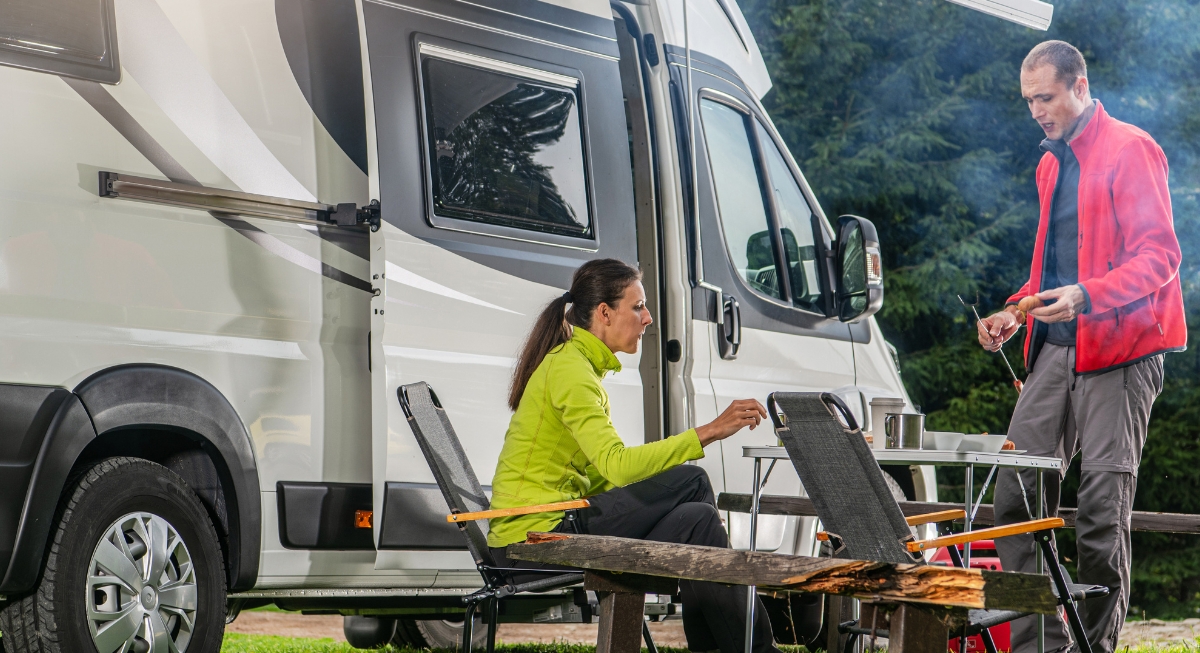
Without a permanent home base, spending shifts toward daily needs. Instead of paying for a property that sits unused, costs go toward fuel, campsites, food, and maintenance. Some people spend less overall, while others spend the same or more, depending on how often they relocate and where they stay. What changes most is that spending is tied directly to how you live day to day.
Choose Flexibility Over Fixed Plans
Credit: Canva
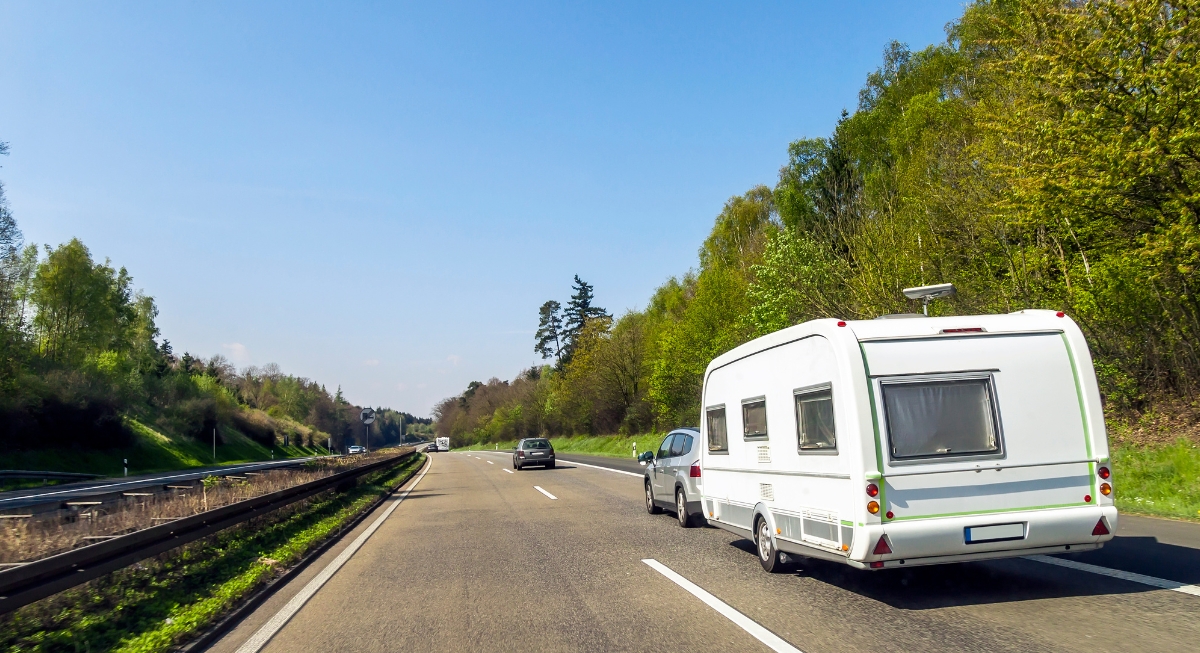
Planning still matters, but strict schedules create unnecessary constraints. A general route works better than a fixed itinerary. Weather conditions change, roads close, and new opportunities come up. Adjusting as you go makes decisions simpler and reduces the need to constantly revise plans.
Learn to Live Comfortably in Small Spaces
Credit: Canva
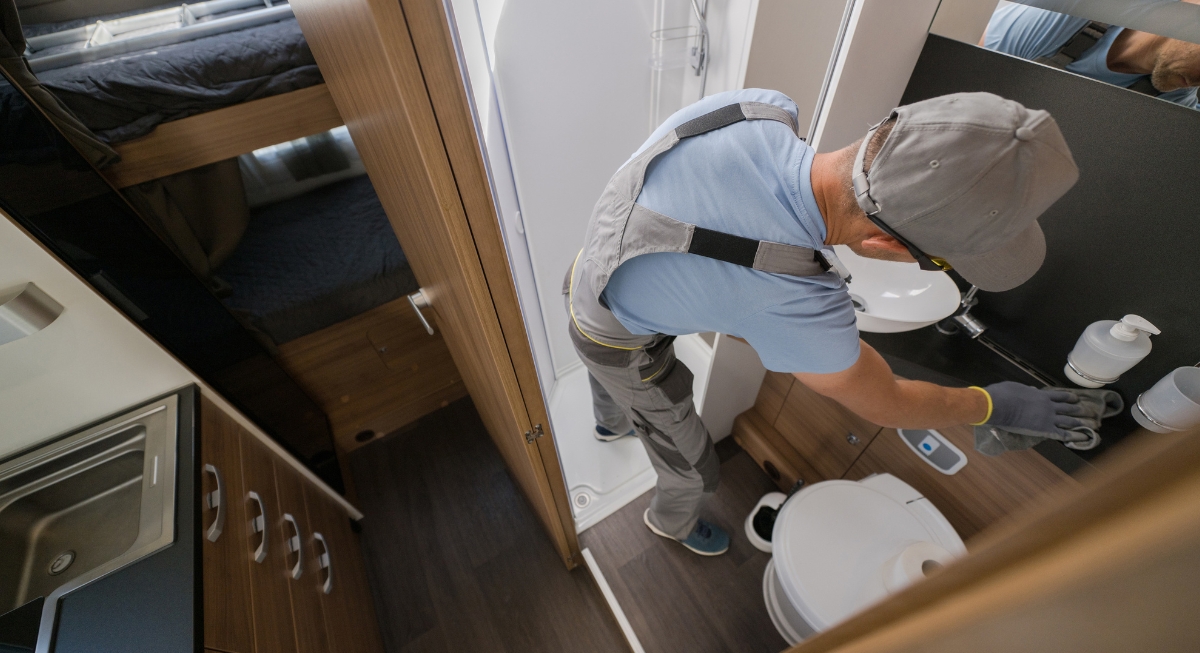
Space is limited, so organization needs to support daily use. Storage works best when it is built around how often items are needed, not just where they fit. Multi-purpose items, simple layouts, and clear systems make everyday tasks easier. When everything has a defined place, the space stays functional and easier to manage.
Take Full Responsibility for Your Own Safety
Credit: Getty Images
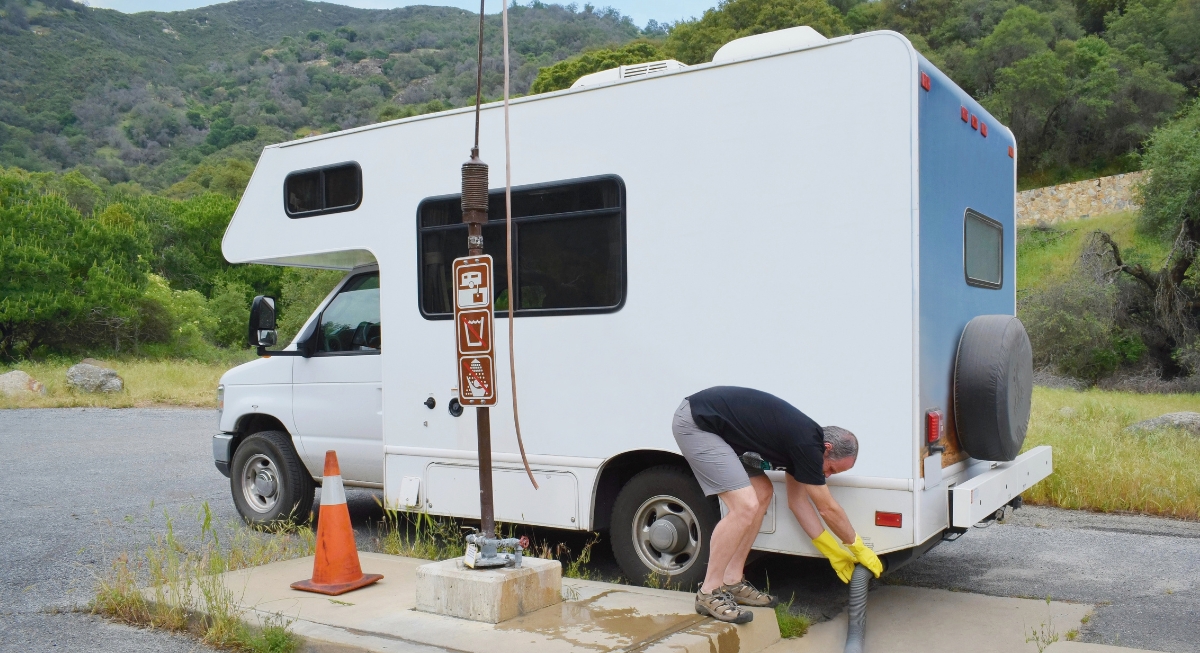
Living on the road means handling problems without relying on a fixed support system. There is no landlord or nearby backup. That requires understanding basic maintenance, carrying essential tools and supplies, and staying aware of your surroundings. Over time, these tasks become routine and help make the lifestyle sustainable.
Create Routines That Travel With You
Credit: Getty Images
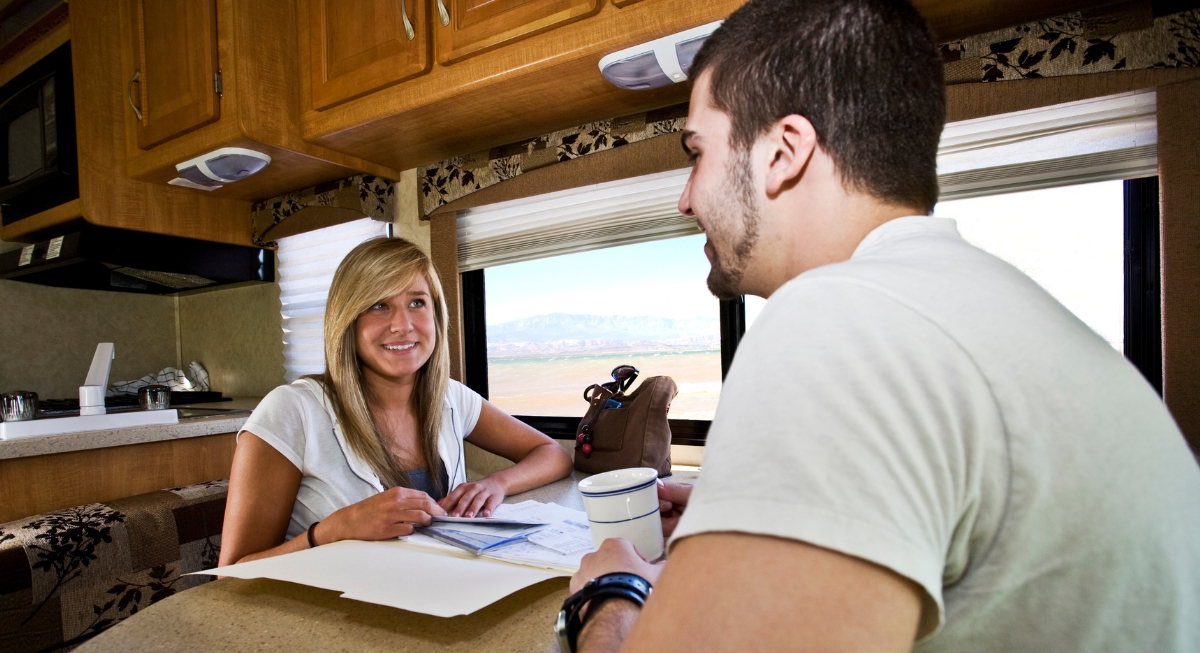
Frequent location changes can disrupt structure if there is no consistency. Simple habits such as regular meals, walking, or maintaining a sleep schedule help create stability. These routines make it easier to settle into each new location without needing to rebuild your day from scratch.
Stay Connected Without Being Dependent on It
Credit: Canva
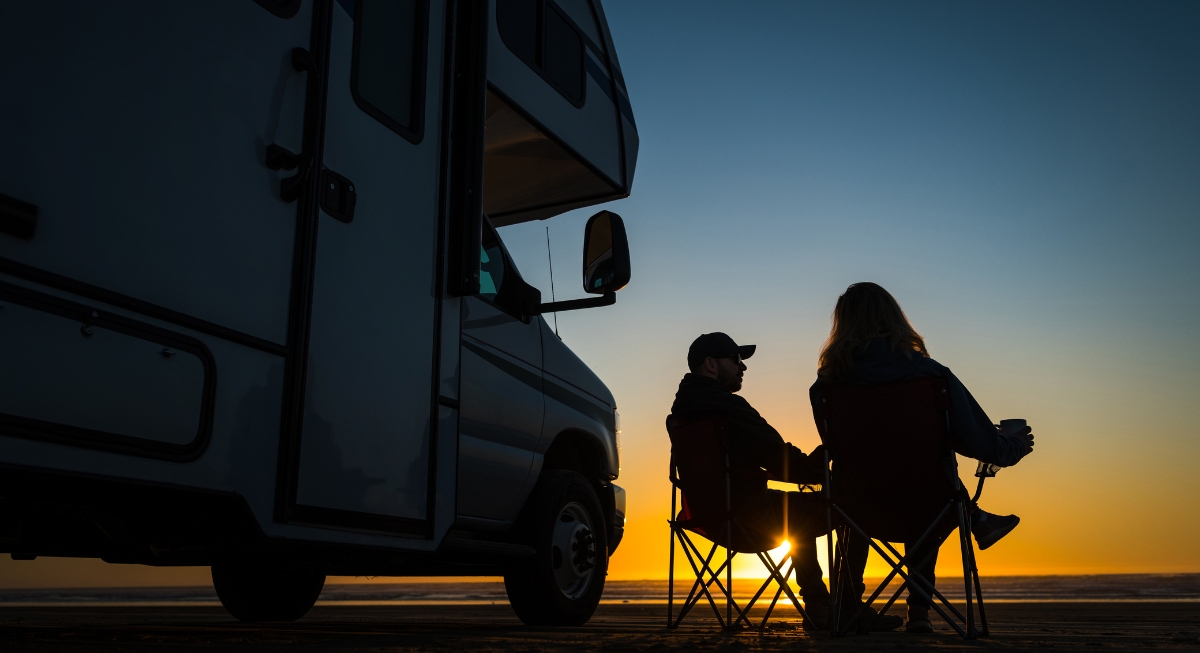
Reliable access to communication and the internet requires some planning. Many people use mobile hotspots, signal boosters, or offline downloads in areas with limited coverage. The goal is to stay reachable and manage logistics without depending on constant connectivity.
Slow Down Enough to Actually Experience the Road
Credit: Canva
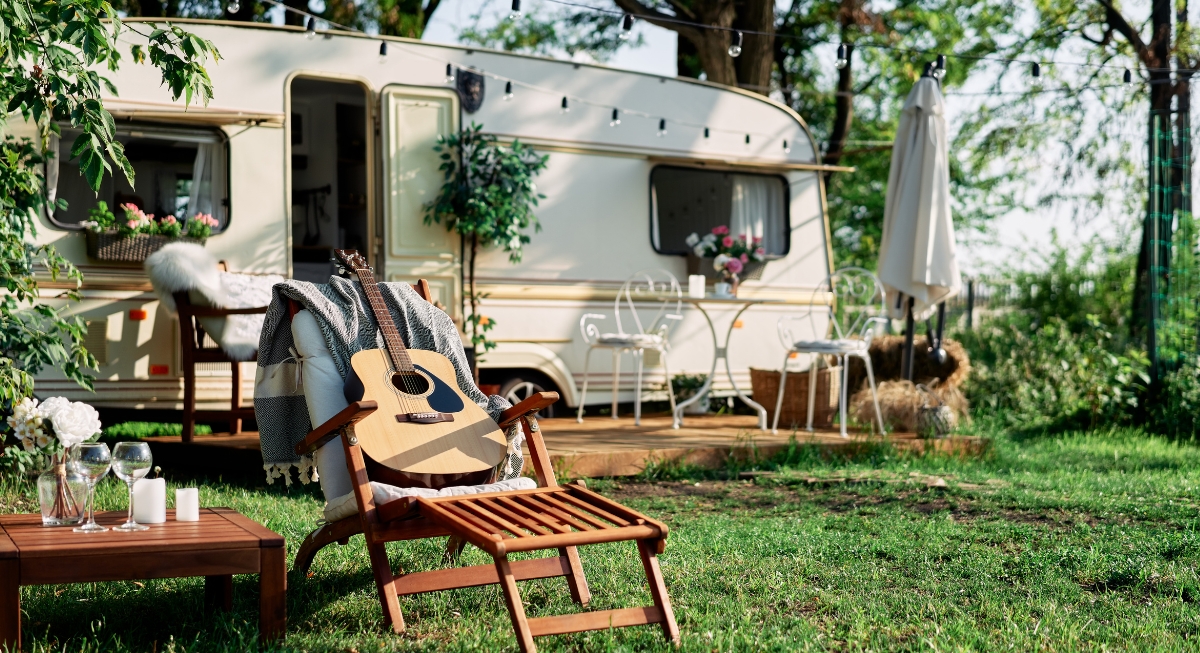
It is easy to keep relocating simply because the option is there. However, frequent driving can become its own routine. Staying in one place for longer periods and spacing out travel days helps create a more manageable pace. Taking time to settle in allows each location to be experienced more fully.