10 Robots That Are Already Living Among Us
Robots that look and move like people are no longer just science experiments or movie props. Some are already showing up in real jobs working in stores, helping in warehouses, or doing chores at home. These machines can learn, adjust, and even work safely around people.
Companies across tech, retail, and healthcare are testing what humanoid robots can actually do outside the lab.
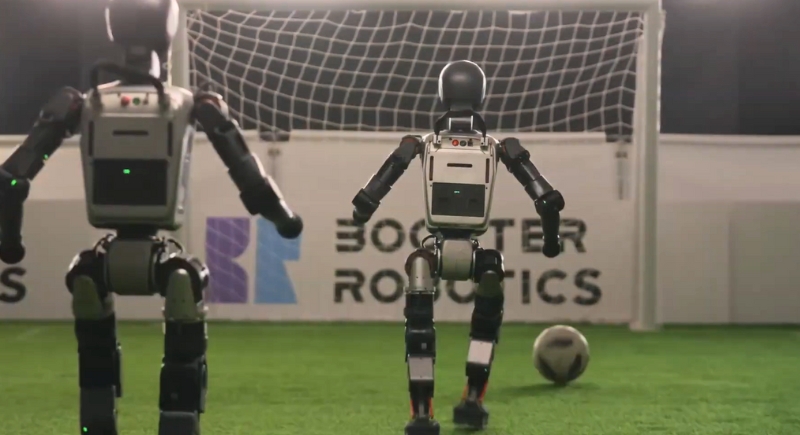
Booster T1 Plays Fully Autonomous Soccer
Credit: Youtube
Booster T1 robots participated in a fully autonomous humanoid soccer match in China. Teams played three-versus-three and showcased real-time decision-making, coordinated movement, and recovery after collisions. While not designed for industrial work, these robots demonstrate multi-agent collaboration in unpredictable, high-speed environments.
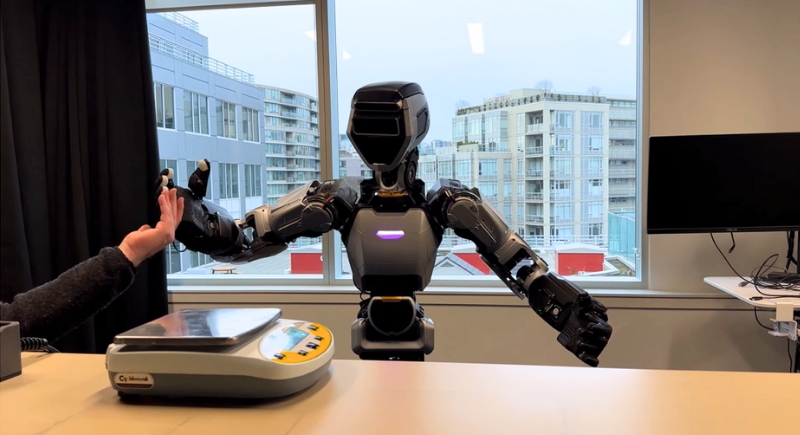
Phoenix Learns New Tasks in 24 Hours
Credit: Youtube
Most robots need weeks of coding for every new function. Phoenix doesn’t. This humanoid from Sanctuary AI can learn complex tasks in under 24 hours. In a Canadian retail pilot, it restocked clothing and handled online orders. It adjusted its behavior based on what it saw, not what it was preprogrammed to do.
Neo Gamma Performs Household Chores

Credit: Youtube
Neo Gamma is designed for residential use. It tackles household tasks like folding clothes and wiping surfaces. It uses flexible actuators and soft, skin-like material that’s safer for families. Developed by 1X Technologies, it speaks naturally using a custom AI model that understands conversational cues and context.
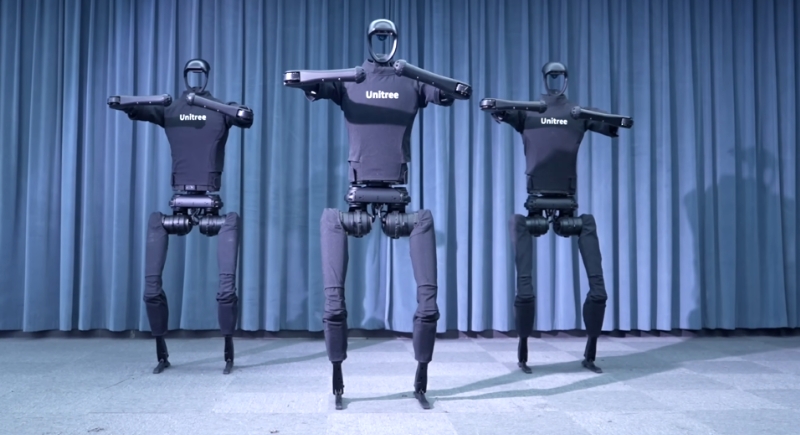
H1 Holds the Speed Record for Bipedal Robots
Credit: Youtube
Built by Unitree, the H1 is the fastest electric bipedal humanoid robot, reaching a speed of 7.38 mph. It uses LiDAR sensors for full-environment scanning and electric actuators for precise control. Beyond speed, it performs practical tasks like cooking, soldering, and even compactly folding itself for storage or transport.
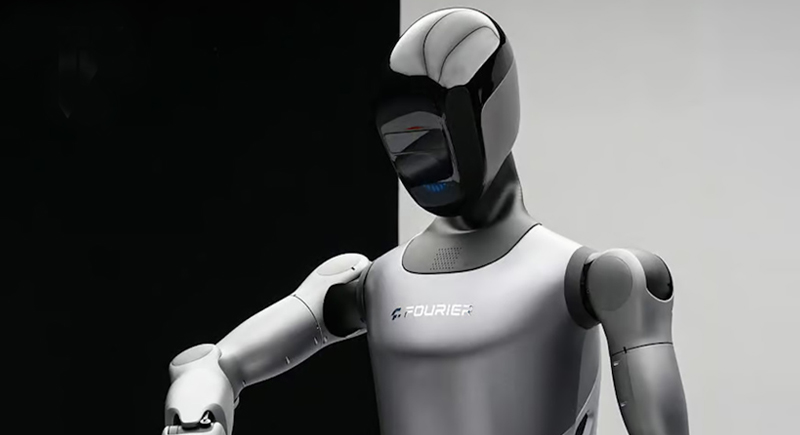
GR-2 Is Being Tested for Caregiving Roles
Credit: Facebook
GR-2, the latest robot from Fourier Intelligence, builds upon its predecessor with faster walking and more precise hand movements. It’s being explored for roles in elder care and rehabilitation, where a gentle touch and moment-to-moment awareness are crucial. It’s being tested in real clinics and labs across Asia.
Digit Is Commercially Deployed in Warehouses
Credit: Facebook
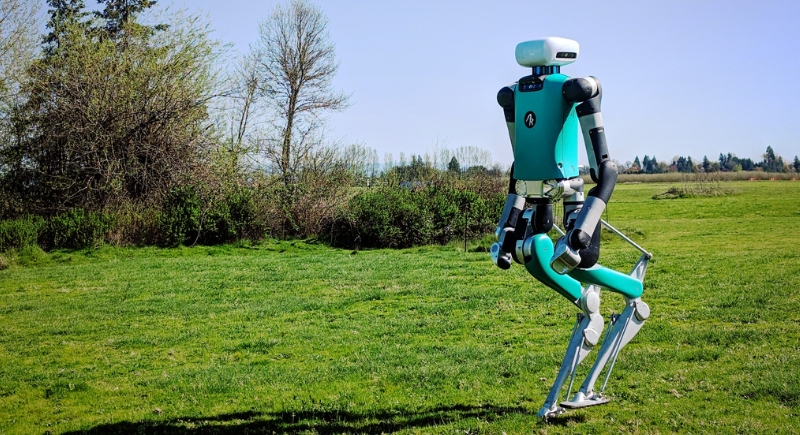
Agility Robotics’ Digit is used in real-world warehouse settings for tasks such as sorting packages and retrieving items. Its design allows efficient movement in narrow spaces, and it’s one of the first humanoid robots to be sold and used commercially for logistics and fulfillment work.
Apollo Can Lift and Transport Heavy Items
Credit: Instagram
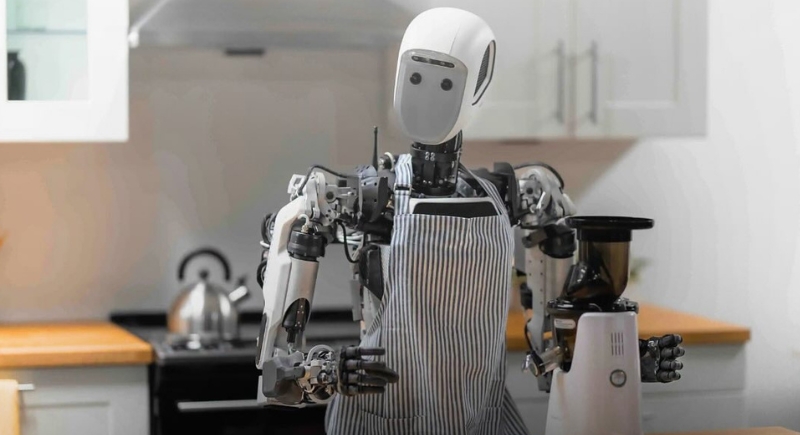
Apollo, created by Apptronik, can lift loads up to 25 kilograms and is built for palletizing and warehouse support. It has been tested by Mercedes-Benz for loading jobs. Backed by NASA, Apollo’s focus is working safely alongside people in high-paced logistics without accidentally running into them.
Figure 02 Is Used in Auto Manufacturing
Credit: Facebook
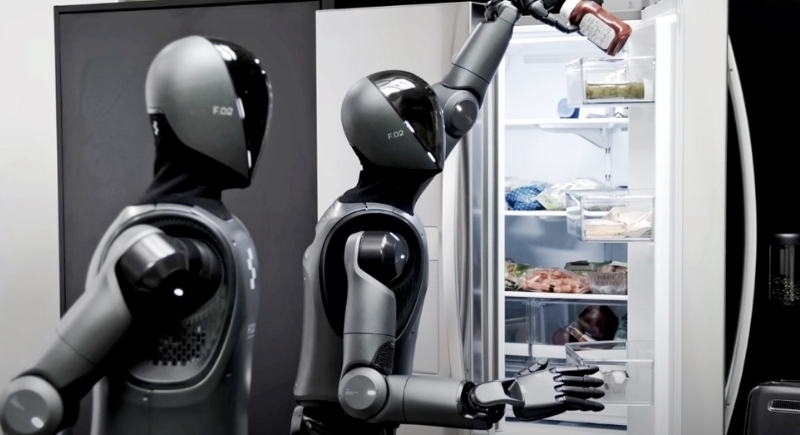
At BMW’s South Carolina plant, Figure 02 works alongside humans by handling repetitive assembly tasks. It’s part of a new generation of factory robots that can operate in spaces that are not entirely controlled. It’s trained with OpenAI tools, which makes it adaptable enough to handle slight changes without needing a reset.
Optimus Gen 2 Operates Inside Tesla Facilities
Credit: Wikimedia Commons
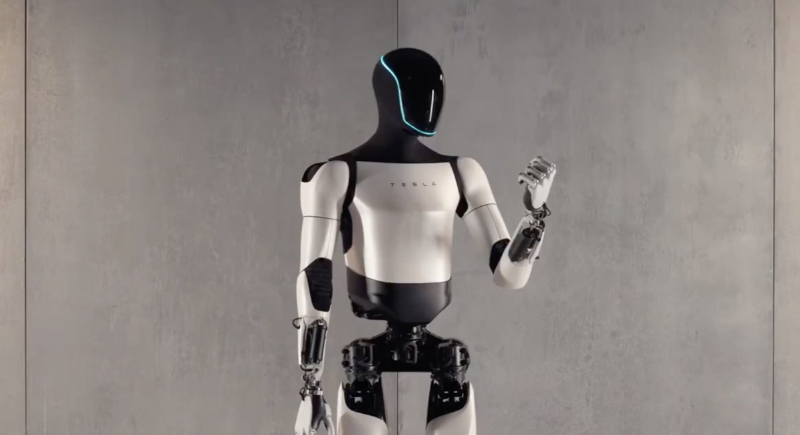
Tesla’s Optimus Gen 2 shares a tech stack with the company’s vehicles, including the neural networks used for autonomous driving. At Tesla facilities, it has been observed lifting objects and sorting items, although questions remain about whether these actions are fully autonomous or guided. Either way, it’s no longer just a concept.
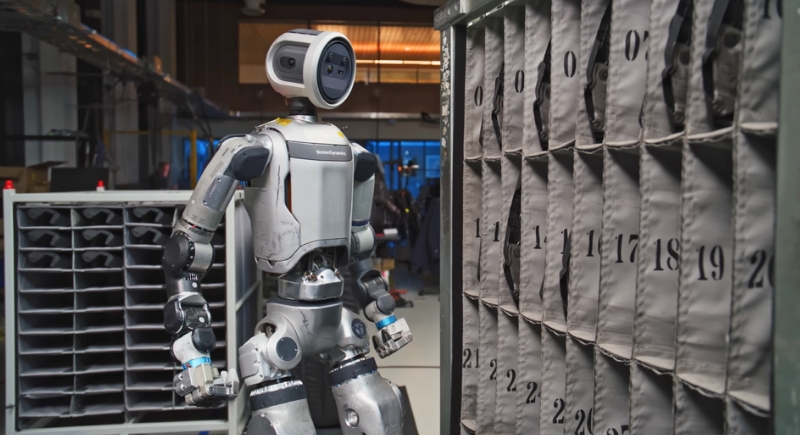
All-New Atlas Uses a Fully Electric System
Credit: Youtube
The latest version of Boston Dynamics’ Atlas robot replaces hydraulic systems with an all-electric design. This upgrade makes it lighter, more durable, and better suited for precision tasks. While not yet commercially available, its engineering signals a shift toward more functional humanoid movement.