7 Sneaky Restaurant Wine List Traps That Are Costing You Money
Restaurants don’t make their biggest profits from food. The real money often comes from the wine list. It might seem like a straightforward page with a few inexpensive bottles, several mid-range choices, and a handful of expensive labels reserved for celebrations. In practice, that list is rarely neutral. The pricing, the order of the bottles, and even the regions included are arranged to guide diners toward selections that push the final bill higher. Most guests don’t notice the pattern while ordering.
Entry-Level Bottles With the Highest Markups
Credit: pexels
The cheapest wines on a restaurant list often carry the steepest markup percentages. While premium wines might be priced at less than double their wholesale cost, entry-level bottles can be marked up three or four times their retail value. For example, a bottle that sells for $12 in a shop may appear on a restaurant list for $45. This pricing works because diners choosing budget options rarely compare retail value while sitting at the table. High-end wines, on the other hand, like a $300 bottle, might only carry a 70–100 percent markup because extreme increases would make it unsellable. The lower end of the list becomes the real profit engine.
The Second-Cheapest Bottle Trap
Credit: Getty Images
Many diners skip the cheapest wine on the list because ordering it can feel awkward. Instead, they move one step up and choose the second-cheapest bottle. Restaurants understand this pattern. Since that spot is often ordered, the wine placed there usually has a strong profit margin. In some cases, it even costs the restaurant less wholesale than bottles priced around it. The guest feels they made a smarter choice, while the restaurant earns more on the bottle most people pick.
Luxury Bottles That Reset Your Sense of Price
Credit: Canva
Many wine lists include extremely expensive bottles that few diners actually order. These wines function as psychological anchors. When a list contains a $900 Bordeaux or a $600 Napa Cabernet, a $120 bottle nearby begins to feel moderate by comparison. The presence of a luxury item shifts the perceived “normal” price upward. Menu designers use this strategy deliberately. By placing a few high-ticket bottles at the top of a section, the surrounding wines appear more reasonable, even when their markups remain substantial.
Menu Placement That Guides Your Eye
Credit: Canva
Wine lists are designed with the same visual psychology as restaurant menus. Certain areas receive more attention than others. Items placed in the center of a page, highlighted with boxes, or positioned at the top of a section attract the eye first. Hospitality consultants call these areas “menu sweet spots.” Wines placed in these positions are often selected because they produce strong margins for the restaurant. The placement increases visibility, which increases orders.
Prices That Hide the Cost of Spending
Credit: pexels
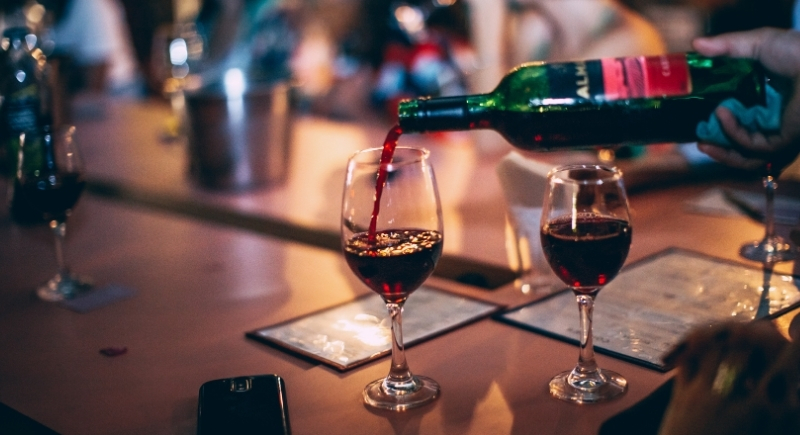
Look closely at some wine lists, and you might notice something missing. Instead of “$48,” the menu simply shows “48.” Leaving out the dollar sign is not accidental. Without that symbol, the number feels less like spending money and more like part of the menu description. Research on consumer behavior shows that this small formatting trick can influence how people perceive prices. When the cost feels less obvious, diners often end up spending a little more than they expected.
Famous Wine Regions With Premium Markups
Credit: pexels
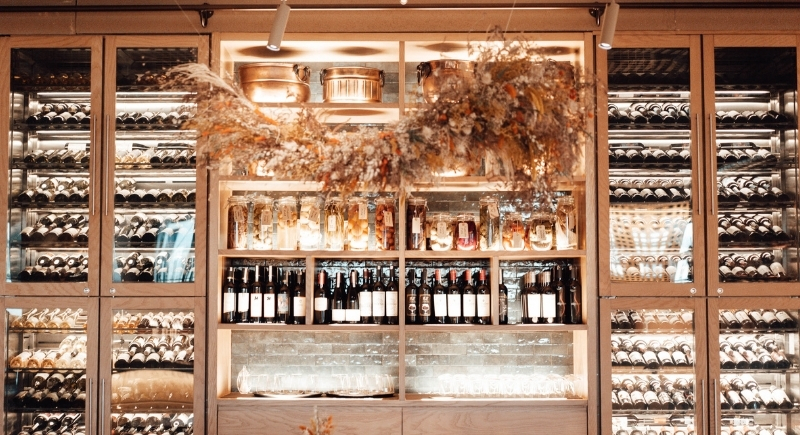
Wine lists often charge more for bottles from widely recognized regions such as Bordeaux, Napa Valley, or Tuscany. Diners scanning the list frequently look for familiar names because they want to avoid ordering something disappointing for the table. Restaurants understand this instinct and apply higher prices to those recognizable regions. Meanwhile, wines from nearby but lesser-known areas may sell for less despite similar grapes or production styles.
The By-the-Glass Pricing Illusion
Credit: Getty Images
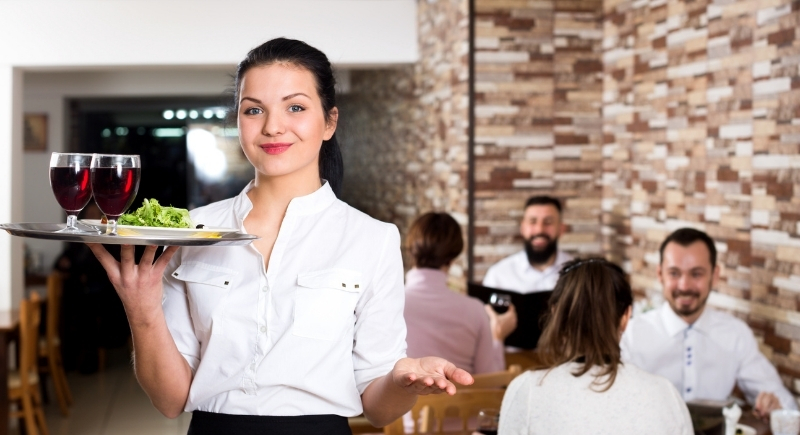
Ordering wine by the glass feels simple and flexible, especially if you only want a small amount. But it usually costs more in the end. A typical bottle holds about five glasses, yet restaurants often price one glass at about a quarter or even a third of the bottle’s price. That means ordering several glasses can quickly add up. For example, a $60 bottle might cost $16 per glass, so five glasses would come to about $80 instead of $60.