Ranking of Most Iconic US Companies Includes Three in Ohio
Some American companies become part of everyday life without much notice. They influence routines, travel, and habits in ways that feel natural rather than forced. A nationwide survey with more than 10,000 responses sought to identify which brands people consider most culturally important. Alongside the usual national giants, three Ohio-based companies earned a place for their influence over time.
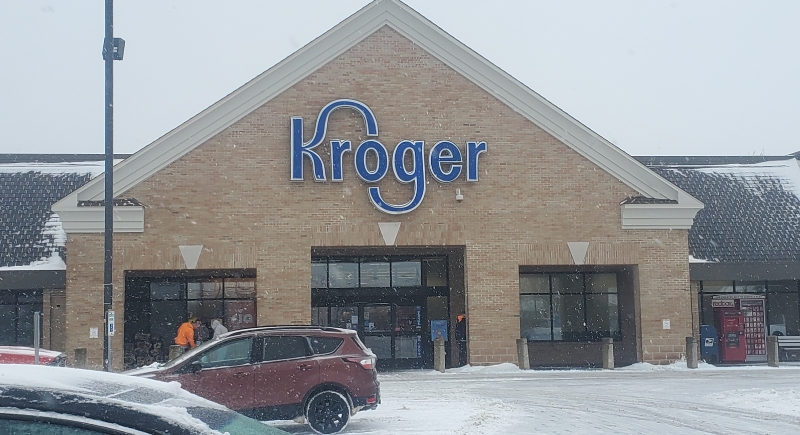
10. Kroger – Cincinnati, Ohio
Credit: Wikimedia Commons
Long before grocery delivery apps and self-checkout lanes, Kroger was reshaping how Americans shop. It was the first to combine bakery and meat counters under one roof. Beyond its name, the company runs dozens of regional stores, like Fred Meyer and King Soopers.
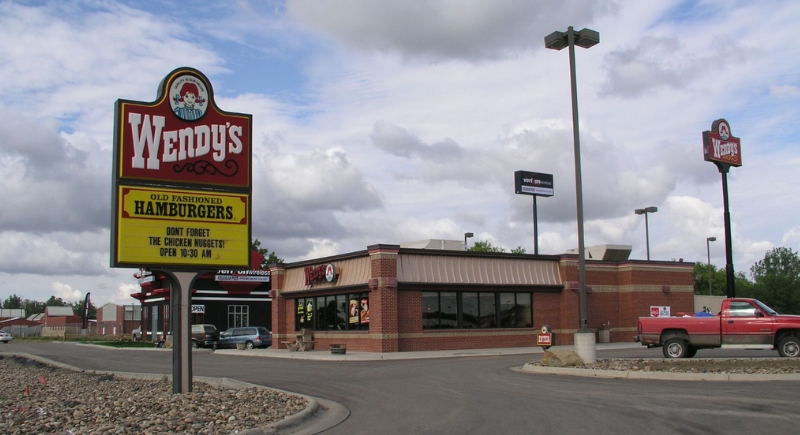
9. Wendy’s – Dublin, Ohio
Credit: Wikimedia Commons
Dave Thomas opened the first Wendy’s in 1969 with a fresh beef promise and his daughter’s name on the sign. The square burgers stuck, but so did the sass. Decades later, Wendy’s found a second wind online, where its Twitter comebacks earned as much attention as its Frostys.
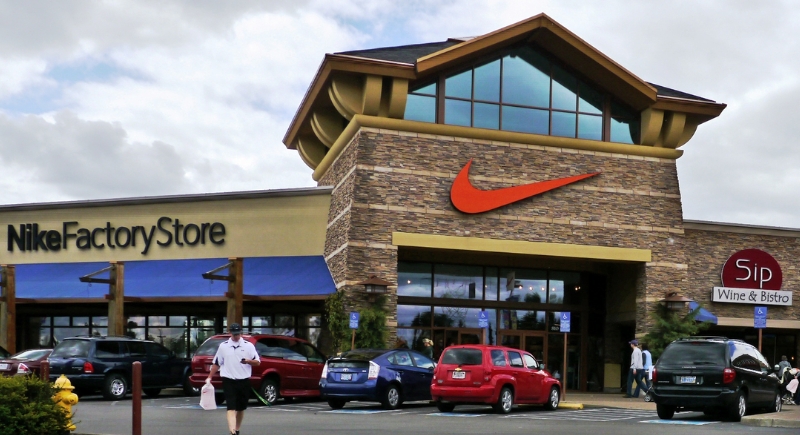
8. Nike – Beaverton, Oregon
Credit: Wikimedia Commons
Nike officially took its name in 1971 after being founded in 1964 as Blue Ribbon Sports. Its partnership with Michael Jordan in the ’80s helped birth sneaker culture. The brand leaned hard into athlete endorsements and cultural moments, making its “Just Do It” slogan stick around far longer than most ads ever do.
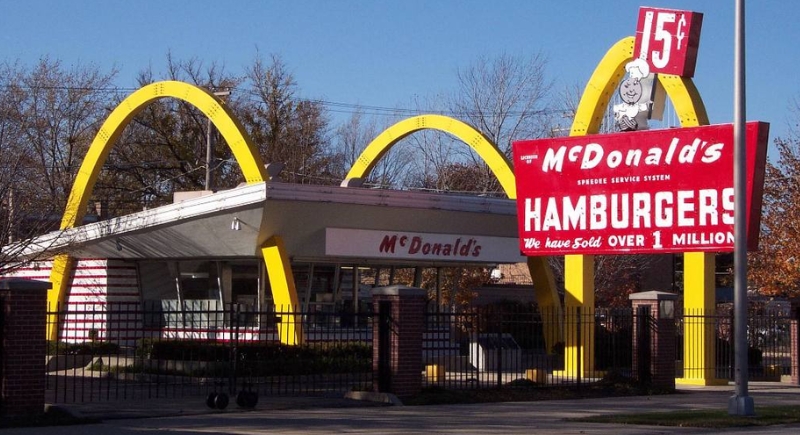
7. McDonald’s – Chicago, Illinois
Credit: Wikimedia Commons
Since 1940, McDonald’s has fed everyone from road trippers to world leaders. At its peak, the chain opened a new restaurant every five hours. The menu shifts with trends—McWraps, plant-based nuggets, BTS meals—but the core is still burgers, fries, and that red tray.
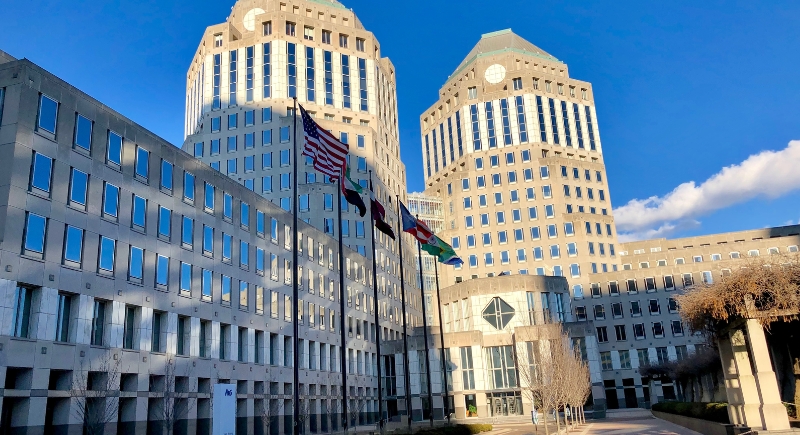
6. Procter & Gamble – Cincinnati, Ohio
Credit: Wikimedia Commons
P&G is behind so many household brands that it’s easy to forget they’re all part of one company. Founded in 1837 in Cincinnati, the firm became a marketing machine early on. P&G pioneered soap operas on radio to sell detergent and still dominates Super Bowl ad rankings with emotional spots that usually feature moms or athletes.
5. Amazon – Seattle, Washington
Credit: Wikimedia Commons
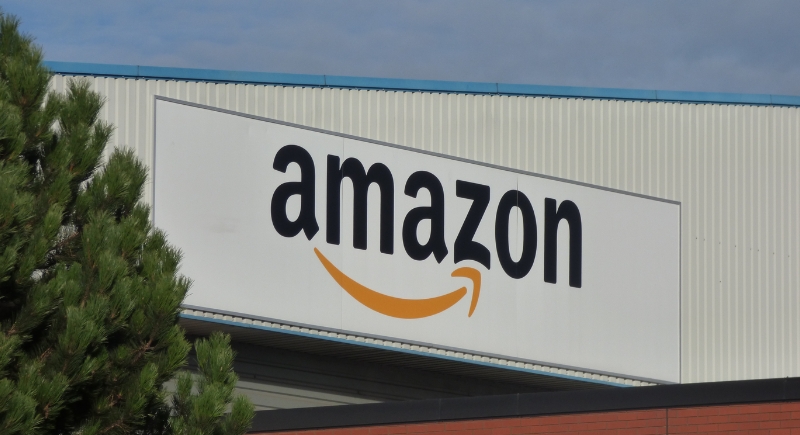
What began with books in 1994 became something much bigger and faster. Amazon turned free shipping into an expectation and built one of the most complex logistics networks ever created. It also popularized the smart speaker with Alexa and quietly became a tech infrastructure giant through AWS.
4. Coca-Cola – Atlanta, Georgia
Credit: pexels
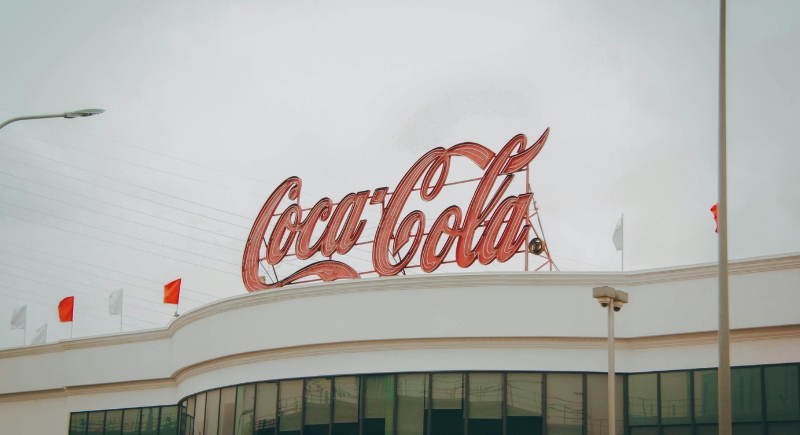
Coca-Cola’s recipe is famous for being secret, but its cultural impact is easy to see. Founded in 1892, the company helped define modern advertising and built one of the first truly global distribution networks. Its holiday campaigns also influenced the modern image of Santa Claus. Today, Coca-Cola sells its drinks in more than 200 countries and often serves as a symbol of American brands abroad.
3. Google – Mountain View, California
Credit: Wikimedia Commons
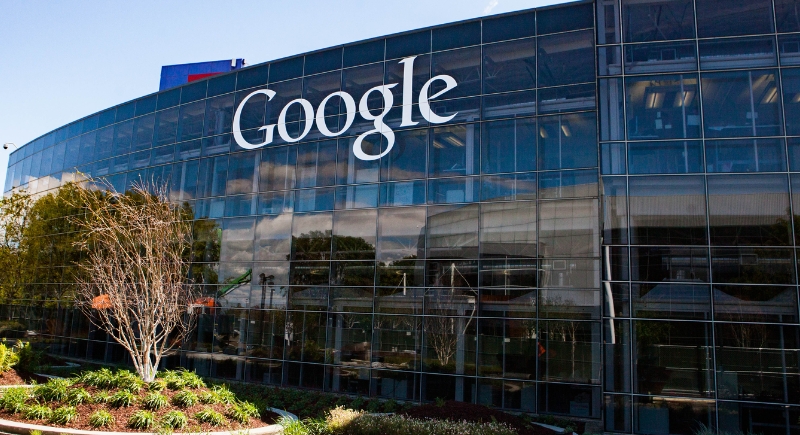
Google started in 1998 as a project by two Stanford graduate students. Today, it processes billions of searches each day and owns YouTube. Its software runs on most smartphones outside the Apple ecosystem. The brand became so familiar that “to Google” entered the dictionary as a verb.
2. Ford – Dearborn, Michigan
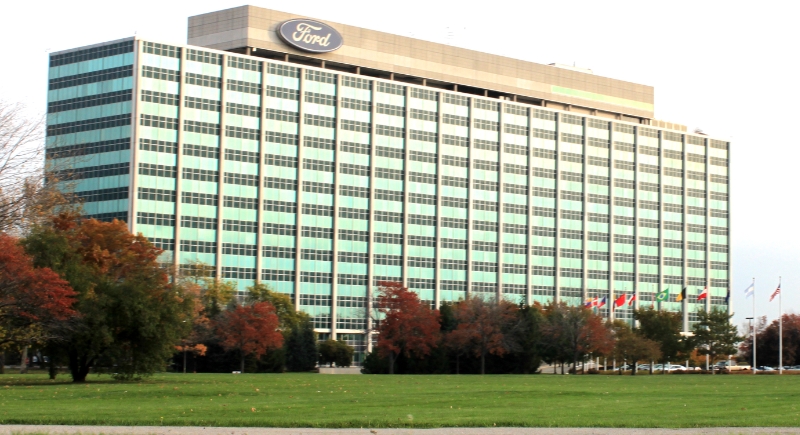
Credit: Wikimedia Commons
Ford brought cars to the masses and rewrote the rules of manufacturing. The moving assembly line, launched in 1913, changed everything. At one point, half the cars in the world were Fords. Over 100 years later, the Mustang is still a fan favorite, and Ford’s EV push shows it’s not interested in being a history lesson.
1. Apple – Cupertino, California
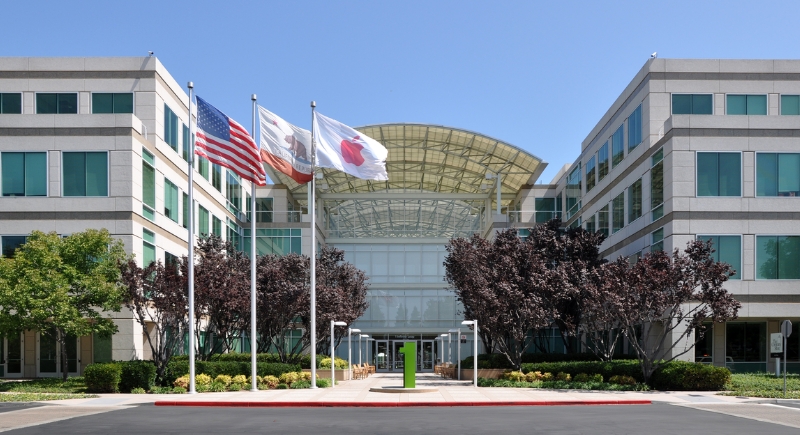
Credit: Wikimedia Commons
The iPhone launched in 2007, but Apple had been climbing toward icon status since 1976. Known for slick design and software that “just works,” Apple created its own ecosystem that people happily buy into. The company’s headquarters look like a spaceship, and its product launches feel like concerts.