10 Quirky Productivity Hacks You Have Not Tried Yet
Productivity does not have to follow strict routines or rigid schedules. Small changes in how people approach tasks can sometimes make a bigger difference than another planning system. Some of the most effective methods sound unusual, but they work because they help people focus and finish work. These productivity hacks are simple, practical, and often overlooked.
Switch Rooms To Reset Your Brain

Credit: Canva
Reddit users have shared that working in different spots for different tasks keeps the brain alert. Writing happens in the kitchen, email on the bedroom floor, calls on the balcony. The switch creates mental associations between space and action, helping focus and reboot each time.
Dress Like It’s Your Big Moment
Credit: Canva
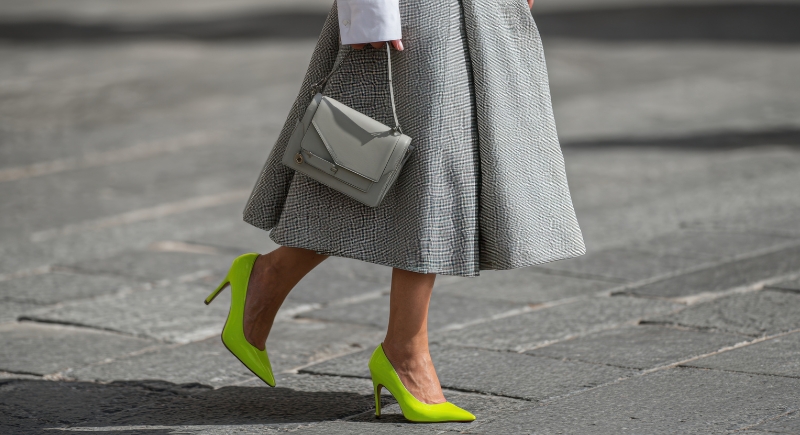
Wearing specific clothes—like a blazer, heels, or even a superhero cape—can change how your brain operates. Researchers at Northwestern University call this “enclothed cognition.” When people wear clothes they associate with competence or confidence, performance improves. It’s about fooling your brain into getting serious just by changing your outfit.
Write In Comic Sans On Purpose
Credit: pexels
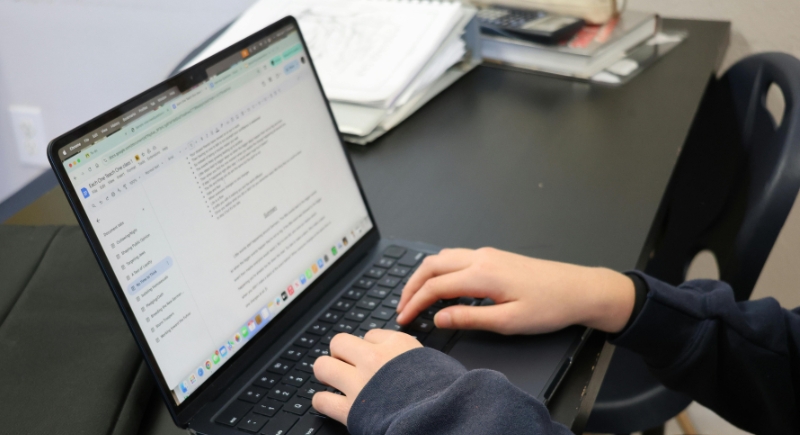
People who struggle to start writing often find relief by switching the font to Comic Sans. The casual look lowers the pressure to sound polished and makes the task feel less serious. That shift helps ideas come out more freely without worrying about format or tone. After the words are down, changing the font back can make editing feel easier and more detached.
Narrate Your Tasks Like A TV Host
Credit: Getty Images
Narrating your actions, either out loud or mentally, can reduce the gap between intention and movement. In psychology, this is called parallel talk. Simple lines like “Rinse the mug. Wipe the counter. Good work” can add momentum. Some people picture themselves hosting a cooking show or explaining a process to an audience.
Switch Music Based On Task Type

Credit: Canva
Task-appropriate audio keeps your brain on track. For physical tasks like cleaning, upbeat music with lyrics works well. But for mentally demanding work, video game soundtracks are better. They’re designed to be motivating without distracting. Pairing a type of music with a specific task helps form automatic focus cues over time.
Use A Resistance Band At Your Desk

Credit: Canva
Looping a resistance band around chair legs lets you do simple leg exercises while working. Subtle movement like stretching or tapping engages muscles and reduce restlessness. For people who fidget or lose focus when sitting still, this keeps energy moving without being distracting. It’s especially useful during long virtual meetings or when writing for extended periods.
Don’t Take Off Your Shoes Yet
Credit: Canva
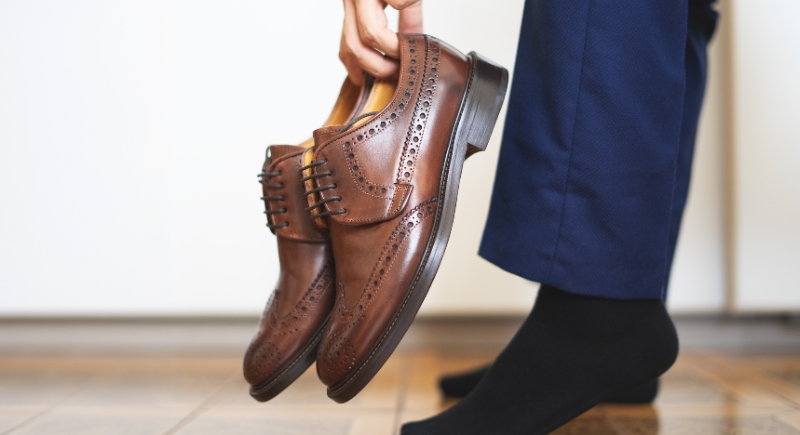
Keeping your shoes on after arriving home creates a psychological cue that work isn’t over. Once the shoes come off, the body shifts into rest mode. For people who work from home or struggle to get through post-work chores, delaying that physical transition can help prolong productivity. It’s a small delay tactic that has noticeable effects.
Use A Distraction Jar To Delay Temptations

Credit: Canva
Instead of trying to block every distraction, write each urge—scrolling, snacking, random Googling—on a slip of paper and drop it into a jar. After the work session, go through them guilt-free. This lets the brain acknowledge urges without acting on them immediately, reducing the mental tug-of-war.
Put Tasks In A Jar And Let Chance Decide
Credit: Getty Images
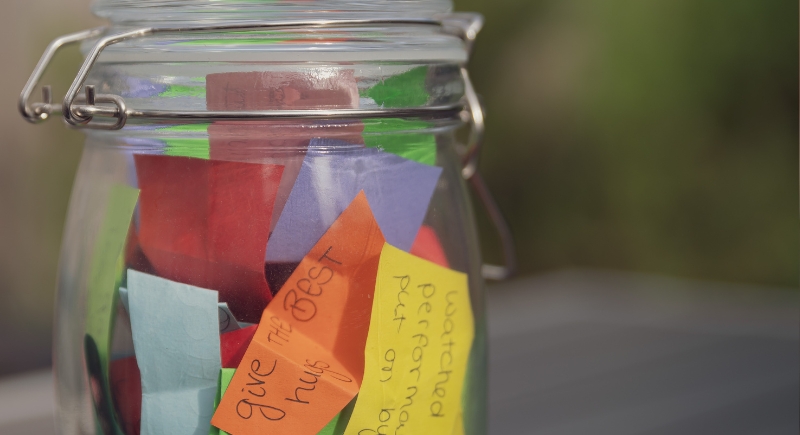
For people overwhelmed by decision fatigue, turning to randomness works surprisingly well. Write individual tasks on slips of paper, fold them, and pull one at a time. It breaks the loop of staring at a to-do list and wondering where to start. The mystery adds just enough novelty to reduce dread and build momentum.
Use A Five-Second Countdown To Launch Into Action
Credit: Getty Images
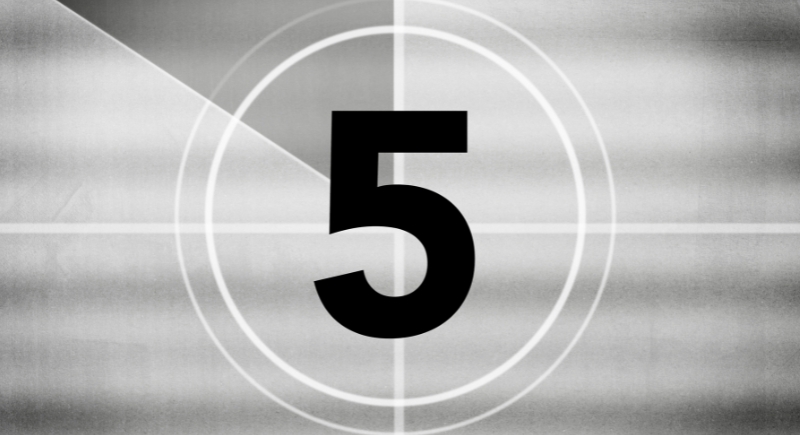
Count from five down to one and start the task as soon as you reach zero. The technique comes from Mel Robbins and works as a mental trigger to begin. It limits hesitation by replacing overthinking with a clear signal to move. A small physical action, such as standing up or clapping, can make the transition into action feel more automatic.