10 Unconventional Principles Barbara Corcoran Uses to Build Wealth Instead of Saving
Whenever people think about saving money or building wealth, most of the advice they hear from financial experts revolves around budgeting carefully, cutting unnecessary spending, and playing it safe with money. Barbara Corcoran, however, built her fortune in almost the opposite way. The longtime real estate investor became successful by taking risks, trusting her instincts, and investing in opportunities she believed could grow into something bigger. Some of her ideas sound unconventional at first, but many of the decisions that helped build her empire came from thinking differently about money and success.
Spending Can Create Momentum

Credit: iStockphoto
After selling The Corcoran Group for $66 million in 2001, she gave away a huge portion to family members, friends, charities, and education funds. The habit came from her mother, who raised 10 children and believed money existed to improve life rather than become a scoreboard people stared at nervously.
Big Bets Beat Tiny Ones

Credit: Getty Images
Most financial advice pushes diversification as the safest path, but Barbara Corcoran has long preferred putting serious money into areas she truly understands instead of spreading investments everywhere. Real estate became her focus because she trusted her instincts there and knew the business well. Even investors like Warren Buffett and Charlie Munger have argued over the years that strong conviction often matters more than owning a little bit of everything.
Overspending Can Make Sense

Credit: Getty Images
Corcoran spent aggressively on properties she believed had long-term potential. She once explained that she was usually willing to outbid competitors on buildings she truly wanted. The idea sounds backward until viewed through a real estate lens. A strong property in a rising neighborhood can erase that extra upfront cost over time.
Personality Matters In Business

Credit: Canva
Instead of stiff professionalism at work, Corcoran focused on energy and connection. Former employees often described theme parties and unpredictable office traditions. She believed happy people worked harder and stayed loyal longer. That philosophy spilled into her investment style, too. During Shark Tank pitches, she regularly pays close attention to charisma and confidence.
Rejection Became Fuel

Credit: Getty Images
Before becoming famous, Corcoran struggled through more than 20 jobs by her early twenties. Teachers had labeled her the “dumb kid” because of dyslexia, and plenty of people underestimated her abilities. She has spoken openly about using insults almost like competitive fuel. That attitude shaped her sales style early in her career.
Staying Close To The Action

Credit: Pexels
At one point, Corcoran regularly moved her desk around the office. She wanted access to conversations, gossip, complaints, and ideas floating around the company floor. The habit gave her a sharper read on what employees and clients actually cared about. It also kept her involved in the small details that often reveal larger business problems.
Fear Didn’t Control Decisions

Credit: Getty Images
The 1990 recession nearly destroyed Corcoran’s business. She later recalled being terrified about money during that stretch. Her mother responded with advice that sounded almost absurd at the time: stop worrying because panic solves nothing. Corcoran says she came up with a million-dollar idea shortly afterward. That story still shapes how she handles stress today.
Fast Decisions Kept Her Competitive

Credit: Getty Images
Long meetings and endless analysis never fit Corcoran’s style. She prefers quick decisions backed by experience and observation. During Shark Tank, she sometimes commits to deals within minutes because she trusts her ability to read people under pressure. That speed gave her an edge in real estate as well.
Publicity Was Treated Like Free Money

Credit: Getty Images
Corcoran understood the value of attention. She regularly created unusual real estate reports and market rankings because reporters loved covering them. That strategy kept her company visible without massive advertising costs. She once turned a small real estate firm into a recognizable New York brand largely through press coverage.
Instinct Often Beats Formal Planning
Credit: Wikimedia Commons
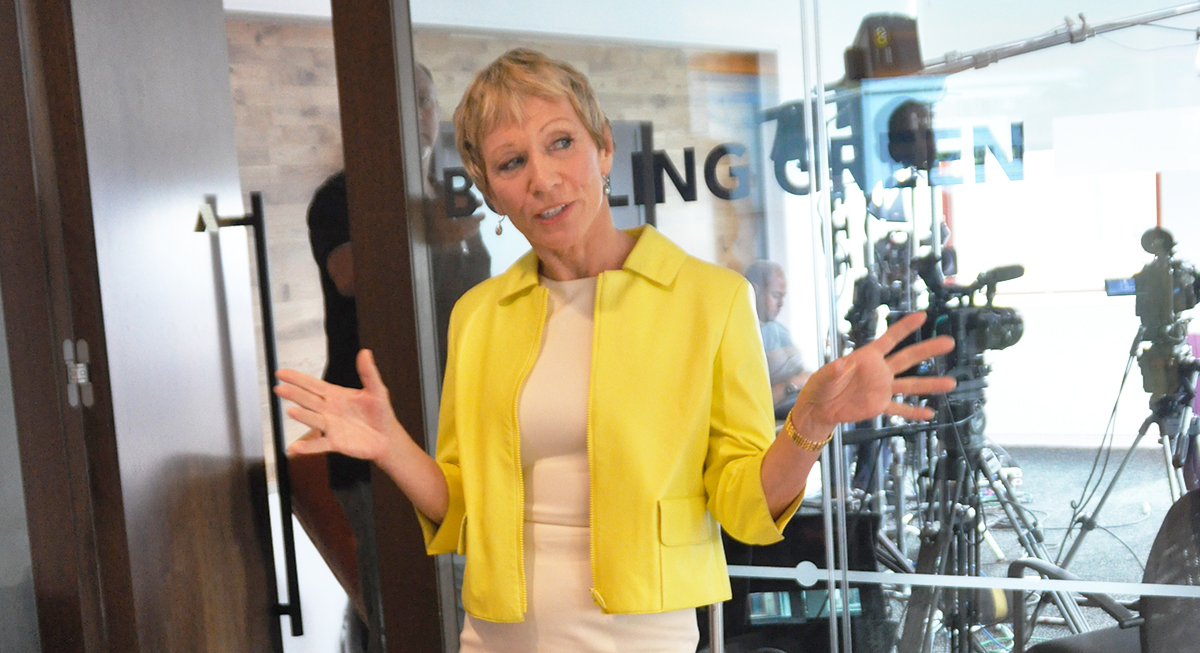
Many investors rely heavily on charts and long-term forecasts. Corcoran has always trusted gut instinct more than elaborate planning documents. During interviews, she often describes making decisions quickly after reading people or sensing market momentum. That approach would terrify cautious planners. Yet, over the decades in real estate, instinct became one of her strongest business tools.