10 Career Questions Way More Powerful Than Just Following Your Passion
“Follow your passion” sounds like solid advice, but it skips the hard part of career decisions: figuring out what actually works in real life. Many people don’t struggle because they lack passion. They struggle because the question itself is too narrow. Better questions force clarity around what you can do, what exists, and what you’re willing to live with.
Why Do I Feel Pressure to Follow My Passion?

Credit: pexels
Why does it feel like you have to follow your passion? A lot of that pressure isn’t actually yours. It builds from what you see around you, people who seem certain about their path, advice that sounds right but skips reality, and the sense that you’re falling behind. Stepping back helps you see that not every urge to change direction means something is wrong. Sometimes it’s just a comparison, and recognizing that keeps your decisions grounded.
What Role Do I Actually Want Work to Play in My Life?

Credit: pexels
Work doesn’t have to define your identity or carry all your meaning. For some, it’s simply a way to support the life they care about outside of it. For others, it holds a more central place. Both are valid, but they lead to very different choices. Being clear about what you want helps you avoid chasing paths that look right but don’t fit how you actually want to live day to day.
What Can I Get Good Enough At to Be Paid Consistently?

Credit: pexels
Focusing on what you can get good enough at helps you build something you can actually get paid for over time. It also forces honesty about effort, because reaching that level takes repetition and patience. In most fields, consistency and reliability matter more than short bursts of excitement, so developing usable skills gives you a stronger foundation.
Where Can My Skills Actually Create Value?

Credit: pexels
Being skilled isn’t enough if there’s no demand for it. The better question is where those abilities solve real problems. Work gains traction when it helps someone save time, make money, or improve outcomes. This shifts career thinking away from personal preference and toward usefulness, which drives long-term opportunities.
What Opportunities Exist Right Now, and Why Do They Stand Out?

Credit: pexels
It’s easy to imagine ideal careers without knowing how they operate. Looking at real roles forces you to connect interest with reality. Patterns emerge when you examine multiple options: required skills, locations, entry points, and growth paths. This question replaces guesswork with observation and gives direction to your next move.
Where Is Demand Growing That Aligns With What I Can Offer?
Credit: pexels
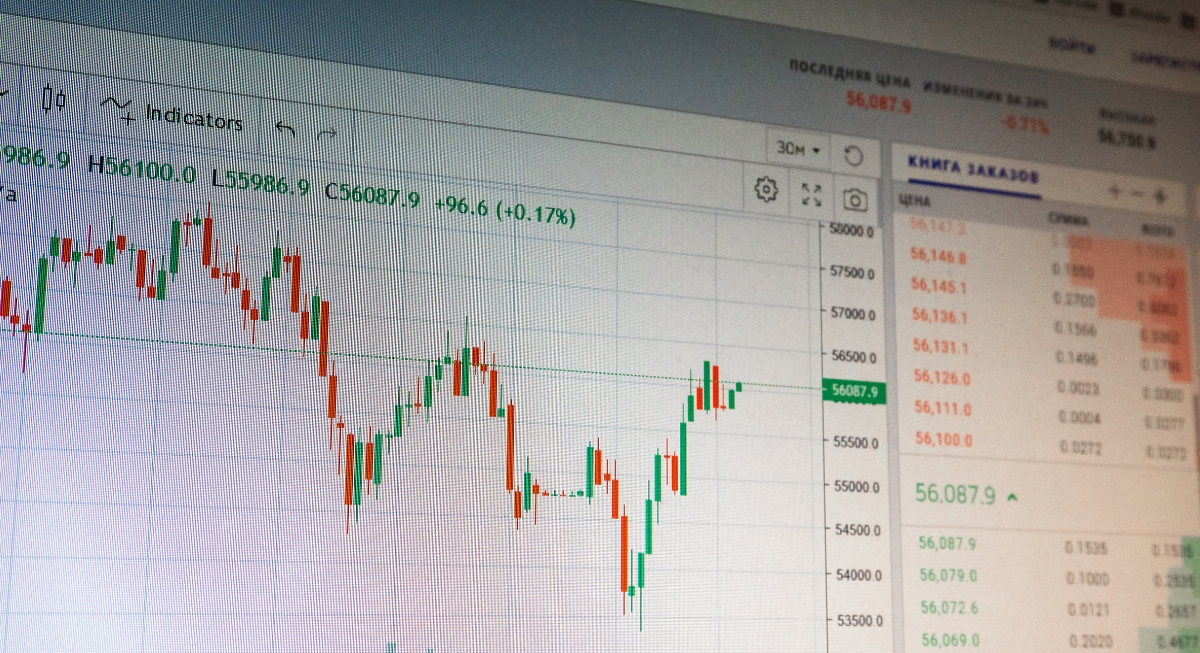
Markets shift, and some roles expand while others shrink, regardless of how appealing they seem. Paying attention to demand helps you position your skills where they’re needed. This doesn’t mean blindly chasing trends, but it does mean understanding where opportunities are growing and adjusting your path accordingly.
What Does My Ideal Workday Actually Look Like?

Credit: Canva
A job is mostly made up of ordinary days, not big milestones. Looking closely at how you’d actually spend those days tells you more than any title. The way your time is structured, who you interact with, and what fills your hours all shape the experience. If the day-to-day doesn’t fit you, the career won’t either, no matter how good it sounds.
What Kind of Environment Helps Me Perform Well Over Time?

Credit: Canva
Some people work best in structured teams, while others need independence. The setting affects performance as much as the role itself. Pay attention to pace, communication style, and expectations. A strong fit here makes work sustainable, while a mismatch can drain energy even if the job aligns with your interests.
What Am I Unwilling to Tolerate, and What Am I Willing to Give Up?

Credit: Getty Images
Every career comes with tradeoffs. Pay, flexibility, location, and workload don’t always align perfectly. Defining non-negotiables removes options that won’t work long term, while identifying acceptable sacrifices helps you move forward without hesitation. Clear boundaries make decisions faster and reduce the chances of regret later.
What Skills Will This Path Help Me Build, and Can I Sustain It?

Credit: Canva
Careers compound over time through skill development. Roles that build valuable abilities create more options later, while stagnant ones limit growth. At the same time, the work needs to be sustainable. If you can’t keep doing it consistently, progress becomes harder to maintain. The best paths balance skill growth with a pace you can realistically sustain.