The Wild True Story of How Pepsi Saved Coca-Cola From Corporate Espionage
Most corporate rivalries stay confined to ad campaigns and boardrooms. This one did not. A behind-the-scenes attempt to profit from stolen information quickly turned into a federal investigation, exposing just how vulnerable even the biggest companies can be from the inside. What no one expected was the role Pepsi would play. Instead of exploiting the situation, the company made a choice that redirected the entire case and reshaped how the story ended.
A Letter That Set Everything Off

Credit: Aflo Images
In May 2006, Pepsi received an unexpected letter claiming the writer had access to confidential Coca-Cola documents and unreleased product samples and was willing to sell them. The information was detailed enough to feel credible, but Pepsi did not engage. Instead of responding or negotiating, the company passed the letter directly to Coca-Cola, which then alerted federal authorities.
The Insider With A Front Row Seat

Credit: pexels
Joya Williams worked as an executive assistant at Coca-Cola’s Atlanta headquarters, a position that placed her close to senior staff and internal materials. Her access wasn’t unusual for her role, which made it harder to spot misuse early. Investigators later argued that familiarity with daily operations gave her repeated opportunities to remove documents and samples without immediate suspicion.
The Middlemen Nobody Expected

Credit: Canva
Rather than contacting Pepsi directly, Williams relied on two acquaintances to create distance between herself and the offer. Ibrahim Dimson handled communication under an alias, while Edmund Duhaney assisted in managing logistics and finances. Their involvement was meant to reduce risk, but it had the opposite effect. Each additional person increased exposure, leaving more evidence behind once investigators intervened.
Pepsi’s Unexpected Response

Credit: Getty Images
After reviewing the letter in May 2006, Pepsi declined to engage with the proposal and instead alerted Coca-Cola. Executives determined that accepting or negotiating posed legal and ethical risks that outweighed any competitive advantage. That decision reframed Pepsi’s role entirely, shifting the company from potential buyer to cooperating party.
Undercover Meetings Get Weird

Credit: Getty Images
Once the FBI became involved, agents assumed control of communications while posing as representatives of Pepsi. Dimson was encouraged to provide proof that the materials were real, which led to an in-person exchange at an Atlanta airport. During the meeting, documents and a small vial containing a sample of a Coca-Cola product were handed over, along with a cash payment of USD 30,000 concealed inside a cookie box.
The Phial That Raised Alarms

Credit: Getty Images
The vial turned out to be more important than the paperwork. Coca-Cola scientists confirmed the liquid came from a product still under development, which gave it clear commercial value. That verification allowed prosecutors to move forward under trade secret laws. From there, the case depended less on motive and more on proof that the stolen material was genuinely worth protecting.
Arrests Before Any Big Payday

Credit: Canva
The group expected the initial exchange to result in a significantly larger payment, with discussions indicating a total of approximately USD 1.5 million. That transfer never happened. Federal agents moved in before any additional money changed hands, arresting Williams, Dimson, and Duhaney once enough evidence had been collected to support formal charges.
Courtrooms Replace Boardrooms
Credit: Canva
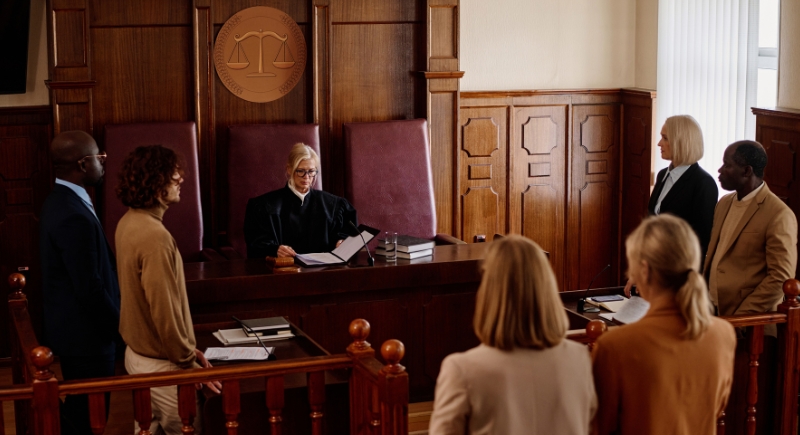
Williams initially denied wrongdoing and described the situation as a misunderstanding, but prosecutors presented emails, recorded calls, and surveillance footage. In 2007, Williams was sentenced to eight years in federal prison; however, some accounts indicate that her sentence was reduced and that she served closer to five years. At the same time, Dimson and Duhaney received shorter sentences for their roles.
A Rivalry With Rules
Credit: Reddit
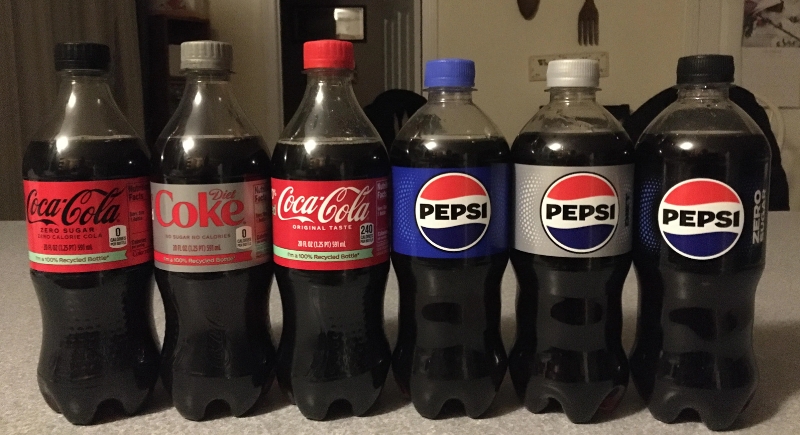
Coca-Cola and Pepsi had spent decades competing through advertising, branding, and market positioning. This episode showed where that rivalry stopped. Purchasing stolen information crossed legal boundaries that neither company was willing to ignore. Business analysts later pointed out that Pepsi’s refusal to engage helped preserve industry norms around competition, even between long-standing rivals.
Why The Story Still Matters

Credit: Getty Images
The case is now used in corporate compliance and ethics training as an example of how companies should respond to improper offers. It highlights how internal access can become a vulnerability and how decisions made early can shape outcomes. Pepsi’s response is frequently cited as a reminder that restraint can prevent far greater legal and reputational damage.