10 Surprising Ways People are Using Apps to Win Payouts from Major Retailers
Apps just started organizing claims in a format that looks closer to online banking or food delivery. Millions of dollars flow through settlement systems linked to gaming companies and major retailers. TikTok has helped drive attention to the trend, although many users still approach it cautiously. The process is simple enough that casual shoppers often try it during lunch breaks or while waiting in line.
People File Claims During Grocery Runs
Credit: Canva
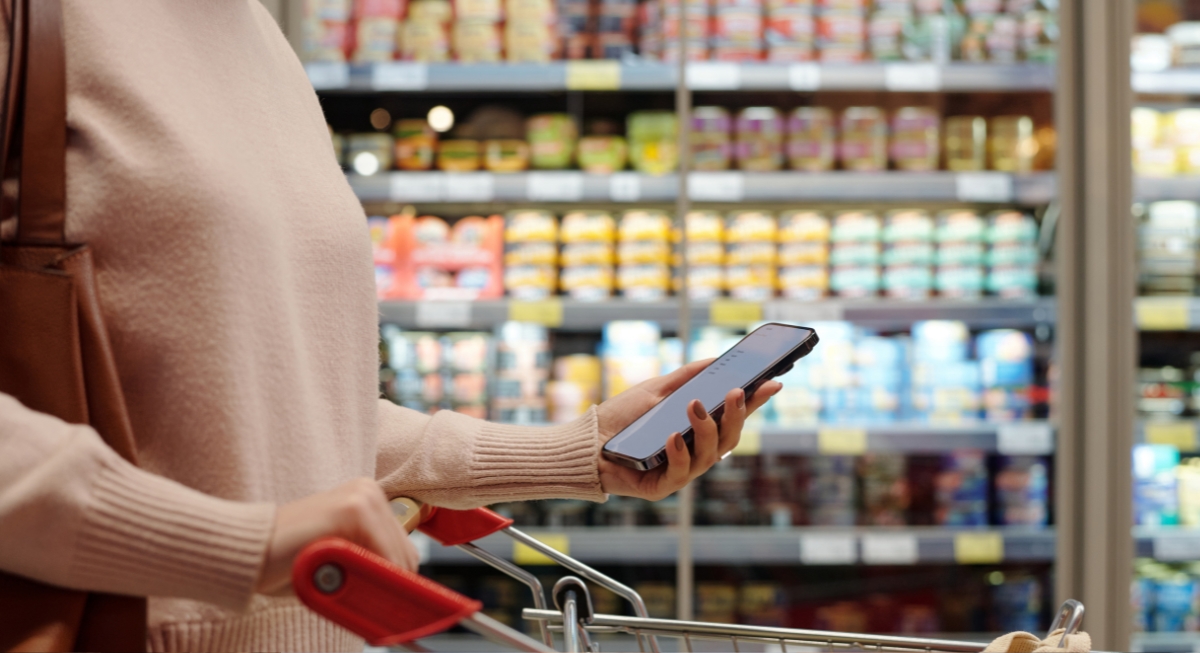
Settlement apps gained attention because many claims take less time than ordering lunch. A shopper standing inside Target can open Claimed or Catch and see lawsuits tied to grocery products or household brands. Cases involving misleading packaging and inflated pricing appear often. Users usually enter a name, an email address, and a payment method.
Fortnite Refunds Became A Huge Conversation
Credit: pexels
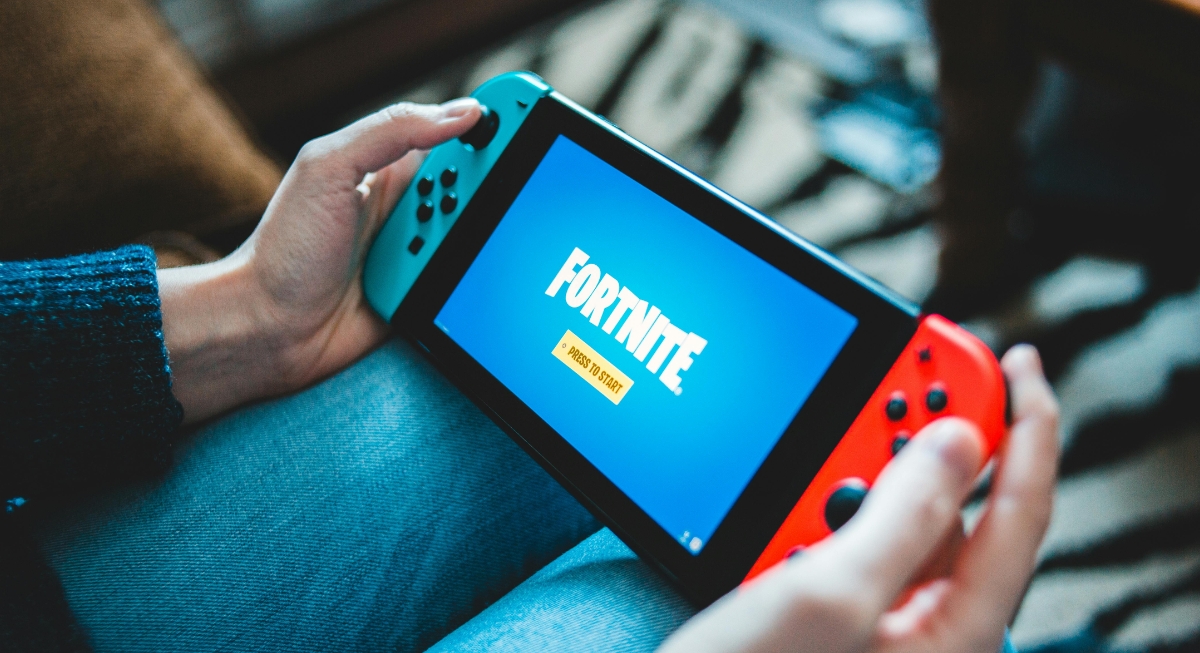
Epic Games landed in headlines after the Federal Trade Commission announced refunds linked with unwanted Fortnite purchases. Parents complained about accidental charges linked to button layouts and in-game purchases. Settlement apps immediately pushed notifications because Fortnite has millions of players. Several users posted screenshots showing refunds worth more than $100.
QR Code Scans Became Side Hustles
Credit: Canva
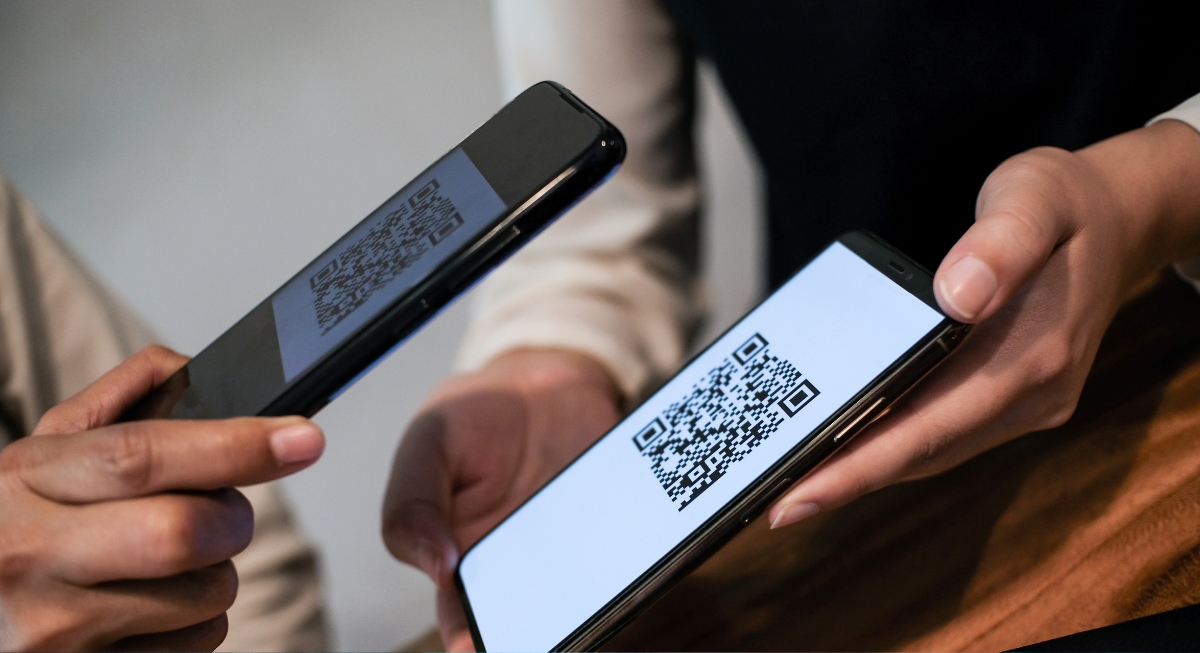
Apps like VISU and Shopkick reward users for scanning QR codes or entering partner stores. One quick stop at a convenience store can trigger points redeemable for gift cards. Brands pay for that interaction because verified foot traffic matters to advertisers. Shopkick users often scan products they never planned to buy. The app also turns ordinary errands into short scavenger hunts.
Reddit Users Keep Expectations Realistic
Credit: Canva
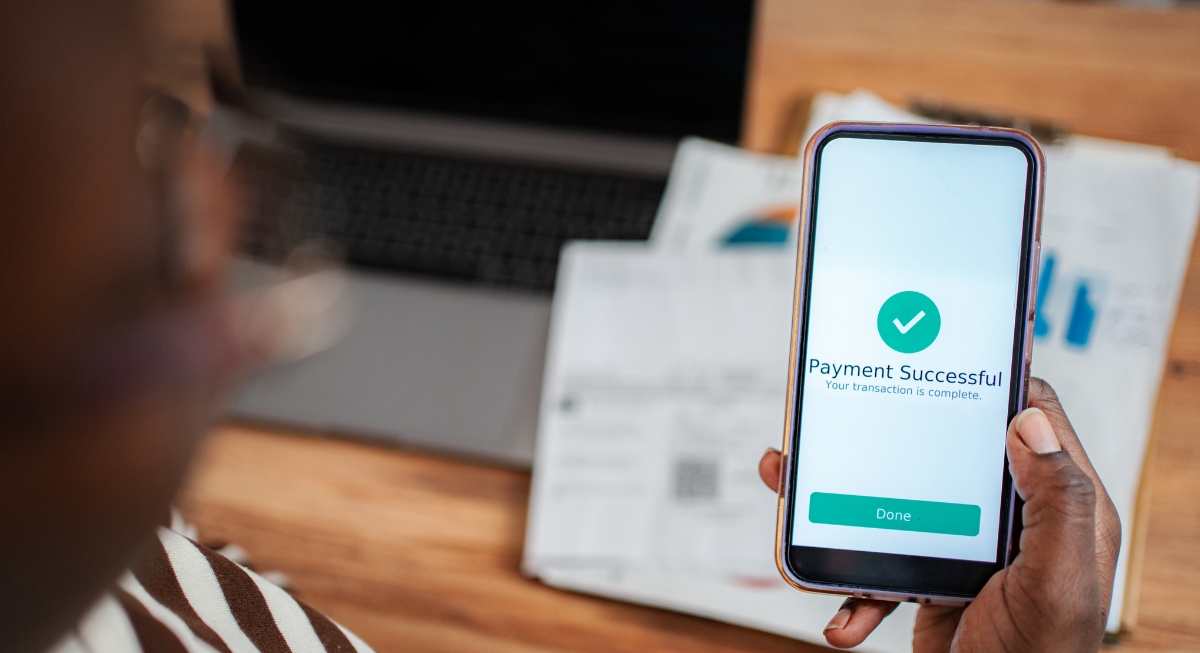
One Reddit thread about the Claimed app included users joking about random seven-dollar payouts appearing months later in PayPal accounts. Most claims pay small amounts, and large settlements are rare. Users who enjoy the apps usually approach them casually instead of expecting a steady income every month.
Cashback Apps Accidentally Helped With Lawsuits
Credit: Getty Images
Apps like Rakuten and Ibotta were built for shopping rewards, though they created another advantage over time. Users who save digital receipts already have purchase records. That information becomes useful when settlements require proof that someone bought a product during a certain period. A grocery rebate uploaded six months earlier can suddenly support a legal claim later.
Delivery Drivers Found Ways To Stack Rewards
Credit: pexels
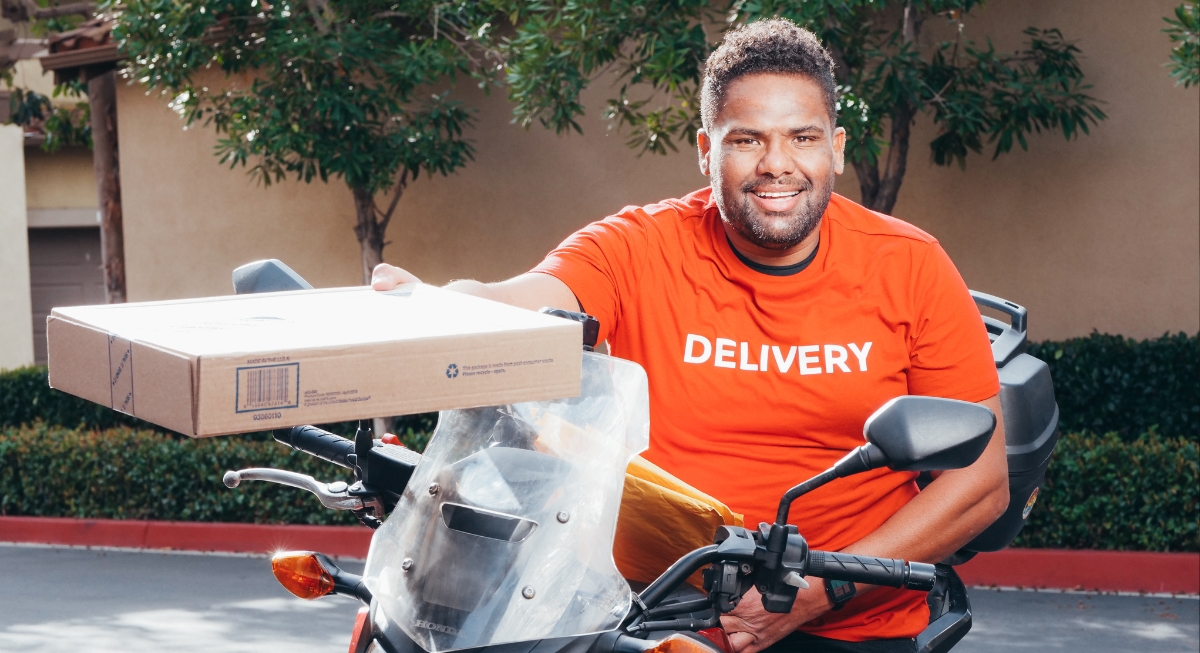
Instacart shoppers and DoorDash drivers spend hours moving between grocery stores, pharmacies, and fast-food chains. That routine opened the door for extra app rewards. Drivers often collect gas discounts through Upside while using receipt apps during shopping orders. Online forums now share “stacking” strategies that combine multiple apps together.
Retailers Use These Apps To Track Shopping Habits
Credit: Canva
Upside built its business on attracting customers who shop elsewhere. Grocery chains use location data and transaction history to measure how promotions affect foot traffic. Someone who regularly visits one supermarket may be more inclined to try a competing store nearby. Retailers see it as targeted advertising with measurable results.
Mystery Shopping Quietly Moved To Smartphones
Credit: Getty Images
Field Agent and Gigwalk modernized mystery shopping by putting assignments directly on phones. Users get paid to photograph displays, check prices, or confirm products remain stocked inside stores. A grocery aisle audit can pay around $10 for 10 minutes of work. Experienced users plan errands around nearby gigs.
Settlement Apps Simplify Confusing Legal Notices
Credit: Getty Images
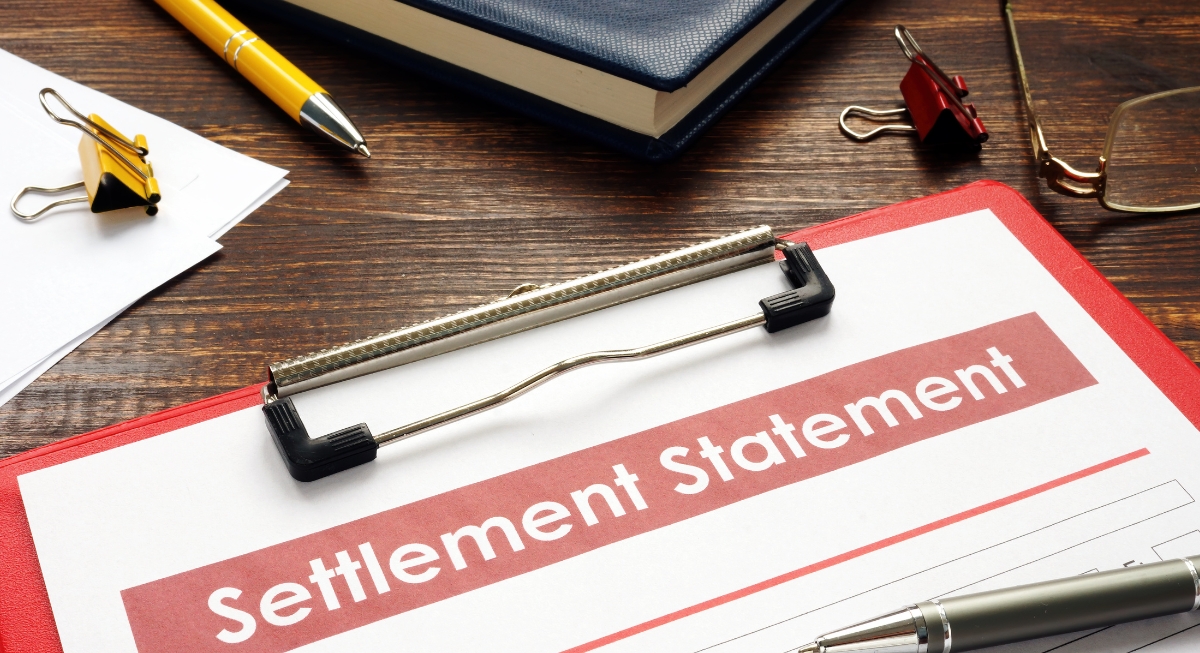
Class-action notices used to arrive as long emails filled with legal language that people ignored immediately. Settlement apps changed that by organizing active claims into searchable feeds. Users browse settlements almost like scrolling social media. Categories sort cases involving beauty products, gaming companies, food brands, and retailers. Push notifications also alert users when deadlines approach.
Small Payouts Keep People Curious
Credit: Wikimedia Commons
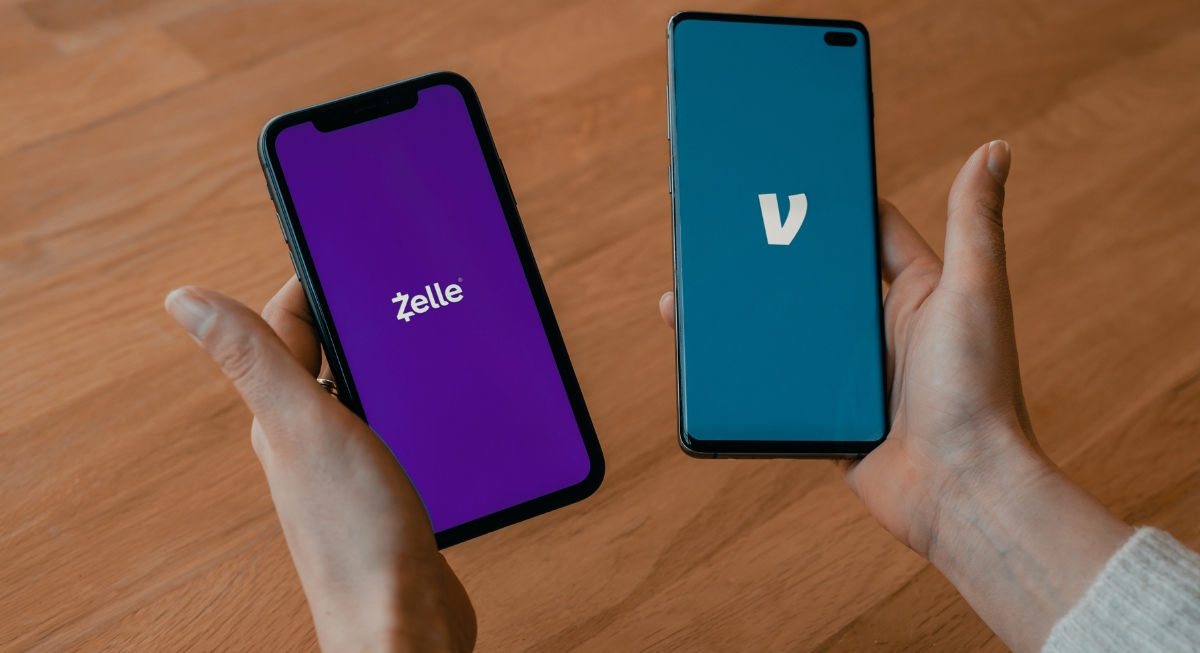
Many users stick with these apps because tiny payouts still feel oddly satisfying. A fifteen-dollar Venmo deposit tied to a cereal lawsuit will not change anyone’s finances, though people enjoy the surprise factor. The randomness keeps engagement high. One month may produce nothing at all. Another month brings payouts tied to an old subscription service or recalled product.