Overpriced Supermarket Foods You Should Stop Buying
Grocery prices have gone up over the past few years, and it shows up quickly at checkout. You might be buying the same things, but the total still feels higher each time. A lot of that comes down to small choices that are easy to overlook. Certain items cost more because of convenience, branding, or packaging rather than real value. Over time, those extra costs add up and make it easier to spend more than you planned.
Pre-Cut Fruits and Vegetables
Credit: iStockphoto
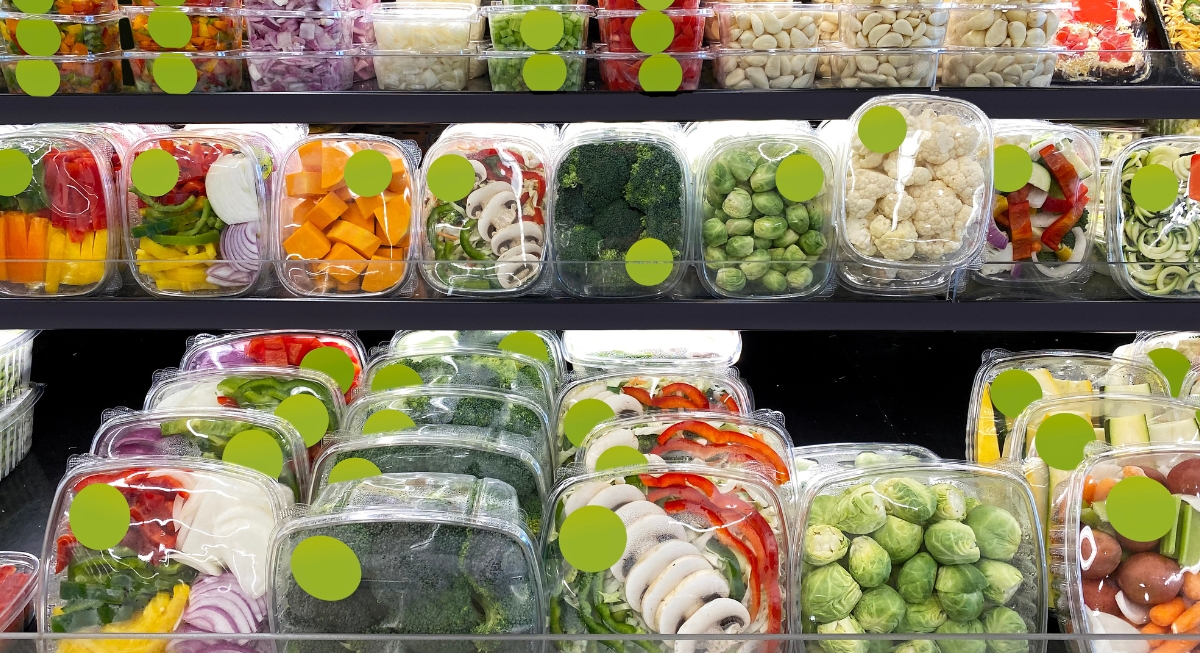
Pre-cut fruits and vegetables look convenient sitting in the fridge aisle, but the price adds up quickly. When you compare them to whole produce, the difference becomes clear. A small container of sliced watermelon can cost the same as buying the entire fruit. What you’re really paying for is the cutting, packaging, and the shorter shelf life that comes with it.
Bottled Water
Credit: Wikimedia Commons
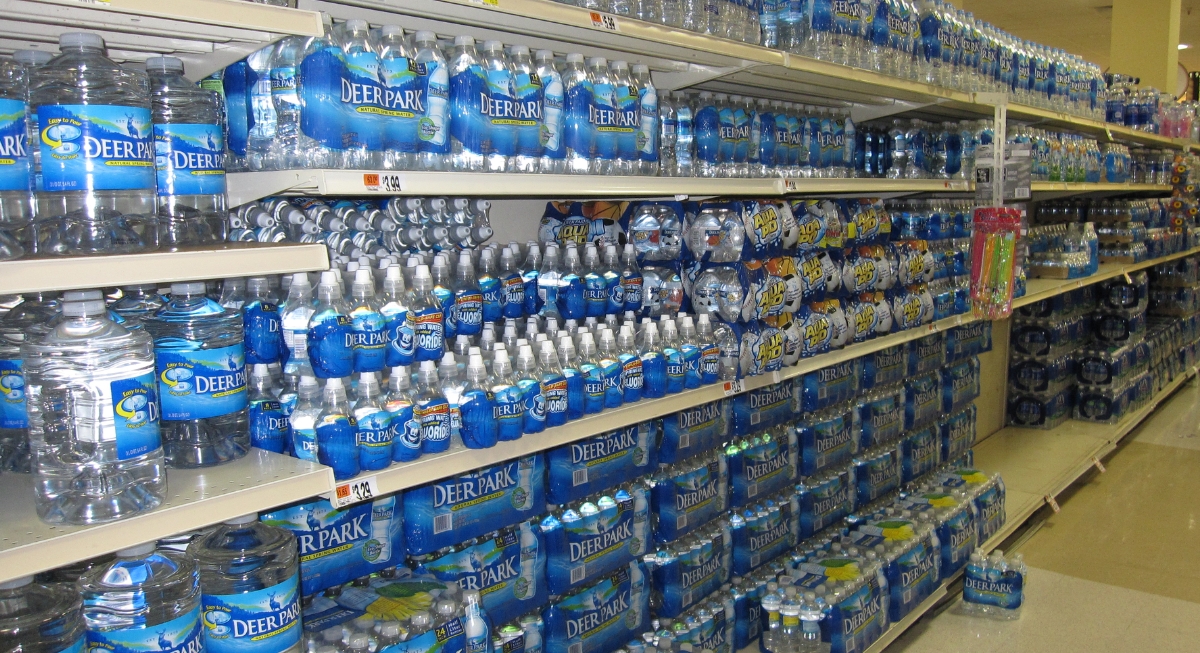
People often grab bottled water while shopping, but they typically do not consider the long-term cost. Industry estimates show markups of up to 4,000%. That amount reflects packaging and transport more than the water itself. You can always turn to tap water in many regions, as it meets safety standards and remains easily accessible.
Single-Serve Snacks
Credit: Canva
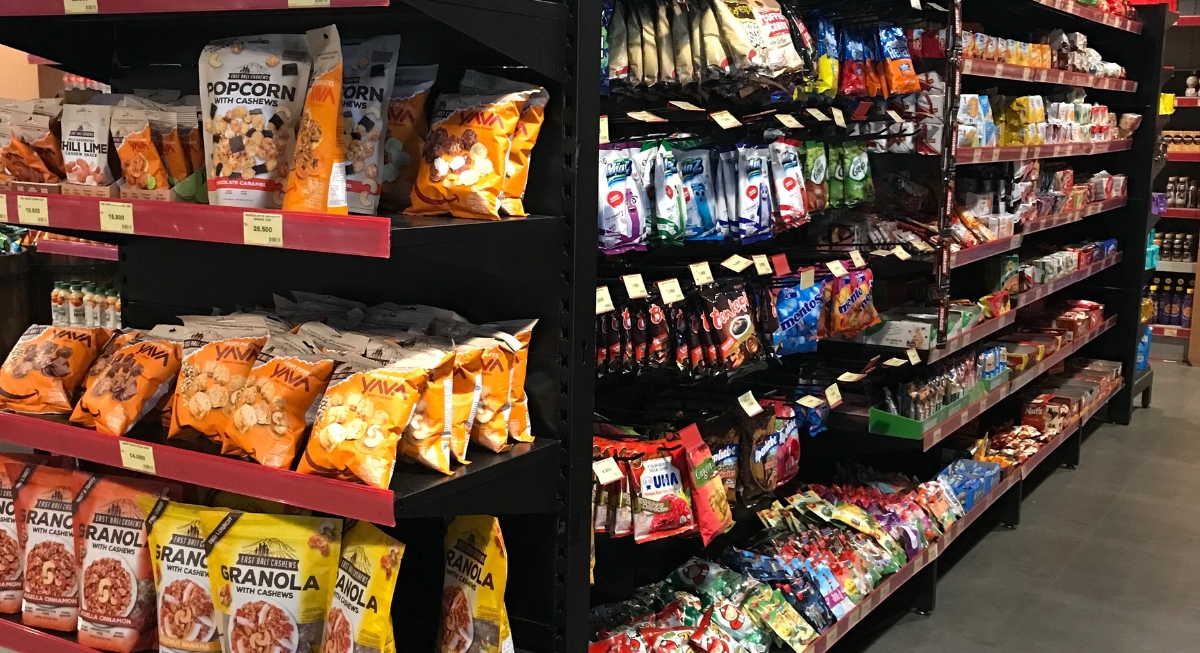
Small snack packs fill shelves because they offer convenience and portion control. However, the value per ounce rises sharply compared to larger packages of the same product. For this reason, consider buying a full-size bag and dividing it into containers to provide the same function.
Organic Processed Foods
Credit: Getty Images
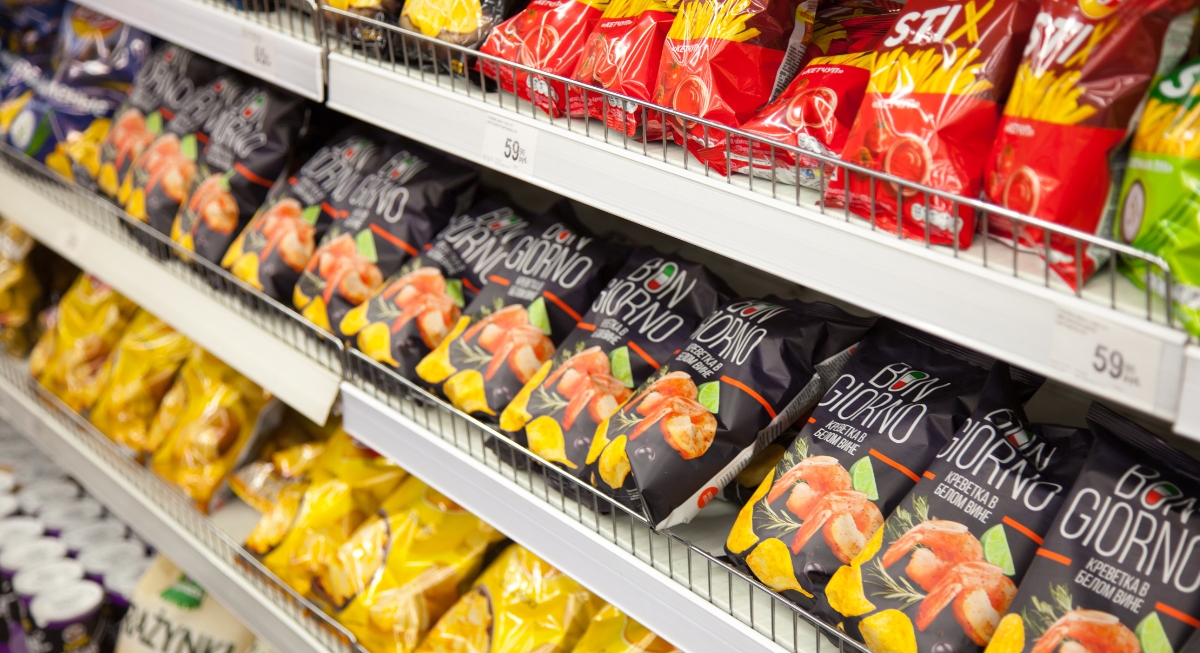
Products labeled organic often cost more, but that doesn’t always translate to better nutrition. When foods are processed, like cookies, chips, or cereals, they can still be high in sugar and fats regardless of the label. The “organic” tag mainly reflects how ingredients are sourced, not how healthy the final product is. In many cases, the higher price comes down to perception rather than a meaningful nutritional advantage.
Pre-Made Smoothies
Credit: iStockphoto
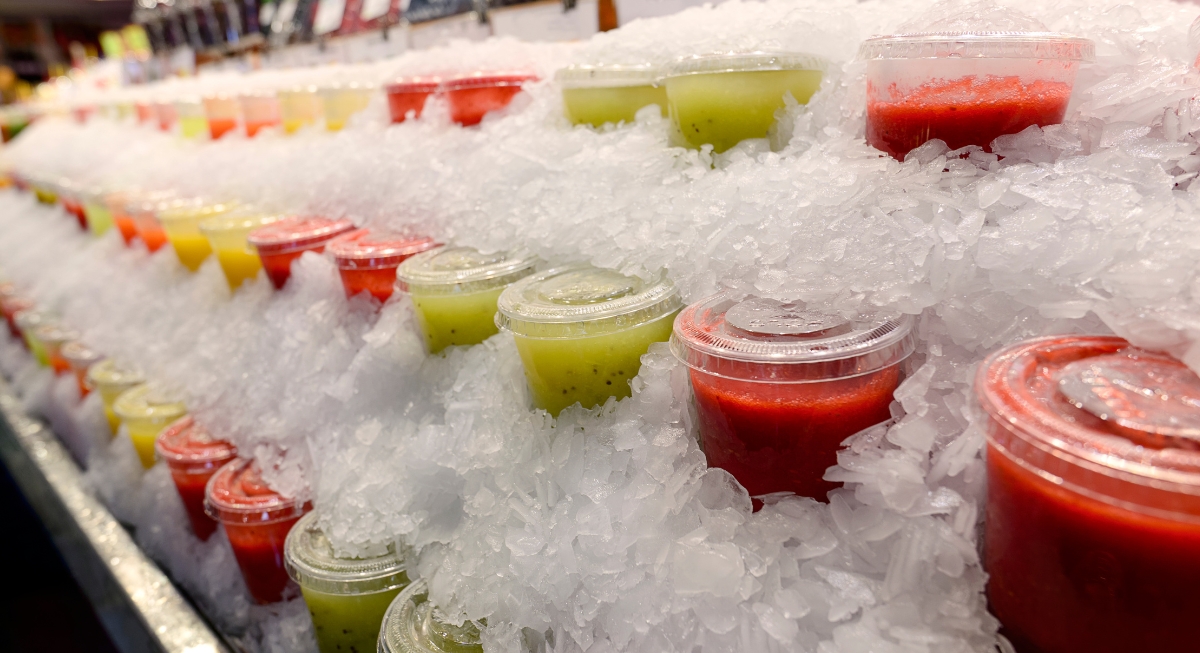
Preparing a homemade smoothie requires only a few basic ingredients, such as fresh or frozen fruit blended with yogurt or milk. This also allows you to adjust the sweetness and portion size based on your preference. As a result, you can avoid supermarket-bought bottled smoothies, which are more expensive per serving.
Name-Brand Spices
Credit: Wikimedia Commons
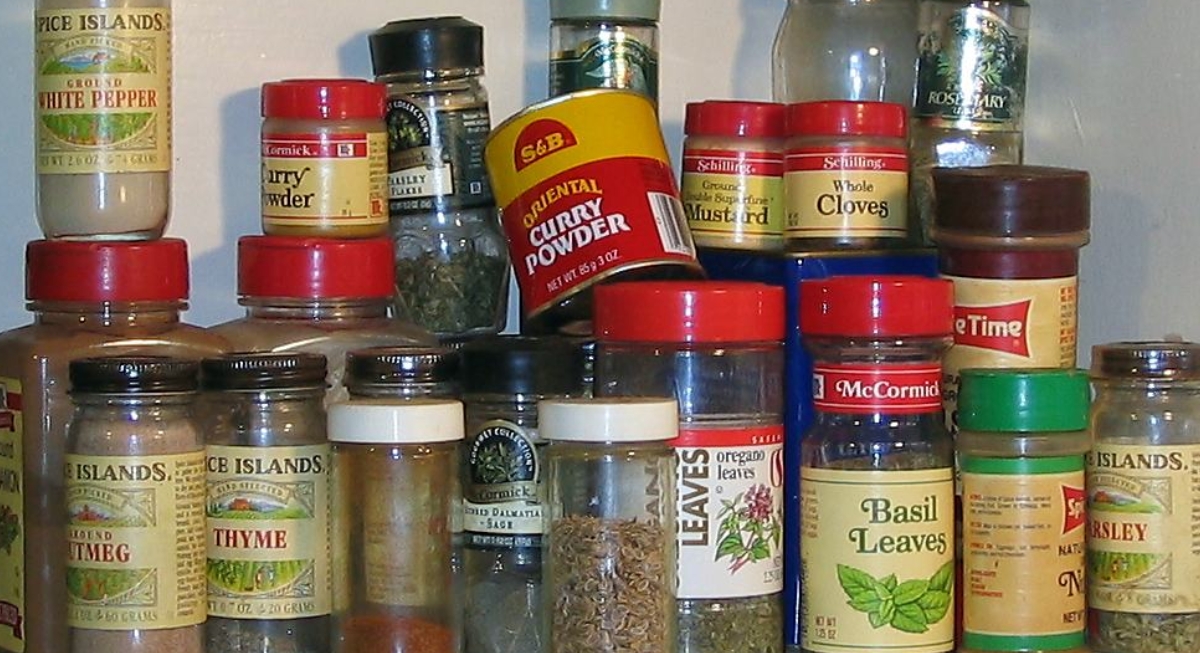
A well-stocked kitchen does not need premium labels to produce good flavor in your cooking. Many everyday spices deliver the same taste without the added expense of branded packaging. You can easily visit speciality markets and bulk sections that typically carry identical spices. These options let you buy only what you need, which helps maintain freshness.
Frozen Meals
Credit: Wikimedia Commons
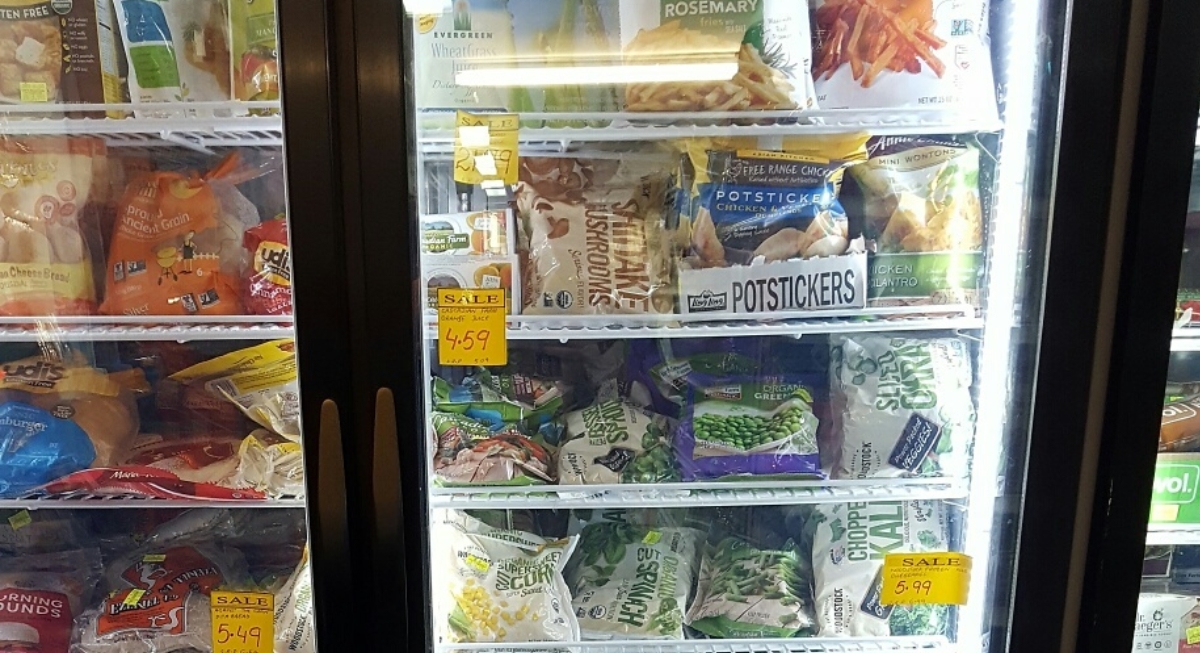
Though frozen meals may seem convenient during busy days, they mostly come with trade-offs that affect both your budget and health. Many contain high levels of sodium and additives that help extend shelf life but reduce overall quality. For this reason, cooking in batches or planning meals ahead allows better control over ingredients and usually falls within a budget.
Individual Yogurt Cups
Credit: pexels
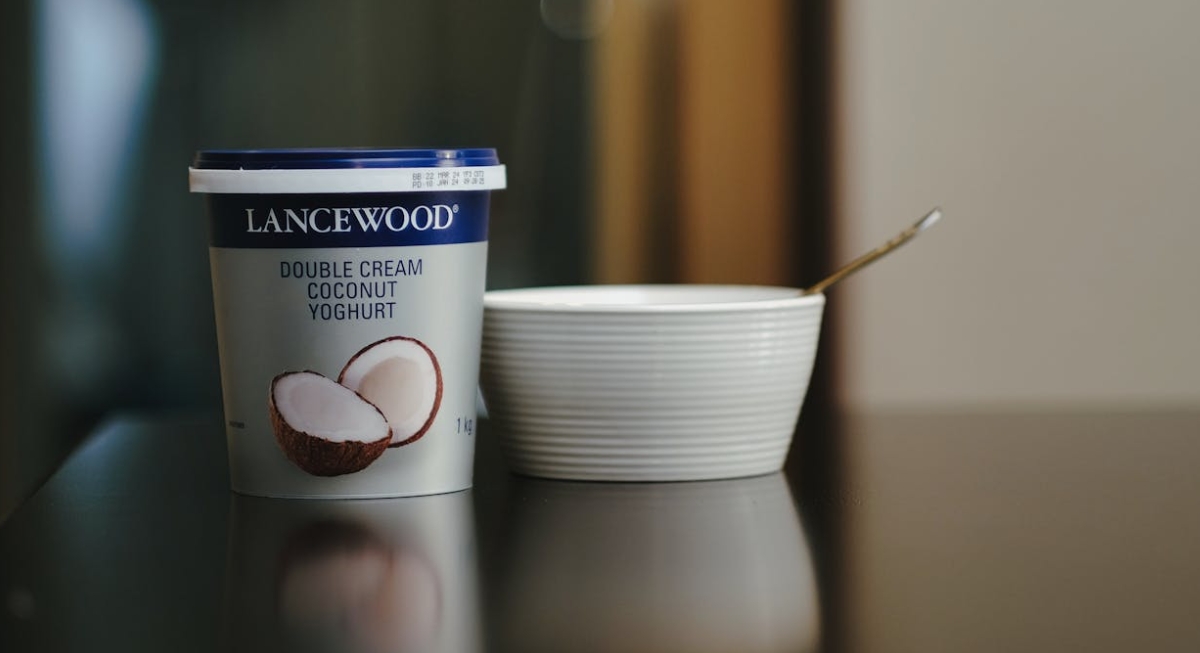
Refrigerated shelves display rows of single yogurt cups in different flavors. These small servings cost more per ounce than larger containers. Many include added sugars or flavored mixtures that increase calorie content. Meanwhile, a large tub of plain yogurt provides more servings at a lower value. Feel free to add fruit, granola, or honey to your liking.
Pre-Marinated Meats
Credit: Wikimedia Commons
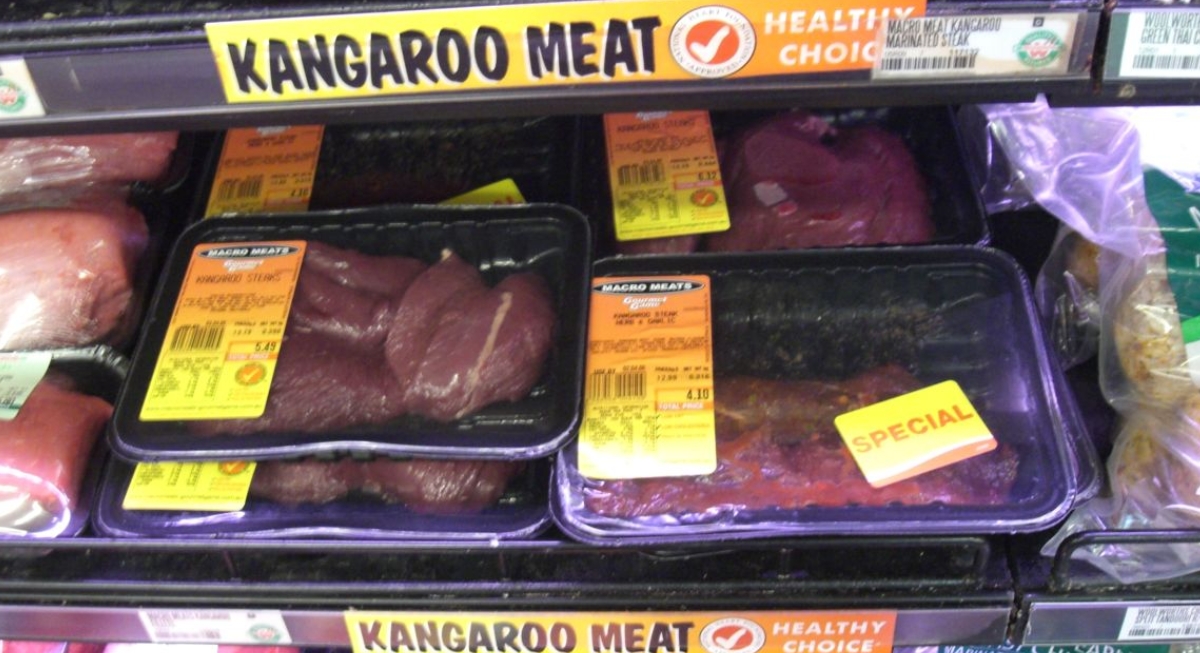
People are often tempted to buy meat packaged with marinade because it removes extra effort during cooking. That ease comes at a cost that becomes clear when you compare the amount you pay. The price per pound tends to exceed that of plain cuts by a noticeable margin. Many packaged marinades also include added salt, sugar, and artificial flavors.
Pre-Made Salads
Credit: Canva
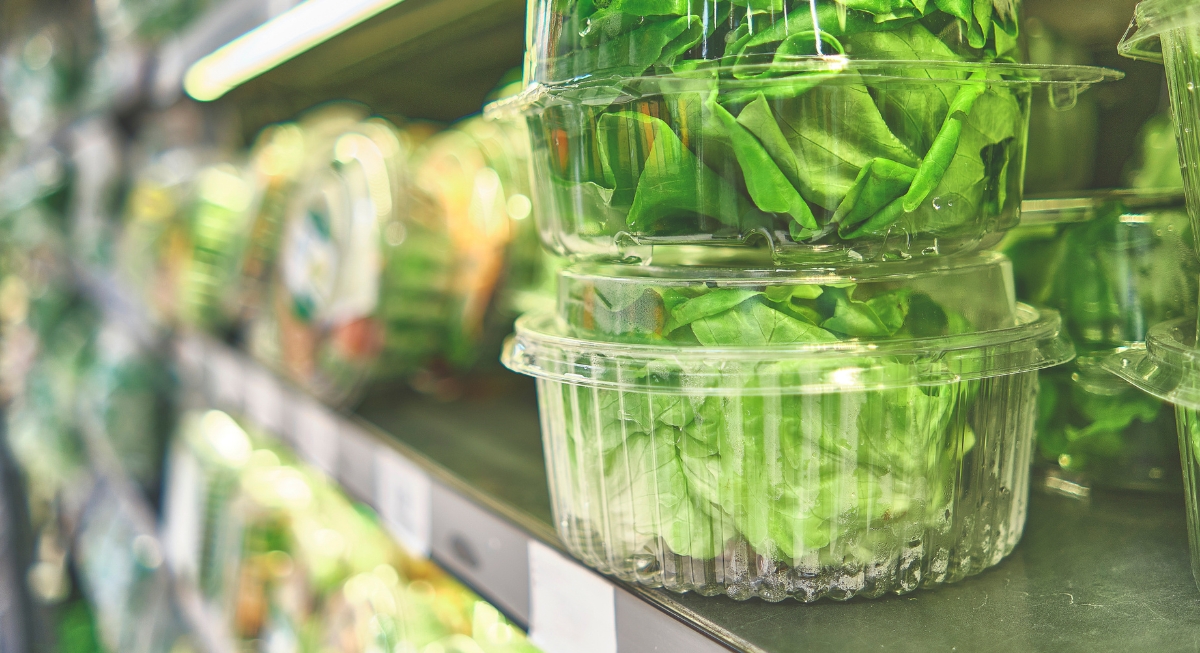
Studies show that cooking at home helps reduce overall food expenses. And since salads are pretty easy to make, coming up with your own gives better freshness and control without adding complexity to your routine. Ready-made salads may seem like a quick solution during busy days, yet the cost can seem high once you consider the simple ingredients involved.