10 Things You Should Never Buy at an Outlet Store (They’re Made Cheaper)
Outlet shopping can feel like a small victory. You recognize the brands, see bold discount signs, and walk in thinking you’ve cracked the system. The catch is that many outlet items are built differently than their full-price counterparts, using cheaper materials while carrying the same familiar logo. Add confusing pricing, and some “deals” end up costing more than regular sales elsewhere. Knowing which items to skip can spare you buyer’s regret later.
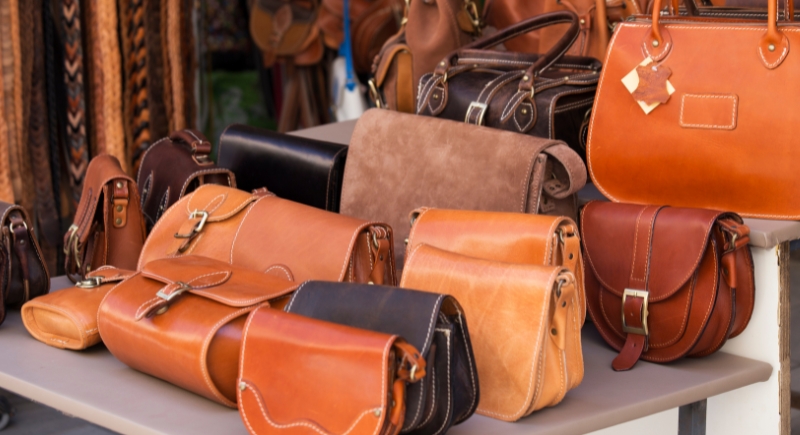
Leather Bags And Jackets
Credit: Getty Images
Full-grain leather softens and deepens over time, which is why it holds its value. Outlet versions often rely on bonded leather or heavily corrected hides instead. They look smooth under bright store lights, but that finish rarely lasts. After a few months, stiffness and cracking appear at the seams, allowing moisture to enter, and the piece begins to age in all the wrong ways.
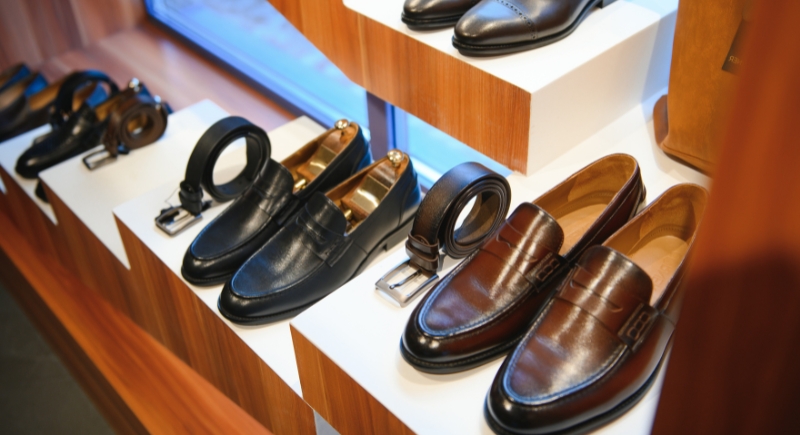
Shoes Made For Outlets
Credit: Canva
Outlet-specific pairs may use glued soles, thinner midsoles, and cheaper foam that compresses unevenly. They can look fine at first, but after a few wears, they feel flat and stiff. Since supportive footwear affects posture and joint strain, the poor quality here comes at a cost that’s not just financial. Replacing ‘bargain’ shoes becomes expensive quickly.
Refurbished Electronics From Third Parties

Credit: pexels
Refurbished can be a solid choice, but only when the warranty and return policy actually hold up. Third-party sellers often offer limited or unclear manufacturer support, which matters more than it seems. Batteries wear down over time, and repairs can quickly erase any savings. Without reliable coverage, what looks like a deal becomes a risk rather than a smart buy.
Cosmetics And Skincare Sets

Credit: Canva
Beauty products at outlets can sit in storage longer before reaching shelves, and older formulas are more likely to destabilize. Dermatology groups warn that expired or aging cosmetics increase the risk of irritation, especially around the eyes and lips. Heat exposure during shipping and storage can also change their texture and performance. A discount doesn’t make a mascara safer. If the seal looks off or the texture has changed, skip it.
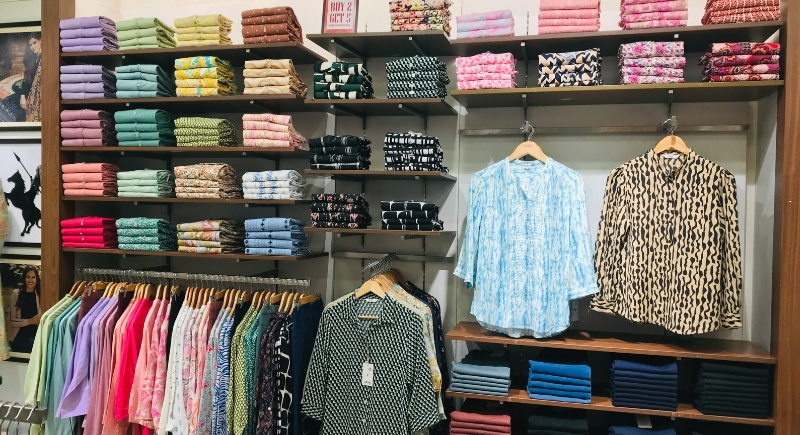
Outlet-Only Clothing Lines
Credit: pexels
Those “compare at” tags feel convincing until you look closer. Much of what’s sold at outlets was never priced higher to begin with. Brands create separate outlet-only lines and cut corners to reach lower prices. The label may be familiar, but the details give it away. Missing linings, fewer buttons, and thinner interfacing result in clothes that wear out more quickly.
Fashion Jewelry And Belts

Credit: Getty Images
Outlet accessories often look good at first glance, but fall apart with regular wear. Plated finishes fade fast, lightweight hardware bends, and many belts rely on coated materials that crack instead of softening. What makes it worse is the price. They’re often only slightly cheaper than well-made options on sale elsewhere. The shine rarely lasts past the first few weeks.
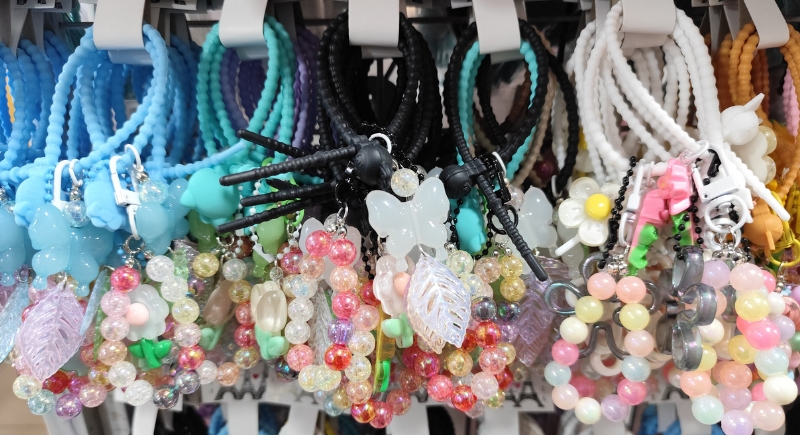
Brand Logo Trinkets
Credit: Canva
Outlet checkout lanes are a trap with good lighting. Tiny branded goods such as keychains and novelty accessories rely on the logo to justify their prices. Production costs are usually low, so the so-called discount often isn’t meaningful. These items also have a short life. Remember how they drift into drawers, clutter shelves, or become that one gift nobody wants? You gush over them one day and forget them the next.
Underwear And Socks
Credit: Reddit
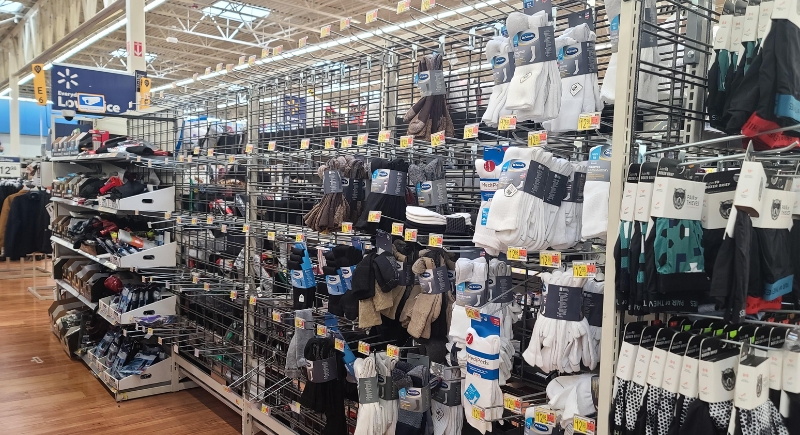
Basics like these feel like the safest outlet purchase because everyone needs them. Sadly, some outlet versions will use cheaper elastic blends that lose stretch faster, leading to saggy waistbands and socks that quit halfway through a workday. Meanwhile, major retailers and department stores discount underwear and socks during seasonal sales, often with better quality. The drawer fills quickly, but replacements show up sooner than planned.
Outdated Tablets And Phones

Credit: Canva
Outlet phones and tablets are often older models, which means shorter software support and apps that stop playing nicely sooner than expected. Even unused batteries lose strength with age. What feels like a smart save at checkout often turns into a device you replace sooner than planned.