How One Man Humiliated McDonald’s and Built a $20 Billion Empire
In the 1970s and 1980s, American fast-food chains expanded overseas using a familiar formula. Open stores, keep the core menu, and adjust a few flavors for local taste. In the Philippines, that approach overlooked how families actually ate and what they valued. Tony Tan Caktiong studied everyday eating habits, pricing, and local preferences, then built Jollibee around them. That decision reshaped the market and built a multibillion-dollar company.
Humble Beginnings In A Family Kitchen

Credit: Wikimedia Commons
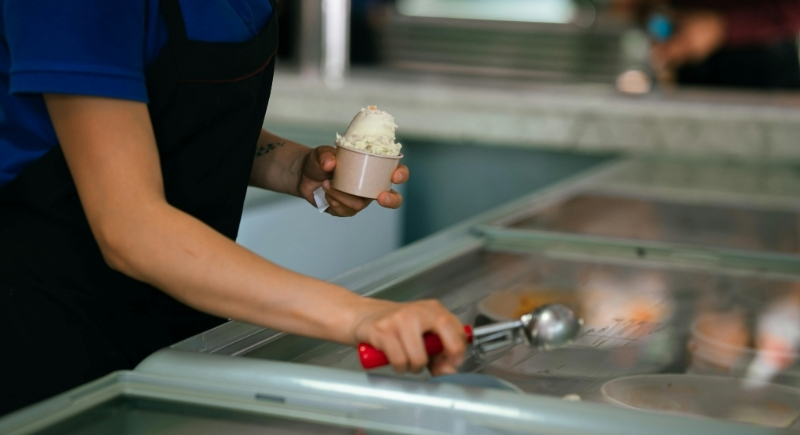
Before business school case studies and expansion charts, daily lessons came from restaurant floors in Davao. Tony Tan Caktiong spent his childhood clearing tables and watching ordering patterns during peak hours. After earning a chemical engineering degree, he invested family savings into two Manila ice cream franchises at 22, treating them as hands-on training in real customer behavior.
The Ice Cream Pivot That Changed Everything
Credit: pexels
The rainy season in Manila reshaped customer behavior because people arrived cold, soaked, and hungry, and many immediately asked staff if anything hot was available. Tony Tan Caktiong closely tracked these requests, and within weeks, burgers, spaghetti, and rice meals were outselling desserts. By 1978, he abandoned the ice cream concept entirely and rebuilt the business.
Beating Global Chains On Home Turf
Credit: Jollibee Group
When McDonald’s planted its flag in the Philippines during the 1980s, most analysts treated the outcome as predictable. Jollibee quietly kept building menus around rice plates, sweeter sauces, and combo meals families could afford weekly. Regular customers kept coming back, and store traffic kept climbing until Jollibee held more local market share than the world’s biggest fast-food chain.
Langhap Sarap And The Power Of Food Psychology
Credit: Reddit
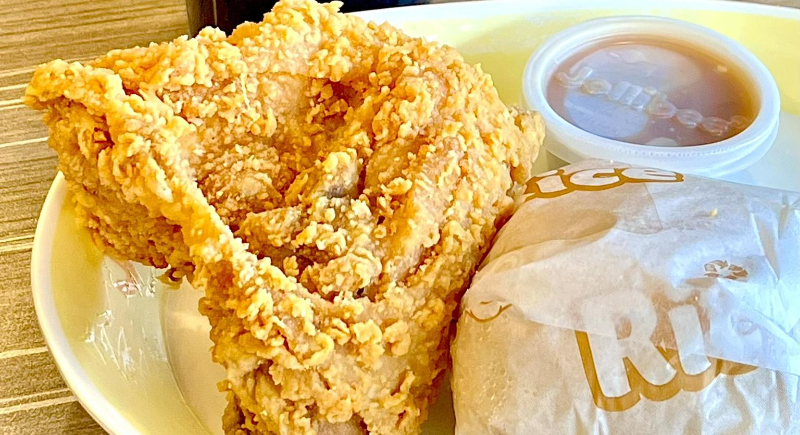
By the time Jollibee began expanding aggressively, leadership had already come to understand something deeper than menu preferences. In many Filipino households, aroma signals the quality of a meal before anyone tastes it. Langhap sarap turned that habit into brand language. Chickenjoy kitchens are designed so fried chicken scent reaches ordering areas quickly, reinforcing cravings before customers even decide what to order.
The Diaspora Expansion Playbook
Credit: Wikimedia Commons
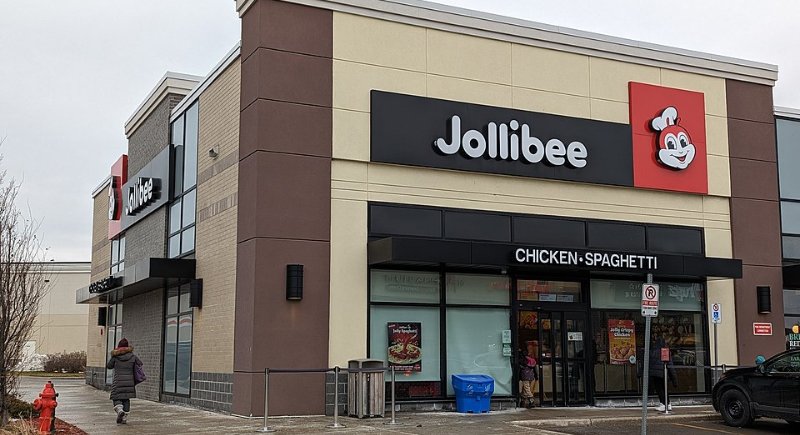
That deep connection to familiar taste and smell shaped how Jollibee entered new countries. Early overseas locations were often filled with overseas Filipino workers looking for food that reminded them of home. Opening-week traffic created instant momentum, and over time, coworkers and local residents joined in, turning nostalgia-driven visits into steady mainstream customer demand.
Buying Competitors To Grow Faster
Credit: Youtube
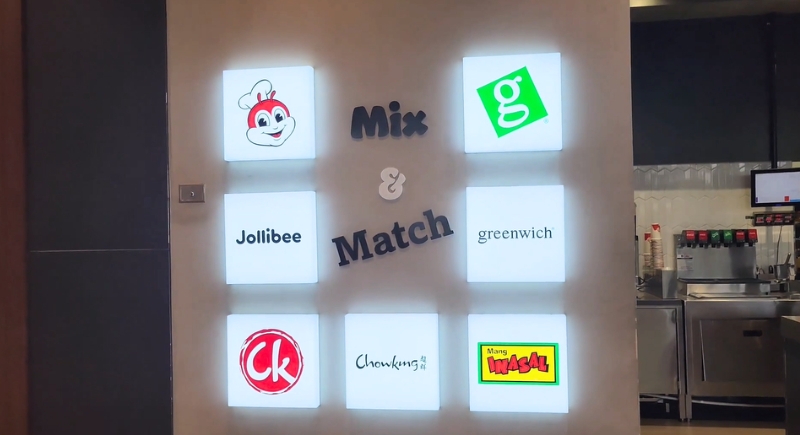
Once Jollibee proved it could win in its home market and travel with diaspora demand, expansion shifted toward acquisition. Buying brands like Mang Inasal and Greenwich strengthened dominance inside the Philippines, while deals involving Smashburger and Tim Ho Wan expanded global reach. The strategy let Jollibee enter new categories without building unfamiliar brands from scratch.
Cloud Kitchens And Pandemic Survival Moves
Credit: Facebook
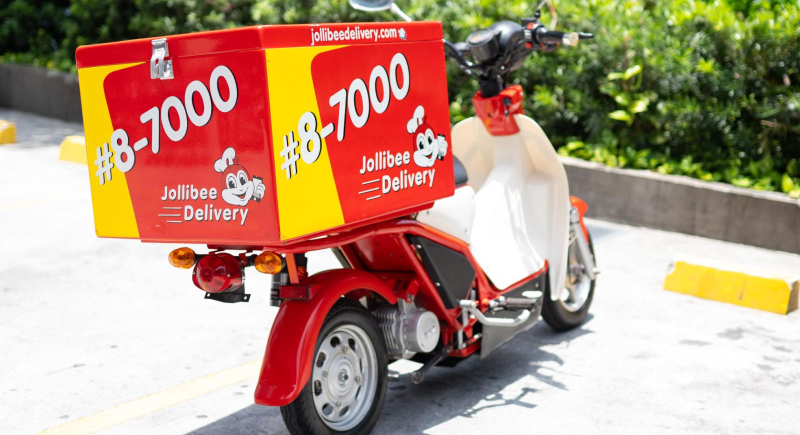
Lockdowns forced rapid changes across global restaurant chains, and Jollibee had to rethink how stores actually functioned day to day. Delivery suddenly drove most revenue. Investment shifted toward cloud kitchens and digital ordering infrastructure. Even after dining rooms reopened, online ordering stayed strong.
The Secret Weapon Was Always Flavor
Credit: Reddit
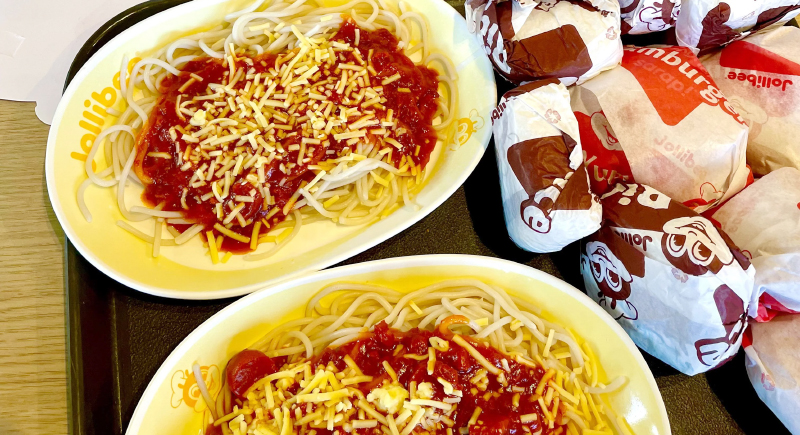
Customers trying Jollibee for the first time often expect familiar fast-food formats, only to notice something different immediately. Menu items reflect Filipino comfort food habits, including sweet-style spaghetti, pineapple-topped burgers, and mango desserts. These choices helped the brand stand out in crowded markets while remaining approachable to customers already comfortable with fast-food formats.
Store Density And Smart Real Estate Strategy
Credit: Wikimedia Commons
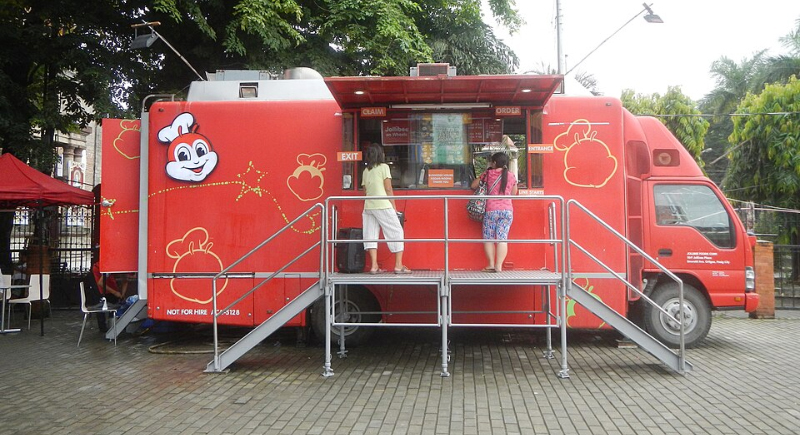
In major Philippine cities, Jollibee stores often appear near jeepney routes, malls, schools, and wet markets, where daily foot traffic remains steady. Opening multiple branches within a short driving distance increased convenience for commuters and families. The approach helped capture breakfast, lunch, and late-night traffic separately while keeping brand visibility unavoidable in dense urban neighborhoods.
The Race Toward Global Top Five Restaurant Status
Credit: Facebook
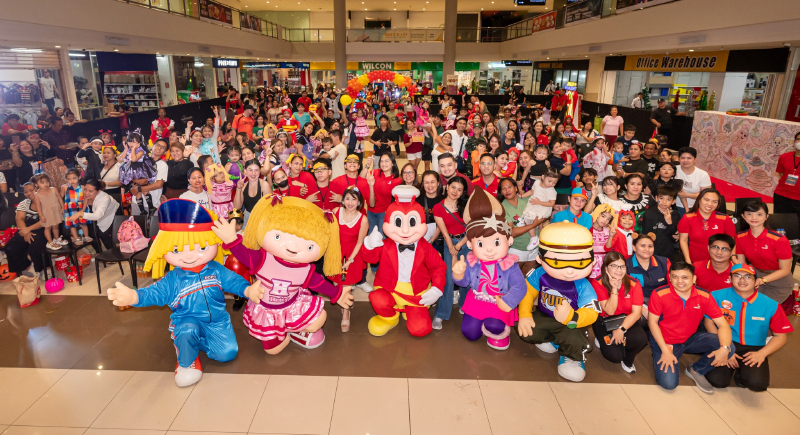
Jollibee grew into something larger than a place to eat. Birthday parties, school celebrations, and family gatherings regularly took place in its stores. That emotional loyalty helped the brand outlast global competitors. Tony Tan Caktiong built a company strong enough to outperform McDonald’s in the Philippines and use that momentum to expand across international markets.