The Name Game and How It Saved These 10 Billion Dollar Brands
A company’s name might seem like a small detail, but it often shapes how people see it from the start. It can make something feel familiar, clear, or easy to trust. In some cases, getting the name right early on plays a real role in how far a business goes.
These examples show how certain brands landed on names that stuck, and why those choices ended up mattering more than expected.
Google
Credit: Wikimedia Commons
Before it became the world’s dominant search engine, Google operated under the name BackRub. That original name described how the system analyzed backlinks, but it sounded technical and limited. Switching to Google, inspired by the mathematical term “googol,” reframed the company entirely. It suggested vast scale and near-infinite information, which aligned perfectly with its mission. That shift made the brand feel expansive instead of niche, and helped it grow into a company worth over $1 trillion.
Amazon
Credit: iStockphoto
Jeff Bezos cycled through multiple names, including Cadabra and Relentless, before landing on Amazon. The earlier options either sounded confusing or carried the wrong tone. Amazon, however, evoked size, ambition, and global reach. It also benefited from starting with the letter A, which gave it visibility in early internet directories. The name matched Bezos’ long-term vision of building the largest store on Earth, making it far easier for customers to grasp the company’s scope from day one.
Nike
Credit: Wikimedia Commons
The company began as Blue Ribbon Sports, a name that worked for distribution but lacked identity for a global brand. When the founders needed something new and fast, they chose Nike, the Greek goddess of victory. The name carried energy, movement, and a built-in sense of achievement. Even though Phil Knight wasn’t initially sold on it, the decision gave the brand a powerful emotional edge that helped it stand out in a crowded market.
Apple

Credit: pexels
Apple started as Apple Computers, but in 2007, the company dropped “Computers” from its name. That small change opened the door to a much broader identity. It was no longer tied to one product category, which made it easier to expand into music, phones, wearables, and more. As the iPod and iPhone took off, the simpler name fit what the company had become.
PayPal
Credit: Canva
The company first operated under the name Confinity, which came from combining “confidence” and “infinity,” but it didn’t clearly tell people what the product did. After merging with X.com, it switched to “PayPal,” a name that made the purpose obvious right away. It felt simple, friendly, and easy to understand, which helped people trust it faster and start using it early on.
Sony

Credit: Wikimedia Commons
Tokyo Tsushin Kogyo built strong products, but its name created friction outside Japan. Executives recognized that global expansion required something simpler. “Sony,” derived from “sonus” (sound) and “sonny,” solved that problem. That change removed a barrier to entry in international markets and helped position the company as a global electronics leader. It was short, easy to pronounce, and culturally neutral.
FedEx
Credit: Wikimedia Commons
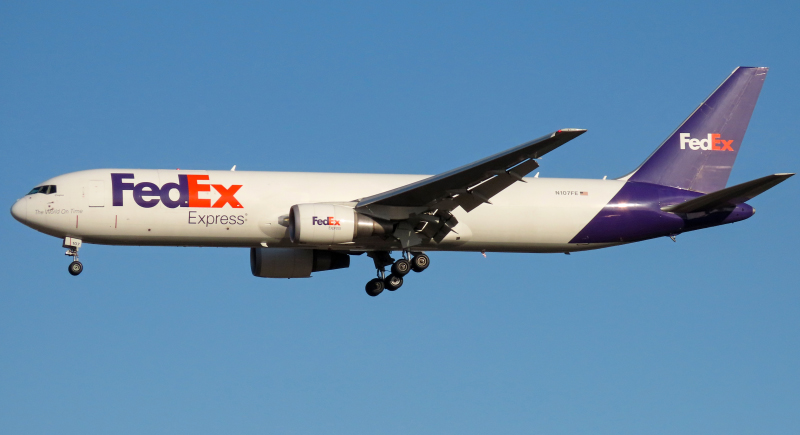
Federal Express described the company’s service accurately, but it felt formal and long. Customers naturally shortened it to “FedEx,” and the company eventually made that its official name. The shorter version conveyed speed and efficiency, which matched the brand’s promise. It also became easier to use in everyday language, reinforcing the company’s identity as a fast, reliable delivery service.
eBay
Credit: Wikimedia Commons
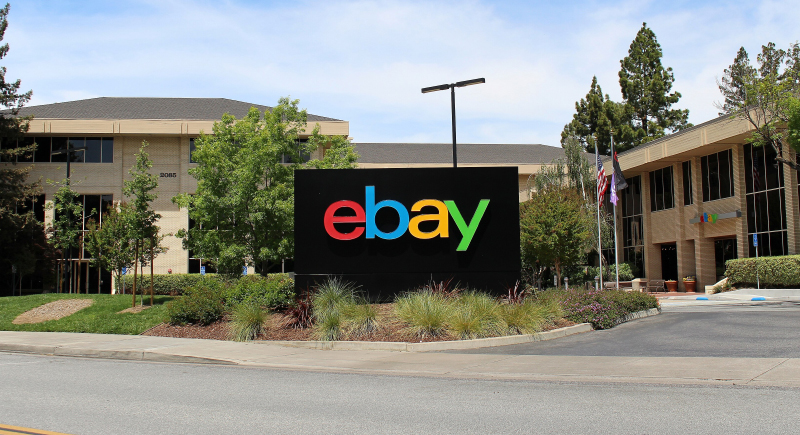
A name like AuctionWeb makes it clear that auctions are its specific features. It’s functional but limiting. Switching to “eBay” created a name that was flexible for a broader marketplace. It was also memorable and distinct. It allowed the platform to expand beyond auctions into a wide range of buying and selling formats without outgrowing its identity.
Coca-Cola
Credit: pexels
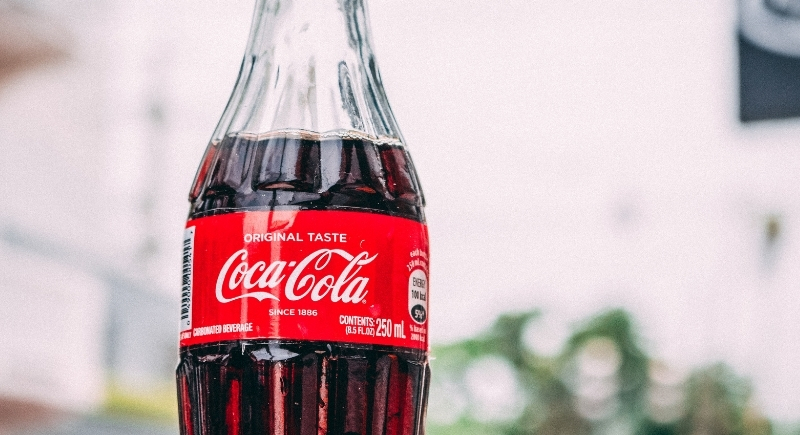
The name Coca-Cola came directly from its key ingredients: coca leaves and kola nuts. That decision gave the product immediate recognition and a sense of authenticity. Frank M. Robinson, who created the name and its script logo, understood that the visual and phonetic symmetry of the two Cs would stand out in advertising. More than a century later, the name still carries that same clarity and memorability.
Best Buy
Credit: Wikimedia Commons
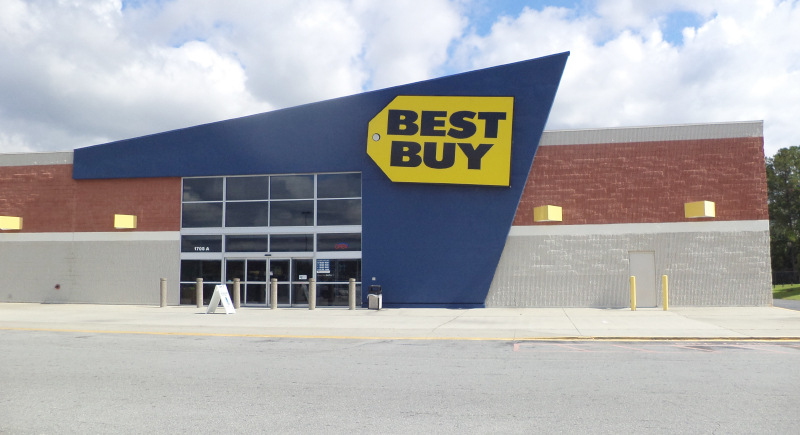
The company started as Sound of Music, a name tied closely to audio equipment. After a tornado forced a major clearance sale, the phrase “best buy” became central to its marketing. The success of that event pushed the company to adopt the name permanently. It shifted the brand from a niche electronics retailer to a broader value-driven destination, making it easier to scale across categories.