The 10 Most Expensive Teas in the World
For most people, tea is an everyday habit. You boil water, steep the leaves, and move on with your day. But at the highest end of the market, certain teas sell for prices that rival cars or luxury watches. Scarcity, age, and origin drive those numbers. Some are harvested in tiny quantities or aged for decades. This list looks at the rare batches where tradition and serious money meet.
Gyokuro ($500 per pound)
Credit: Wikimedia Commons
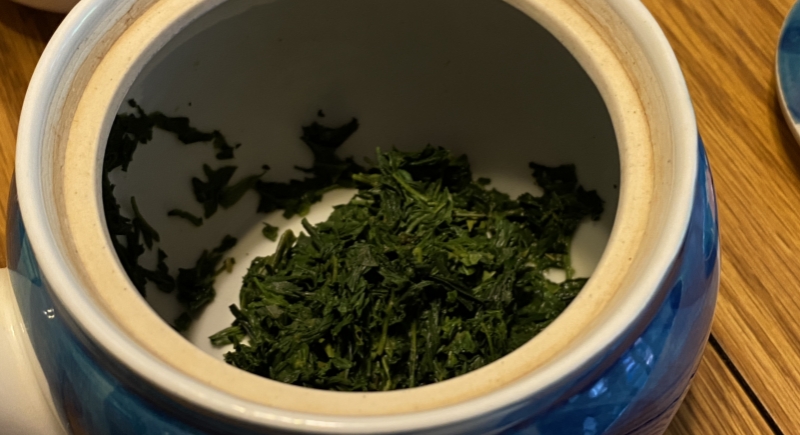
That vivid green color signals that Gyokuro is grown differently from most teas. Farmers shade the plants for about three weeks before harvest, which increases amino acids and lowers overall yield. The flavor comes out rich, slightly sweet, and deeply savory. Top-grade batches can reach about $500 per pound. Even at that price, many drink it regularly rather than saving it for special occasions.
Silver Tips Imperial ($3,000–$10,000 per kilogram)
Credit: Facebook
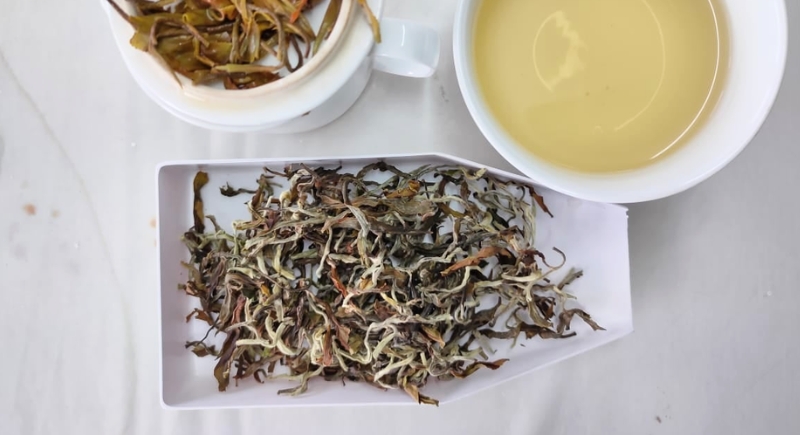
Silver Tips Imperial is made only from unopened buds, each picked by hand during a brief harvest window. Estates in India and Sri Lanka produce the most sought-after lots. Because yields stay low and timing matters, auction prices can climb into the thousands per kilogram when quality, season, and demand align.
Junshan Yinzhen ($3,000 per kilogram)
Credit: Wikimedia Commons
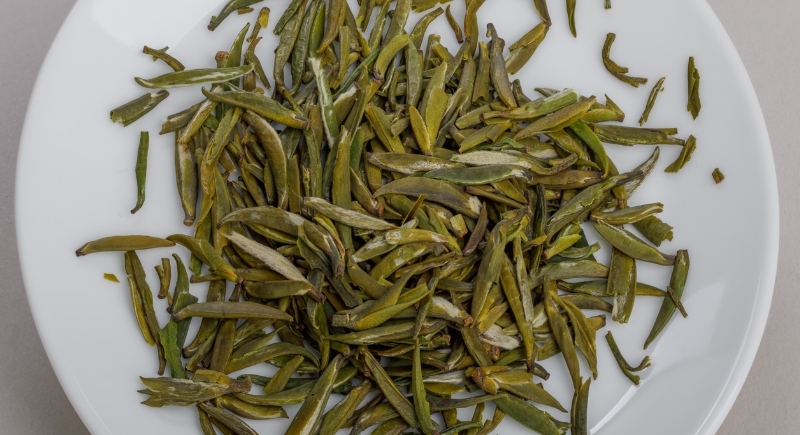
Junshan Yinzhen comes from a tiny Chinese island and carries long imperial associations. The processing steps are careful and slow, which limits the output. Apart from its scarcity and tradition, the patience required to produce it properly within historic tea culture circles today is what makes it so expensive.
Yellow Gold Tea Buds ($3,000 per kilogram)
Credit: Instagram
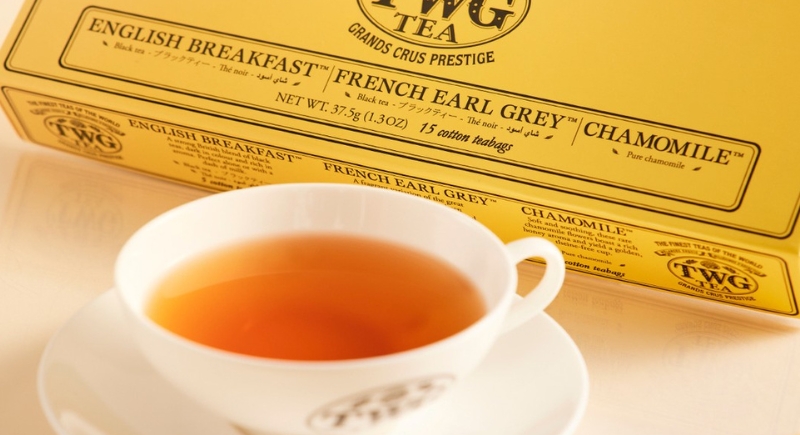
Yellow Gold Tea Buds stands out for its presentation. Harvesters trim the buds with gold-colored scissors, then coat them in edible 24-karat gold flakes. The brewed tea stays light and delicate, while production remains limited. Much of the price reflects craftsmanship, rarity, and the appeal of a gift designed for high-end collectors.
Longjing ($6,000 per kilogram)
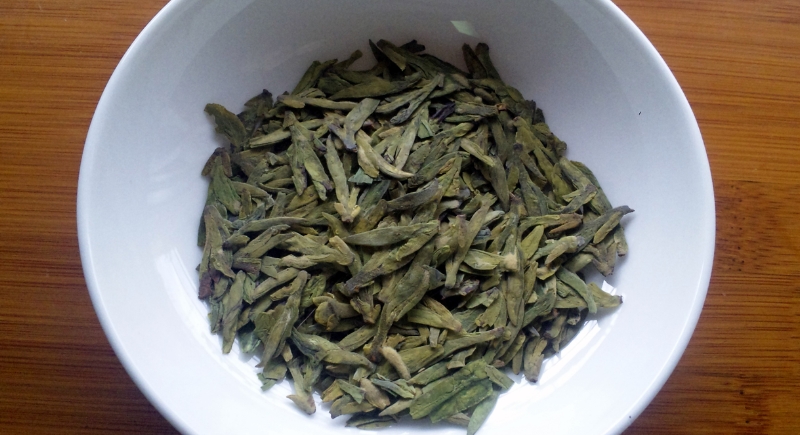
Credit: Wikimedia Commons
Also known as Longjing, this tea is traditionally pan-roasted by hand, a process that depends on precise timing and skill. The most prized lots come from early spring harvests near Hangzhou’s West Lake region. When origin, freshness, and reputation align, top batches can reach around $6,000 per kilogram during competitive buying seasons.
Vintage Narcissus Oolong ($6,500 per kilogram)
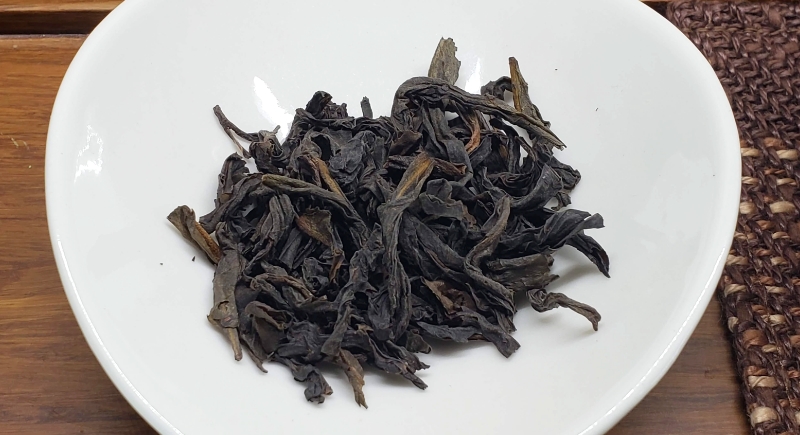
Credit: Reddit
Shui Xian, often called Vintage Narcissus Oolong, comes from the Wuyi Mountains and is aged for years, sometimes decades, before sale. Time deepens its roasted, mineral notes while supply gradually narrows. Careful storage and clear documentation of origin heavily influence value, especially among collectors who track provenance closely.
Luxury Concept Teas (Up to $15,000 per serving)
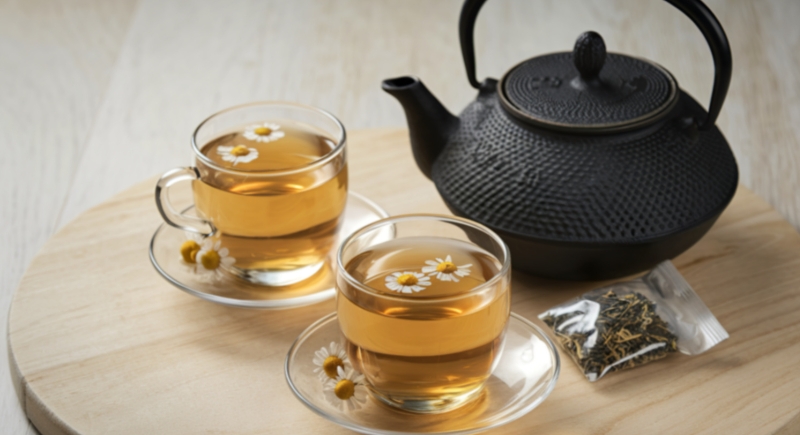
Credit: Canva
Luxury concept teas focus as much on presentation as flavor. Brands have released gem-studded tea bags, gold-accented blends, and ultra-limited packaging designed for collectors and high-end gifting. In a few cases, a single serving has sold for thousands of dollars. Pricing often reflects design, exclusivity, and the story built around the launch.
Panda Dung Tea ($70,000 per kilogram)
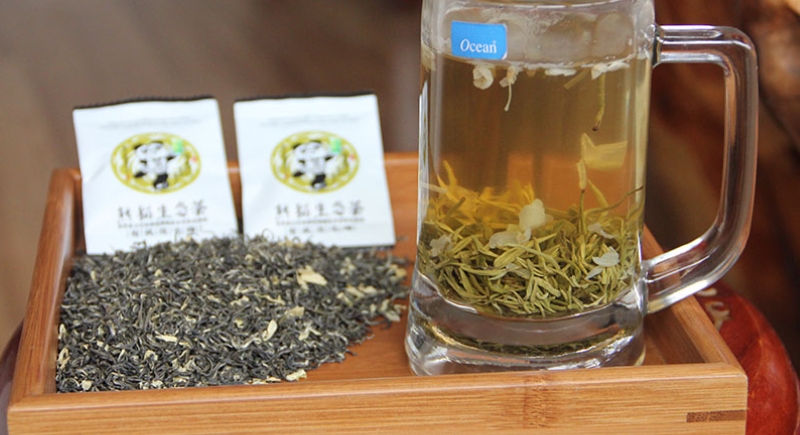
Credit: Wikipedia
This tea makes people laugh before it makes them curious. Panda Dung Tea grows in Sichuan using fertilizer made from panda waste, which is rich because pandas digest little nutrition. Output stays extremely limited. Early releases were priced around $70,000 per kilogram, fueled by novelty and global media attention following its unusual debut in luxury tea markets.
High-Auction Ceylon Teas (Record Prices Vary by Auction)
Credit: Wikimedia Commons
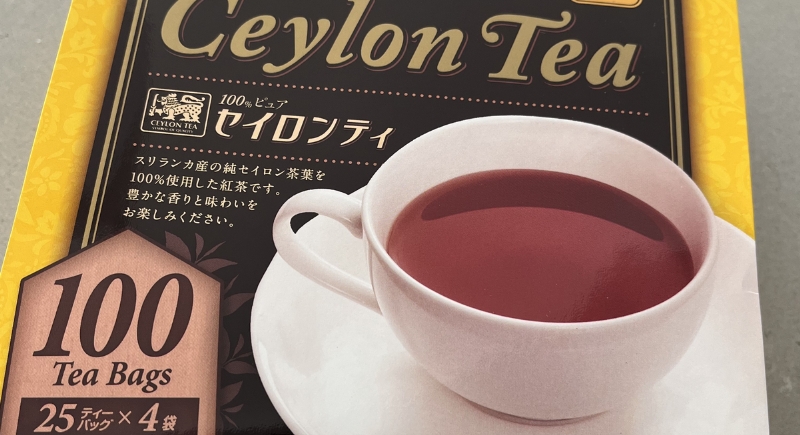
Premium lots of Ceylon tea have reached striking prices at select charity and specialty auctions, particularly in Japan. Some sales even drew recognition from international record keepers. Final values depend on estate reputation, harvest season, and competitive bidding. In rare cases, standout lots have crossed into price ranges usually associated with fine art.
Da Hong Pao ($1.2 Million per kilogram)
Credit: Wikimedia Commons
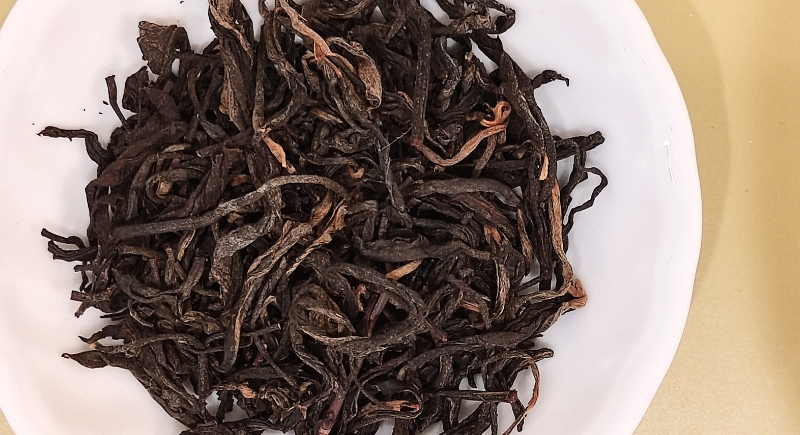
Da Hong Pao stands in a category of its own. The original bushes grow on the cliffs of China’s Wuyi Mountains and are believed to be more than 350 years old. Harvest quantities are extremely small, and the plants receive state protection. Historic auctions have reported prices near $1.2 million per kilogram, reflecting rarity and imperial-era prestige.