10 Mental Money Traps That Keep You Poor
Money trouble isn’t always about how much you earn. Often, it starts with how you think. The wrong ideas about saving, spending, and earning can drain your bank account, even if your paycheck seems decent. These mental habits feel normal, but over time, they keep people stuck. They delay wealth, increase debt, and block financial growth.
Treating Comfort as Financial Success

Credit: pexels
Settling for “just enough” often leads to financial stagnation. When comfort becomes the finish line, progress slows or stops. This mindset limits risk-taking, which is often necessary for real growth. It’s also one reason many people arrive at retirement unprepared to stop working.
Believing You Have to “Make” Money

Credit: Canva
Many people believe they “make” money by working more hours. In reality, individuals don’t create money on their own. Money enters the system through governments, while personal wealth grows through exchange value. When income depends only on time, growth stays limited. Assets and systems enable income to continue beyond the hours worked.
Assuming It Takes Money to Start

Credit: Getty Images
Waiting for a big break or extra cash often means never starting at all. There are tons of examples of how most wealthy people began with little. Small steps taken consistently build more than perfect plans delayed. Action, not access to capital, is usually what separates those who start from those who don’t.
Delaying Retirement Because It Feels Distant

Credit: Getty Images
Fidelity suggests having the equivalent of your annual salary saved by age 30. Yet many delay saving, assuming they’ll have time later. This mistake reduces the long-term effect of compounding. Starting early, even with small amounts, is more impactful than trying to catch up later.
Thinking Staying Small Reduces Risk
Credit: Getty Images
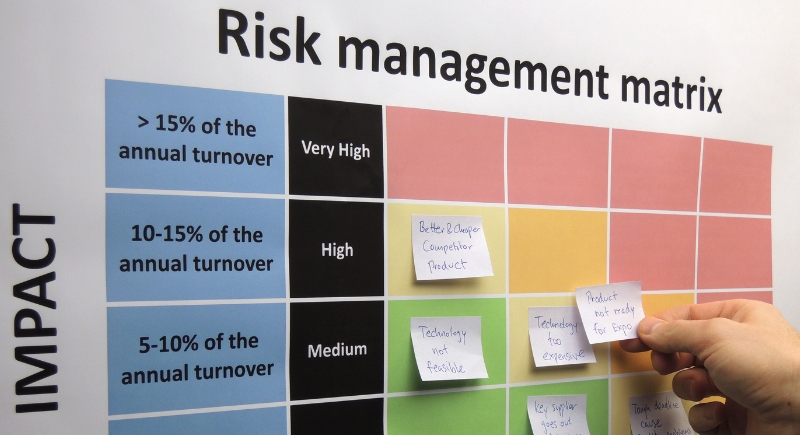
Some believe staying small keeps them safe. But that’s not true. Playing it safe with limited goals often means putting in the same effort for much lower payoff. Plenty of business owners admit they should’ve gone bigger sooner. A small mindset might feel less risky, but it can cost you more.
Judging Jobs Only by Salary

Credit: Getty Images
A salary shows only part of a job’s value. Ignoring benefits like healthcare or retirement contributions can make an offer far less rewarding over time. Higher pay often hides added costs. Looking at total compensation gives a clearer sense of how well a role supports your financial goals.
Using Spending as Emotional Relief

Credit: Getty Images
Impulse buys rarely lead to lasting satisfaction. Shopping out of stress, boredom, or frustration often creates more stress later. These habits eat into future goals while solving little in the moment. Recognizing emotional triggers around spending can lead to better choices and more money left at month’s end.
Relying Entirely on Time-Based Income

Credit: Getty Images
Working for money makes sense until it becomes the only way you earn. It is important to understand that time is fixed, but income doesn’t have to be. Relying only on hourly or salaried income leaves no room to grow. Building assets or side income is what helps people move past survival mode.
Believing Small Investments Don’t Matter

Credit: Getty Images
People often think it’s pointless to invest small amounts. But consistency beats size. Waiting to invest until you “have enough” often means missing out on compound growth. Small contributions add up when started early. Skipping them altogether leaves wealth-building off the table for far too long.
Viewing Buy Now, Pay Later as Harmless

Credit: Canva
BNPL plans seem convenient, but they often hide the real cost. These services can encourage overbuying by spreading out payments, which gives a false sense of affordability. When used often, they lead to mounting debt and fewer savings. What feels affordable today can quietly limit you tomorrow.