11 Innocent Mistakes That Will Instantly Void Your Homeowners Insurance
Homeowners insurance gives many people peace of mind, but that protection depends on following the rules in your policy. Small mistakes can create big problems when it’s time to file a claim. Something as simple as missing a detail or skipping basic maintenance can give an insurer a reason to deny coverage. These 11 common mistakes show how easily homeowners can put their insurance protection at risk.
Misrepresenting Information
Credit: Canva
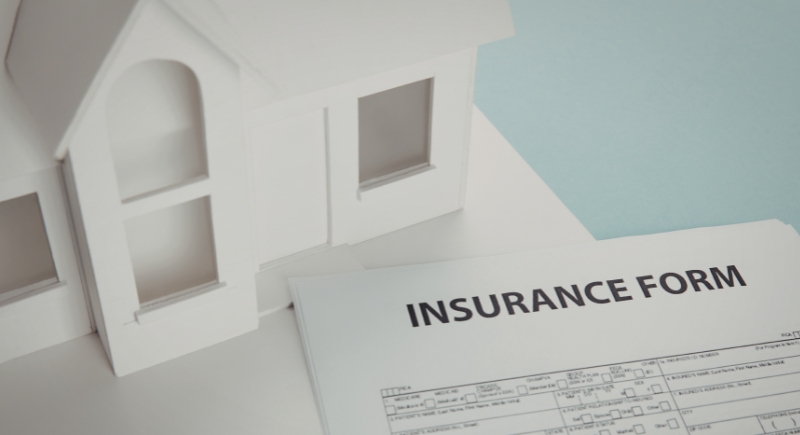
An insurance application is more than paperwork. It is a legal document, and the details matter. If a homeowner underreports the house’s size, omits a backyard pool, or fails to disclose a wood-burning stove, the insurer may treat it as misrepresentation. The same applies to hiding past claims or not listing everyone who lives in the home. If those details surface later, the company can deny a claim or cancel the policy.
Neglecting Routine Maintenance
Credit: Getty Images
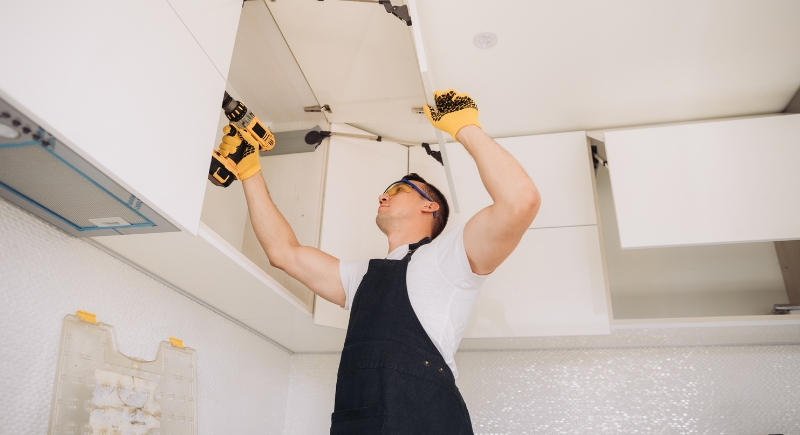
A slow leak left unrepaired, clogged gutters that overflow, or plumbing issues ignored for months can lead to denied claims. Mold that spreads after being ignored may also fall outside coverage. Insurers expect homeowners to keep up with basic maintenance. Inspection reports and repair receipts can help show you took proper care of the property.
Leaving the Home Vacant Too Long
Credit: pexels
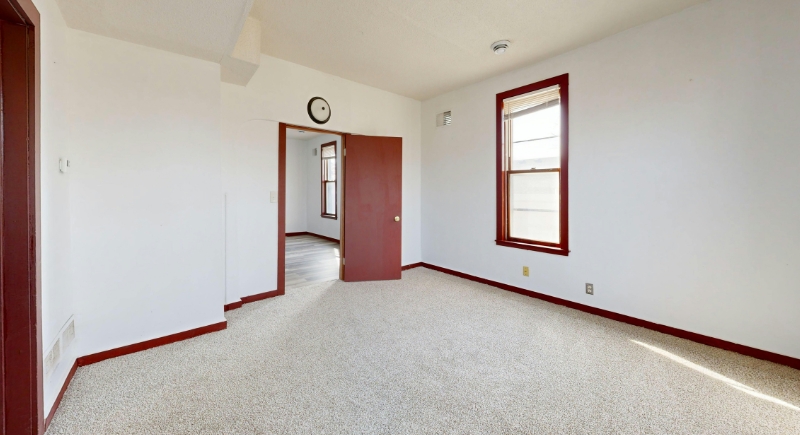
Most standard policies restrict coverage if a home sits empty for more than 30 to 60 consecutive days. Vacant properties pose a higher risk of burglary, vandalism, and burst pipes. Extended vacations, hospital stays, or temporary moves can trigger that vacancy clause. Not notifying your insurer before leaving for an extended period could leave you uninsured during that window.
Running a Business From Home

Credit: Getty Images
Converting part of the house into a salon or storing retail inventory on-site immediately shifts the risk profile. Standard homeowners policies usually exclude coverage for business equipment and liability connected to commercial activity. A customer slipping on the driveway during a scheduled visit can lead to a denied claim under a personal policy. Insurers require a home-business endorsement or a separate commercial policy whenever clients, stock, or specialized tools are involved.
Unauthorized Renovations

Credit: Canva
Major renovations can change a home’s risk profile. Knocking down a structural wall or turning an attic into a bedroom introduces new wiring, structural changes, and a higher fire risk during construction. Insurance policies are based on the home as it is listed in the policy. Starting major work without informing the insurer can leave any damage during the renovation uncovered.
Underestimating Property Value

Credit: Canva
Your dwelling limit should match the cost to rebuild your home. If the amount is too low and a major loss occurs, the insurer may reduce the payout due to underinsurance. Construction costs change over time, so the number that worked years ago may no longer be accurate. Reviewing rebuild estimates regularly helps keep coverage aligned with real costs and avoids unpleasant surprises during a claim.
Subletting or Short-Term Renting
Credit: pexels
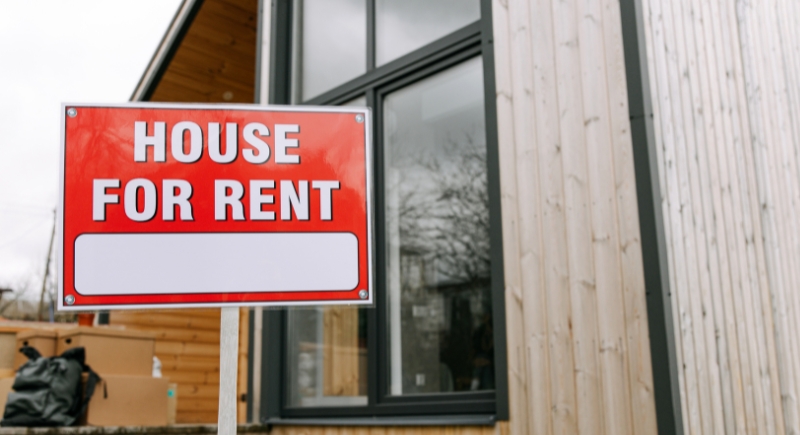
Turning a spare room into a rental or posting the house on a short-term rental platform changes the risk overnight. More guests mean more wear, more liability, and more exposure. When the insurer has no record of that setup, a claim tied to a tenant can be denied. Rental endorsements or landlord coverage usually maintain protection.
Ignoring Security Requirements
Credit: Getty Images
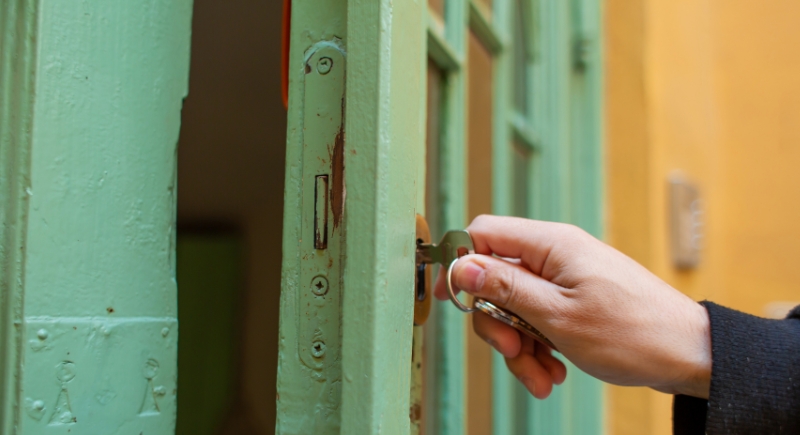
Many theft claims hinge on the security conditions set out in the policy. Leaving doors unlocked, failing to activate a required alarm system, or hiding keys in obvious spots can lead to a denial. Insurers may classify those situations as negligence rather than forced entry. Functional locks, monitored alarms, and documented security measures strengthen your position if something goes wrong.
Deliberate Damage
Credit: Getty Images
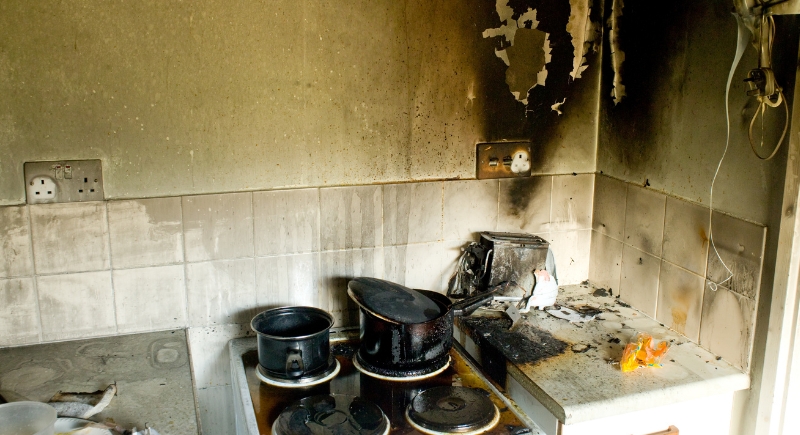
Homeowners’ insurance is in place for accidents that happen without warning. It does not step in when damage is done on purpose. When property destruction looks suspicious, insurers investigate closely before paying a claim. Once intent is confirmed, the policy no longer applies to that loss. Deliberate harm by anyone in the household can instantly erase coverage.
Failing to Report Claims Promptly

Credit: Canva
Most policies require prompt notice of events such as theft, fire, or structural damage. Waiting weeks to report an incident can complicate the investigation. Insurers often request photos, repair estimates, and police reports. Delays may violate policy conditions and give the company grounds to reject the claim.
Using Unqualified Contractors

Credit: Canva
Hiring an unlicensed electrician or plumber to save money can create bigger problems later. If faulty or unpermitted work causes damage, the insurer may deny the claim. Many policies exclude losses linked to illegal or non-compliant construction. Checking that contractors are licensed and obtaining proper permits helps protect your home and your insurance coverage.