The $200 Million Mistake That Almost Ruined Dr. Dre
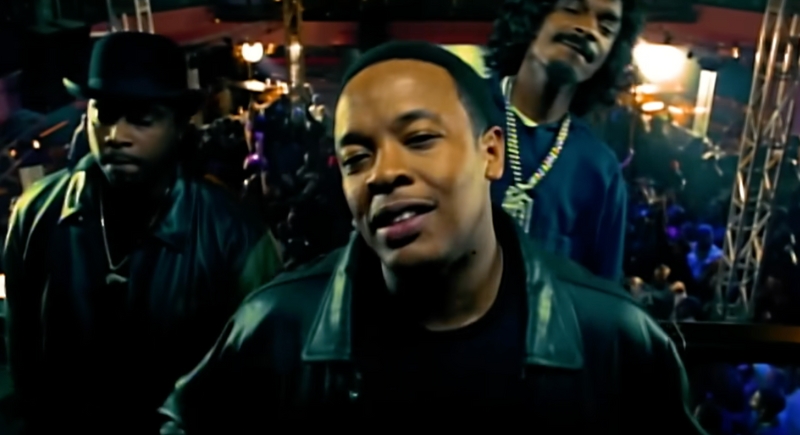
Before Beats by Dre ever existed, Dr. Dre had already lived several careers. He helped define West Coast rap in the late 1980s, launched the careers of artists like N.W.A., Snoop Dogg, and Eminem, and became one of the most influential producers in music history. By the early 2010s, Dre was no longer proving himself creatively.
The Long Road To Relevance
Credit: Youtube
Dr. Dre released music sparingly, but his approval still meant something. New artists paid attention when he spoke. Executives listened when he entered a room. Hip hop was moving into the center of global pop culture, and Dre was one of the few figures whose influence still bridged generations.
Why the Early 2010s Mattered
Credit: Wikimedia Commons
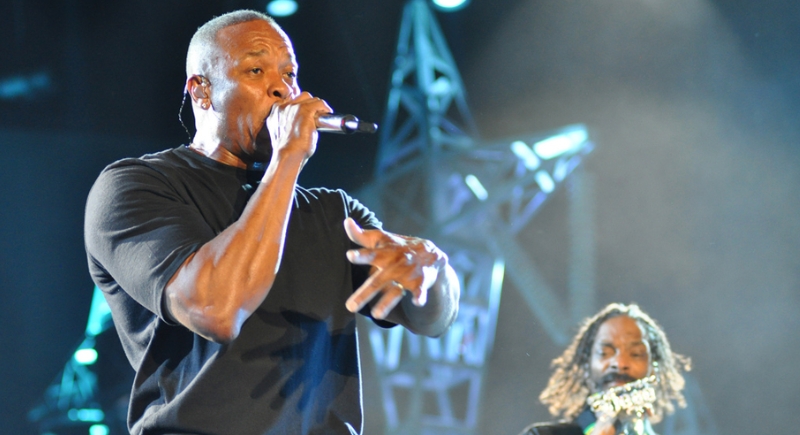
This era changed how success was measured. Streaming disrupted sales, touring became unpredictable, and artists who relied only on music income struggled to scale. The smartest figures began thinking like brand builders. For Dre, the moment called for something tangible, something that could translate cultural credibility into a product with a longer shelf life.
The Birth of Beats by Dre
Credit: Wikimedia Commons
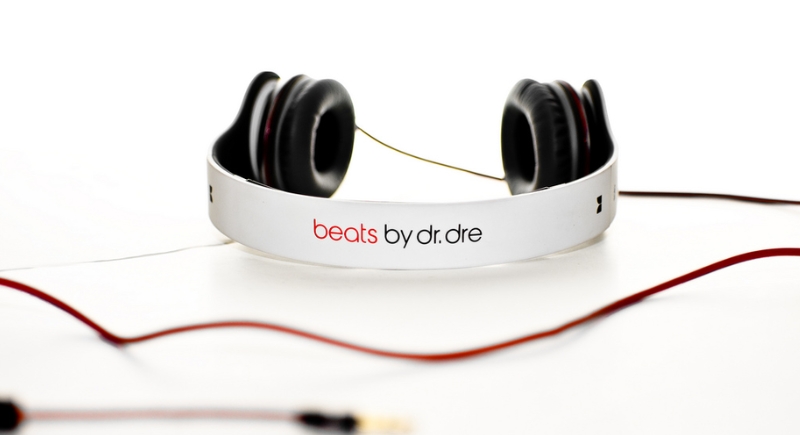
Beats launched in 2008 as a deliberate break from how audio brands spoke to consumers. The sound favored bass, the design was meant to be noticed, and marketing focused on who wore them. Before long, the headphones started signaling status.
From Culture to Market Power
Credit: Youtube
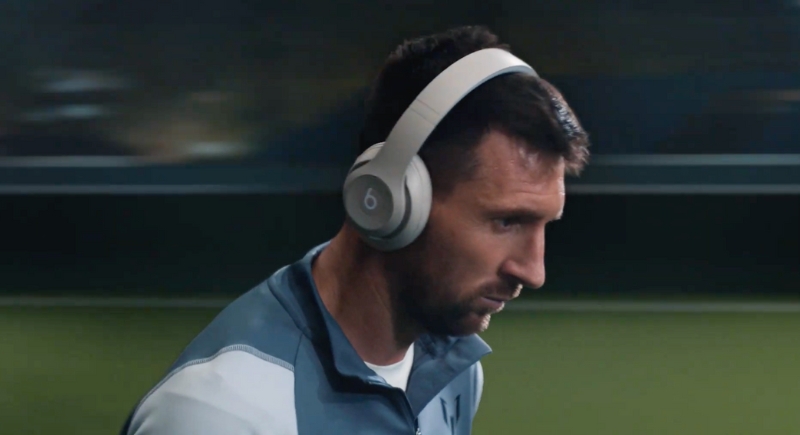
By the time Beats reached its peak, the headphones were impossible to miss. Athletes arrived at arenas wearing them, artists slipped them into music videos, and airport terminals doubled as free advertising. The association with Dr. Dre gave the brand cultural legitimacy.
Apple Comes Calling
Credit: pexels
As Beats tightened its grip on the premium headphone market, Apple began talks with Dre and Jimmy Iovine. The conversations didn’t stay exploratory for long. Apple wanted the brand, the streaming service, and the cultural access that Beats had built. When terms started circulating, the valuation landed at $3.2 billion.
The Silence Rule
Credit: Getty Images
Deals of this size depended on airtight coordination as lawyers handled disclosures, and Apple planned a tightly choreographed announcement. Jimmy Iovine repeatedly warned the Beats team that public discussion could jeopardize timing and leverage. Apple wanted control over how the acquisition entered the market, especially given its impact on stock perception and industry reaction.
A Studio Celebration Gone Public
Credit: Wikimedia Commons
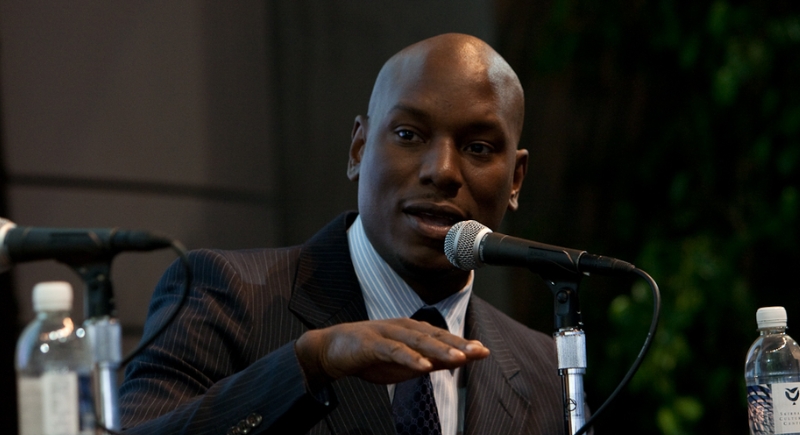
That sense of control slipped during a late-night studio hangout when Tyrese Gibson pulled out his phone and filmed a celebratory Facebook video. Dr. Dre looked relaxed, joking about his billionaire status. The video spread quickly, and within hours, blogs treated it as confirmation of a deal still under negotiation.
Corporate Culture Shock
Credit: Wikimedia Commons
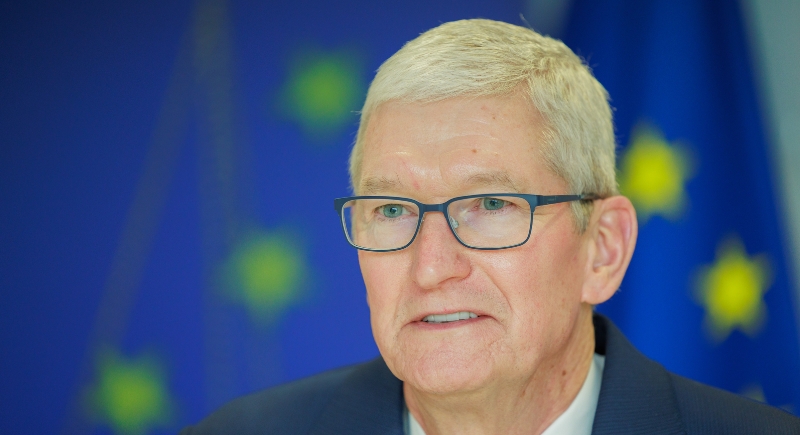
The video didn’t stay underground for long. It reached Tim Cook quickly, and soon after, Dr. Dre and Jimmy Iovine were asked to come to Cupertino. Apple still wanted Beats, but the leak had rattled carefully laid plans, and Tim made it clear the misstep would factor into how the deal moved forward.
The Billionaire Title Slips Away
Credit: Getty Images
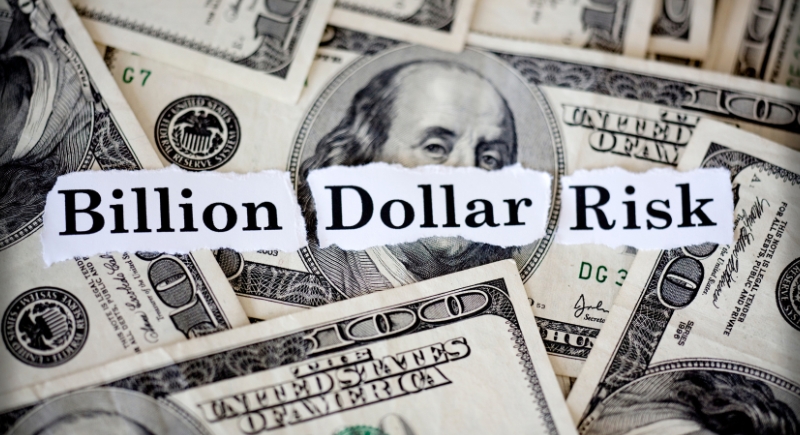
When the paperwork was finally signed, the number had changed. The deal closed at $3 billion instead of the $3.2 billion everyone had been celebrating, and the $200 million difference carried real consequences. After taxes and ownership splits, it meant Dr. Dre fell just short of billionaire status. The deal survived, but the leverage had slipped.
After the Near Miss
Credit: Youtube
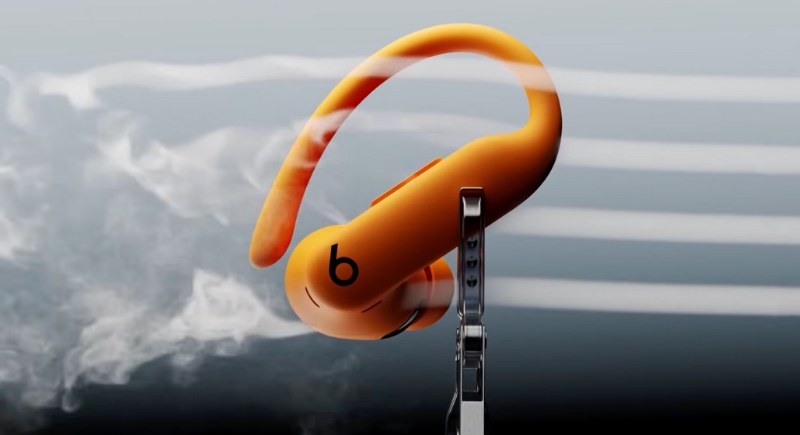
Beats still landed where it was headed. The brand was absorbed into Apple, and both Dre and Jimmy Iovine stepped into executive roles. Apple Music followed soon after, built on Beats’ industry ties. Years later, Forbes crowned Jay-Z hip hop’s first billionaire, turning Dre’s close call into a lasting what-if.