The Bizarre Real Estate Economics Behind Million Dollar Parking Spots in Hong Kong
A parking spot has one job: it holds a car, and that should be the end of the story. Hong Kong never really followed that logic. In this city, a single garage bay can cost as much as a luxury apartment in other parts of the world. Limited land, relentless demand, and one of the world’s most expensive property markets have pushed prices into territory that feels almost unbelievable.
The Sale That Broke Everyone’s Brain
Credit: Wikimedia Commons
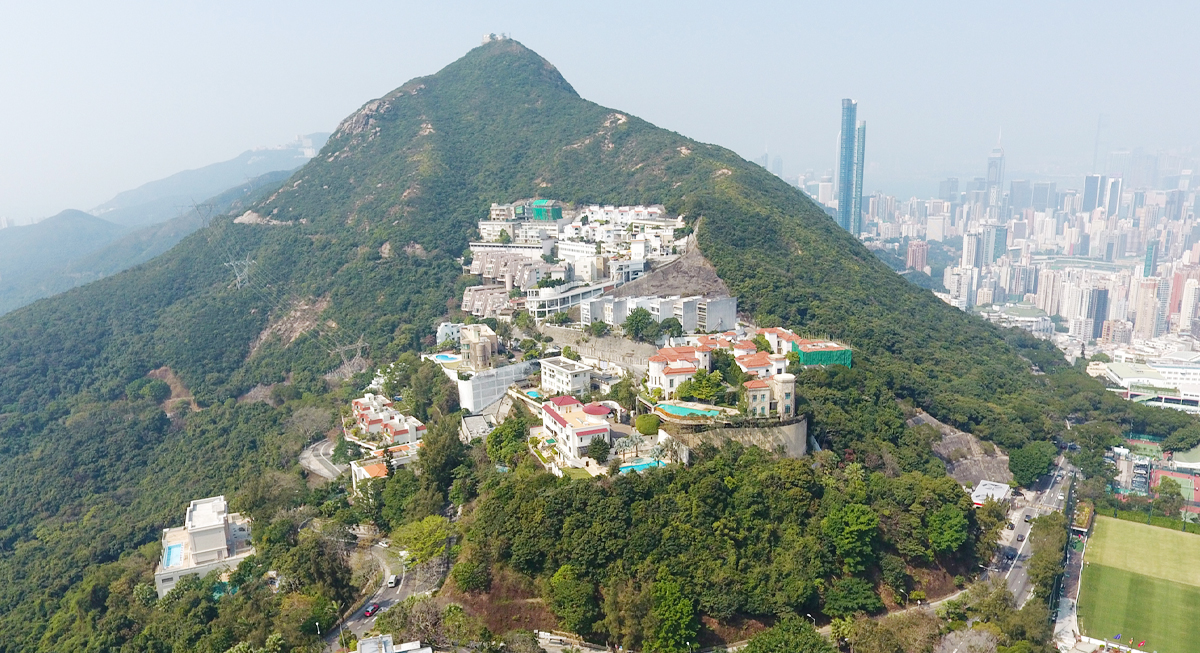
The wildest example came from Mount Nicholson on The Peak, where a parking bay sold for HK$10.2 million in 2021, about US$1.3 million at the time. That beat the previous reported Hong Kong record of HK$7.6 million. For that money, the buyer got one guaranteed parking spot in an ultra-luxury development.
The Small Space With Ridiculous Math
Credit: pexels
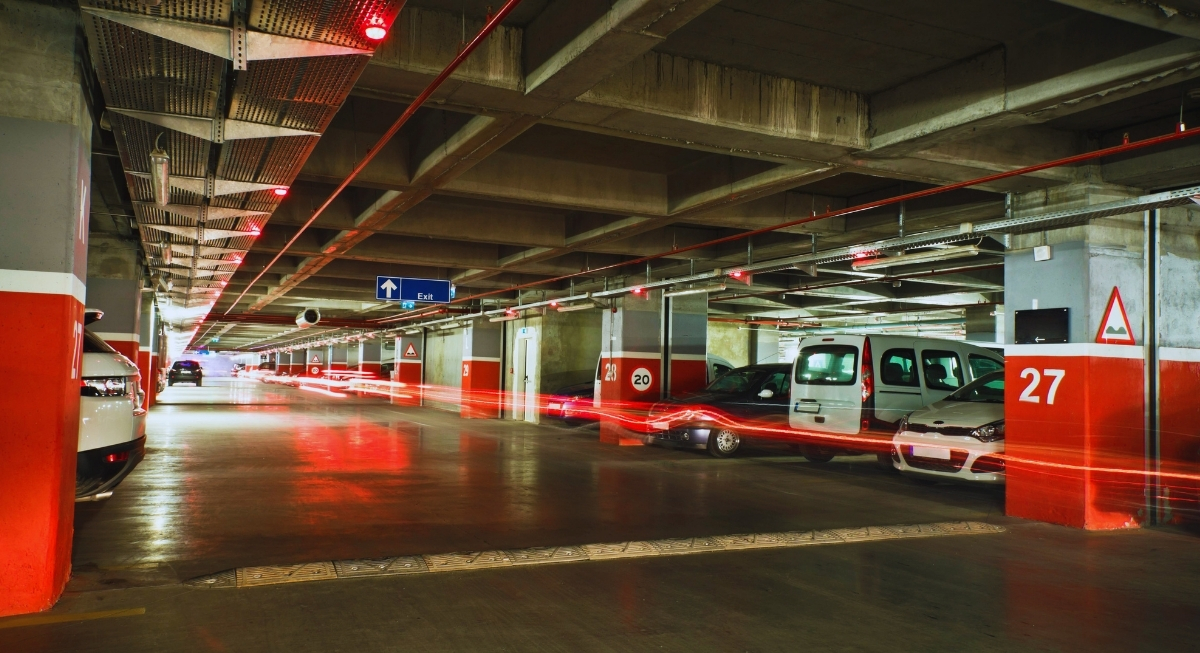
Reports put the famous Mount Nicholson parking bay at roughly 134.5 square feet. The space itself is tiny, yet the price attached to it could buy a huge home in many parts of the world. At some point, the value stops being about the parking spot itself. Buyers are paying for the building, the location, and the kind of exclusivity that comes with owning property on one of Hong Kong’s most expensive addresses.
The Peak Lives In Its Own Price Bubble
Credit: Wikimedia Commons
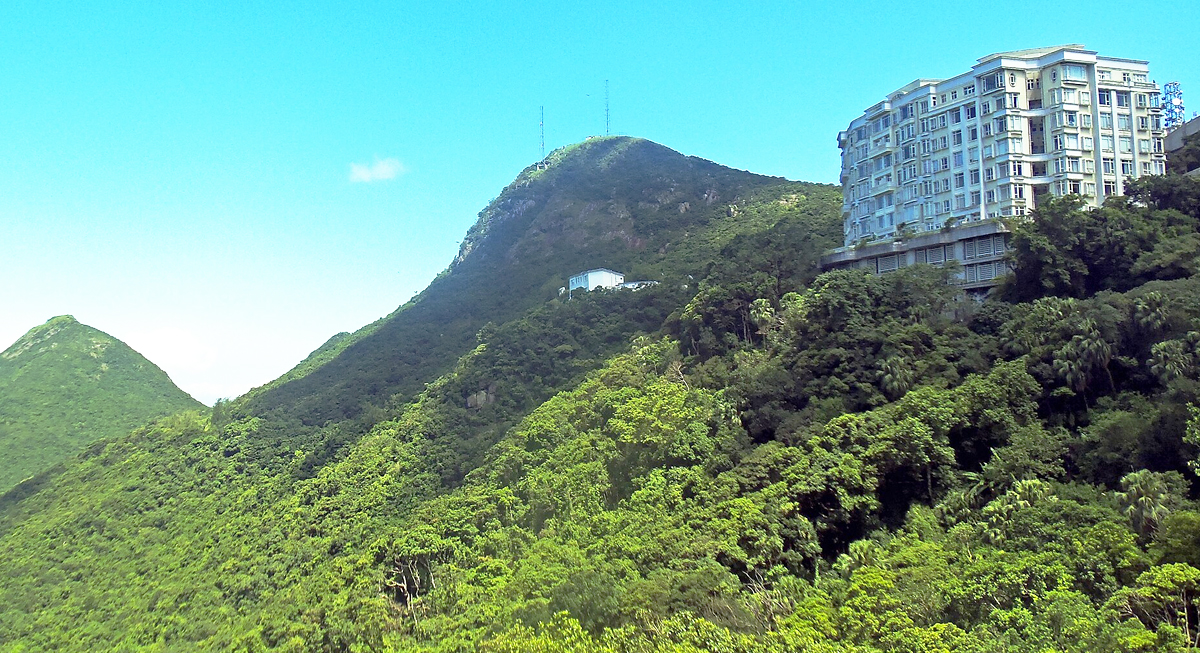
Parking on The Peak operates in a completely different world from a normal neighborhood garage. This is one of Hong Kong’s most exclusive residential areas, where buyers already pay enormous amounts for privacy, prestige, and limited access. In a building like Mount Nicholson, even the parking spaces become part of that luxury package. The spot may only hold one car, but the address attached to it changes how people value it.
Developers Know When To Sell The Missing Piece
Credit: Canva
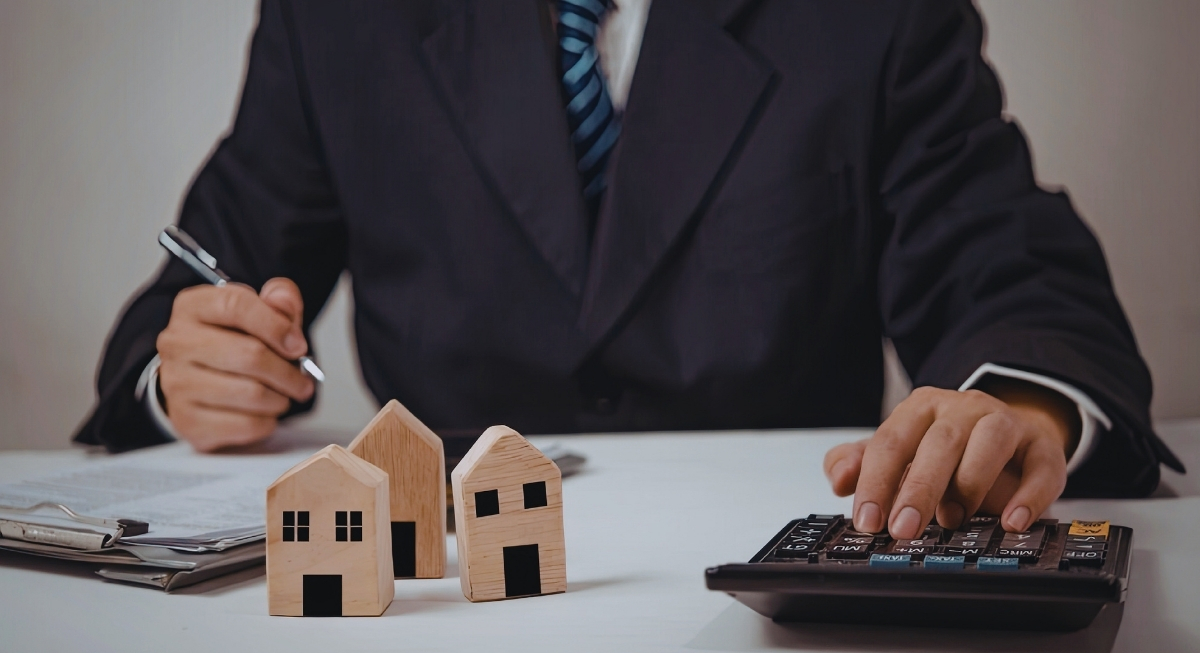
By the time many Mount Nicholson parking spaces were tendered, the apartments had already been sold for years. That gave developers an advantage. Owners who were already settled in the building were far more likely to pay extra for a parking bay downstairs rather than rely on a space nearby. Once convenience becomes tied to a luxury address, buyers start treating parking very differently.
The Building Ratio Creates Its Own Squeeze
Credit: Getty Images
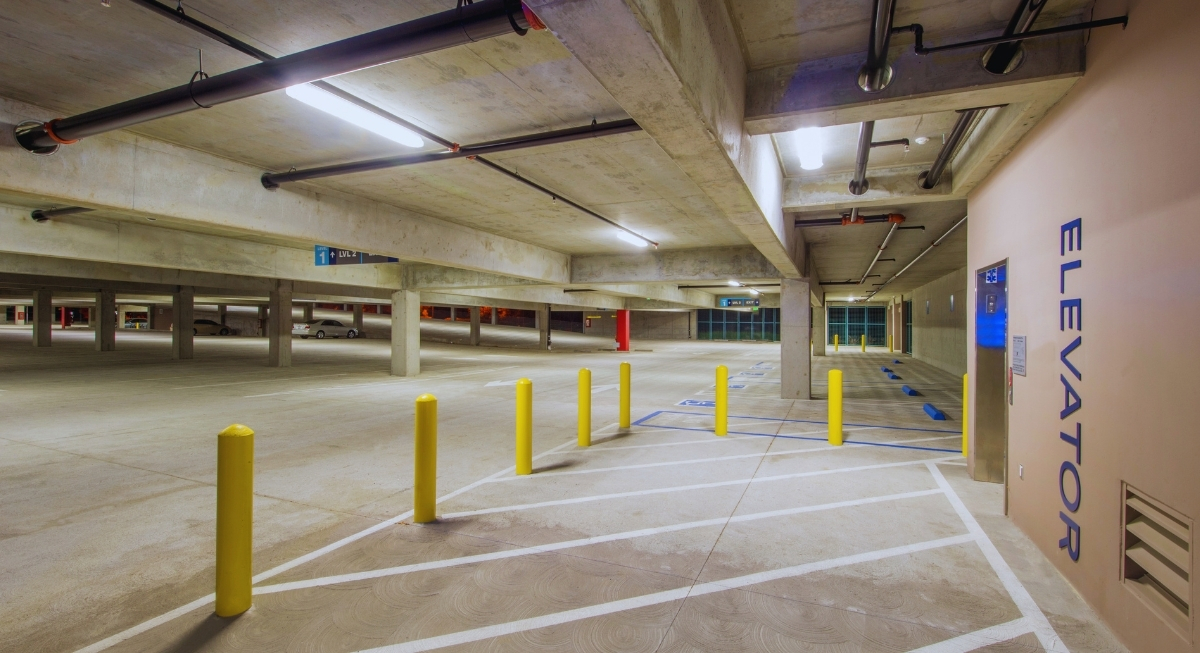
A citywide parking shortage is one problem, but luxury buildings create a different kind of pressure. Buyers at places like Mount Nicholson are not simply searching for any available spot. They want parking inside the same building, preferably close to the elevator and private entrance. A cheaper space down the street may technically solve the problem, though that is not how buyers at this level think about convenience.
Regular Investors Chase Smaller Wins

Credit: pixabay
Not all parking investors are chasing HK$10.2 million trophy spaces. According to Collier, the monthly rent for parking spaces in Hong Kong ranges from HK$2,500 to HK$4,500. The report also suggests a 3% return for spaces priced between HK$1 million and HK$1.8 million. That’s an option for buyers who are financially comfortable but don’t want to make outrageous purchases.
More Cars Made The Pressure Worse
Credit: Getty Images
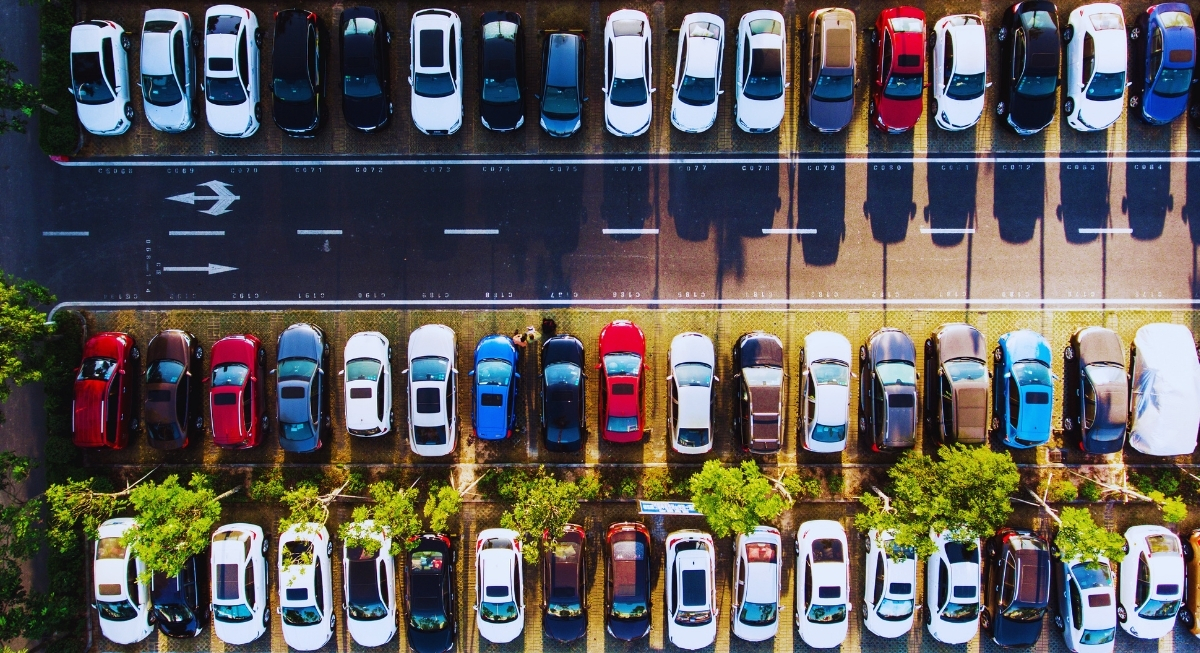
A government audit found private cars in Hong Kong rose from 401,692 in 2006 to 616,220 in 2018. Private-car parking spaces grew much more slowly, and the ratio fell from 1.51 spaces per private car to 1.10. That kind of shift changes the market. Drivers feel the squeeze, while owners of well-located spaces gain more leverage.
Great Transit Still Has A Parking Problem
Credit: Canva
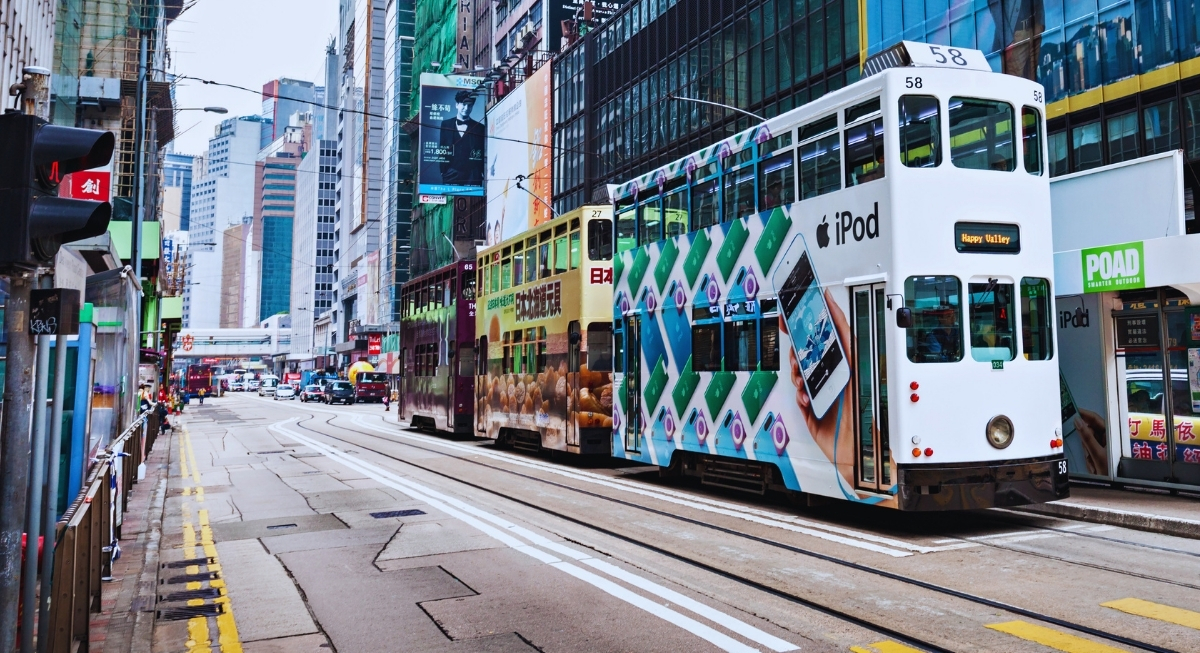
Hong Kong has strong public transport, but trains do not work for every trip. Families, business owners, late-night drivers, and people carrying equipment may still want door-to-door access. The government also tries to meet parking demand without pushing regular public-transport users into private cars. That balance is tricky. Too little parking frustrates drivers, while too much may encourage more car use.
Full Car Parks Make Certainty Valuable
Credit: pixabay
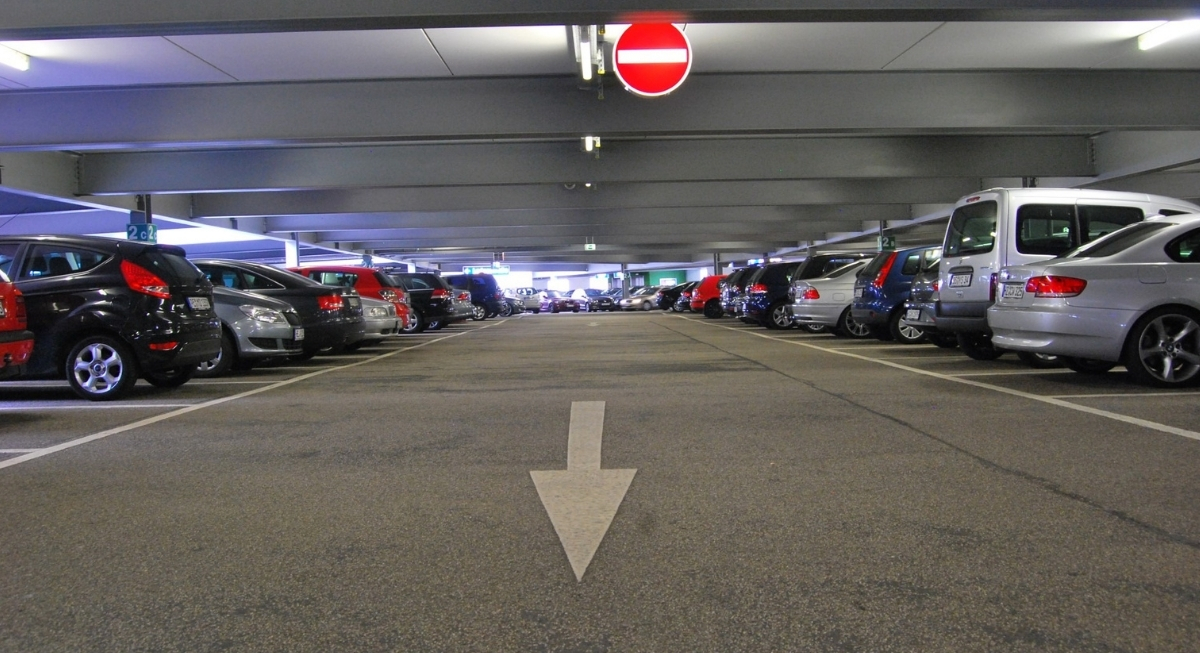
According to officials, metered parking spaces averaged around 90 percent utilization in 2025, while Transport Department public car parks sat around 80 percent to 90 percent. Those numbers leave little room for easy luck. Guaranteed access suddenly looks more attractive when a driver has dinner plans, a medical appointment, or a meeting across town. Nobody enjoys circling the block in city traffic.
Automation Is The Space-Saving Bet
Credit: iStockphoto
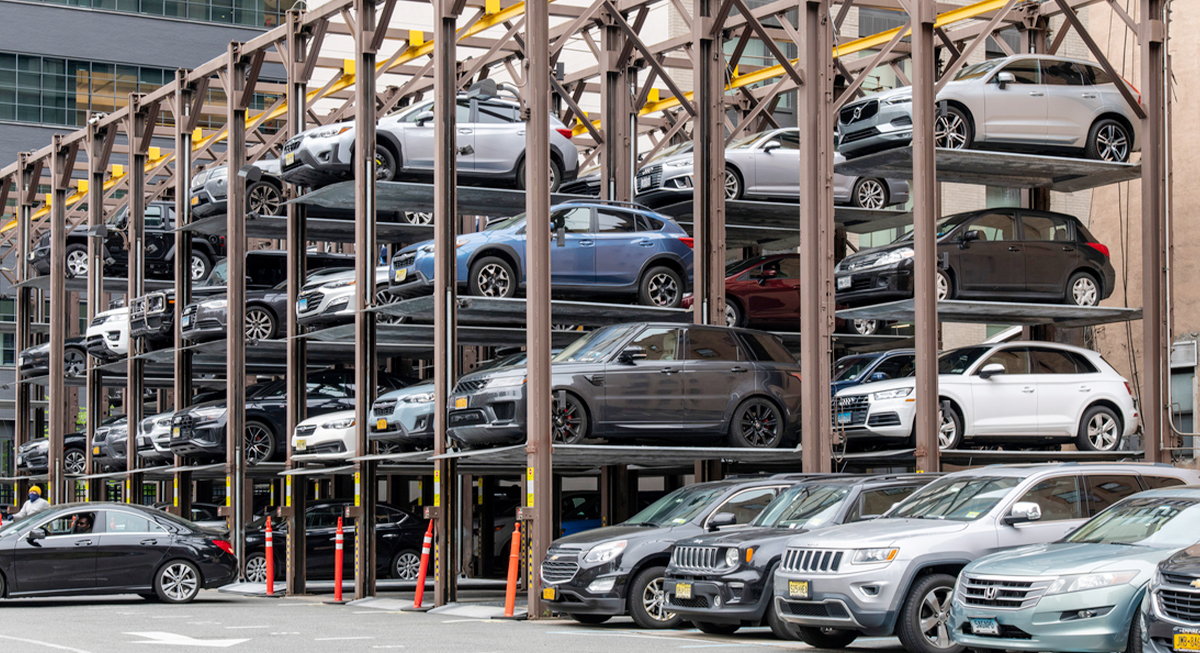
Hong Kong has expanded automated parking to make use of limited space. Officials claim suitable automated systems can increase parking capacity by up to 100 percent compared with conventional car parks. New short-term tenancy car parks may also use automated systems when sites make practical and financial sense. Better stacking will not make land cheap, but it should help the city squeeze more use out of tight spaces.